


 中文简体
中文简体 Français
 русский
 Español
 عربى
عربى Deutsch



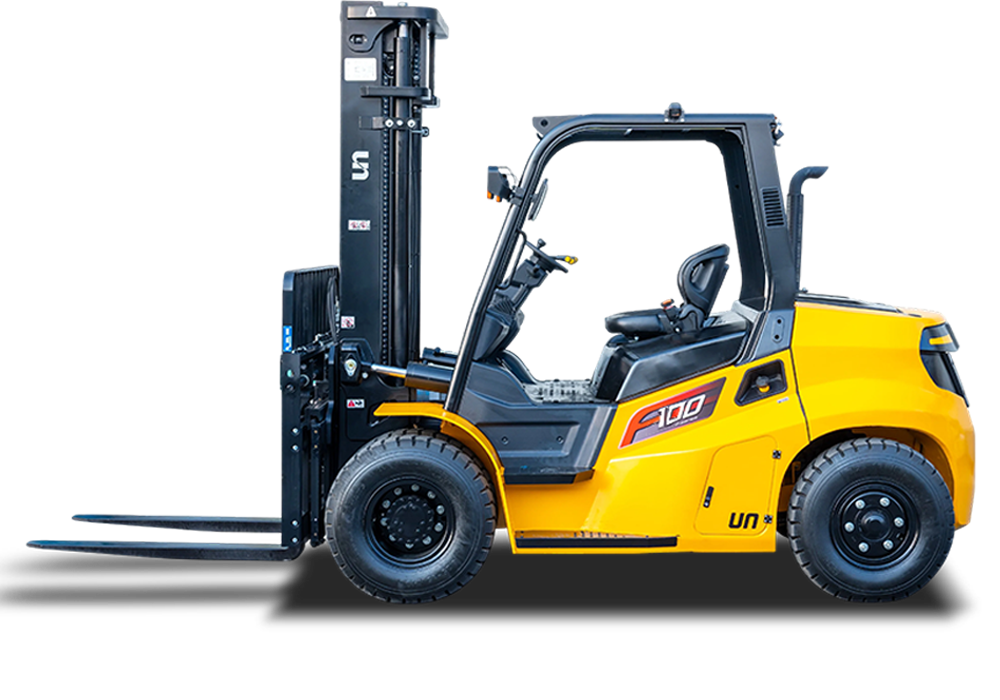
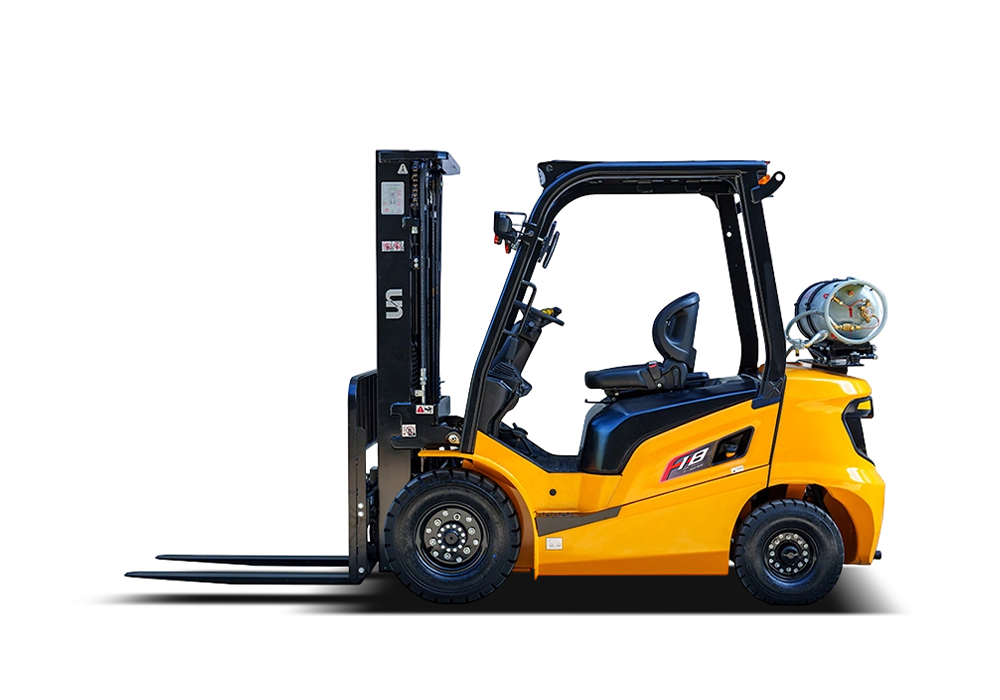
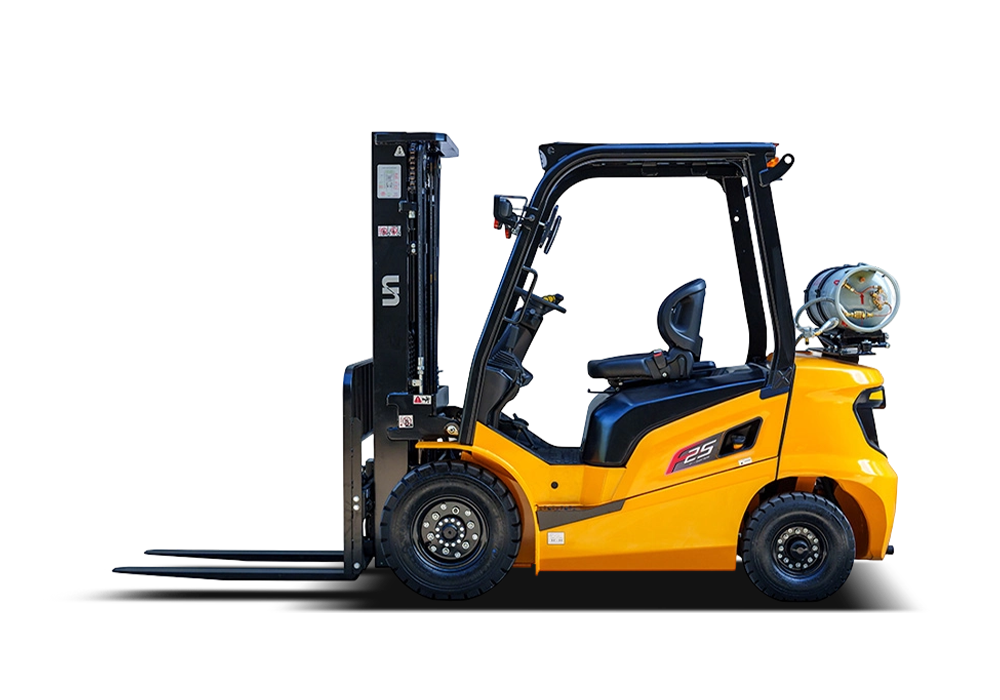
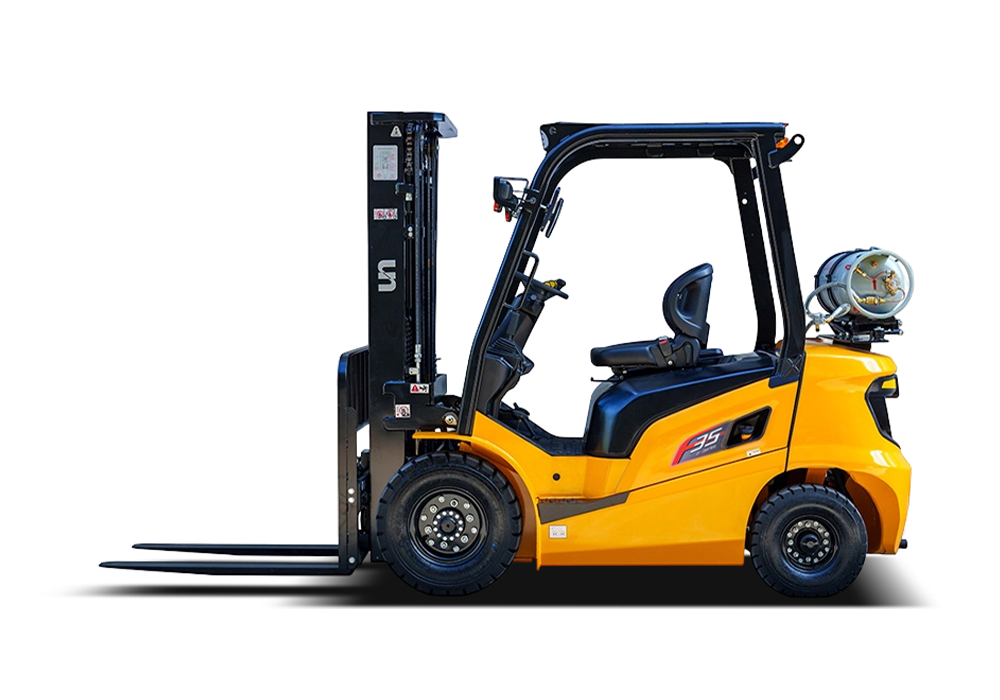
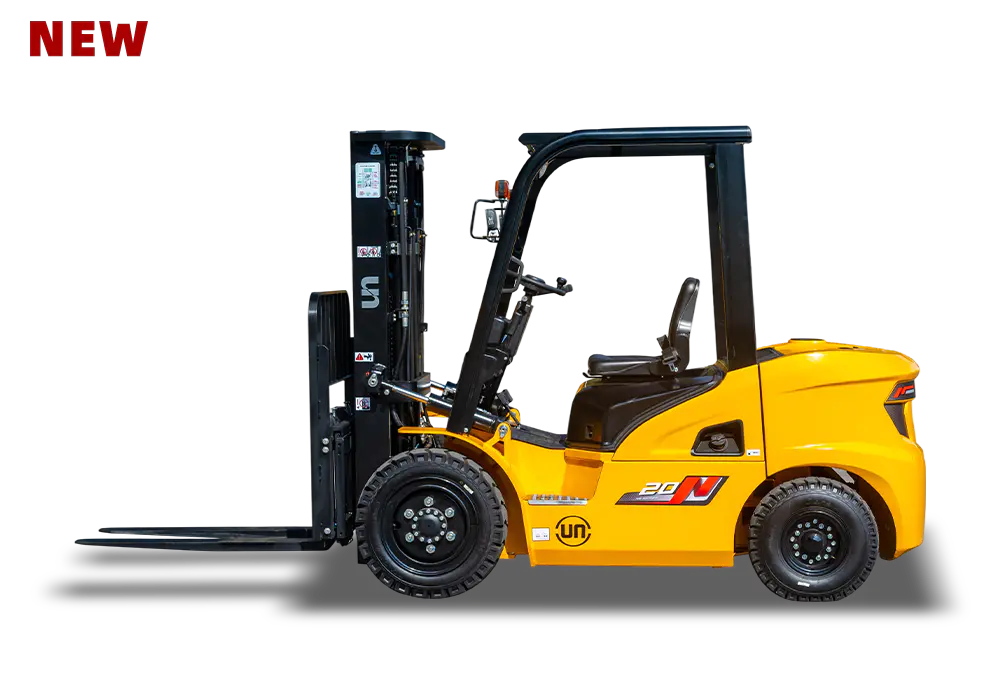
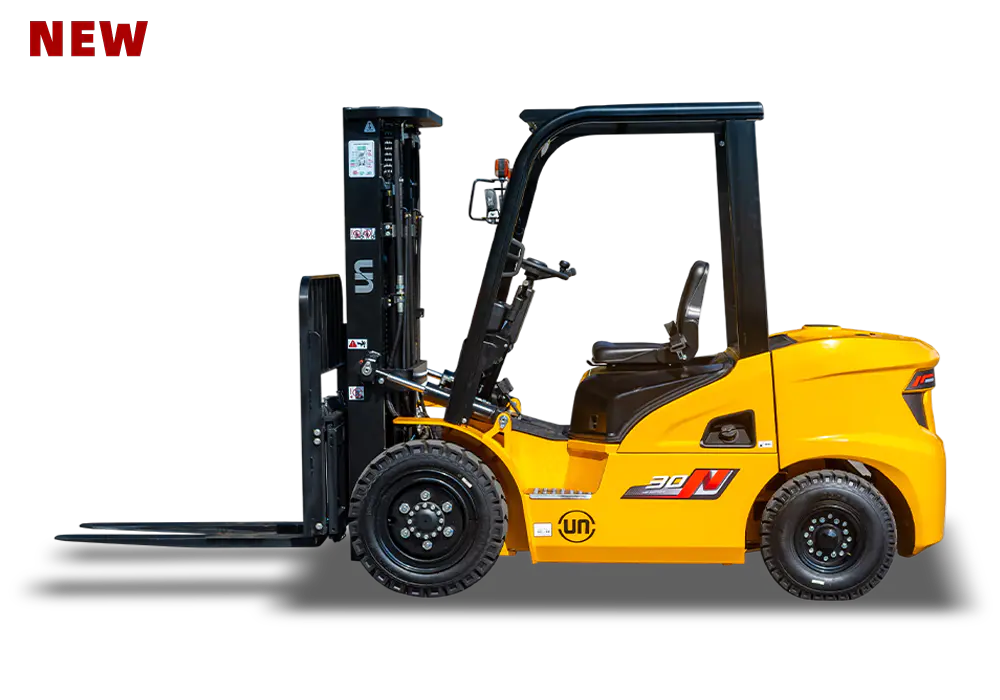
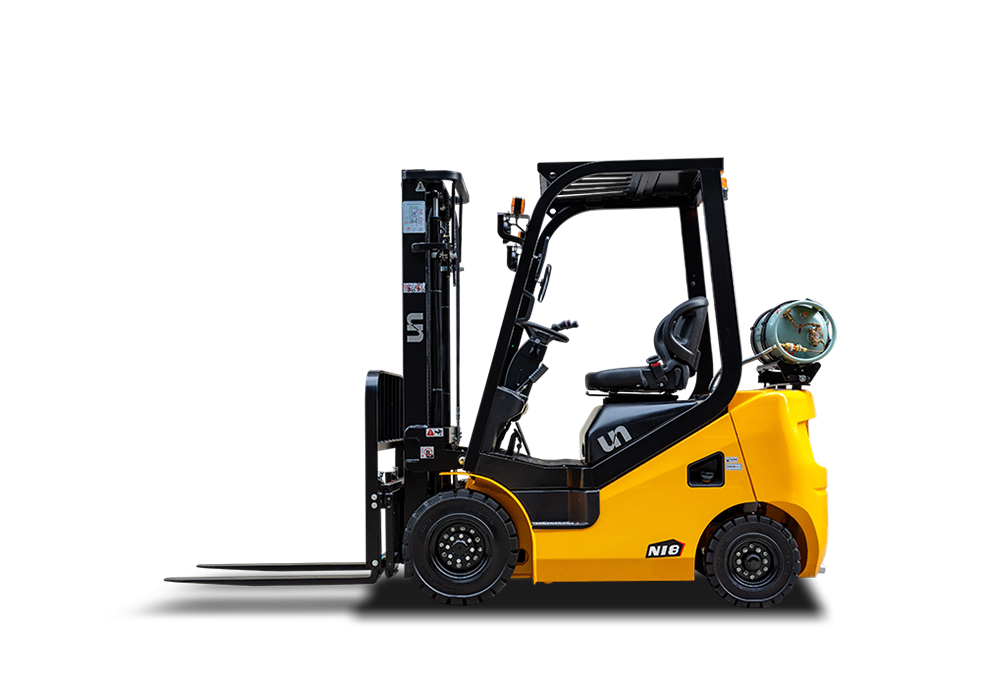
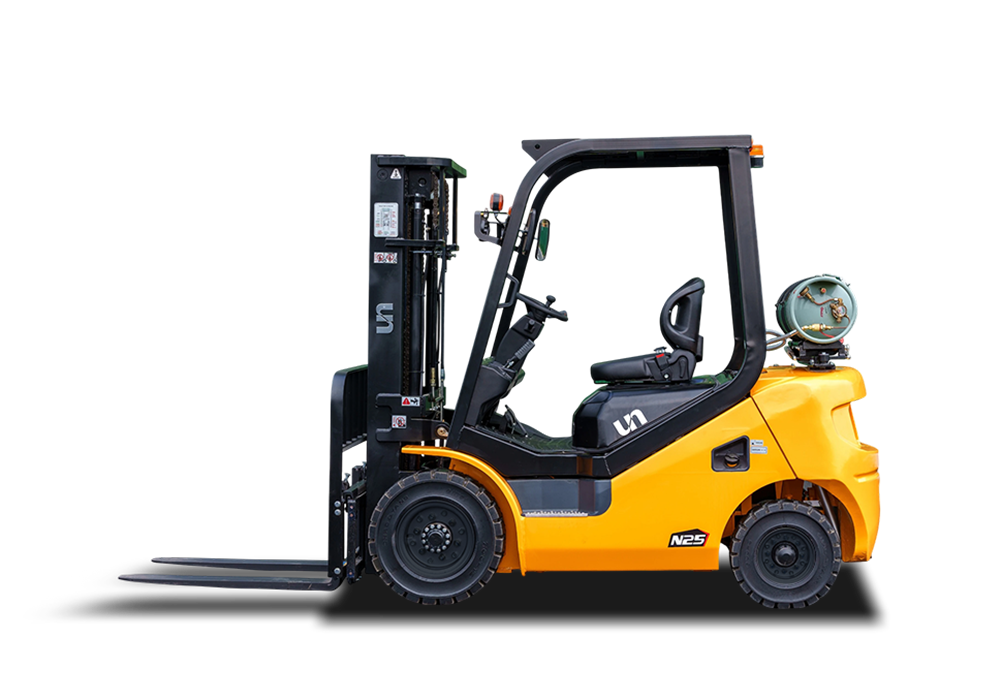
Stability and Anti-Tipping Performance of Heavy Duty Forklifts
Introduction to Heavy Duty Forklift Stability
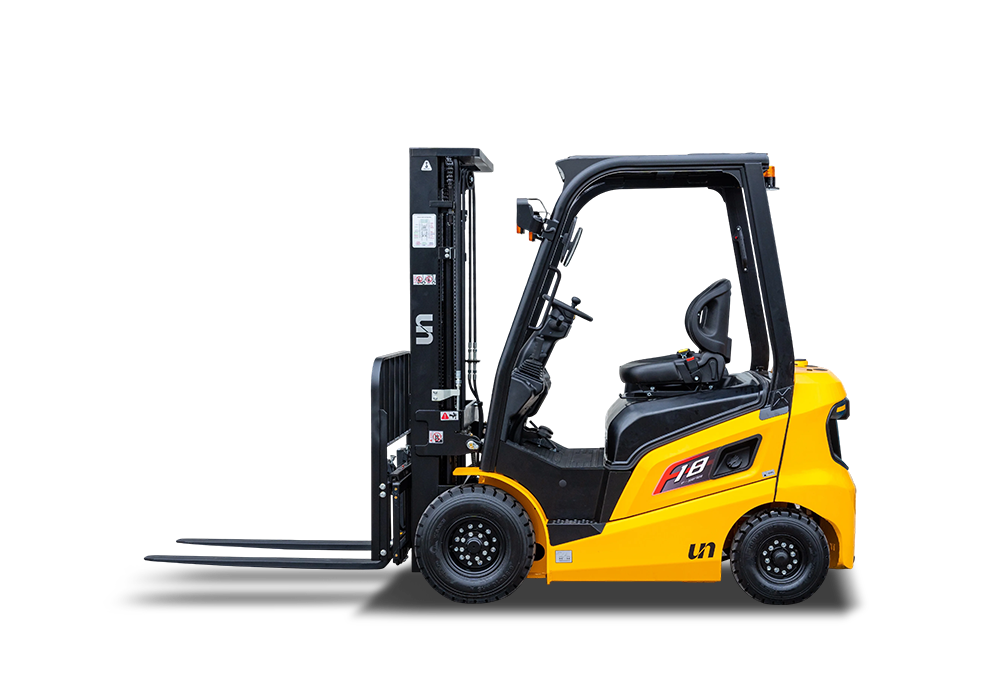
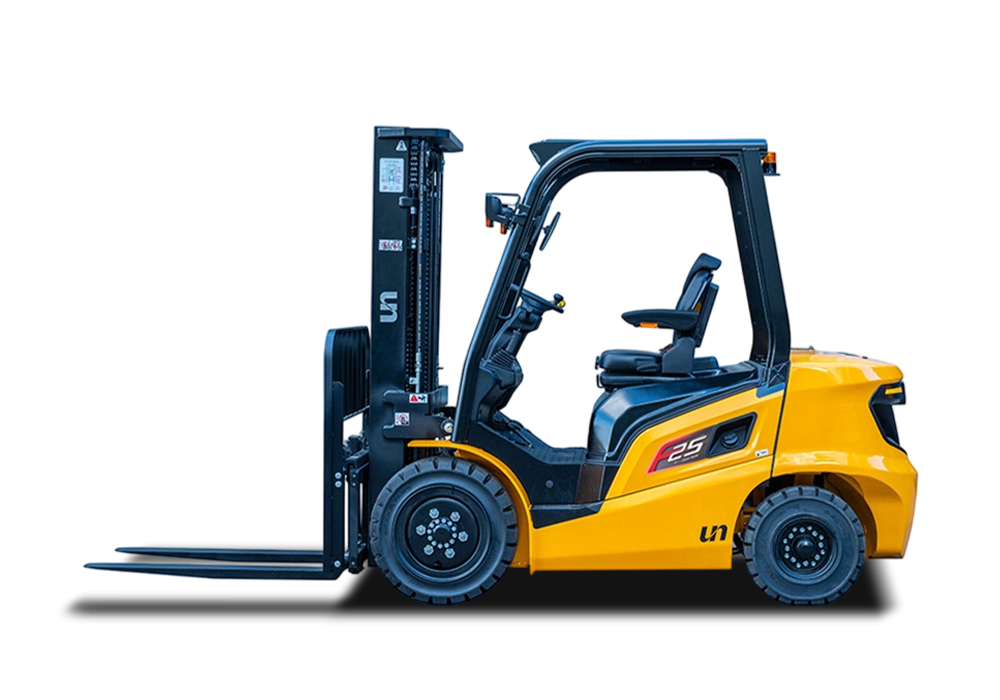
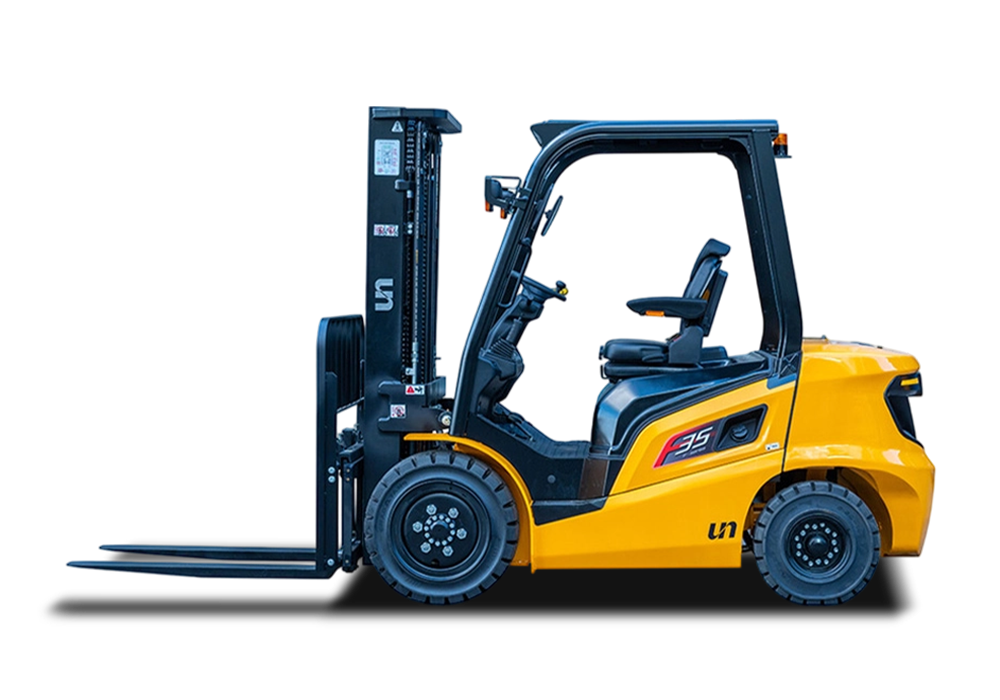
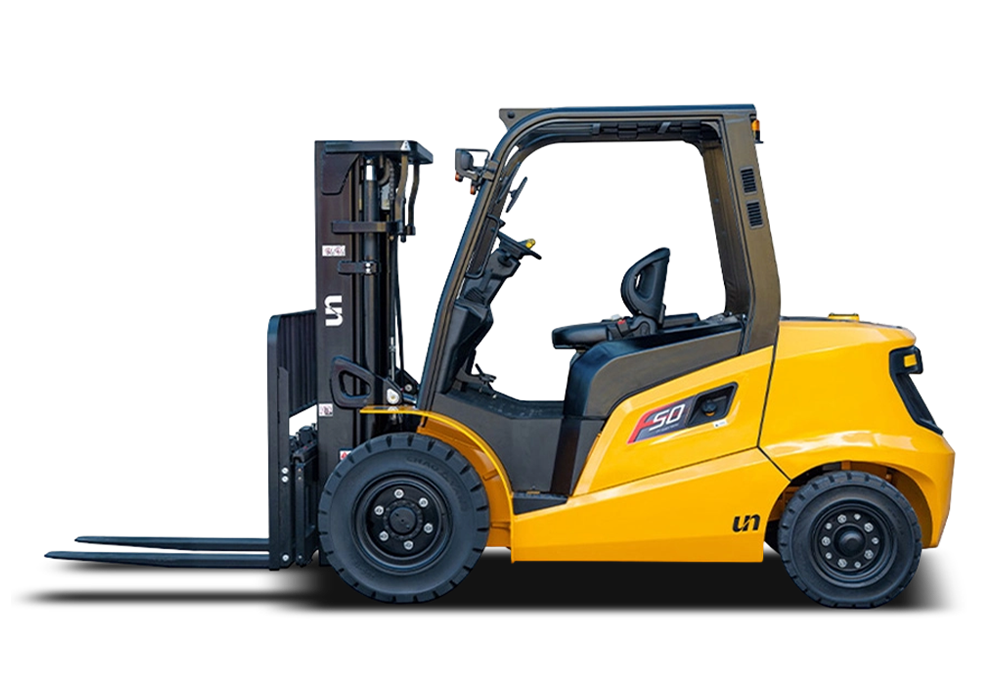
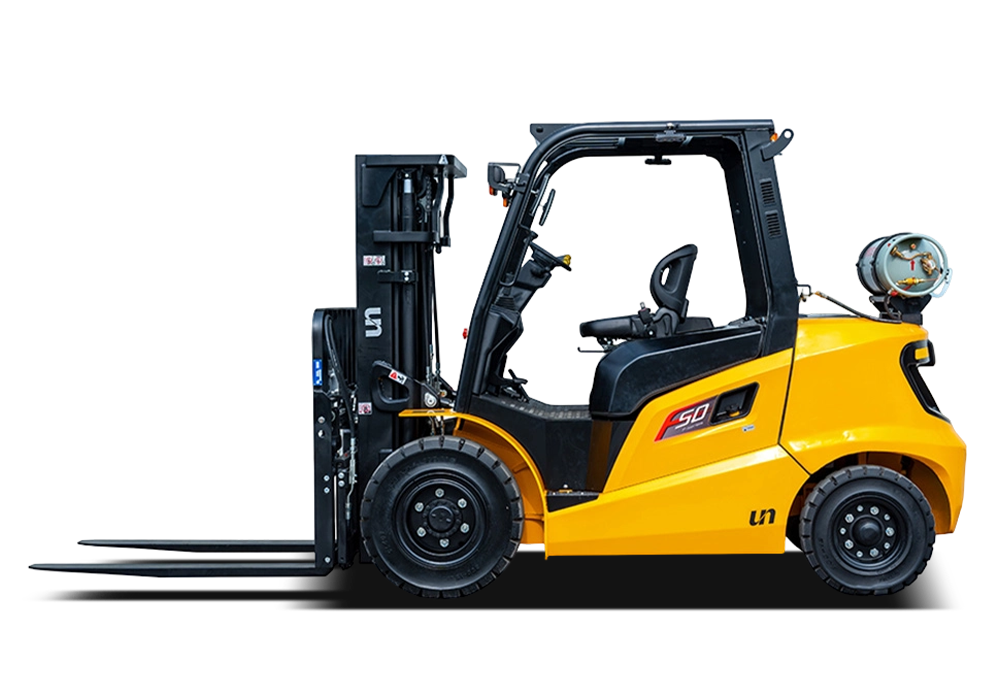
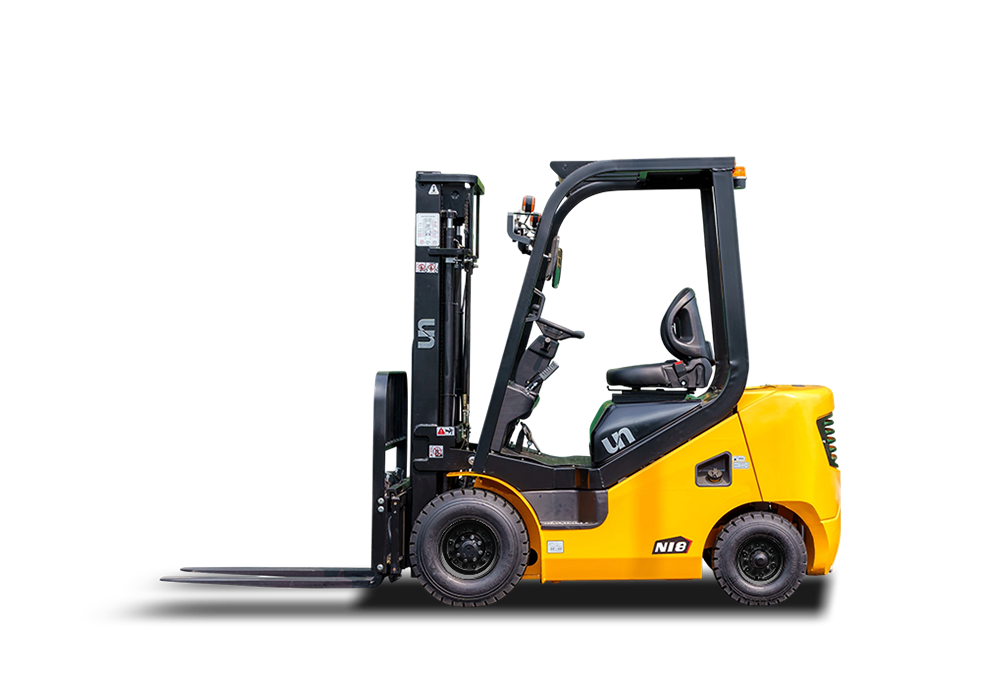
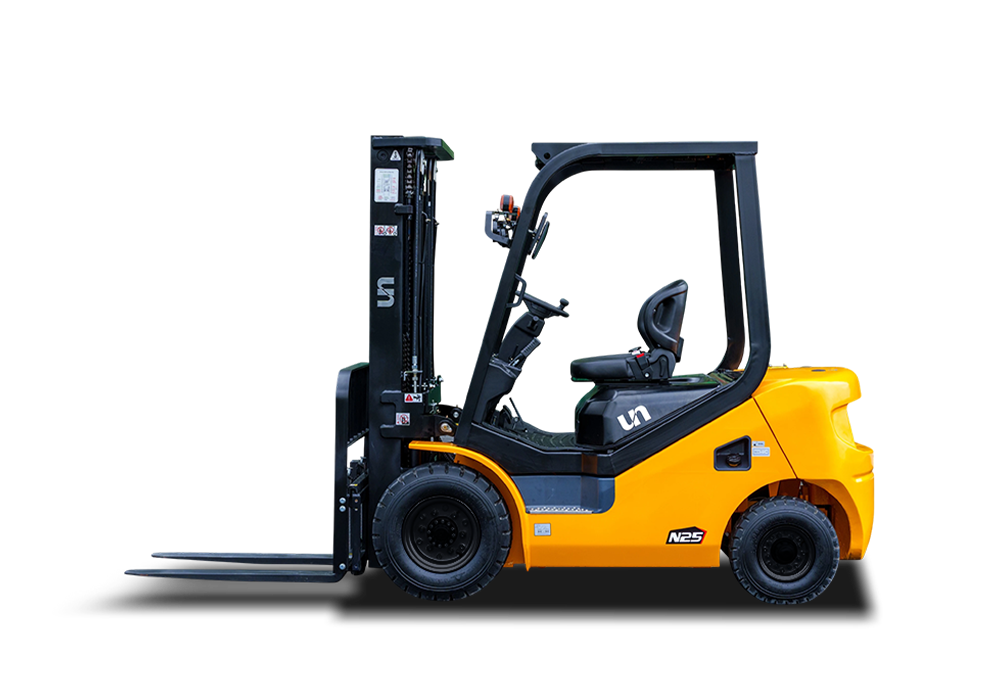
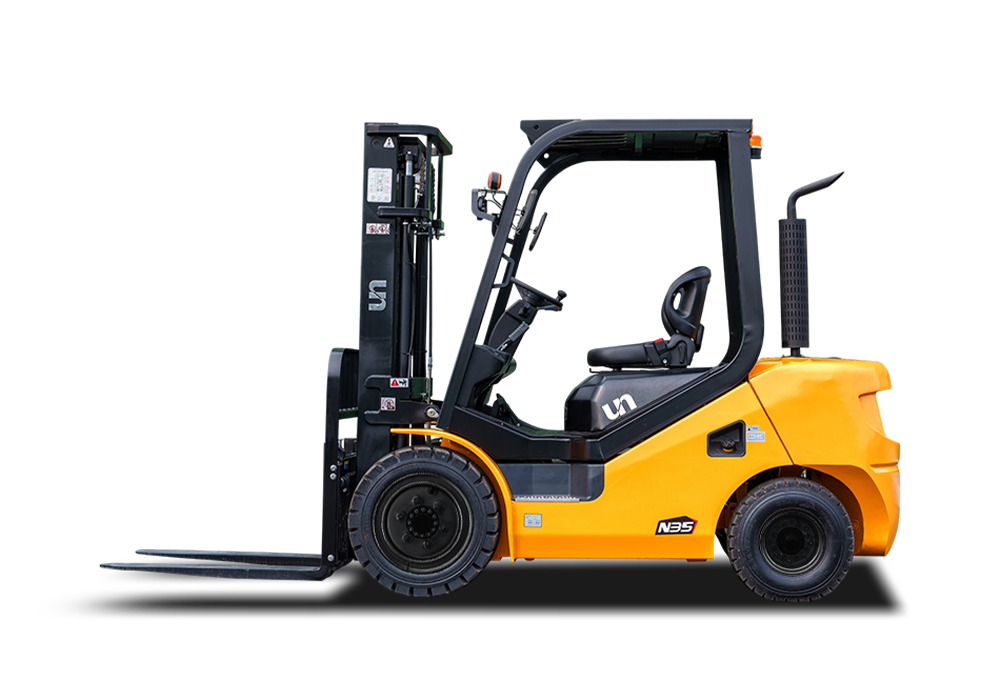
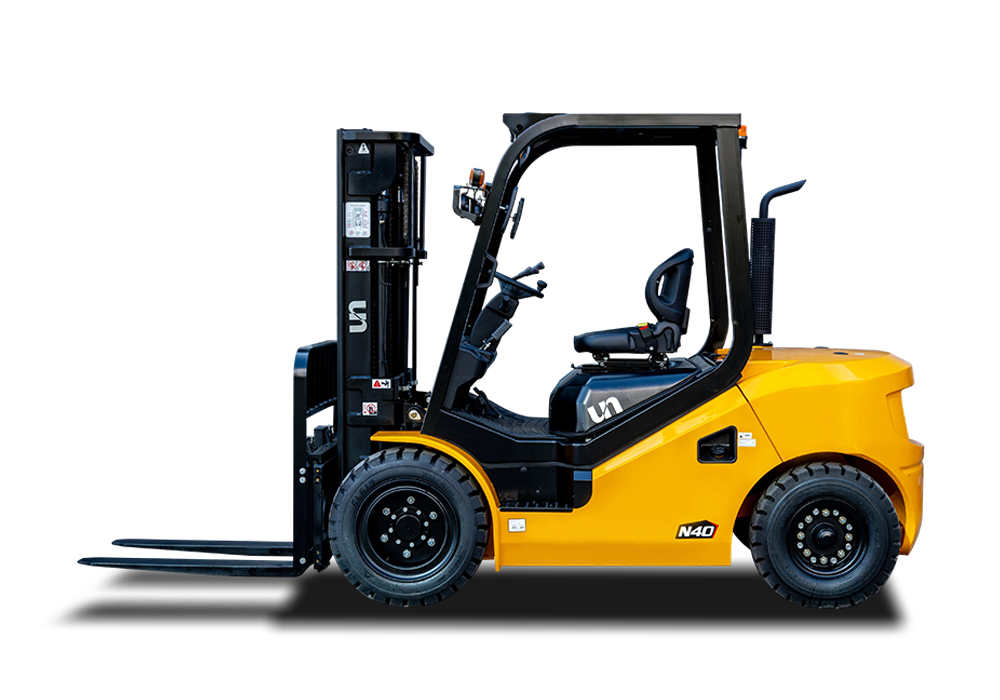
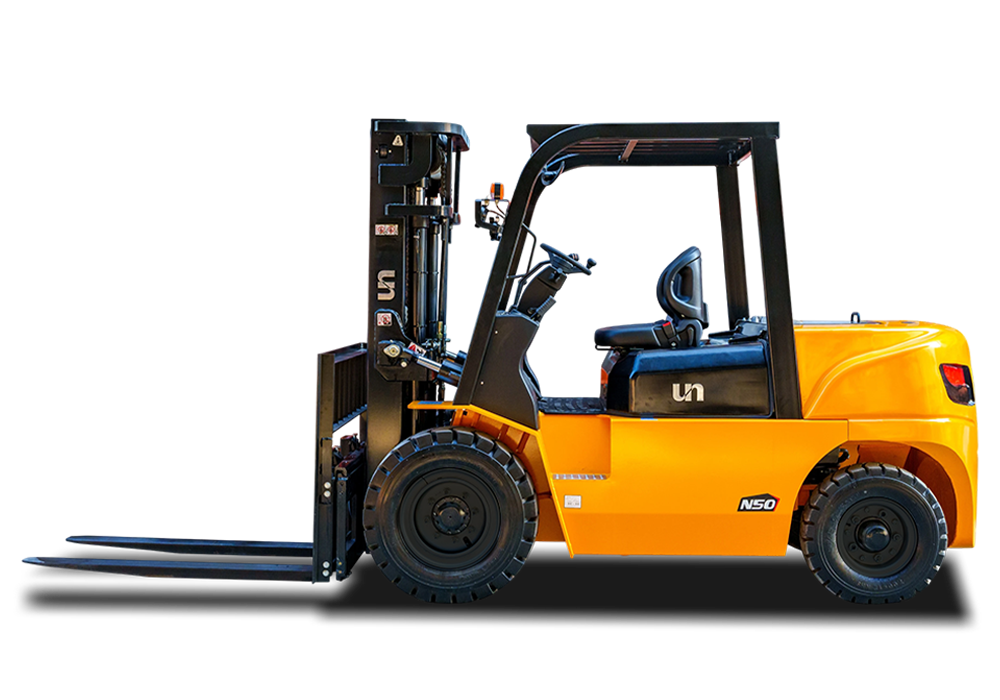
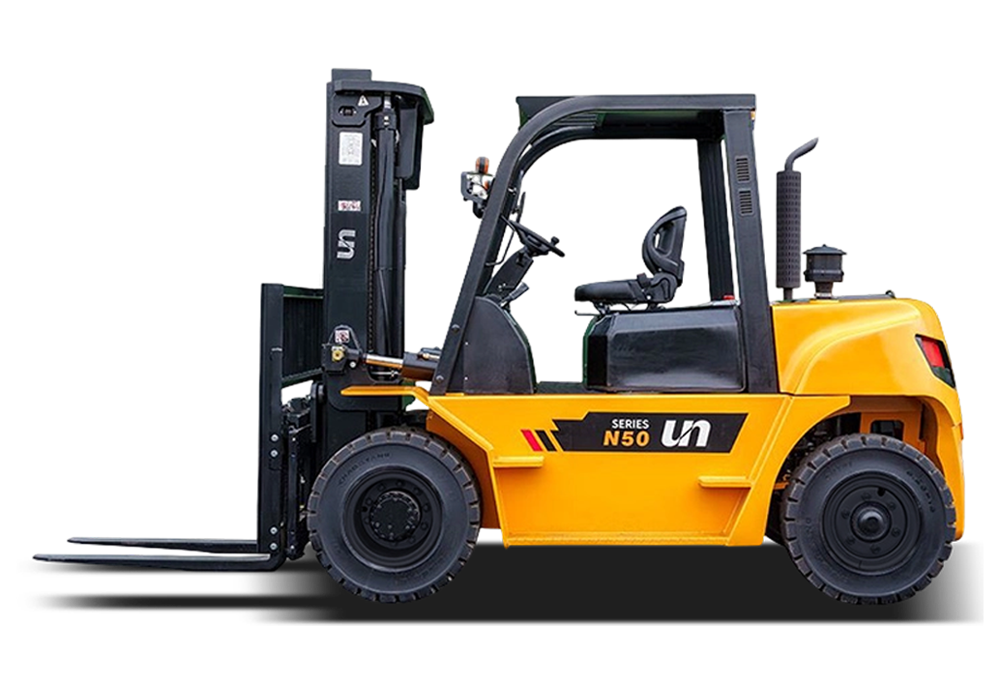
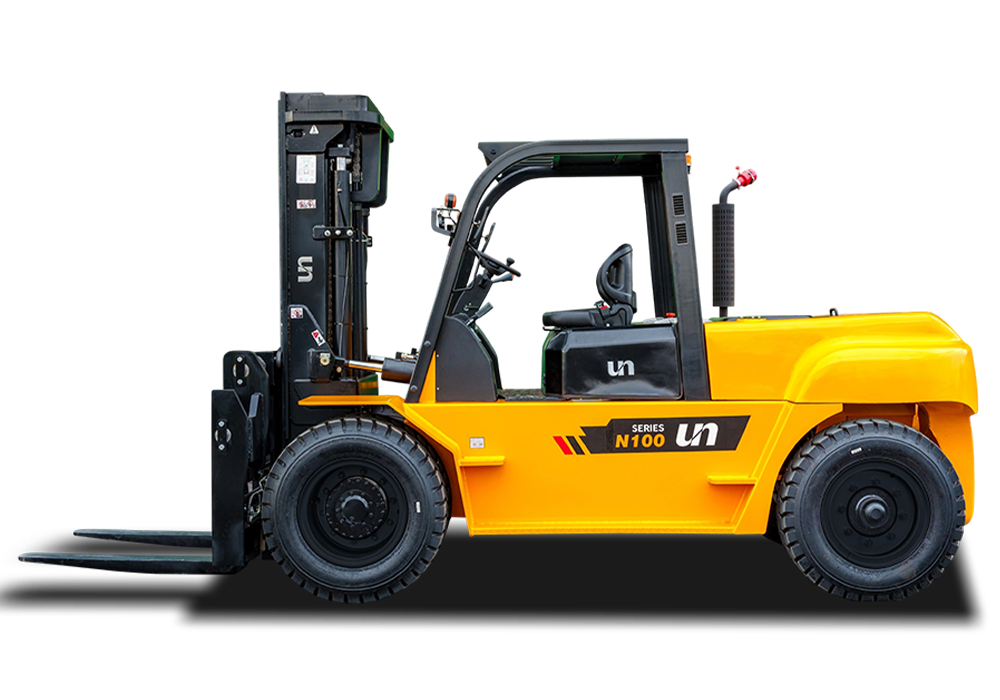
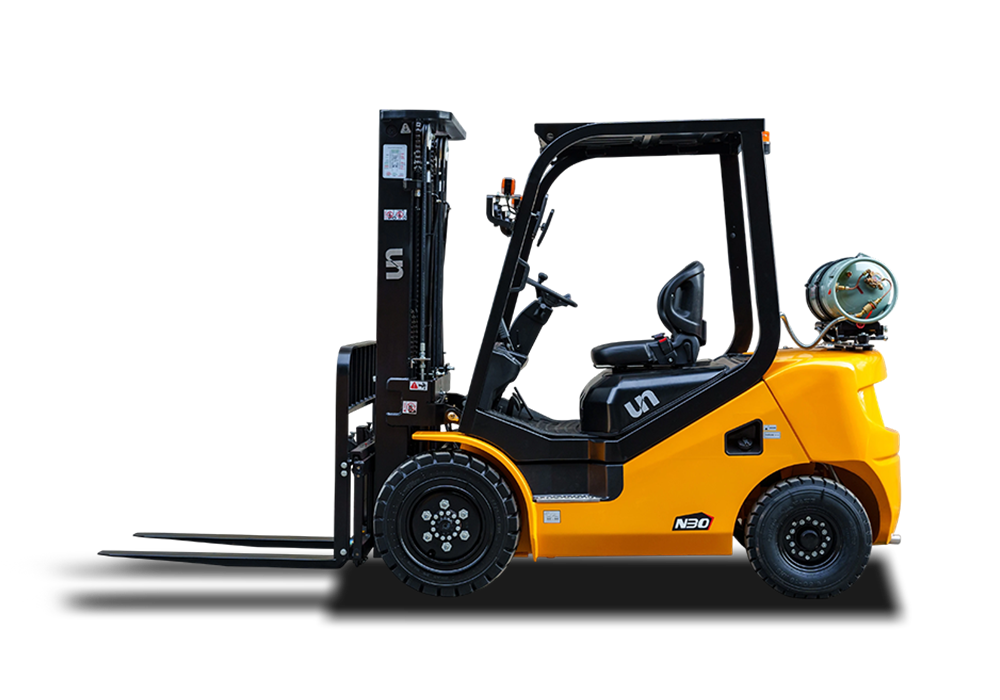
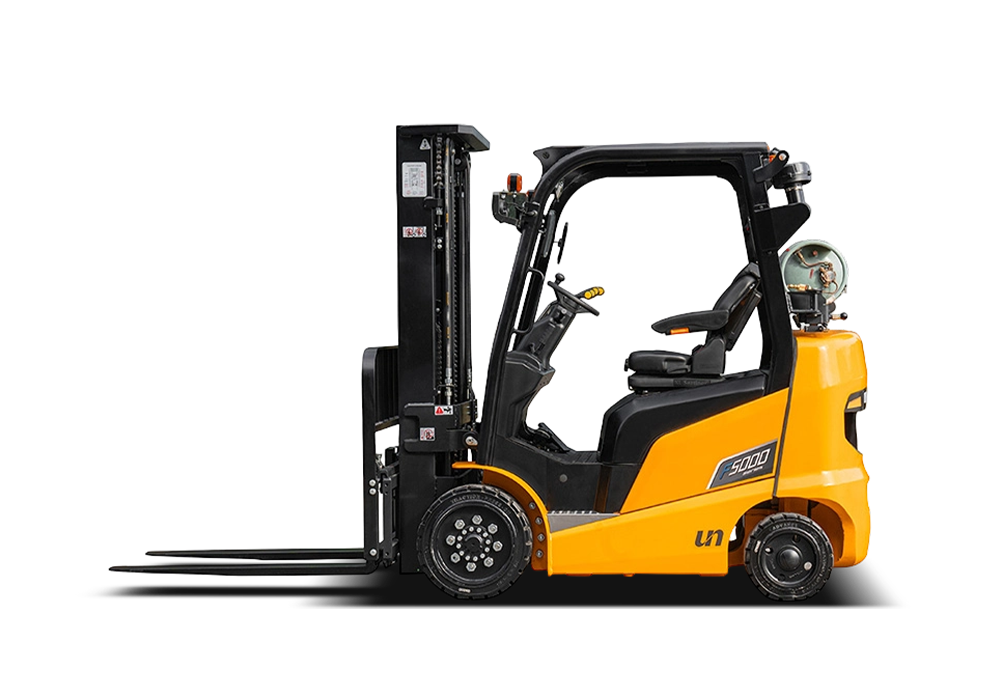
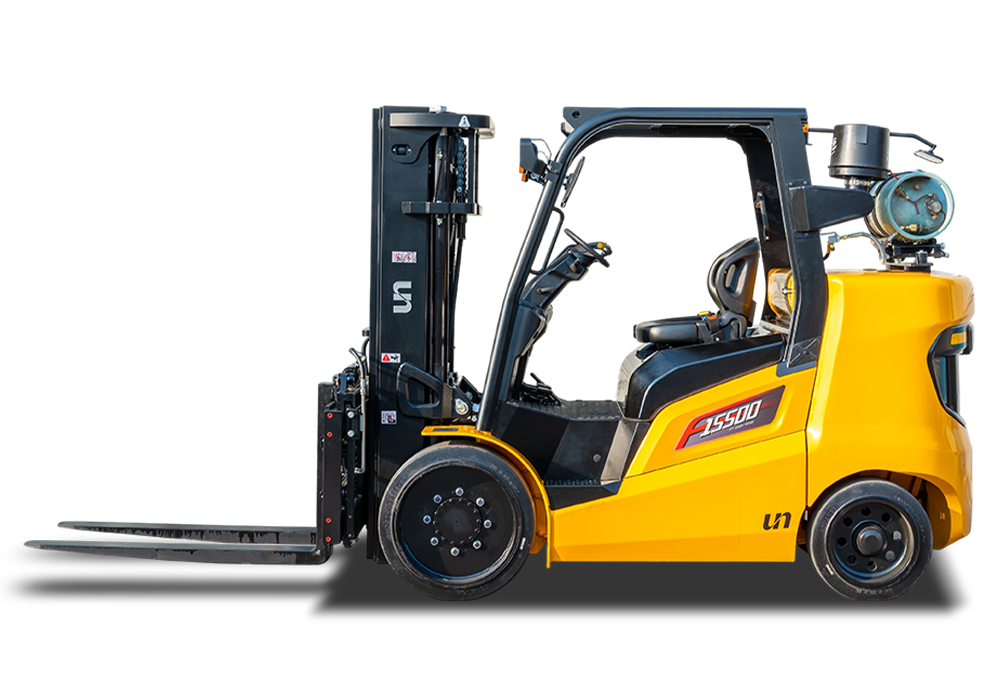
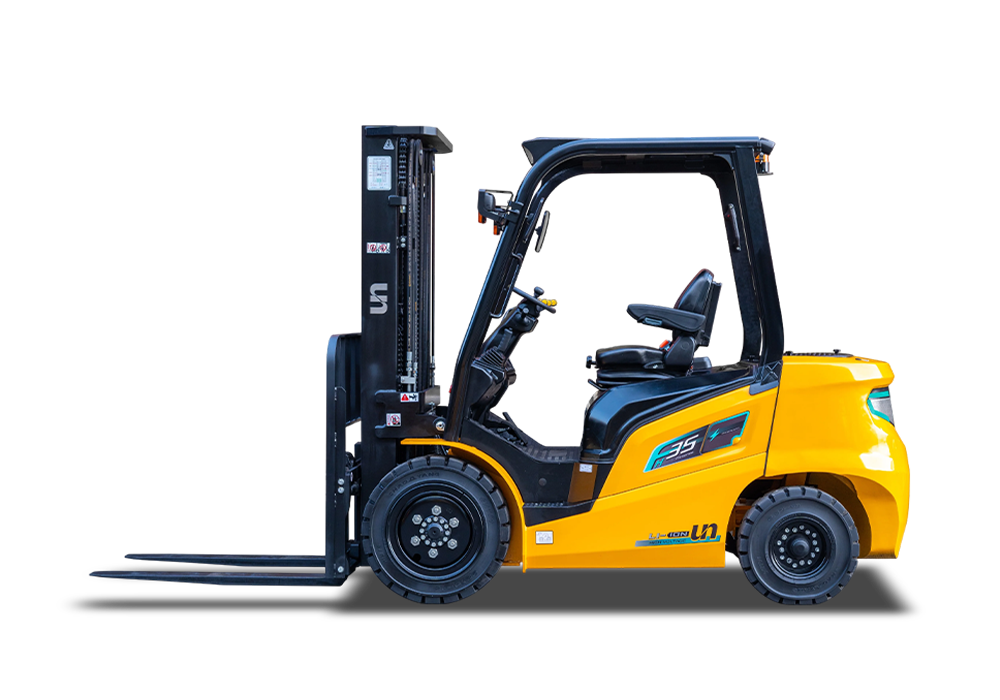
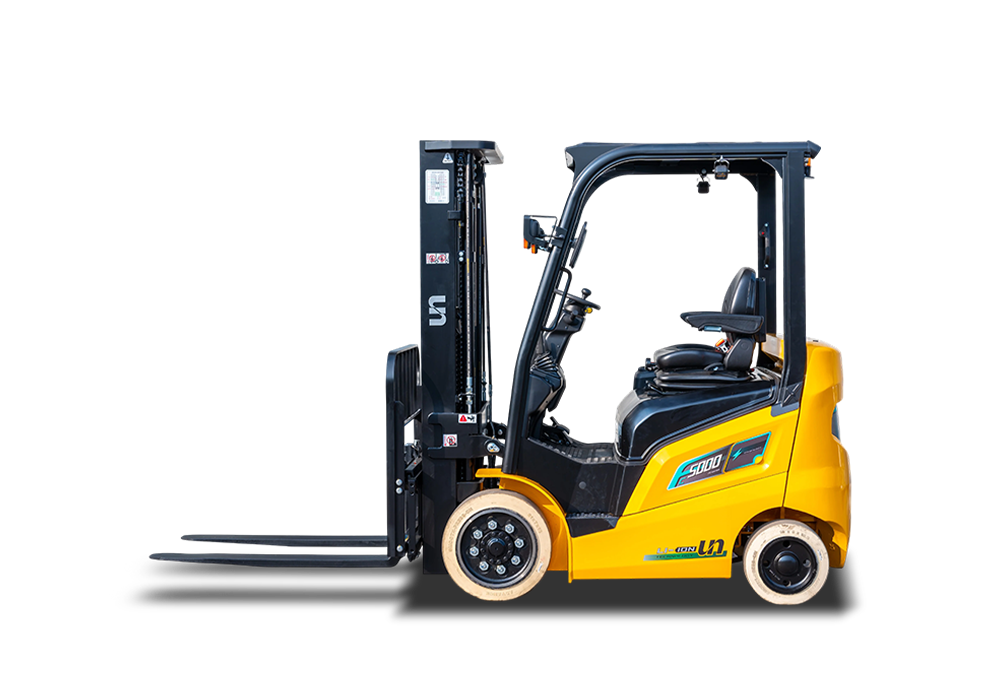
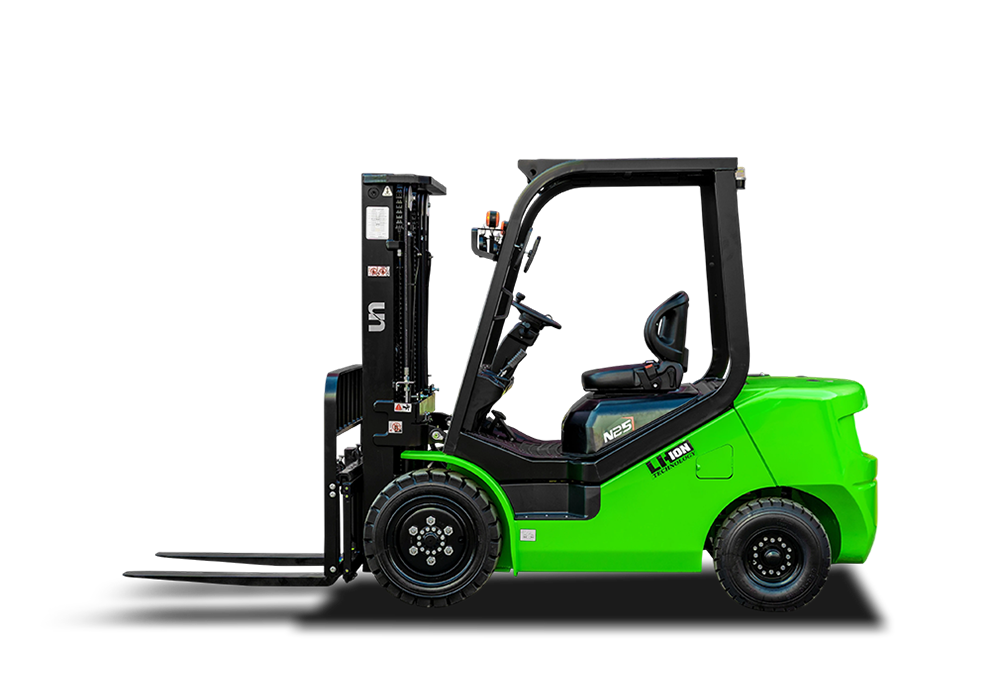
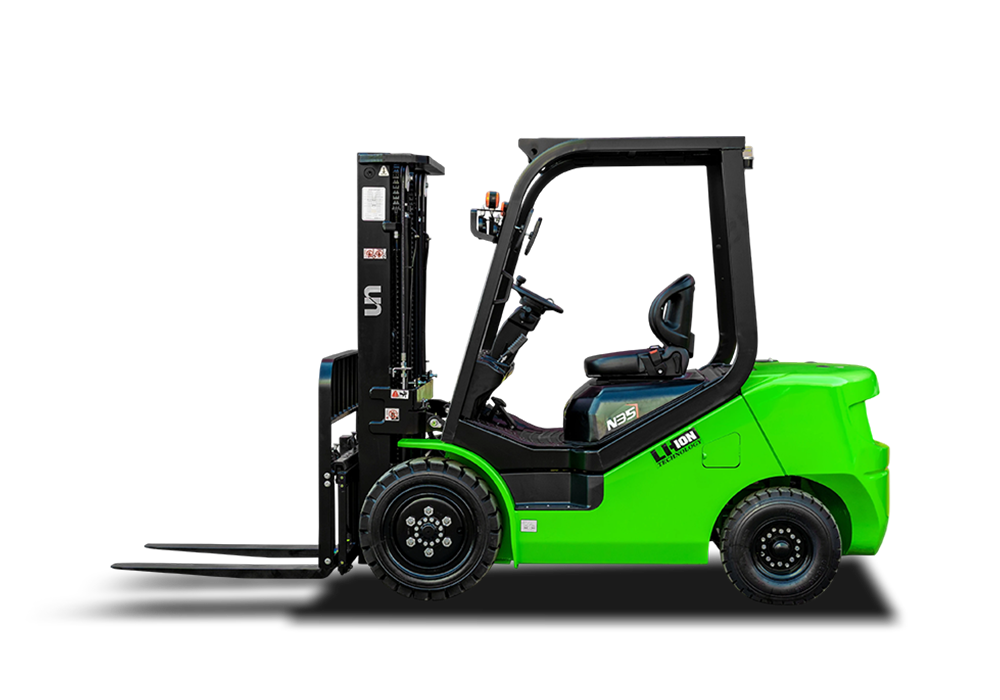
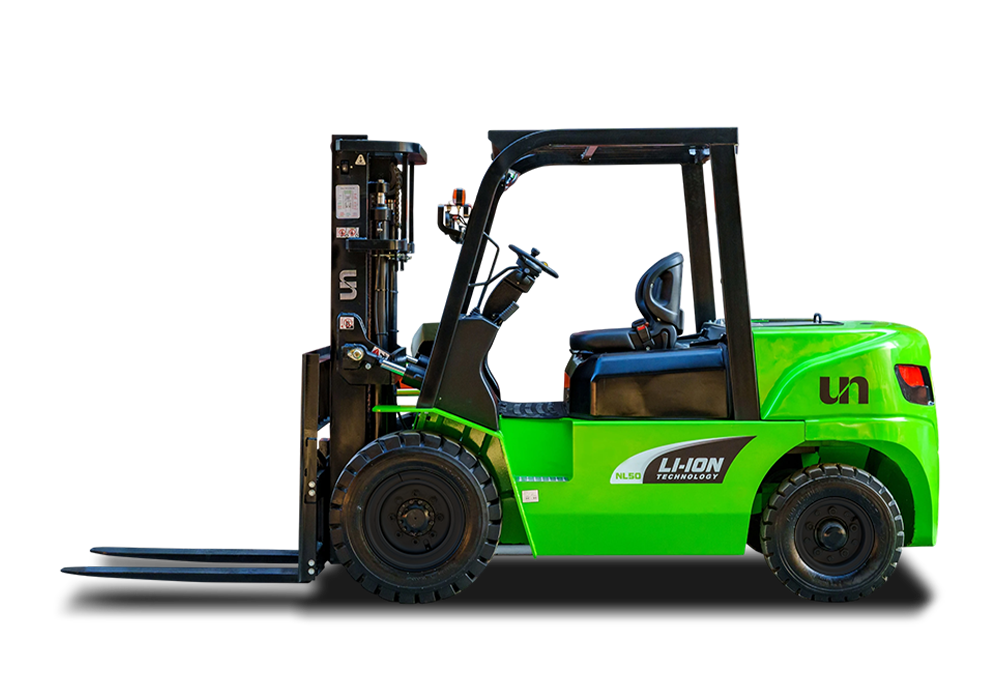
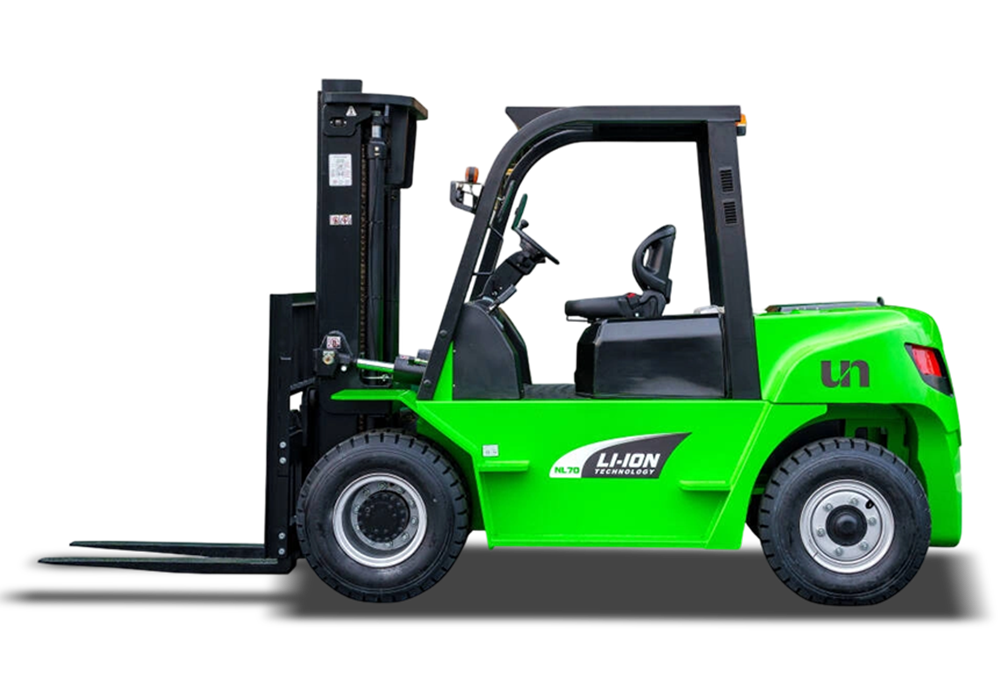
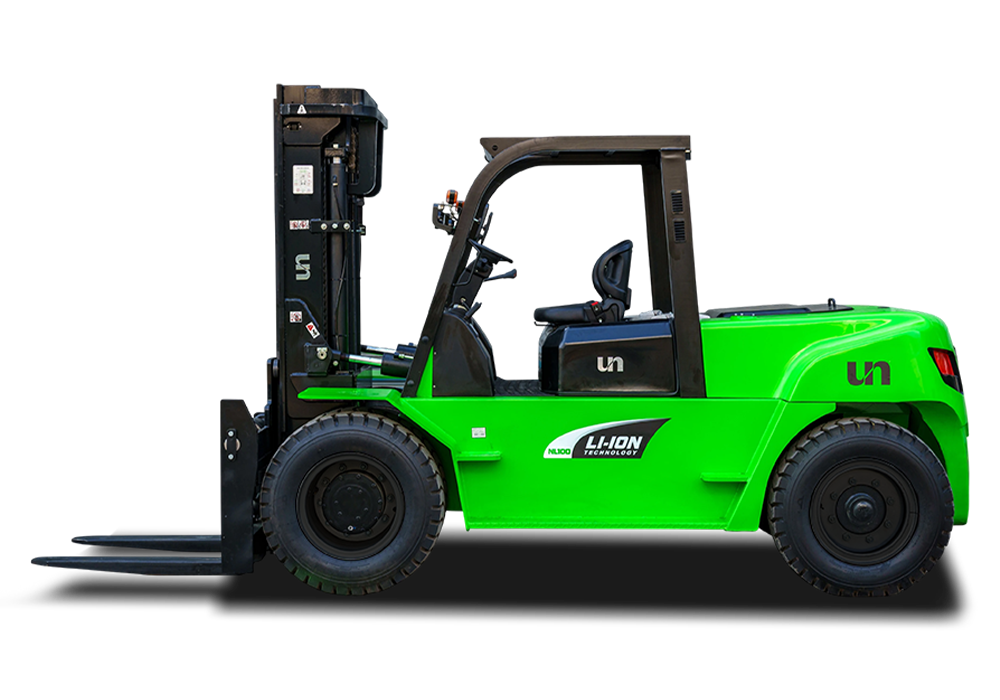
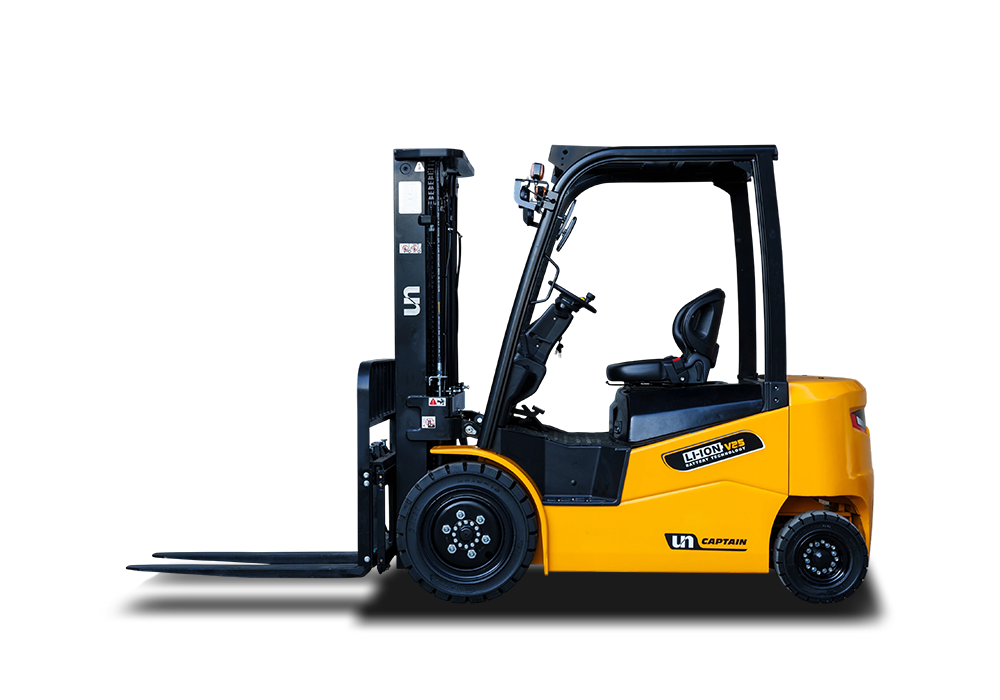
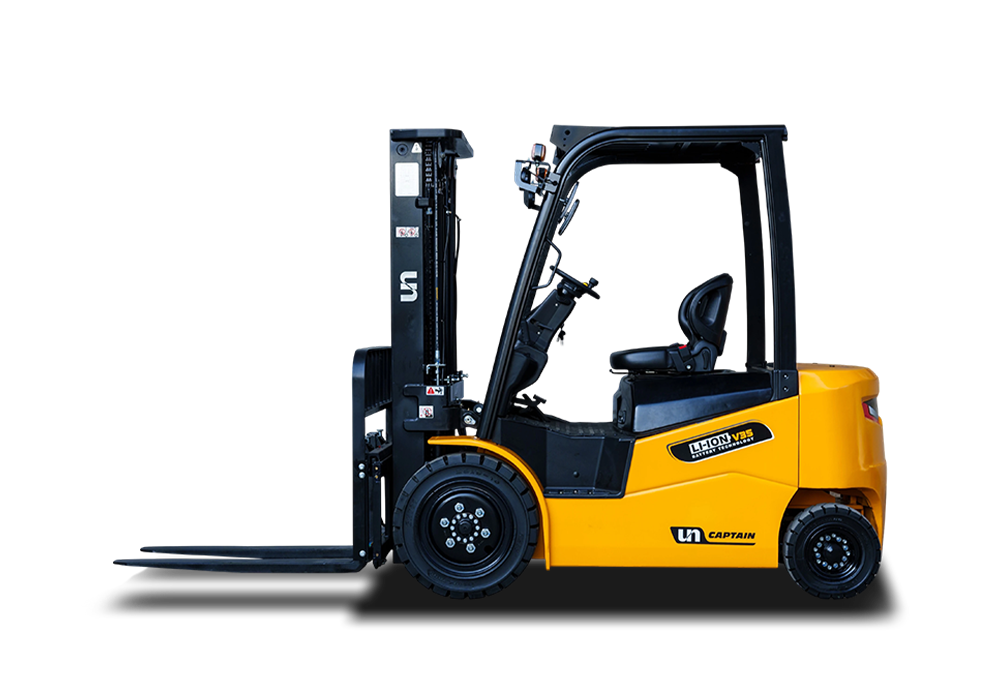
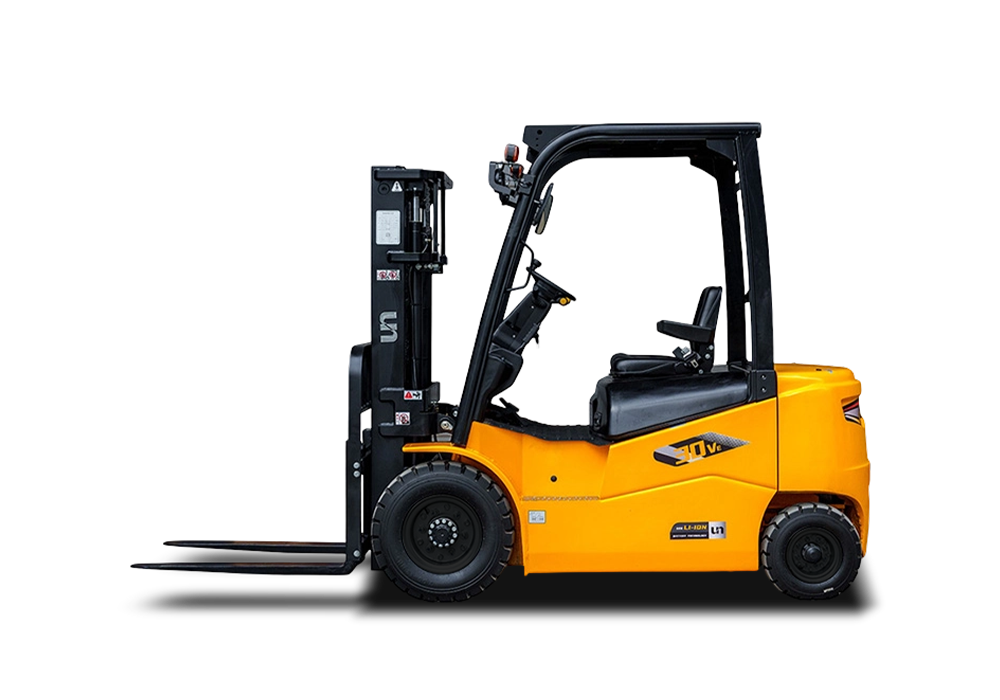
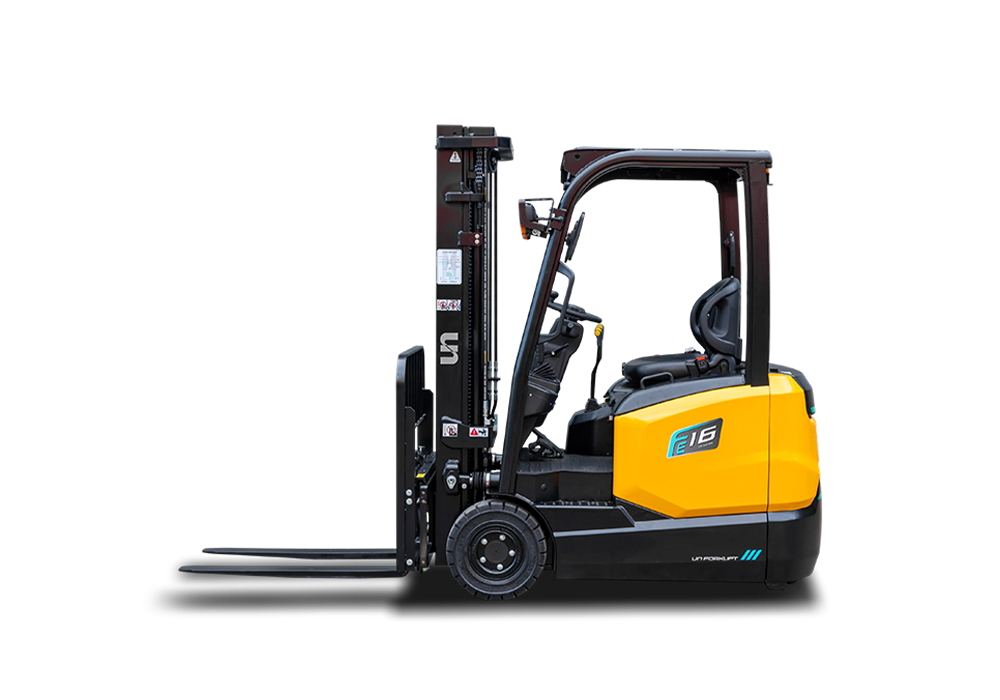
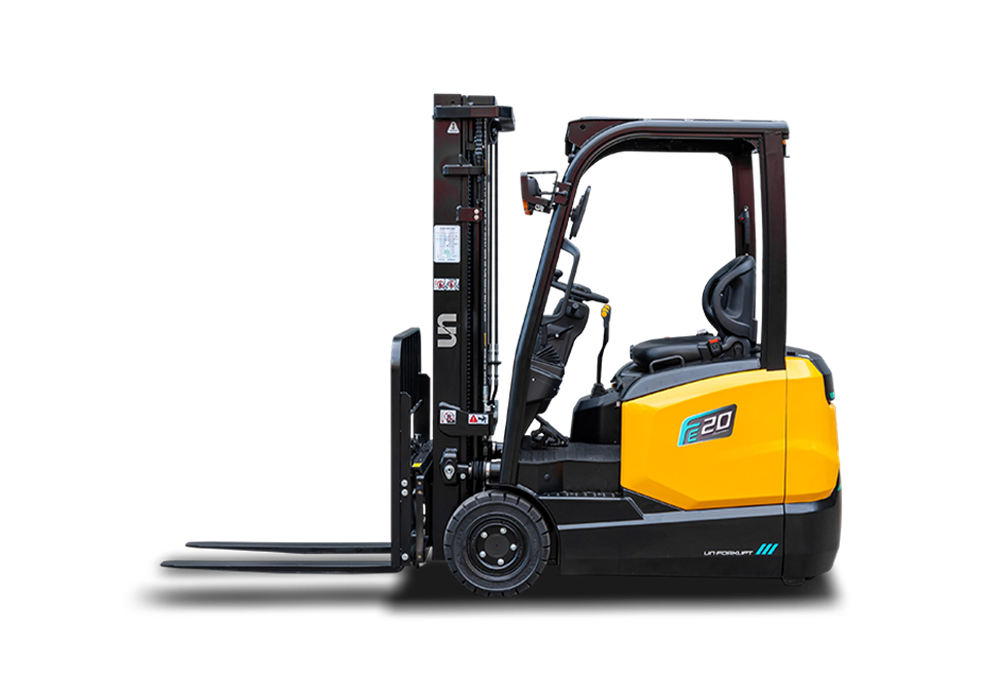
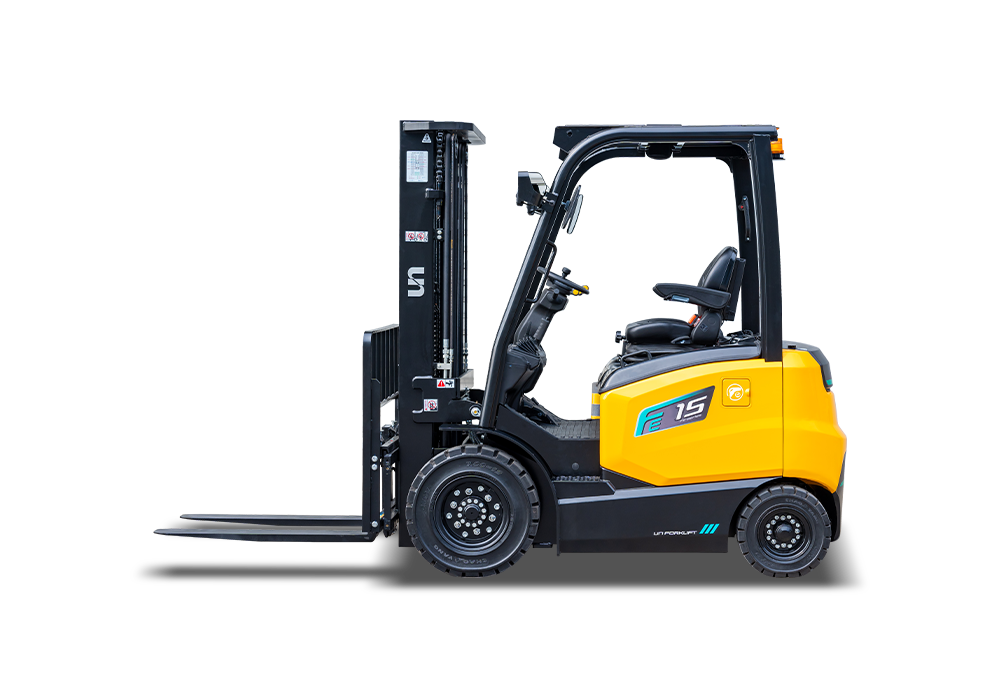
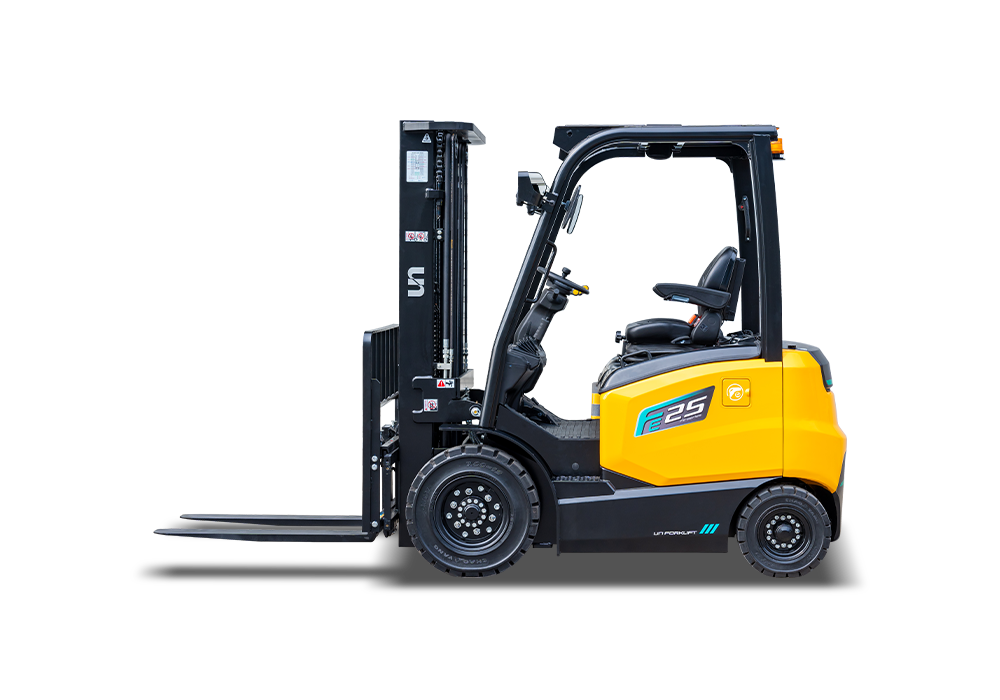
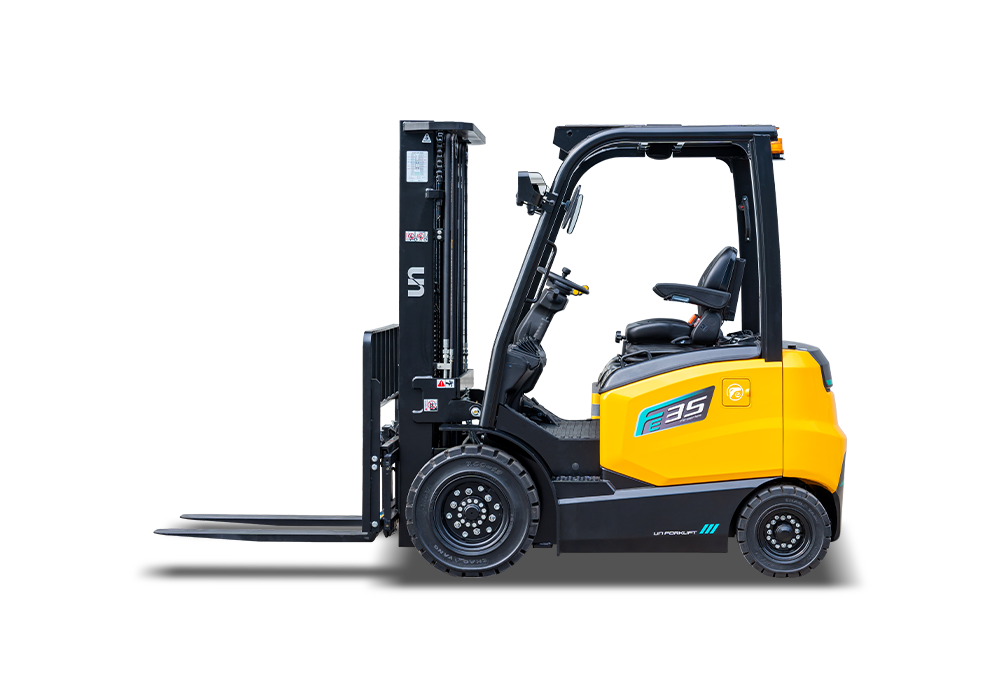
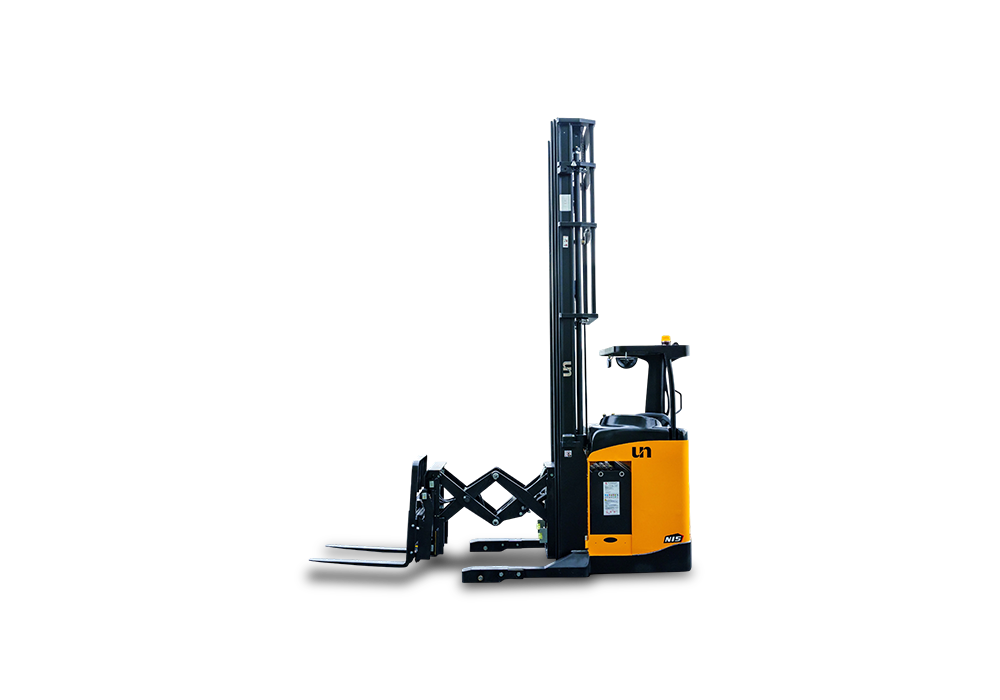
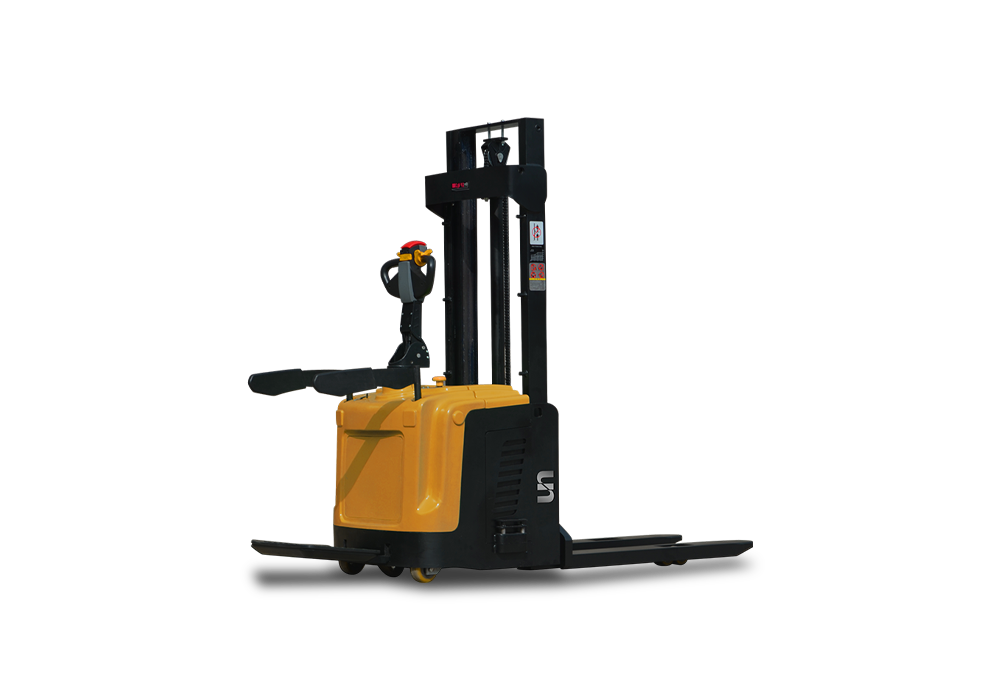
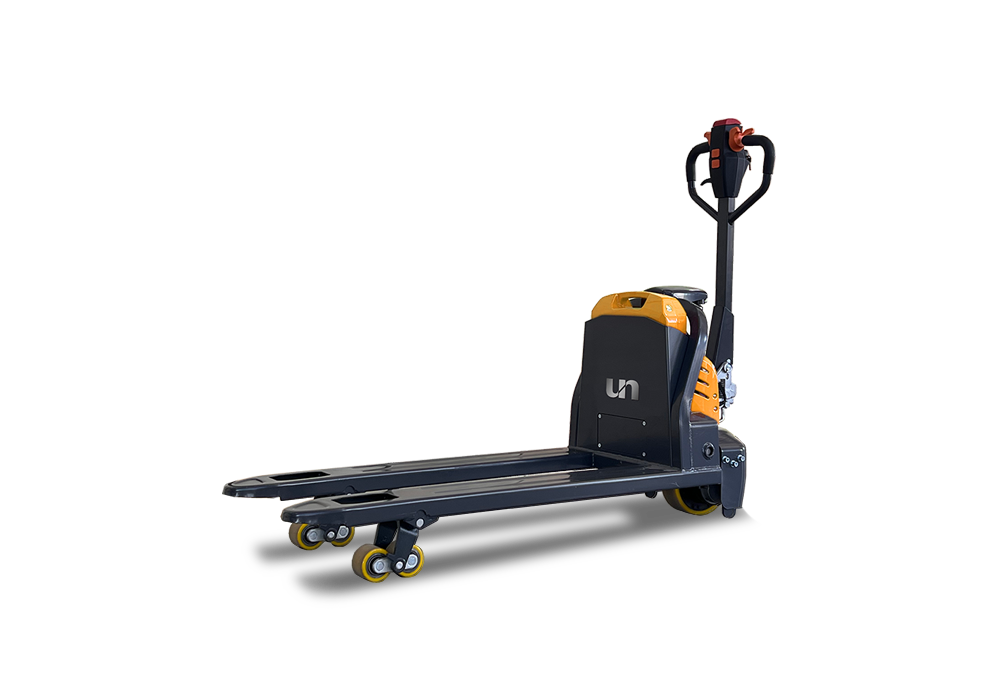
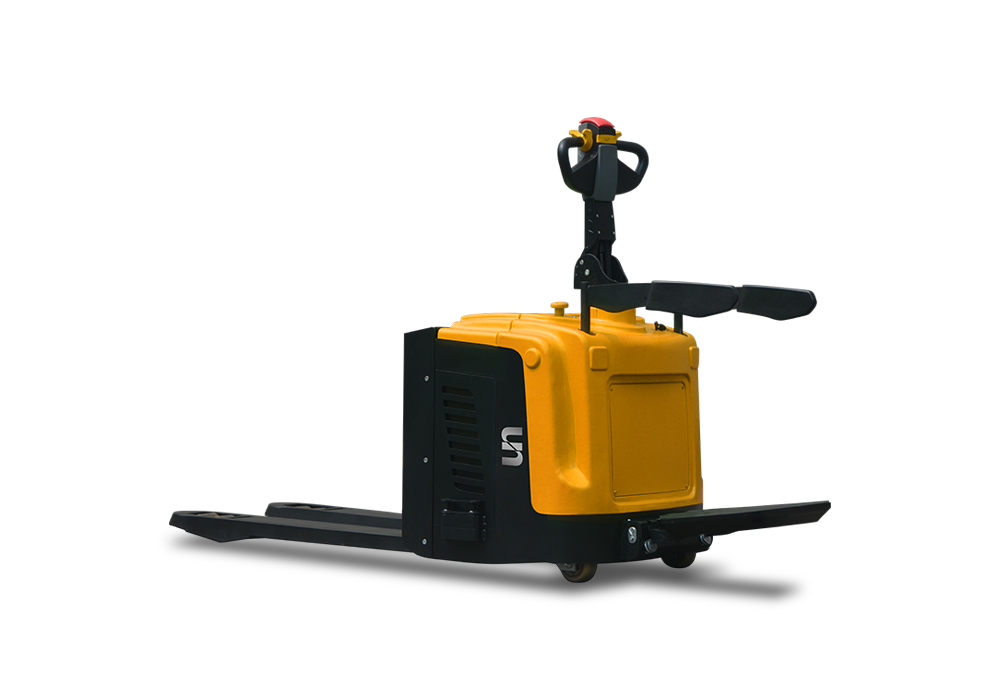
Heavy duty forklifts are critical for moving large loads in industrial, warehouse, and construction environments. Zhejiang UN Forklift Co., Ltd., with decades of experience in R&D and manufacturing, designs heavy duty forklifts with a focus on energy saving, environmental protection, high efficiency, and safety. Stability and anti-tipping performance are key safety factors, particularly when handling full-load operations in dynamic working conditions.
Factors Affecting Stability
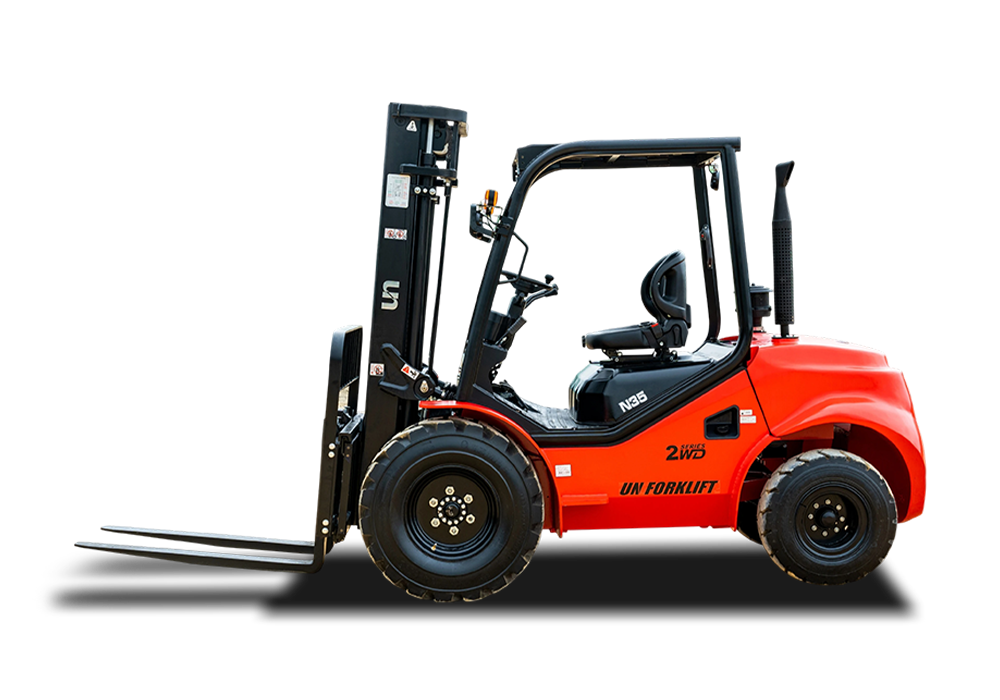
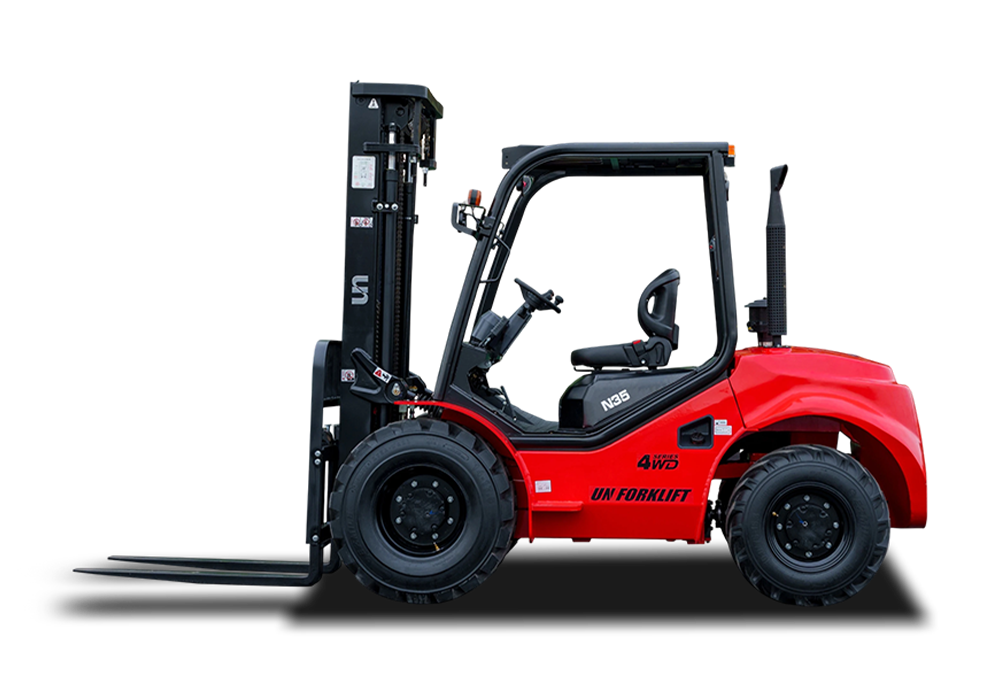
The stability of a heavy duty forklift is influenced by its center of gravity, load distribution, wheelbase, and mast position. UN Forklift engineers carefully design the chassis and counterweight to lower the center of gravity, ensuring that the forklift remains balanced even under maximum load. Proper load positioning on the forks is essential to maintain equilibrium and prevent tipping during lifting and traveling.
Anti-Tipping Features
UN Forklift heavy duty forklifts incorporate multiple anti-tipping measures. These include a wide wheelbase, low center of gravity, and reinforced mast structures. Hydraulic systems are calibrated to allow controlled lifting and lowering, minimizing sudden shifts in weight that could destabilize the machine. Additionally, stability-enhancing mechanisms, such as load-sensing and tilt-limit features, help operators maintain safe handling even on uneven surfaces.
Operator Control and Safety Systems
Operator proficiency is integral to stability management. Heavy duty forklifts are equipped with intuitive controls that allow precise maneuvering and smooth load handling. UN Forklift also integrates safety systems like speed limiters, automatic tilt correction, and warning indicators that alert operators to unsafe angles or excessive load displacement, reducing the risk of tipping incidents.
Impact of Load Distribution
Correct load distribution is essential for maintaining stability. Heavy duty forklifts must carry loads evenly across the forks, with heavier items positioned closer to the mast. UN Forklift provides guidance on load placement to optimize stability, ensuring that the forklift performs reliably even when handling bulky or high-density materials.
Environmental Considerations
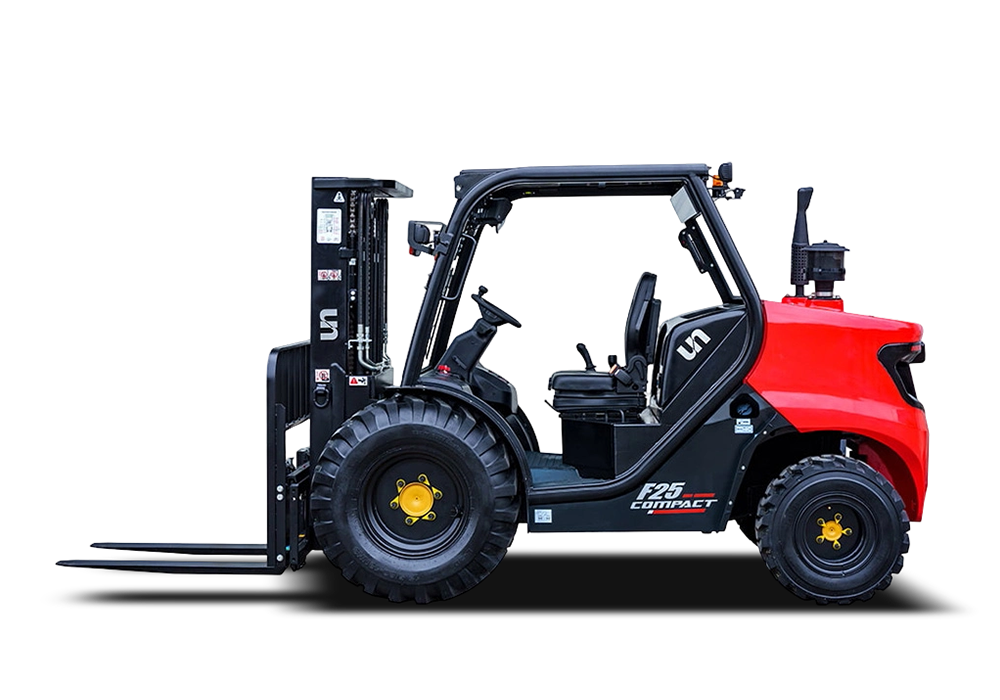
Working surfaces also affect anti-tipping performance. Sloped, uneven, or slippery floors can increase the risk of tipping. UN Forklift heavy duty forklifts are designed with durable tires and suspension systems that absorb surface irregularities, maintaining stability. Operators are trained to adjust speed and steering based on floor conditions to enhance safety.
Maintenance and Reliability
Regular maintenance is vital for stability and anti-tipping performance. Critical components such as wheel assemblies, hydraulic cylinders, mast guides, and counterweights must be inspected and serviced routinely. UN Forklift provides a global service network across Europe, North America, South America, Africa, and Asia, offering support to ensure that heavy duty forklifts remain operationally safe and stable.
| Component | Function | Maintenance Considerations |
| Counterweight | Balances load to prevent tipping | Inspect for cracks, ensure secure mounting |
| Hydraulic Lift System | Controls smooth lifting and lowering of loads | Check for leaks, maintain fluid levels, verify cylinder operation |
| Wheelbase and Tires | Provide stability and traction | Monitor tire wear, ensure proper inflation, check alignment |
| Mast and Tilt Mechanism | Maintains load angle and prevents excessive forward tilt | Inspect mast rails, lubricate moving parts, test tilt limits |
Conclusion on Operational Safety
Heavy duty forklifts from UN Forklift are designed to maintain stability and resist tipping even under full-load conditions. Through careful engineering, operator training, and regular maintenance, these machines provide safe, efficient, and reliable performance in demanding industrial environments. By combining mechanical stability with integrated safety systems, operators can handle heavy materials confidently while minimizing operational risks.
FAQ
Q: How does a heavy duty forklift maintain stability under full-load operations?
A: UN Forklift designs heavy duty forklifts with a low center of gravity, wide wheelbase, and optimized counterweight distribution. These features work together to ensure stability and reduce tipping risk even when handling large or unevenly distributed loads.
Q: What safety systems are integrated into heavy duty forklifts?
A: Heavy duty forklifts from UN Forklift include tilt-limit mechanisms, load-sensing features, and operator alerts. These systems help prevent unsafe lifting angles and notify operators of potential hazards during heavy load handling, enhancing operational safety.
Q: How do environmental conditions affect the performance of a heavy duty forklift?
A: Rough, uneven, or inclined surfaces can influence stability and traction. UN Forklift equips its heavy duty forklifts with durable tires, robust suspension, and traction-enhancing systems, enabling reliable operation across a range of industrial and outdoor environments.
Q: What maintenance practices are critical for heavy duty forklift safety?
A: Regular inspection of counterweights, hydraulic systems, mast assemblies, and tires is essential. UN Forklift’s service network provides guidance and spare parts to ensure that heavy duty forklifts remain stable, efficient, and safe during long-term operation.
Q: How does operator training impact the safe use of heavy duty forklifts?
A: Proper training ensures that operators understand load distribution, control handling, and emergency procedures. UN Forklift emphasizes operator education to maximize the effectiveness of built-in safety systems and maintain stability during complex handling tasks.
Q: Can heavy duty forklifts handle a variety of load types without compromising safety?
A: Yes, UN Forklift heavy duty forklifts are engineered to carry different load shapes and sizes. By combining mechanical design with adjustable load handling features, these forklifts maintain balance and stability across diverse material handling scenarios.
Q: How does UN Forklift ensure reliability in high-demand industrial settings?
A: With decades of R&D and large-scale production capabilities, UN Forklift focuses on durable components, precise engineering, and quality control. This approach ensures that heavy duty forklifts perform consistently and safely even under continuous high-demand usage.

