


 中文简体
中文简体 Français
 русский
 Español
 عربى
عربى Deutsch



Routine Maintenance and Key Components of Pallet Trucks
Introduction to Pallet Truck Maintenance
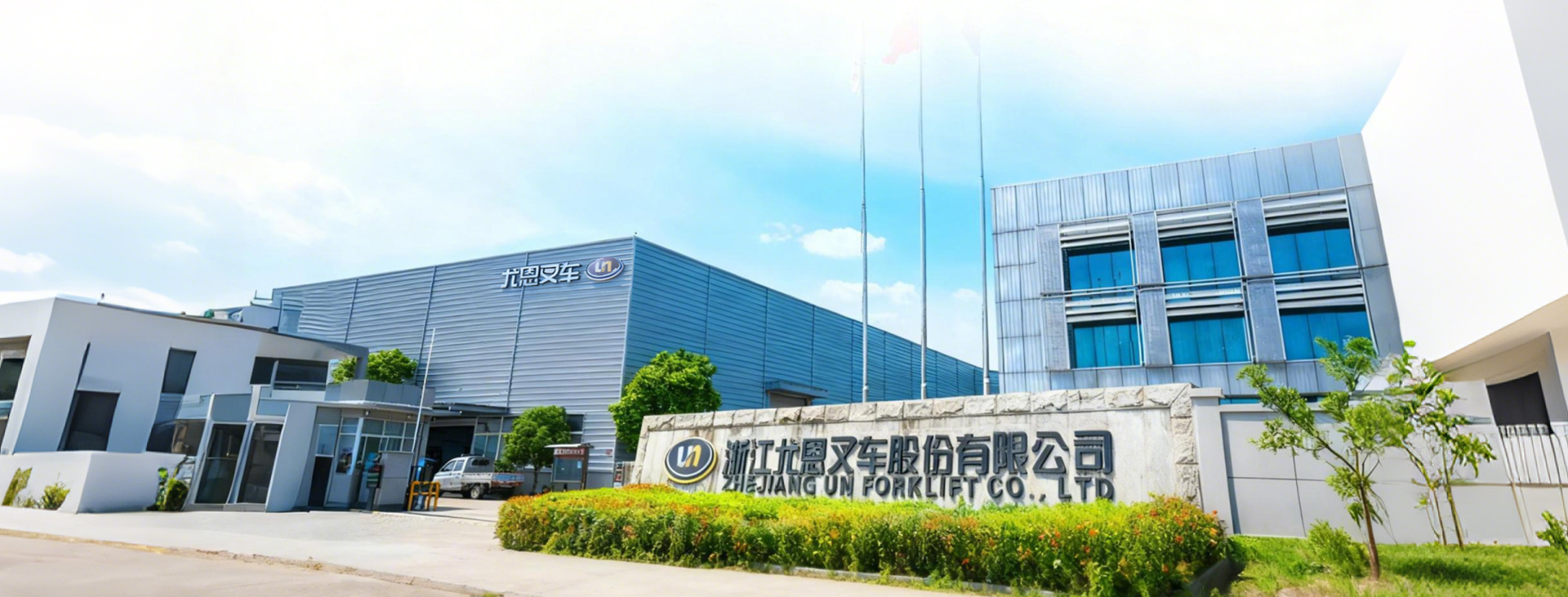
Pallet trucks are essential warehouse equipment designed to lift and transport palletized goods efficiently. Zhejiang UN Forklift Co., Ltd. has decades of experience in designing pallet trucks with a focus on energy saving, environmental protection, safety, and high efficiency. Regular maintenance ensures these machines remain reliable, safe, and effective, supporting smooth warehouse operations and prolonging equipment life.
Daily Inspection Procedures
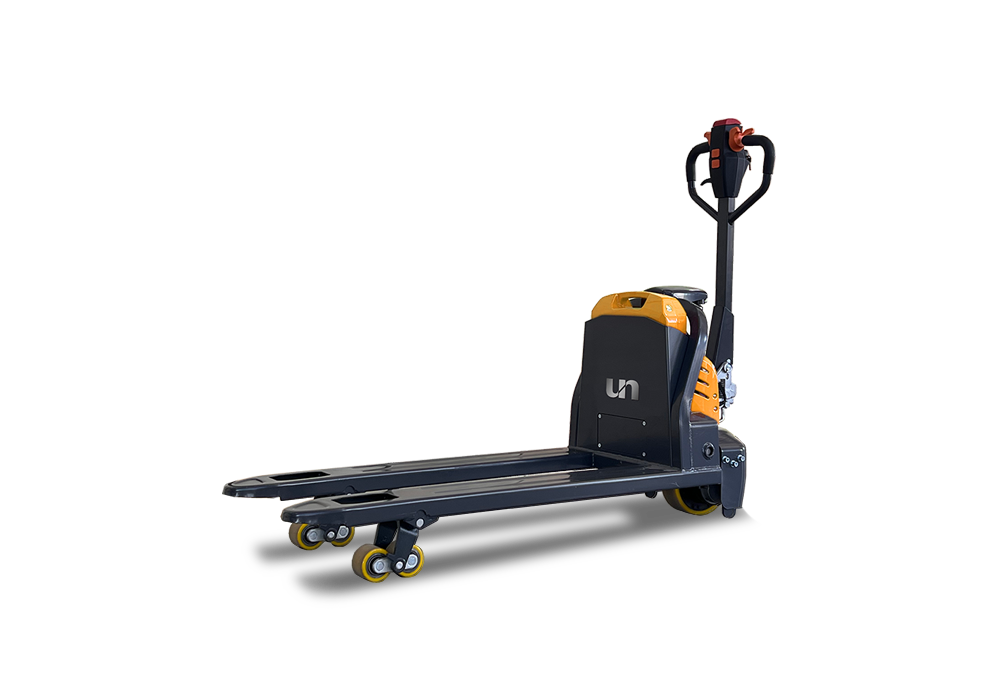
Before starting operations, operators should inspect the pallet truck for visible damage, hydraulic leaks, and proper wheel alignment. Check the condition of forks, load backrests, and handles for wear or deformation. Daily inspection ensures that minor issues are identified early, preventing potential failures during operation and enhancing safety for both the operator and the warehouse environment.
Hydraulic System Maintenance
The hydraulic system is a core component of pallet trucks, responsible for lifting and lowering loads. Regular maintenance includes checking hydraulic fluid levels, inspecting seals and hoses for leaks, and ensuring smooth operation of the lifting mechanism. Proper hydraulic maintenance ensures consistent lifting performance, reduces wear on internal components, and minimizes the risk of sudden system failures.
Wheel and Roller Care
Pallet trucks rely on durable wheels and rollers to move loads efficiently. Routine maintenance involves cleaning wheels to remove debris, inspecting for wear or flat spots, and lubricating moving parts. Well-maintained wheels and rollers improve maneuverability, reduce floor damage, and maintain stability during frequent lifting and transport tasks.
Fork and Frame Inspection
Frequent use can stress the forks and frame of a pallet truck. Operators should regularly examine the forks for bending, cracks, or other signs of structural damage. The frame should also be checked for integrity, as a compromised structure can affect load handling and safety. Reinforced components provided by UN Forklift support long-term durability and reliable performance under continuous use.
Control and Handle Mechanisms
Ergonomic handles and control levers are key for operator efficiency. Regular inspection and lubrication of these components ensure smooth operation. Check for loose or damaged parts and verify that controls respond correctly to lifting, lowering, and steering commands. Proper maintenance of the control system enhances operational safety and reduces operator fatigue.
Battery and Electrical System Care (for Electric Pallet Trucks)
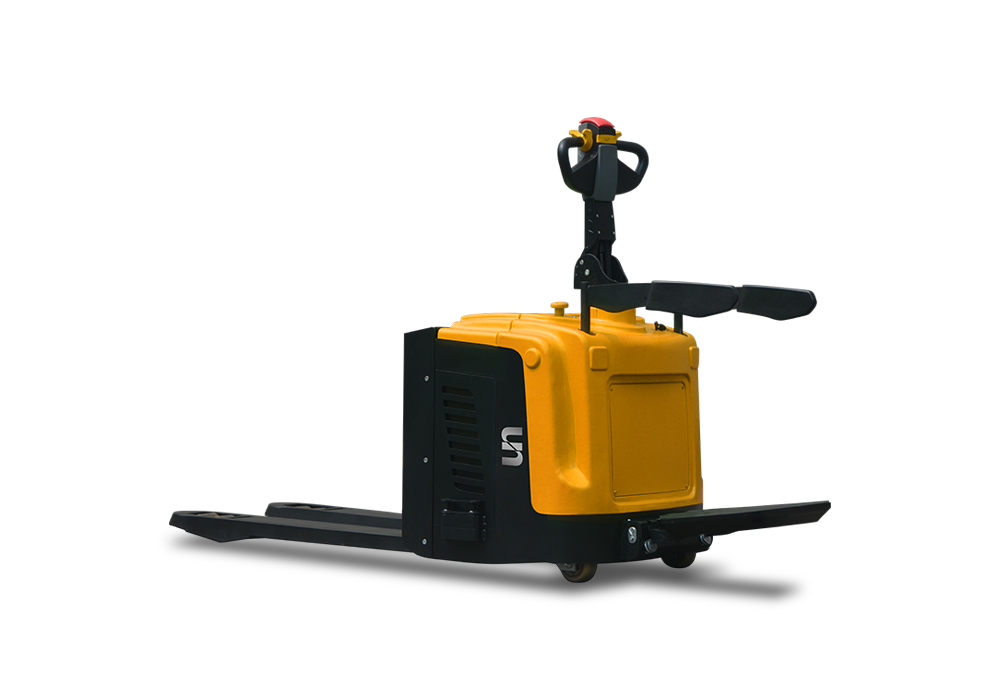
Electric pallet trucks require attention to their battery and electrical systems. Routine procedures include checking battery charge levels, inspecting cables for wear or corrosion, and ensuring connections are secure. Maintaining the electrical system supports consistent performance, extends battery life, and ensures the truck operates reliably during daily high-frequency tasks.
Maintenance Schedule and Records
Maintaining a documented schedule is critical for proactive pallet truck maintenance. UN Forklift recommends routine daily, weekly, and monthly checks of all components, including hydraulic systems, wheels, forks, handles, and electrical systems. Detailed maintenance records help track wear patterns, anticipate component replacement, and plan service intervals to minimize downtime.
| Component | Maintenance Task | Purpose |
| Hydraulic System | Check fluid levels, inspect seals and hoses | Ensure smooth lifting, prevent leaks |
| Wheels and Rollers | Clean, inspect for wear, lubricate | Maintain maneuverability and stability |
| Forks and Frame | Inspect for cracks, bending, structural integrity | Ensure safe and reliable load handling |
| Handle and Controls | Lubricate, check for damage, test responsiveness | Improve operator comfort and control precision |
| Battery/Electrical System | Check charge, inspect connections and cables | Support consistent operation and battery longevity |
Role of Service Network
UN Forklift provides a global service network across Europe, North America, South America, Africa, and Asia. This network offers access to spare parts, technical support, and professional maintenance services. Operators can rely on timely guidance and expert assistance to keep pallet trucks in optimal condition, ensuring minimal operational disruptions and long-term reliability in warehouse operations.
Energy Efficiency and Maintenance
Regular maintenance also contributes to energy efficiency. Well-maintained hydraulic and electrical systems consume less energy, while properly lubricated components reduce friction and wear. UN Forklift designs its pallet trucks to operate efficiently, and adherence to maintenance schedules helps sustain this efficiency, supporting both operational cost management and environmental protection goals.
FAQ
Q: How do pallet trucks contribute to efficiency in busy warehouse operations?
A: UN Forklift pallet trucks are designed to optimize material handling by enabling smooth lifting and transportation of pallets. Their ergonomic controls and reliable hydraulic systems allow operators to handle frequent loading and unloading tasks efficiently, reducing operation time and improving workflow continuity.
Q: What safety features are included in UN Forklift pallet trucks?
A: Pallet trucks from UN Forklift incorporate safety elements such as load backrests, anti-slip wheels, and emergency stop mechanisms. These features help prevent accidents during operation and ensure stability when moving heavy or stacked pallets, aligning with the company's focus on safety.
Q: How are pallet trucks maintained for consistent performance?
A: Regular inspection and maintenance are essential for pallet trucks, including checking hydraulic fluid levels, lubricating moving parts, and inspecting wheels, forks, and handles. UN Forklift provides guidance and service support to ensure that equipment operates reliably and maintains efficiency in high-frequency usage.
Q: Can pallet trucks operate effectively in narrow aisle environments?
A: Yes, UN Forklift designs its pallet trucks with compact dimensions and optimized wheelbases, allowing precise maneuverability in tight warehouse aisles. This enables operators to place and retrieve pallets safely without damaging racks or other equipment.
Q: How do ergonomic designs impact operator performance on pallet trucks?
A: Ergonomic handles, intuitive control layouts, and easy-to-reach levers reduce operator fatigue and improve precision. This allows warehouse staff to maintain consistent performance throughout long shifts, particularly in high-volume material handling operations.
Q: What role do pallet trucks play in energy-efficient warehouse operations?
A: UN Forklift pallet trucks are equipped with energy-saving hydraulic systems and low-resistance components, reducing energy consumption during frequent lifting and transporting. This design approach supports both operational cost efficiency and environmental sustainability within the warehouse.
Q: How does the global service network support pallet truck reliability?
A: UN Forklift has a widespread service network across Europe, North America, South America, Africa, and Asia. This network provides spare parts, technical support, and maintenance guidance, ensuring that pallet trucks remain in optimal condition and minimizing downtime in daily operations.

