


 中文简体
中文简体 Français
 русский
 Español
 عربى
عربى Deutsch



Will Prolonged Heavy Loads on IC Cushion Tires Cause Tire Deformation in Forklifts?
Understanding the Working Characteristics of IC Cushion Tire Forklift Models
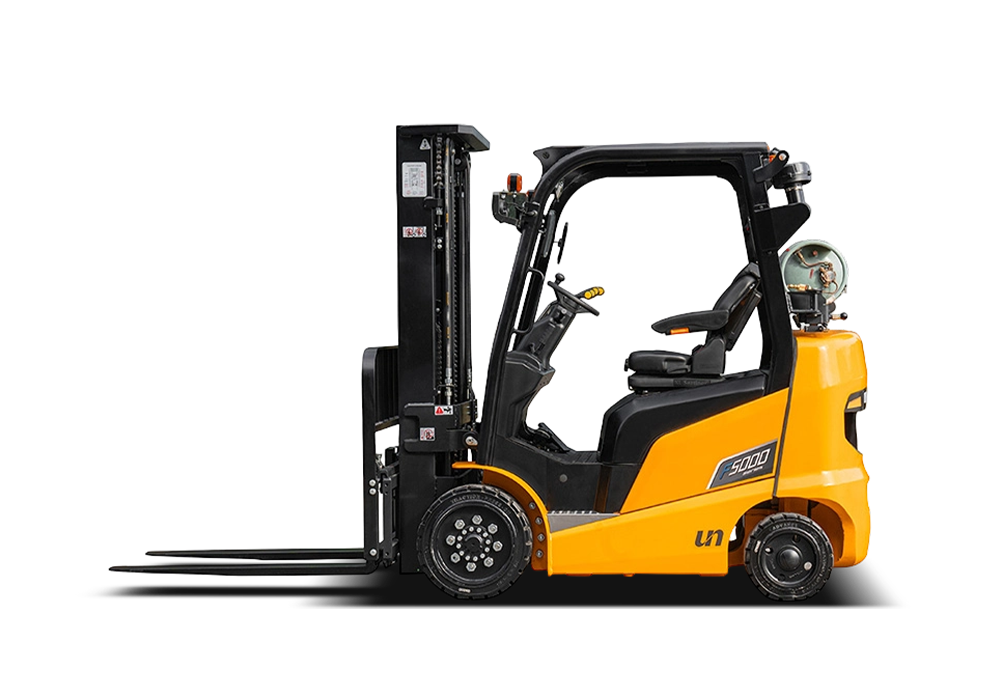
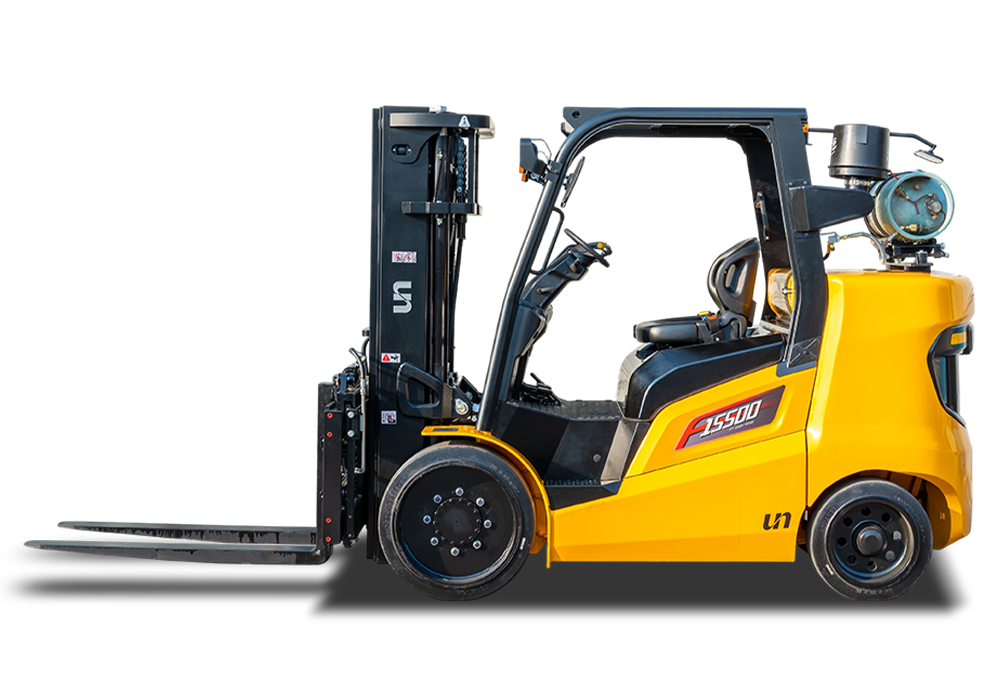
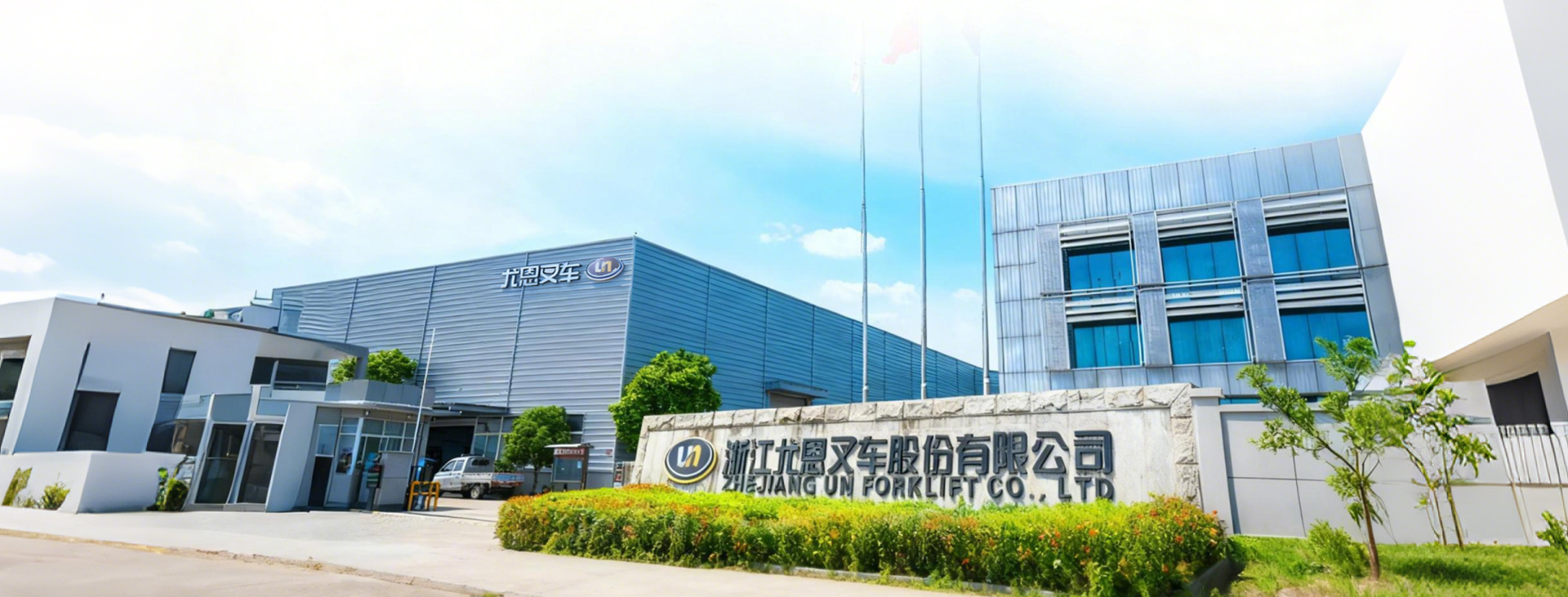
Zhejiang UN Forklift Co., Ltd., established in 1978, has long been engaged in the research, development, production, sales, and service of material handling equipment. Within its broad product portfolio, the IC cushion tire forklift occupies an important position in indoor logistics, manufacturing plants, and distribution centers. These forklifts are typically powered by internal combustion engines and equipped with solid cushion tires designed for smooth industrial floors. The combination of engine power and compact tire structure allows the equipment to operate efficiently in confined spaces while handling substantial loads.
Cushion tires differ from pneumatic tires in that they are made of solid rubber mounted directly onto a steel band. This structure enhances durability and minimizes puncture risks. However, when forklifts are subjected to prolonged heavy loads, especially in high-frequency operations, concerns may arise regarding tire deformation. Understanding the mechanical behavior of cushion tires under continuous stress is essential for safe and efficient operation.
Load Distribution and Stress Concentration on Cushion Tires
When an IC cushion tire forklift carries heavy loads for extended periods, vertical stress is transferred from the chassis through the axle to the tire surface. Cushion tires are designed to support substantial weight, yet continuous overloading or uneven load distribution may cause gradual compression changes in the rubber compound. Over time, this may lead to flat spotting or localized deformation, particularly if the forklift remains stationary with a heavy load.
UN Forklift emphasizes high efficiency and safety in its design philosophy. Proper load rating alignment between forklift capacity and application requirements reduces the risk of structural stress on tires. Operators should ensure that the rated capacity is not exceeded and that loads are evenly positioned to avoid unbalanced pressure on one side of the forklift.
Material Composition and Resistance to Deformation
The performance of cushion tires under heavy loads depends largely on rubber compound formulation and structural bonding. High-density rubber compounds provide resistance to compression and abrasion. Steel band reinforcement ensures secure attachment to the wheel rim, reducing slippage and internal stress. In modern IC cushion tire forklift designs, material engineering plays a central role in minimizing permanent deformation.
The following table illustrates typical performance considerations related to cushion tire materials and loading conditions:
| Factor | Influence on Tire Shape | Operational Consideration |
| Continuous Heavy Load | Increases compression stress | Avoid exceeding rated capacity |
| Extended Static Parking | May cause flat spotting | Release load when parked |
| High Ambient Temperature | Softens rubber compound | Ensure proper ventilation |
| Uneven Floor Surface | Creates localized stress points | Maintain smooth operating surfaces |
Operational Environment and Its Impact
IC cushion tire forklift models are typically used indoors on smooth concrete floors. In such environments, tire wear tends to be uniform. However, when forklifts operate in facilities with uneven surfaces, expansion joints, or debris, additional stress may accumulate at specific contact points. Prolonged heavy loads combined with surface irregularities can accelerate wear patterns that resemble deformation.
Temperature also plays a role. In high-temperature environments, rubber becomes more flexible, which may increase susceptibility to compression under load. Conversely, colder environments can make rubber less elastic, affecting its ability to absorb shock. UN Forklift, with its global sales and service network across Europe, North America, South America, Africa, and Asia, provides technical guidance tailored to regional climate conditions to support consistent equipment performance.
Mechanical Design and Tire Protection Strategies
The structural design of the forklift contributes to how weight is distributed across the tires. Proper axle alignment, balanced chassis geometry, and stable mast configuration help distribute weight evenly. UN Forklift integrates research and development with manufacturing processes to ensure that internal combustion models maintain structural integrity under demanding use.
Routine inspection of wheel alignment and suspension components helps prevent uneven stress concentration. If mechanical components are misaligned, even a properly rated IC cushion tire forklift may experience uneven tire wear that could be mistaken for deformation.
Maintenance Practices to Reduce Deformation Risk
Preventive maintenance plays a significant role in minimizing the risk of tire deformation. Regular visual inspections can identify early signs of uneven wear or compression marks. Rotating tires where applicable, ensuring correct axle torque, and maintaining recommended load limits all contribute to stable tire performance.
UN Forklift’s integrated production capacity of 15,000 units annually reflects its structured manufacturing and service system. Through its global partners, customers receive maintenance support and spare parts access, which helps sustain long-term operational stability. Consistent servicing reduces operational strain on cushion tires and supports safe handling practices.
Comparison Between Temporary Compression and Permanent Deformation
It is important to distinguish between temporary compression and permanent deformation. Temporary compression occurs when a forklift supports a heavy load; once the load is removed, the rubber typically returns to its original shape. Permanent deformation, however, may result from prolonged overloading, excessive heat, or material fatigue.
The table below outlines key differences:
| Condition | Temporary Compression | Permanent Deformation |
| Load Duration | Short-term | Extended overloading |
| Shape Recovery | Returns after unloading | Does not fully recover |
| Operational Impact | Minimal if managed properly | May affect stability and vibration |
Role of Operator Training and Load Management
Operator awareness significantly influences tire lifespan. Training programs supported by UN Forklift emphasize proper load handling, smooth acceleration, and controlled braking. Abrupt movements under heavy load increase horizontal stress on cushion tires, potentially accelerating wear. Controlled driving behavior reduces mechanical strain and promotes even tire contact with the floor surface.
Given UN’s emphasis on energy saving and safety, operational efficiency is closely linked with responsible equipment handling. Avoiding unnecessary idle loading, reducing abrupt directional changes, and ensuring proper load positioning contribute to maintaining tire shape integrity over time.
Long-Term Performance Considerations
In typical industrial applications, an IC cushion tire forklift operating within its rated capacity and maintained according to manufacturer recommendations is unlikely to experience rapid tire deformation solely due to heavy loads. Deformation risk increases primarily when operational practices consistently exceed design limits or when environmental and mechanical factors combine to create excessive stress.
With decades of manufacturing experience and integrated R&D capabilities, Zhejiang UN Forklift Co., Ltd. designs its internal combustion forklift models to align structural balance, engine performance, and tire compatibility. Through global service partnerships, customers can access technical advice tailored to their application intensity and regional climate conditions, ensuring sustained operational reliability.
FAQ
Q: How does UN ensure stable performance of IC cushion tire forklifts in high-density warehouse environments?
A: With decades of manufacturing experience since 1978, UN integrates R&D and production to optimize chassis balance, steering precision, and engine output. The compact structure of the IC cushion tire forklift enhances maneuverability in narrow aisles while maintaining stable load handling on smooth indoor surfaces.
Q: How does UN’s production capacity support consistent supply for IC cushion tire forklift customers?
A: Operating from a 53,400 square meter facility with an annual output capacity of 15,000 units, UN maintains structured production planning and quality control systems. This enables reliable delivery schedules and consistent manufacturing standards for customers worldwide.
Q: What safety considerations are integrated into UN IC cushion tire forklifts?
A: Guided by the company’s design philosophy of safety and efficiency, these forklifts incorporate reinforced frames, responsive braking systems, ergonomic operator cabins, and stable mast configurations. These features help reduce operational risks during repetitive indoor material handling tasks.
Q: How does UN support international customers using IC cushion tire forklifts?
A: UN has established sales and service partners across Europe, South America, North America, Africa, and Asia. This global network provides technical consultation, spare parts supply, and maintenance assistance, ensuring consistent support regardless of operating location.
Q: In what types of operations does an IC cushion tire forklift provide operational advantages?
A: These forklifts are particularly suitable for indoor logistics centers, manufacturing plants, and distribution facilities with smooth concrete flooring. Their solid cushion tires offer reliable traction and reduced maintenance compared to pneumatic alternatives in controlled environments.
Q: How does UN address energy efficiency in internal combustion cushion tire models?
A: Following its principles of energy saving and environmental protection, UN optimizes engine combustion systems and hydraulic response to balance fuel consumption with operational output. This approach supports sustained productivity while managing operating costs.
Q: What maintenance practices help extend the service life of an IC cushion tire forklift?
A: Regular inspection of tires, braking systems, engine components, and hydraulic circuits is essential. Adhering to scheduled maintenance and ensuring proper load management helps maintain consistent performance and reduces the likelihood of unexpected downtime.
Q: How does UN’s integrated R&D capability enhance product adaptability?
A: By combining research, development, and manufacturing within one organization, UN can adjust technical specifications to meet diverse market requirements. This integrated approach allows IC cushion tire forklift models to align with regional regulations and operational demands while maintaining uniform quality standards.

