


 中文简体
中文简体 Français
 русский
 Español
 عربى
عربى Deutsch



How stable is a diesel forklift truck when fully loaded?
Admin 2026-02-12Understanding Stability in Diesel Forklift Trucks
The stability of a diesel forklift truck is a critical aspect for safe and efficient material handling. Diesel forklifts, especially heavy duty forklifts, are designed to transport large loads in industrial, warehouse, and outdoor environments. The stability of the vehicle affects not only the safety of the operator but also the security of the cargo and surrounding personnel. Proper design, load distribution, and operational awareness all play a role in maintaining stability under full-load conditions.
Factors Influencing Stability
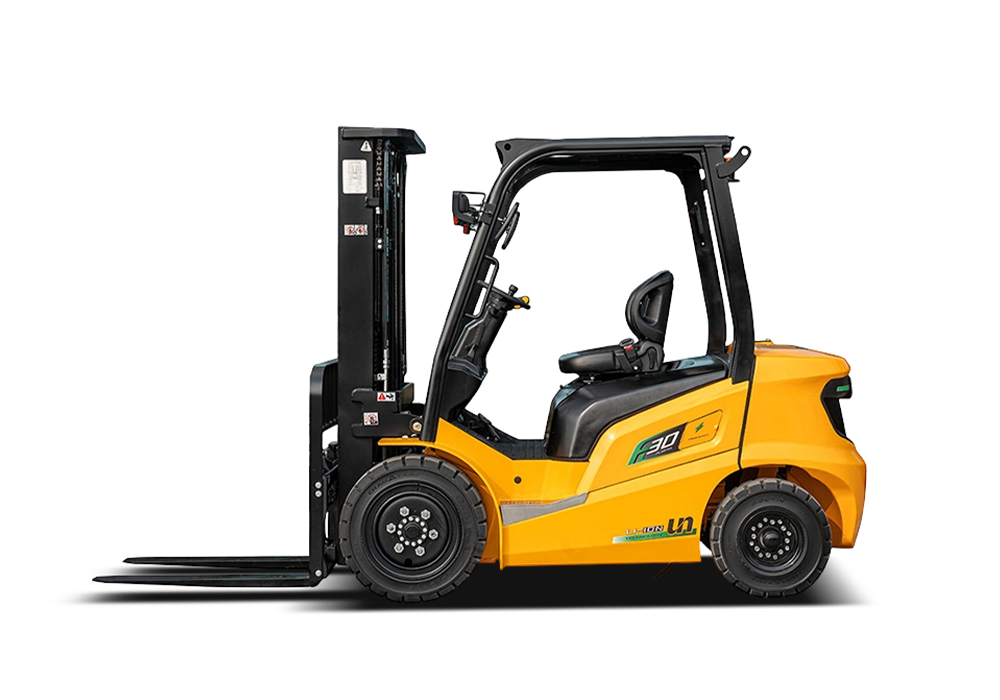
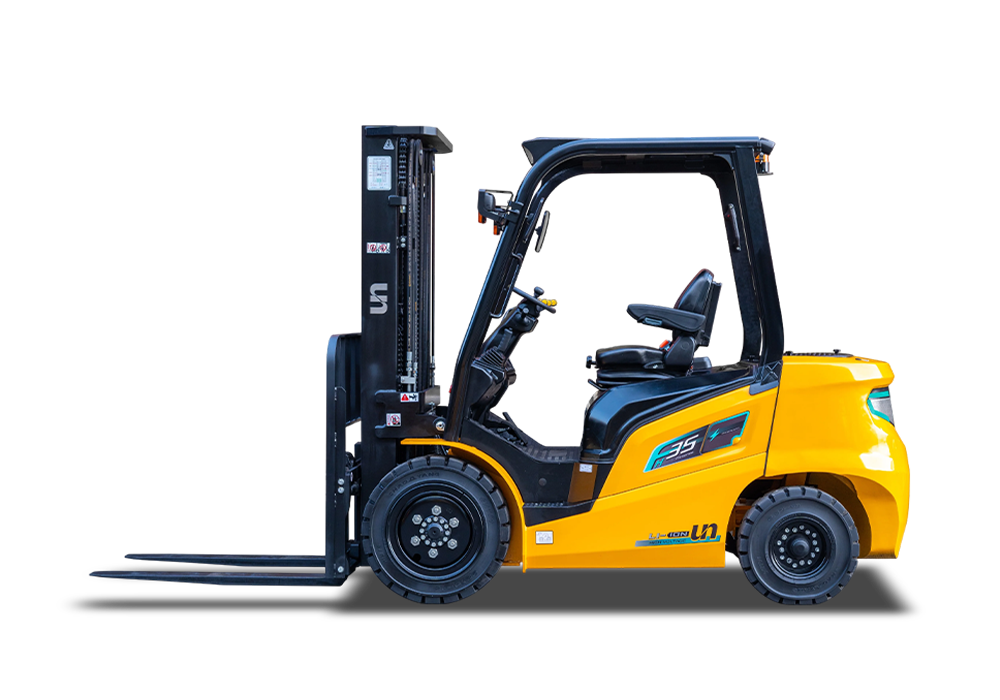
Several factors contribute to the stability of a diesel forklift truck when fully loaded. The center of gravity, wheelbase length, counterweight placement, mast design, and tire condition all interact to determine the vehicle's balance. Heavy duty forklifts often carry larger loads, which increases the importance of precise weight distribution. UN Forklift, for example, integrates design principles that lower the center of gravity and enhance balance to improve operational safety.
Center of Gravity and Load Positioning
The position of the load on the forks has a direct impact on stability. Loads should be centered and close to the mast to prevent forward tipping. Diesel forklift trucks are designed with counterweights at the rear to counterbalance heavy loads. When the load is fully extended or unevenly distributed, the center of gravity shifts, increasing the risk of tipping. Operators are trained to monitor load placement carefully and adjust travel speed accordingly.
Mast and Tilt Systems
The mast and tilt mechanism of a diesel forklift truck influence both lifting efficiency and stability. Hydraulic tilt systems allow controlled forward and backward movement of the load, preventing sudden shifts that could destabilize the truck. Heavy duty forklifts often feature reinforced mast assemblies and tilt-limit mechanisms to enhance safety when handling maximum loads. Proper operation of the mast system ensures that the load remains secure during lifting and transportation.
Impact of Ground Conditions
The stability of a diesel forklift truck is affected by the surface on which it operates. Uneven, inclined, or slippery floors can increase the likelihood of tipping. Heavy duty forklifts are equipped with large, durable tires that provide traction and absorb minor surface irregularities. Operators must adjust travel speed and steering to account for floor conditions, ensuring that full-load movements are stable and controlled.
Hydraulic System Considerations
The hydraulic system is a core component that influences stability in diesel forklift trucks. Hydraulic pressure must be carefully calibrated to allow smooth lifting, lowering, and tilting of heavy loads. Inconsistent or malfunctioning hydraulic performance can result in sudden load shifts, which may destabilize the forklift. Regular maintenance and inspection of hydraulic cylinders, hoses, and valves are essential to ensure reliability during full-load operations.
Operator Control and Safety Awareness
Operator skill plays a significant role in maintaining stability. Diesel forklift trucks require careful handling, particularly when carrying heavy loads. Operators must be aware of turning radius, speed, and load height to prevent tipping incidents. Training programs focus on load management, safe maneuvering techniques, and emergency responses. UN Forklift emphasizes operator education as part of their design concept for safety and efficiency.
Anti-Tipping Measures
Modern diesel forklift trucks include design features aimed at reducing tipping risks. These include low-mounted counterweights, wide wheelbases, reinforced chassis structures, and automatic tilt-limiting systems. Heavy duty forklifts often incorporate stability-enhancing mechanisms such as load sensors and travel speed regulation when the load is elevated. These measures provide additional security for operators and cargo.
Load Distribution Guidelines
Correct load distribution is essential for safe operation. The heaviest part of the load should be positioned closest to the mast. For long or irregular loads, balancing the weight across the forks is crucial. UN Forklift provides guidance on optimal load placement to maintain stability during full-load transport. Proper load positioning minimizes the risk of tipping and ensures smooth, controlled movements.
Maintenance and Reliability
Regular maintenance is essential to preserve the stability and safe operation of a diesel forklift truck. Key components such as tires, hydraulic systems, masts, and counterweights must be routinely inspected and serviced. Maintenance ensures that all systems operate correctly and that potential issues that could affect stability are addressed promptly. UN Forklift’s extensive global service network supports operators with parts, service, and technical guidance to maintain vehicle performance.
| Component | Function | Maintenance Focus |
| Counterweight | Balances load to prevent tipping | Inspect for integrity and secure mounting |
| Hydraulic Lift System | Controls lifting, lowering, and tilting | Check for leaks, fluid levels, and cylinder operation |
| Tires | Provide traction and absorb surface irregularities | Monitor wear, maintain proper pressure, check alignment |
| Mast Assembly | Supports and guides load movement | Inspect rails, lubricate moving parts, verify tilt limits |
Operational Guidelines for Full-Load Stability
Operators should follow specific guidelines to maintain stability when a diesel forklift truck is fully loaded. These include maintaining a steady speed, avoiding sharp turns, keeping the load as low as possible, and monitoring floor conditions. Awareness of load height, weight distribution, and mast angle helps prevent tipping and ensures safe operation. UN Forklift integrates design, operator guidance, and safety systems to support these best practices.
Design Considerations in Heavy Duty Forklifts
Heavy duty forklifts are built to handle maximum loads while maintaining stability. Design considerations include reinforced frames, optimized counterweight positioning, wide wheelbase configurations, and reliable hydraulic systems. These elements work together to provide a stable platform for material handling in demanding industrial environments. UN Forklift focuses on combining robust engineering with practical safety features to meet operational requirements worldwide.
Diesel Forklift Stability
Stability in diesel forklift trucks, particularly heavy duty forklifts, is determined by a combination of vehicle design, load management, operator skill, and environmental conditions. Proper maintenance, adherence to operational guidelines, and understanding the role of counterweights, mast systems, and tires are essential for safe handling of full loads. By integrating these factors, operators can ensure that diesel forklift trucks perform reliably and safely in industrial, warehouse, and outdoor applications.
For exclusive deals and latest offers, sign up by entering your email address below.
Stay In Touch
ADDRESS : NO.1 ROAD ONE, XINDENG NEW DISTRICT, FUYANG, HANGZHOU, ZHEJIANG, CHINA 311404.
PHONE : +86-571-8688 8355 (AMERICA)
PHONE : +86-571-8886 9363 (EUROPE)
PHONE : +86-571-8688 8377 (ASIA, AFRICA, OCEANIA)
EMAIL : [email protected]
EMAIL : [email protected](PARTS INQUIRY)

