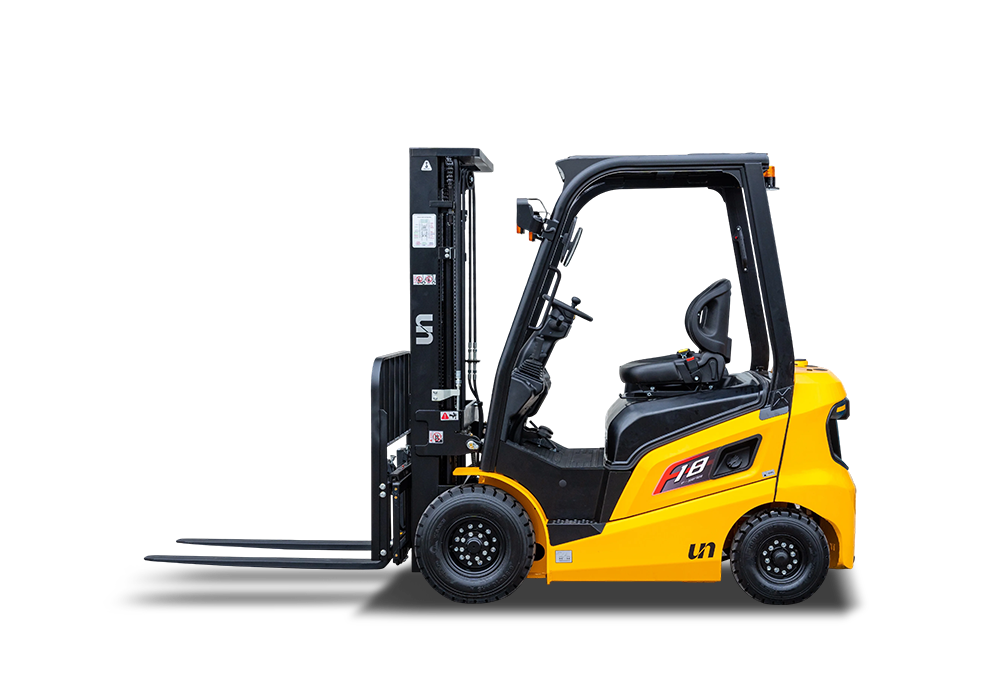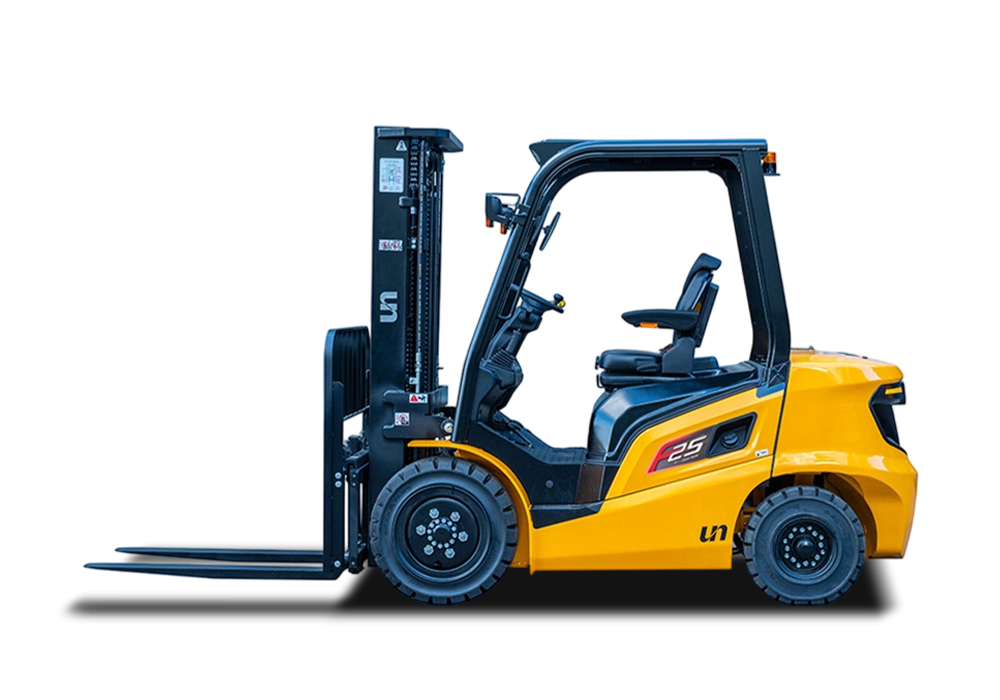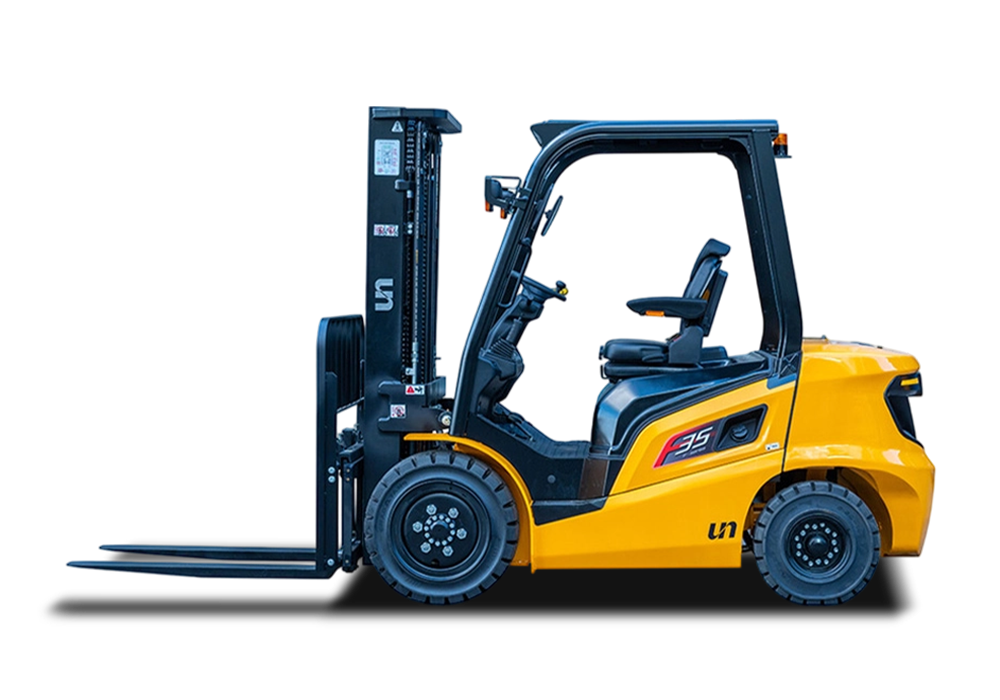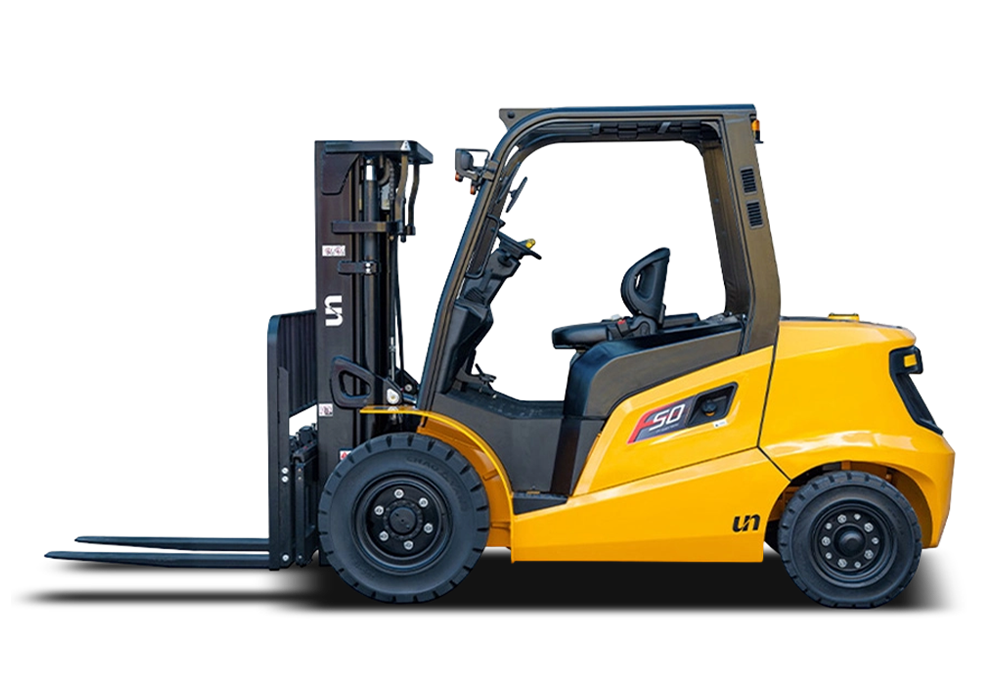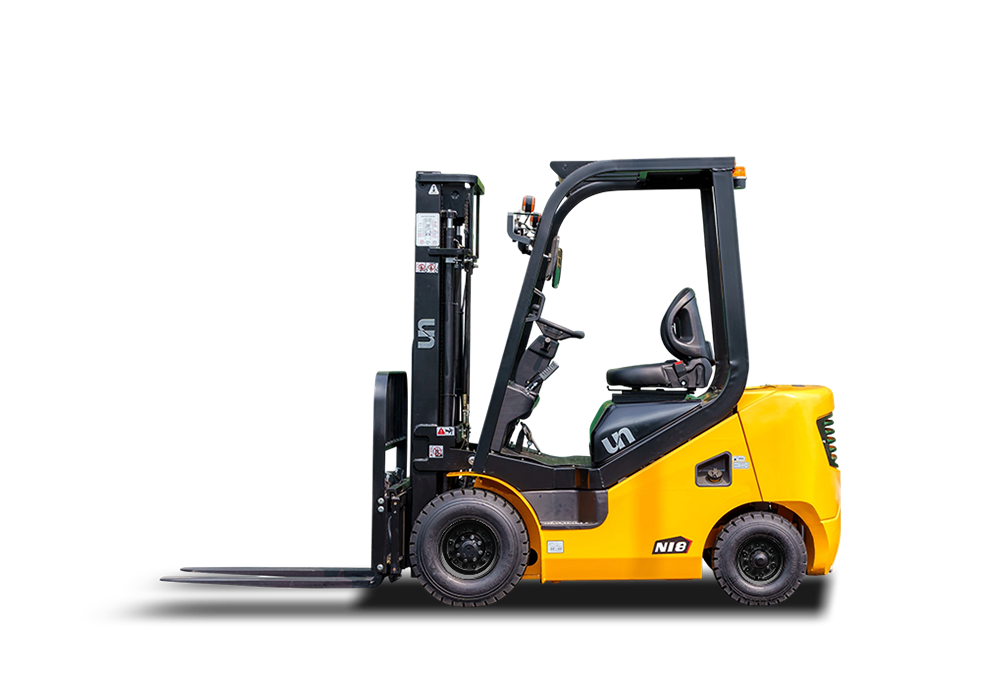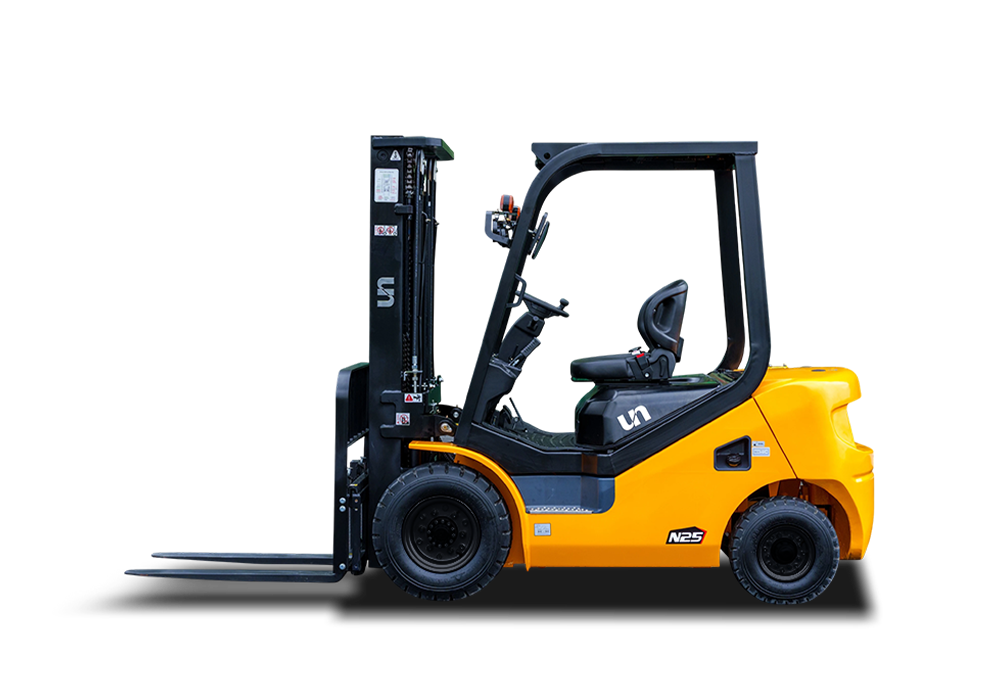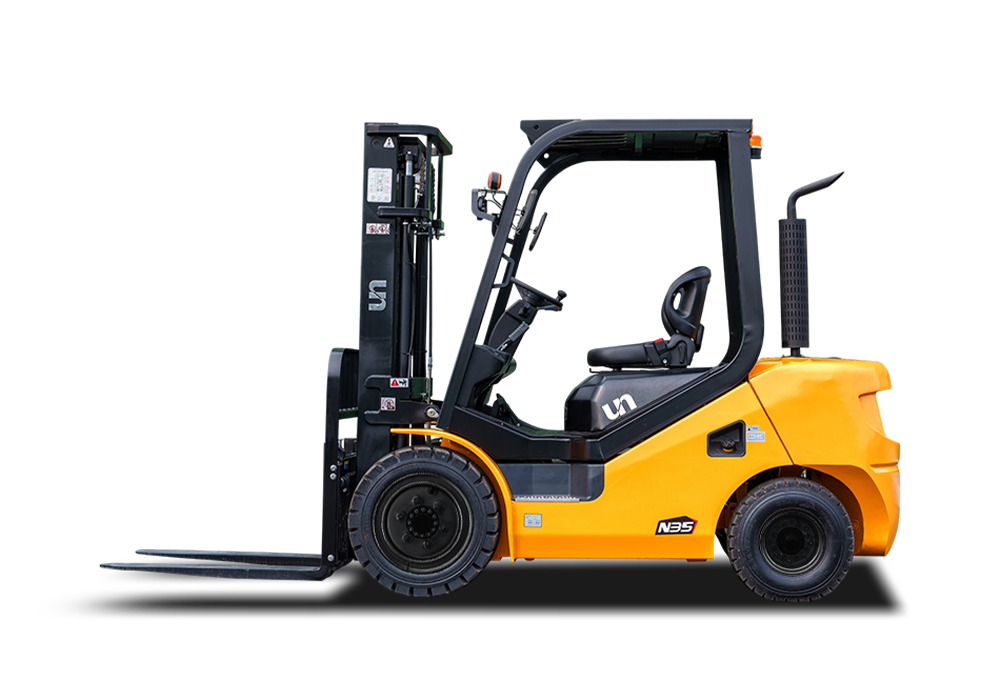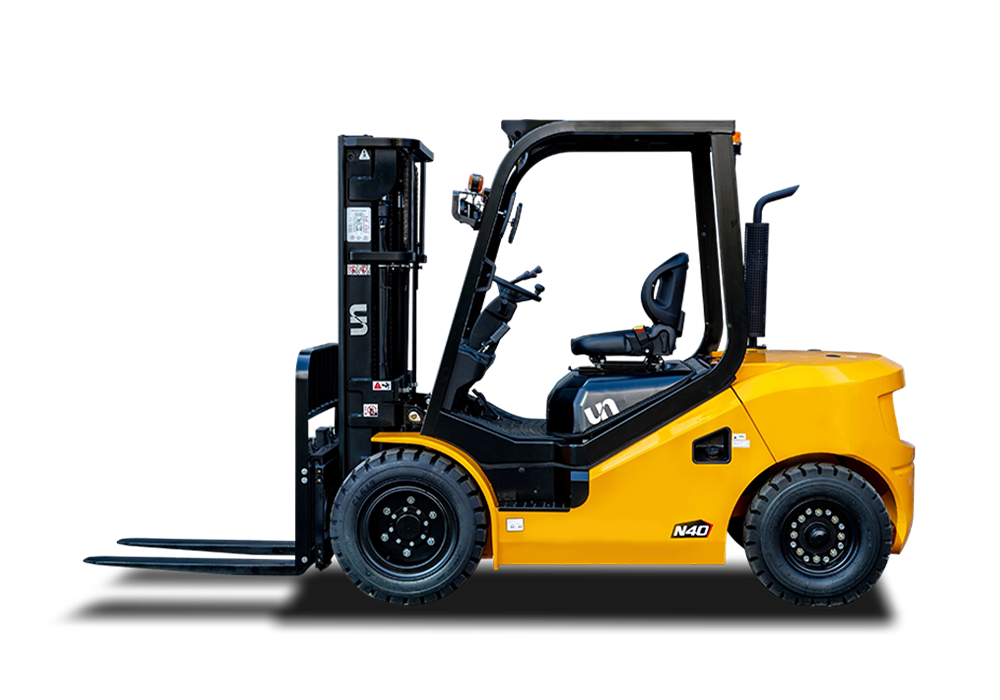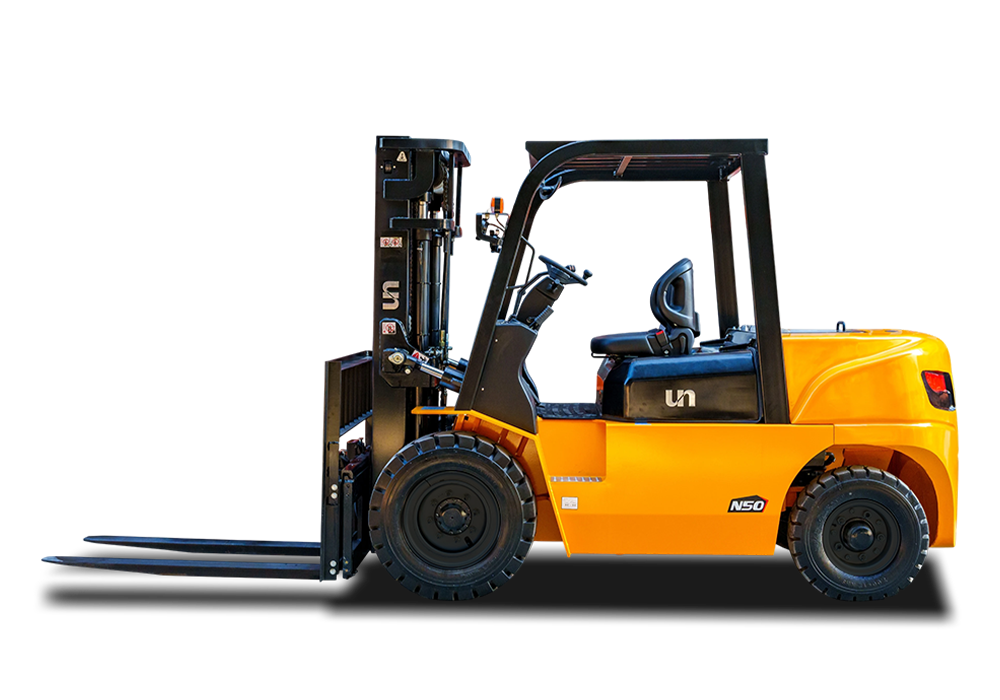

How to Choose the Appropriate Tonnage for a Diesel Forklift from 1.5T to Mini 5.0T
Understanding the Role of Tonnage in Diesel Forklift Selection
Selecting the correct tonnage for a diesel forklift from 1.5T to Mini 5.0T is essential to ensure operational efficiency, safety, and longevity of the equipment. Diesel forklifts in this range are typically used in various industries, such as logistics, manufacturing, agriculture, and construction. The tonnage rating of a forklift refers to the maximum weight it can lift under standard conditions, but this does not mean that the forklift is suited to all types of work with every load. The design and construction of the diesel forklift directly impact its ability to manage heavy loads, high lifting heights, and demanding environments. Understanding the relationship between tonnage and application requirements is crucial when choosing the appropriate forklift model.
Evaluating Load Weight and Load Center
When selecting a diesel forklift in the 1.5T to Mini 5.0T range, the weight and size of the loads being handled are the first factors to consider. A forklift rated at 1.5T, for example, is ideal for lighter loads, while a Mini 5.0T forklift offers greater lifting capacity for heavy-duty tasks. It's important to note that a forklift's tonnage is based on standard load center conditions (usually 500mm). If the load is off-center, the forklift’s lifting capability will be reduced. For example, if a forklift regularly handles larger, bulkier items or equipment with an extended load center, a model with higher tonnage, such as a 2.5T or 3.0T diesel forklift, may be more appropriate. Ensuring that the forklift's capacity matches the weight and dimensions of the loads helps prevent safety risks and mechanical failure.
Considerations for Lifting Height and Mast Design
The lifting height of a forklift can also influence the required tonnage. A forklift’s load capacity decreases as its mast extends, particularly for higher lifting heights. For example, a diesel forklift in the 1.5T to Mini 5.0T range may have a reduced lifting capacity at greater heights. If you are working in a warehouse with high shelving or need to lift loads above 4 meters, opting for a 3.0T or higher forklift can provide greater stability and load handling capacity at higher altitudes. Zhejiang UN Forklift Co., Ltd. designs its forklifts to provide a balance between lifting height and tonnage, ensuring safe and stable lifting operations even at maximum extension.
Matching Tonnage to Environmental Conditions
Outdoor environments often require forklifts that can handle rough or uneven terrain. Diesel forklifts in the 1.5T to Mini 5.0T range are particularly suited for operations in construction sites, warehouses with rough floors, and ports. A higher tonnage forklift, such as a 4.0T or Mini 5.0T model, is better equipped to handle heavy-duty tasks and navigate uneven surfaces due to enhanced durability, engine power, and traction. Diesel forklifts in this range also have the advantage of providing better resistance to external conditions such as rain, mud, or gravel, all while maintaining fuel efficiency. In addition, selecting the right tonnage ensures that the forklift can operate at peak efficiency without compromising on fuel consumption or causing unnecessary wear to its mechanical components.
Analyzing the Specific Application Requirements
The type of work the forklift will perform is a key factor in determining the appropriate tonnage. For instance, a 1.5T or 2.0T diesel forklift may be ideal for warehouse environments or lighter material handling, while a 3.0T or Mini 5.0T model would be better suited for heavy lifting tasks in manufacturing plants or construction sites. Businesses that require frequent transportation of heavy equipment or large pallets will likely need a forklift on the higher end of the tonnage spectrum. Diesel forklifts in the 1.5T to Mini 5.0T range are versatile enough to be used across different sectors but must be chosen according to the specifics of each application.
Comparing Diesel Forklift Tonnage Options
| Tonnage Range | Typical Application | Recommended Environment |
| 1.5T – 2.0T | Light warehouse handling, light materials | Indoor, smooth surfaces |
| 2.5T – 3.0T | General material handling, logistics, manufacturing | Indoor and outdoor mixed environments |
| 3.5T – 4.0T | Construction materials, bulk goods handling | Outdoor, uneven surfaces |
| Mini 5.0T | Heavy-duty tasks, industrial transport | Outdoor, rugged terrains |
Fuel Efficiency and Cost-Effectiveness
Fuel efficiency is an important consideration when selecting a diesel forklift. A forklift with a higher tonnage, such as a 3.0T or Mini 5.0T, may consume more fuel compared to a 1.5T model. However, it's essential to evaluate whether the additional fuel cost is justified by the lifting power and operational requirements of the business. Diesel forklifts from UN Forklift are designed with energy-efficient engines that optimize fuel consumption while maintaining high lifting performance. Selecting the right tonnage helps minimize unnecessary fuel use and reduces the overall operational cost of the forklift, making it a more cost-effective choice in the long run.
Safety and Stability in Diesel Forklifts
Forklift stability is crucial for maintaining a safe working environment. Diesel forklifts in the 1.5T to Mini 5.0T range are designed to meet safety standards and provide stability when lifting and transporting heavy loads. Higher tonnage models generally offer better stability due to larger counterweights, stronger chassis, and better braking systems. A forklift that is too large for the job may have a wider turning radius and be less agile, while one that is too small may not have sufficient lifting power or stability. UN Forklift designs its diesel forklifts to strike a balance between power, agility, and stability, ensuring that the forklift performs efficiently in various operational settings.
Maintenance and Longevity Considerations
Regardless of the tonnage, all forklifts require regular maintenance to ensure they continue to operate safely and effectively. Diesel forklifts in the 1.5T to Mini 5.0T range are designed for durability, with robust components built to withstand the rigors of heavy-duty tasks. However, the larger the forklift, the more maintenance it might require, particularly in harsh working conditions. UN Forklift provides comprehensive maintenance services and ensures that spare parts are readily available to extend the longevity of their diesel forklifts. Routine maintenance checks, such as fluid checks, tire pressure, and brake functionality, are essential to ensuring that your diesel forklift, whether it’s 1.5T or Mini 5.0T, operates smoothly and safely.
Global Service and Support for Diesel Forklifts
One of the key factors to consider when selecting a diesel forklift in the 1.5T to Mini 5.0T range is the availability of after-sales support. UN Forklift has established a wide network of sales and service partners around the world, ensuring that customers have access to timely support, technical assistance, and spare parts when needed. Whether your forklift is used in North America, Europe, South America, Asia, or Africa, UN Forklift's global presence ensures that you receive the support required to keep your equipment running at optimal performance.
FAQ
Q: How can customers determine the appropriate load capacity within the diesel forklift 1.5T-Mini5.0T range for their operations?
A:Selecting the right capacity depends on load weight, load dimensions, lifting height, and working frequency. Zhejiang UN Forklift Co., Ltd., with decades of manufacturing experience since 1978, offers guidance based on application scenarios such as warehouse handling, container loading, or outdoor logistics. Their global service partners help evaluate operational data to recommend suitable diesel forklift 1.5T-Mini5.0T models that align with safety and efficiency requirements.
Q: What operational environments are suitable for diesel forklift 1.5T-Mini5.0T models?
A:Forklifts within this capacity range are commonly used in manufacturing plants, construction sites, logistics hubs, and port operations. UN Forklift designs these models with a focus on environmental adaptability, allowing them to operate in both indoor ventilated areas and outdoor conditions. The company’s design philosophy emphasizes energy saving and durability, helping the equipment perform under varying terrain and climate conditions.
Q: How does Zhejiang UN Forklift ensure product reliability for diesel forklift 1.5T-Mini5.0T units?
A:UN Forklift integrates research, development, and production into its manufacturing process, supported by modern production facilities covering 53,400 square meters. With an annual output of 15,000 units, the company applies standardized quality control systems, component testing, and performance validation procedures. These measures help maintain operational stability and ensure each diesel forklift 1.5T-Mini5.0T meets international usage expectations.
Q: Are customization options available for diesel forklift 1.5T-Mini5.0T equipment?
A:Yes, UN Forklift supports various customization requirements including mast configurations, attachment options, operator cabin design, and emission standard compliance. Customers in different regions, such as Europe or South America, may require specific safety or environmental configurations. The company’s R&D team works with clients to adapt diesel forklift 1.5T-Mini5.0T models to match local regulations and industry demands.
Q: How does the global service network support maintenance and spare parts for diesel forklift 1.5T-Mini5.0T products?
A:UN Forklift has established a wide international sales and service network across Europe, North America, Africa, Asia, and South America. This network allows customers to access technical assistance, maintenance services, and replacement parts through authorized partners. The distributed support structure helps reduce equipment downtime and supports long-term operational continuity for diesel forklift 1.5T-Mini5.0T users.
Q: What safety features are commonly integrated into diesel forklift 1.5T-Mini5.0T models manufactured by UN Forklift?
A:Safety is a key design principle for UN products. Forklifts in this capacity range typically include stability control structures, operator visibility optimization, ergonomic control layouts, and protective overhead guards. These features help operators maintain control during load handling while supporting compliance with international safety guidelines.
Q: How do UN Forklift products address environmental and fuel efficiency concerns in diesel forklift 1.5T-Mini5.0T equipment?
A:The company focuses on reducing fuel consumption and emission impact through engine optimization, hydraulic efficiency improvement, and lightweight structural design. By applying its energy-saving and environmental protection concepts, UN Forklift aims to balance operational performance with reduced environmental influence, which is particularly important for industries facing strict emission standards.
Q: What factors influence the total operating cost of diesel forklift 1.5T-Mini5.0T equipment?
A:Operating cost is affected by fuel consumption, maintenance intervals, spare parts availability, and equipment durability. UN Forklift designs its forklifts with service-friendly structures and durable components to help users manage maintenance requirements. The company’s global service network also contributes to cost control by improving access to technical support and replacement components.