


 中文简体
中文简体 Français
 русский
 Español
 عربى
عربى Deutsch



Why Electric Forklifts Are Becoming the Default Choice in Warehouses?
Admin 2026-01-22Ask any warehouse manager what keeps them up at night, and you’ll hear things like labor costs, downtime, and safety. In the past few years, another topic has quietly climbed the list: electrification.
Electric forklifts are no longer just “a greener option.” They are becoming a practical standard for many industries. The real reason is simple: they can reduce operating costs, improve workplace comfort, and simplify maintenance—especially in indoor environments.
For manufacturers, this shift is pushing product development toward better battery systems, smarter controls, and more efficient powertrains. Customers are asking for real performance, not marketing buzz.
So What Exactly Is an Electric Forklift?
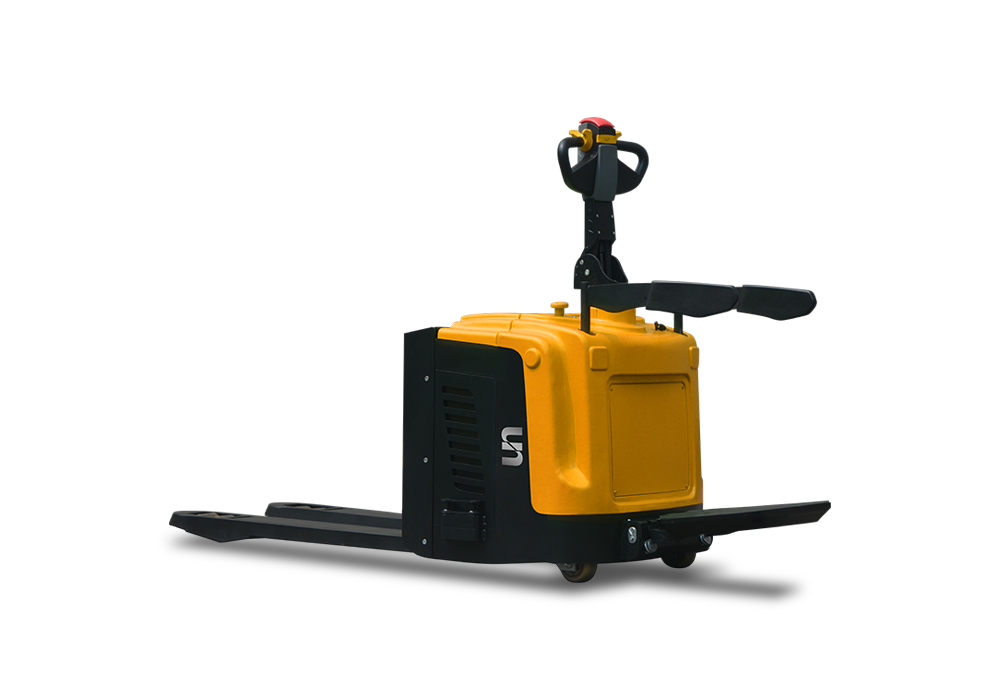
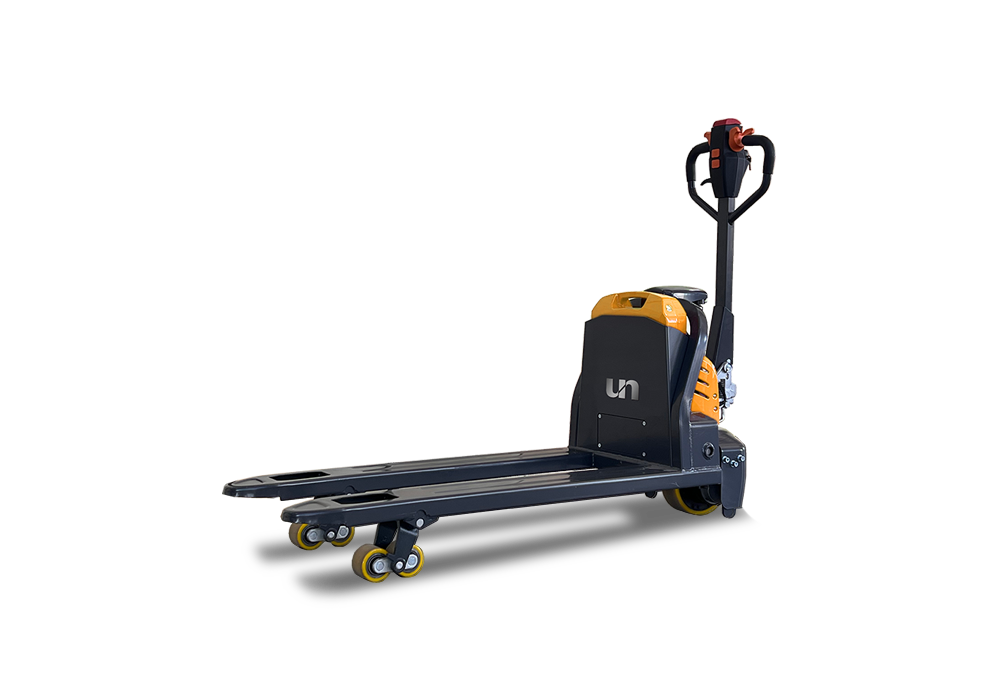
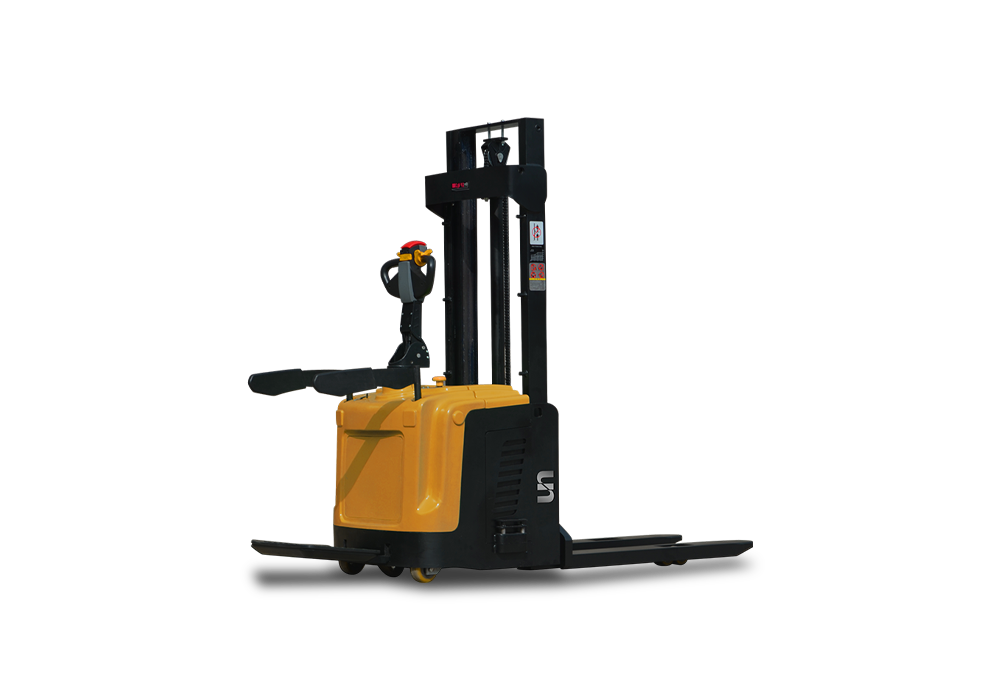
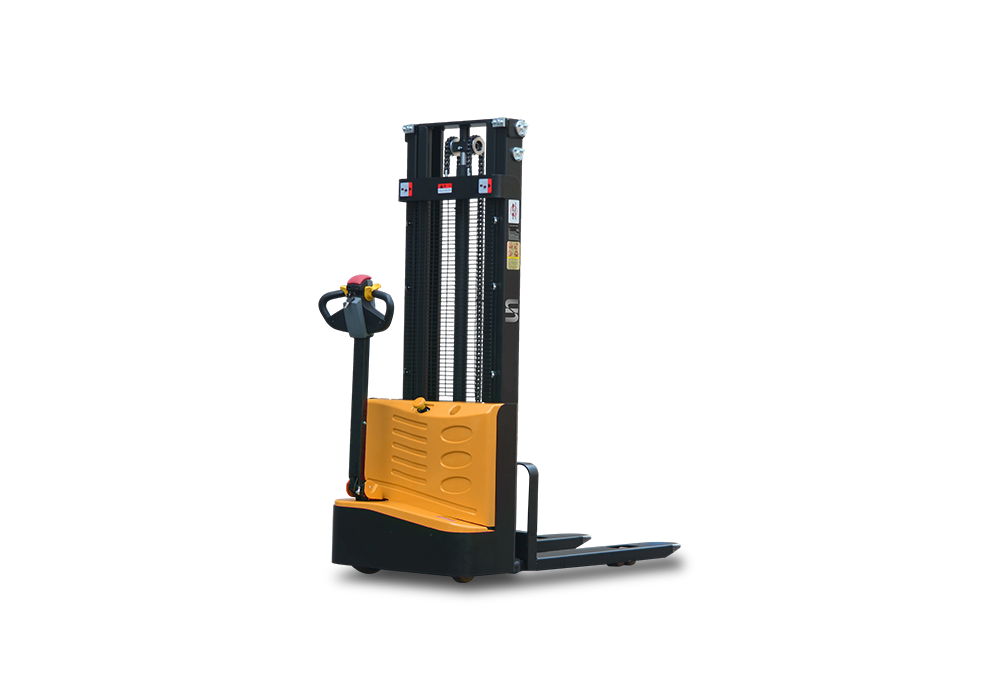
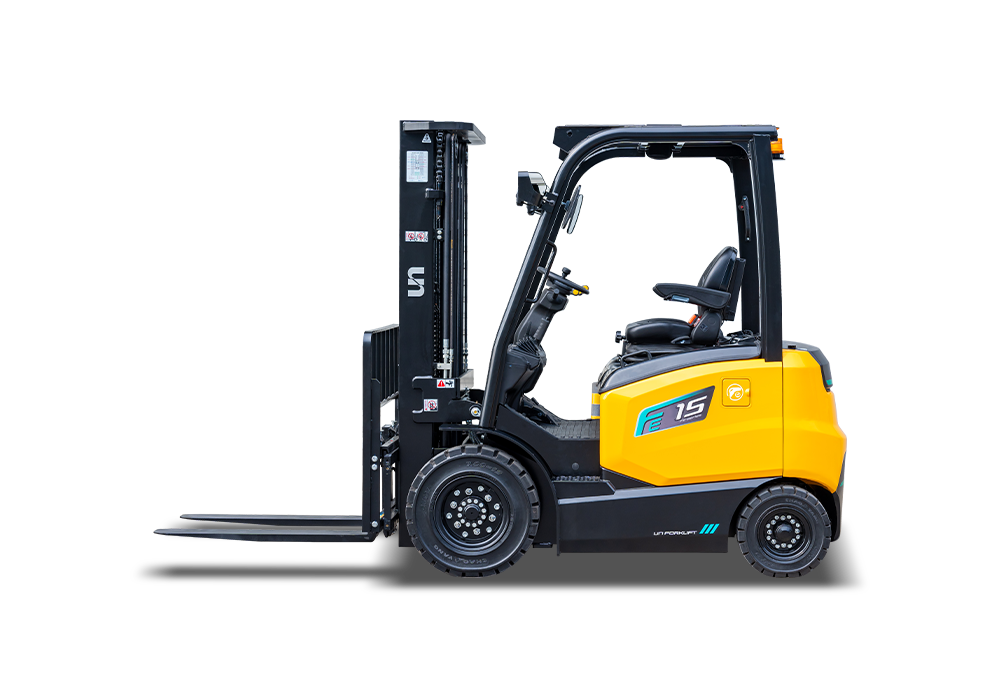
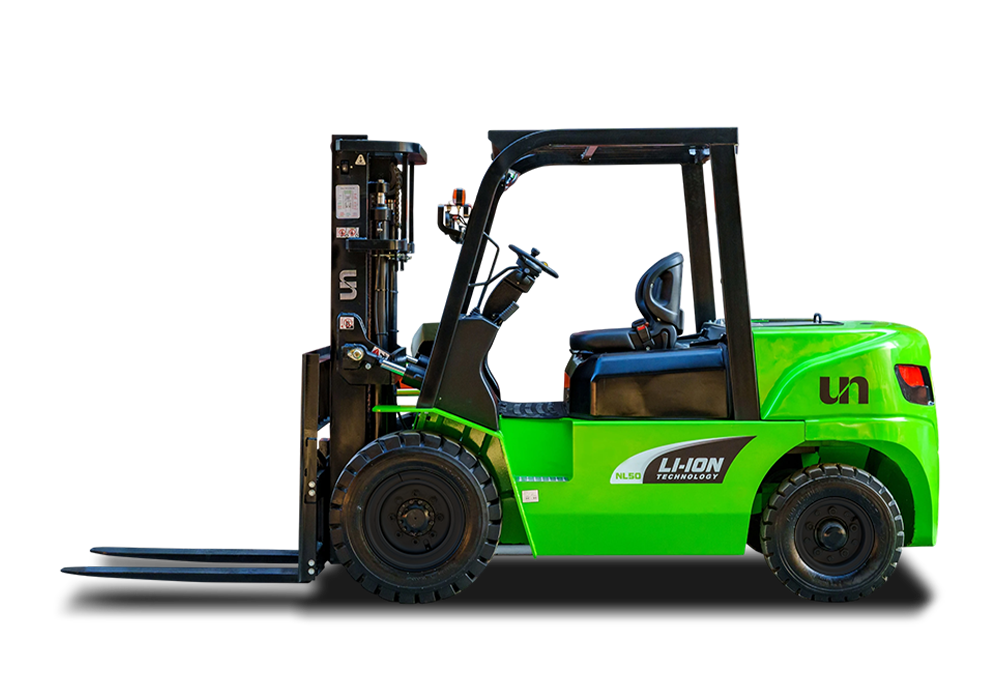
An electric forklift is a material handling vehicle powered by rechargeable batteries instead of diesel or LPG. It performs the same tasks as a traditional forklift—lifting, carrying, and stacking—but it runs on electricity.
These forklifts are commonly used indoors, but with advances in battery technology, they are increasingly used outdoors as well.
What Makes Electric Forklifts Different from Diesel Forklifts?
The biggest difference is the power source. Electric forklifts use batteries and an electric motor, while diesel forklifts use internal combustion engines.
This difference affects everything from noise levels to emissions to maintenance needs.
Why Is This Shift So Important Right Now?
There are three big reasons electric forklifts are gaining ground.
1. Cost Control
Electric forklifts often have lower operating costs. Electricity is usually cheaper than diesel or LPG, and maintenance is simpler because there are fewer moving parts.
When you add up fuel, service, and downtime, electric forklifts can be more economical over time.
2. Cleaner Work Environments
Electric forklifts produce zero tailpipe emissions, which is a huge advantage indoors. In warehouses, food plants, and cold storage facilities, air quality matters a lot.
Even in open-air operations, the reduced emissions can help companies meet sustainability goals.
3. Worker Comfort and Safety
Electric forklifts are quieter and generate less vibration than combustion forklifts. That matters in a workplace where operators spend long shifts on the machine.
Less noise also means better communication and fewer distractions.
When Are Electric Forklifts the Best Choice?
Electric forklifts are not a one-size-fits-all solution, but they are ideal in many situations.
Indoor Warehouses and Factories
When air quality and noise are concerns, electric forklifts are often the best option.
Cold Storage and Food Processing
These environments often require clean, emission-free equipment. Electric forklifts fit the bill.
High Utilization Operations
Businesses that run forklifts for long hours can benefit from electric models if they manage charging correctly.
Short to Medium Distance Transport
Electric forklifts are great for frequent stop-and-go tasks, like moving pallets around a warehouse.
How Do Electric Forklifts Actually Work?
At a basic level, they are simpler than combustion forklifts.
Battery Pack
The battery is the heart of the system. Most electric forklifts use lead-acid or lithium-ion batteries.
Lead-acid is common and cost-effective, while lithium-ion offers faster charging and longer life but costs more upfront.
Electric Motor and Controller
The electric motor provides torque to the wheels and the lifting mechanism. The controller manages power delivery and performance.
Modern controllers can optimize efficiency and improve acceleration and braking.
Charging System
Electric forklifts need regular charging. The charging strategy depends on the battery type and work schedule.
Some facilities use opportunity charging, while others prefer a full-charge overnight routine.
What Are the Real Benefits That Matter to Buyers?
Manufacturers usually highlight the obvious advantages, but there are also practical benefits that often get overlooked.
Lower Maintenance Requirements
Electric forklifts don’t have oil changes, exhaust systems, or fuel filters. This reduces maintenance time and costs.
Consistent Performance
Electric forklifts deliver consistent torque and smooth control. This improves handling and reduces operator fatigue.
Better Indoor Air Quality
No emissions means a safer working environment, especially in enclosed spaces.
What Are the Trade-Offs?
Electric forklifts are not perfect for every scenario.
Battery Management Is Critical
Without a proper charging plan, battery life can suffer and downtime can increase.
Some operators underestimate how much planning charging requires.
Initial Cost Can Be Higher
Electric forklifts usually cost more upfront than diesel models. Buyers must look at total cost of ownership, not just purchase price.
Charging Infrastructure Needs Space
Charging stations require space, and in some facilities, that space can be hard to allocate.
Electric Forklift Comparison Table
| Aspect | Electric Forklift | Diesel/LPG Forklift |
|---|---|---|
| Energy Source | Battery | Fuel |
| Operating Cost | Lower (often) | Higher fuel costs |
| Emissions | Zero tailpipe emissions | Emissions present |
| Noise | Quiet | Louder |
| Maintenance | Simpler | More complex |
What Should Buyers Pay Attention To?
Choosing an electric forklift is more than picking a model. It’s about matching the machine to the job.
Battery Type and Capacity
Lead-acid batteries are cheaper but need more care. Lithium-ion batteries are expensive but easier to manage.
Charging Strategy
Ask yourself: Do you have a place to charge? Do you need opportunity charging or overnight charging?
Work Cycle and Load Requirements
Electric forklifts work best with predictable load patterns. If your workload is irregular, you need to plan carefully.
Operator Training
Electric forklifts handle differently. Proper training improves safety and efficiency.
Final Thoughts from a Manufacturing Perspective
Electric forklifts are not just a product. They are a solution to modern warehouse challenges.
As battery technology improves and operating costs rise, electric forklifts will continue to replace combustion models in many environments.
Manufacturers who focus on real performance, battery reliability, and practical maintenance support will win in this market.
For buyers, the key is not to chase the newest model. It is to choose a forklift that fits the workload, supports the operation, and keeps downtime low.
When those factors align, electric forklifts can deliver strong value and a safer, cleaner workplace.
For exclusive deals and latest offers, sign up by entering your email address below.
Stay In Touch
ADDRESS : NO.1 ROAD ONE, XINDENG NEW DISTRICT, FUYANG, HANGZHOU, ZHEJIANG, CHINA 311404.
PHONE : +86-571-8688 8355 (AMERICA)
PHONE : +86-571-8886 9363 (EUROPE)
PHONE : +86-571-8688 8377 (ASIA, AFRICA, OCEANIA)
EMAIL : [email protected]
EMAIL : [email protected](PARTS INQUIRY)

