


 中文简体
中文简体 Français
 русский
 Español
 عربى
عربى Deutsch



Daily Forklift Inspection Checklist PDF: What to Check Before Every Shift
Admin 2026-09-20A few minutes before the shift starts, an operator walks around the forklift, checks the chain tension, looks under the mast, and notices a small hydraulic leak. That quick find, recorded on a daily forklift inspection checklist PDF, prevents a full shift interruption and a potentially serious load drop. A daily pre-shift inspection is not just a regulatory formality; it is a decision-making tool that keeps your fleet productive and your workplace safe.
What a Daily Forklift Inspection Checklist PDF Should Cover
Every reliable daily forklift inspection checklist PDF follows a simple rhythm: key-off visual checks, then key-on operational checks. The key-off pass lets the operator look at structural parts and fluid levels without the distraction of a running truck. The key-on pass confirms that the controls, brakes, and safety systems actually respond when asked.
The table below summarizes the areas most daily checklists include.
| Inspection area | What to look for | Phase |
|---|---|---|
| Mast, chains, and carriage | Cracks, damaged welds, loose chain tension, worn rollers | Key-off |
| Forks and fork pins | Cracks, bends, excessive heel wear, missing retaining pins | Key-off |
| Tires and wheels | Cut rubber, chunking, low pressure in pneumatic tires, loose lug nuts | Key-off |
| Fluid levels | Engine oil, coolant, hydraulic oil, brake fluid | Key-off |
| Leaks | Puddles or wet film under the truck, along hoses, and around fittings | Key-off |
| Battery and charging system (electric) | Charge level, terminal corrosion, cable insulation, electrolyte level where serviceable | Key-off |
| Engine and exhaust (internal combustion) | Oil level, radiator coolant, belt condition, visible exhaust leak | Key-off |
| Operator controls | Lift, lower, tilt, steering, horn, and auxiliary hydraulics | Key-on |
| Brakes | Service brake stops promptly; parking brake holds on a slight incline | Key-on |
| Safety devices | Seatbelt, lights, reverse alarm, mirrors, strobe, and flashing beacon | Key-on |
The key-off inspection should take about five minutes. The key-on inspection should take another five. On an internal combustion truck, the operator also watches for exhaust smoke and listens for abnormal engine noises. On an electric truck, the equivalent checks are battery state of charge, cable temperature during travel, and any fault codes on the display.
An internal combustion forklift has engine-specific items that need a separate line on the form, such as the air filter restriction indicator or the low-oil-pressure warning lamp. A lithium-ion electric forklift replaces coolant and oil checks with a battery management system check and a quick look at the charging socket area.
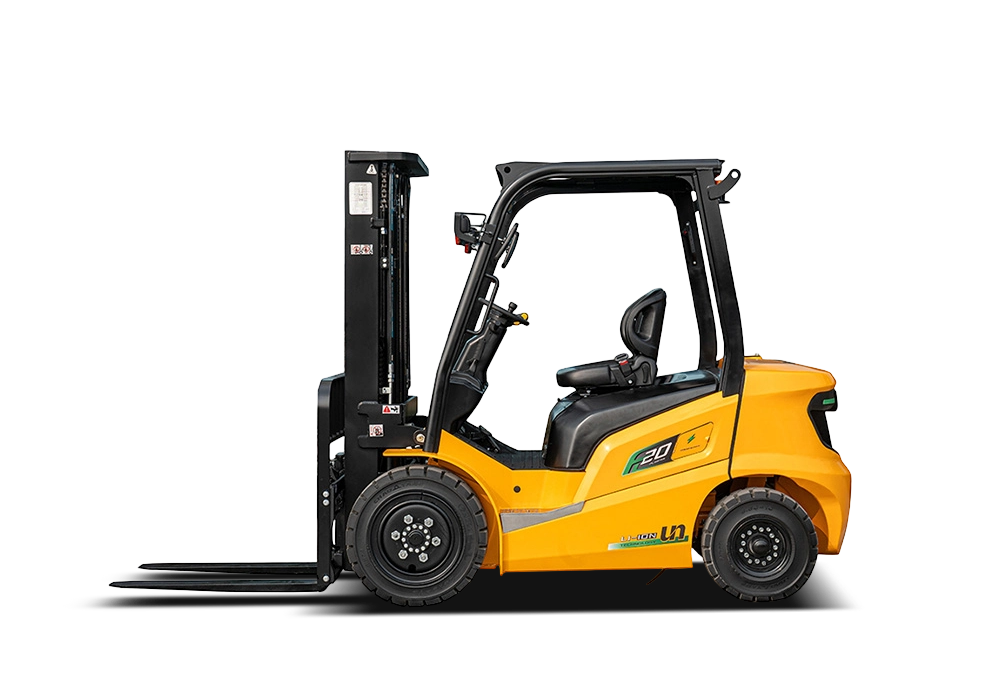
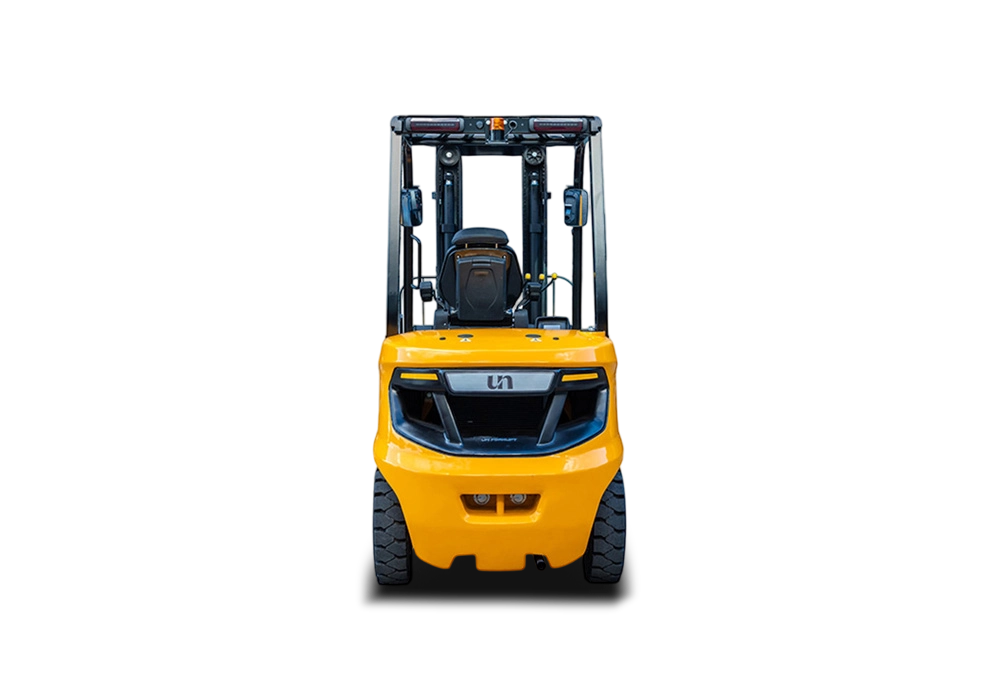 F Series 2.0T-2.5T Diesel Forklift with Redesigned FeaturesThis diesel forklift model includes engine-specific inspection points like air filter restriction and low-oil-pressure warning, making it relevant for daily checklists covering internal combustion units.View Product →
OSHA 1910.178 and Your Inspection Record
OSHA's powered industrial truck standard requires that forklifts be examined at least daily before being placed into service. If the forklift is used around the clock, each shift has to perform its own inspection. The operator or another designated employee does the check, and any defect must be reported immediately. If the defect makes the truck unsafe, the truck is placed out of service until the problem is corrected.
While OSHA focuses on the act of inspection rather than a specific form, your records still matter. A signed daily forklift inspection checklist PDF is the evidence you can show to an auditor, a safety inspector, or an insurance adjuster. It also gives the maintenance team a clear history of what was observed and when.
Keep the completed sheets for at least six months to a year. Many fleet managers keep a full year of records because that cycle matches seasonal workload changes and allows them to spot recurring equipment problems.
Why a PDF Works as the Daily Inspection Format
A daily forklift inspection checklist PDF is practical because it behaves the same way everywhere. You can print it on paper, post it on a clipboard, or load it into a tablet. The layout is fixed, so your operators always see the same items in the same order. You can also archive completed PDF copies in a folder without worrying about file format changes.
Yet a checklist only protects your operation if people actually use it. Keep the form short. If a daily inspection sheet has more than twenty boxes, operators will rush through it and start checking boxes without looking. A focused list of ten to fifteen items is more reliable.
Another risk is pencil-whipping, when an operator signs the sheet without performing the inspection. This happens more often when operators feel pressured to start work quickly. You can reduce it by rotating the order of a few items, spot-checking trucks after inspections, and making the inspection part of the shift handover procedure. These small changes tie daily checks into a broader approach to forklift use safety.
When the fleet includes electric forklifts, the daily form has to reflect the different power source. Instead of engine oil and coolant, operators check the battery charge, terminal connections, cable insulation, and the charging connector. Lithium-ion models simplify the routine because sealed battery packs do not require electrolyte checks, but the charging port and battery management system still need a visible line on the form.
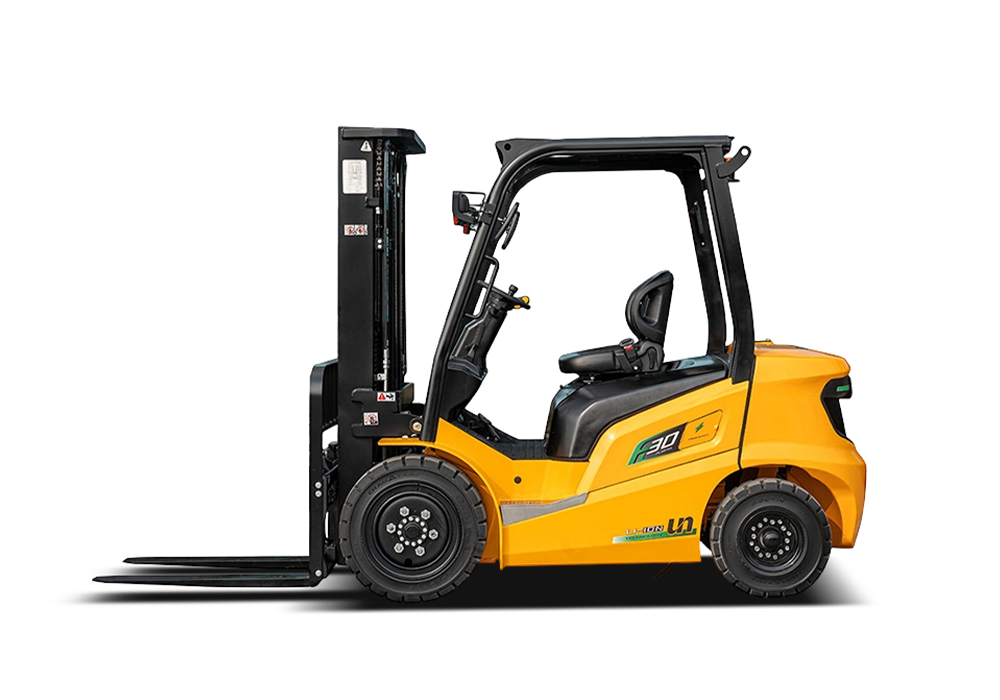
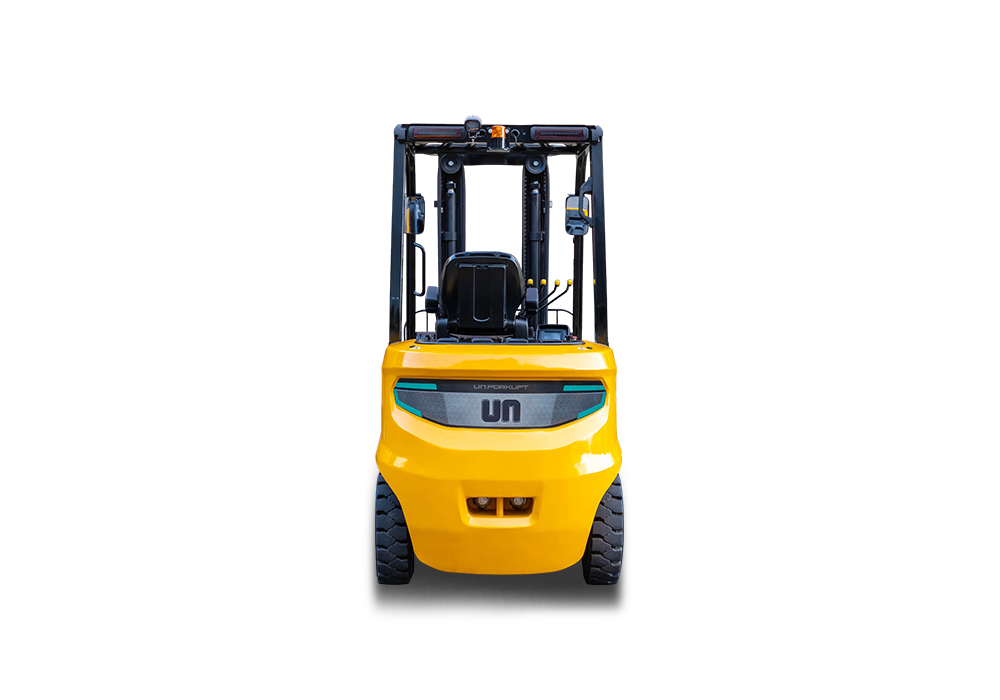 FH Series 3.0T-3.5T High Voltage Li-ion ForkliftThis electric forklift uses sealed lithium-ion battery packs, simplifying daily inspections to battery management system and charging port checks, fitting the paragraph's focus on electric fleet forms.View Product →
Practical Tips for Building Your Own Checklist
Start with a standard daily forklift inspection checklist PDF template, then customize it for the specific models in your fleet. A diesel forklift may need a line for the diesel particulate filter or the exhaust system; an LPG unit needs a hose and tank replacement date; an electric truck needs a battery voltage check. If you operate several different models, create one base list and add a model-specific section for each truck type.
Use clear checkboxes and a short comments column. Include fields for the operator's name, date, time, truck ID, and hour meter reading. Ask the operator to write exactly what was found, not just "not okay." For example, "hydraulic hose leaking near the mast" is far more useful to the mechanic than a single X mark.
Training is part of the checklist process. Before a new operator is allowed to inspect a truck alone, walk through every line of the form while the truck is parked. Explain how to check chain tension, what level of tire wear is acceptable, and how to test the parking brake on a ramp. Training gives the checklist meaning.
Use the data from daily checks to plan maintenance. If two operators report a weak tilt function in the same week, that is a signal for the service team to look at the hydraulic control valve instead of waiting until the truck fails. A daily inspection flow feeds directly into warehouse logistics operations and prevents unplanned downtime.
A daily forklift inspection checklist PDF is not an office exercise. It is a fast, repeatable way for operators to catch damage before it becomes an accident, for maintenance teams to get early warning, and for safety managers to prove compliance. Keep the form short, match it to the power type of each truck, train your operators, and review the records monthly. The ten minutes you spend on a pre-shift check can save an entire shift of downtime.
For exclusive deals and latest offers, sign up by entering your email address below.
Stay In Touch
ADDRESS : NO.1 ROAD ONE, XINDENG NEW DISTRICT, FUYANG, HANGZHOU, ZHEJIANG, CHINA 311404.
PHONE : +86-571-8688 8355 (AMERICA)
PHONE : +86-571-8886 9363 (EUROPE)
PHONE : +86-571-8688 8377 (ASIA, AFRICA, OCEANIA)
EMAIL : [email protected]
EMAIL : [email protected](PARTS INQUIRY)

