


 中文简体
中文简体 Français
 русский
 Español
 عربى
عربى Deutsch



Forklift Dashboard Symbols and Meanings: Decode Warning Lights Safely Today
Admin 2026-10-15At a distribution center in Rotterdam, an operator climbs into a 3-ton electric forklift and sees a red battery symbol with a plus and minus. The truck still moves, so he continues. Twenty minutes later, the lift interrupts mid-pallet, blocking an aisle and triggering a two-hour recovery. The symbol was not a suggestion; it was a stop command.
Dashboard symbols are not decorative. They are a standardized language: red means stop now, amber means service soon, green or blue means information only. If you can read the colors, you can prevent most warning-related breakdowns. This guide explains the symbols you will see on internal combustion and electric forklifts, what they mean, and what to do next.
The color code that overrides every symbol
Before you identify the exact icon, check the color. ISO 3864 and common forklift practice use four color families. Red indicates a safety hazard or immediate risk. Amber indicates a condition that needs attention soon. Green indicates normal operation or a safe state. Blue indicates information, such as high beams or a system being active.
| Color | Meaning | Typical examples | Action |
|---|---|---|---|
| Red | Stop immediately | Engine oil pressure, brake failure, battery over-temperature | Park safely, lower forks, turn off, report fault |
| Amber | Service soon | Coolant temperature, transmission oil, hydraulic filter | Finish task if safe, check manual, schedule service |
| Green | Normal or active | Directional indicators, system ready | No action unless paired with red or amber |
| Blue | Information | High beam, regenerative braking active | Note and continue |
Figure 1 shows the recommended response window for each color. Red leaves no room for delay. Amber gives you a short window to plan. Green and blue are informational.
Figure 1: Recommended response window by warning color.
Internal combustion forklift symbols: engine, oil, and fuel
Diesel, gasoline, and LPG forklifts have more fluid systems than electric models, so their dashboards carry more warning lights. The most common symbols are:
- Engine oil pressure: an oil can with a drop. Red. Stop immediately; low oil pressure can destroy the engine in minutes.
- Coolant temperature: a thermometer standing in waves. Amber or red. If red, stop and let the engine cool before checking the coolant level.
- Battery charge: a battery with a plus and minus. Red. The alternator is not charging; the truck will run only until the battery drains.
- Fuel level: a fuel pump. Amber. Refuel before the tank runs dry, which can introduce air into the fuel system.
- Air filter: a filter with an arrow. Amber. Restricted airflow reduces power and increases fuel consumption.
- Hydraulic filter: a filter with an oil drop. Amber. Contaminated hydraulic oil damages pumps and valves.
- Transmission oil temperature: a gear with a thermometer. Amber. Stop heavy loading until the oil cools.
- Brake system: a circle with an exclamation mark and parentheses. Red. Brake failure is an immediate safety risk.
- Parking brake: a P inside a circle. Red or green. Release before driving; engage when parking.
- Seat belt: a person with a diagonal belt. Red or amber. Fasten the belt before moving.
- Glow plug: a coil symbol. Amber. Wait for it to go out before starting a cold diesel engine.
- Water in fuel: a fuel pump with a water drop. Amber. Drain the water separator to protect the injection system.
- DPF regeneration: an engine with an arrow. Amber. The diesel particulate filter is burning off soot; follow the manual for parked regeneration.
These symbols are standardized by ISO 3767-1, but manufacturers sometimes add their own variations. Always keep the operator manual in the cab.
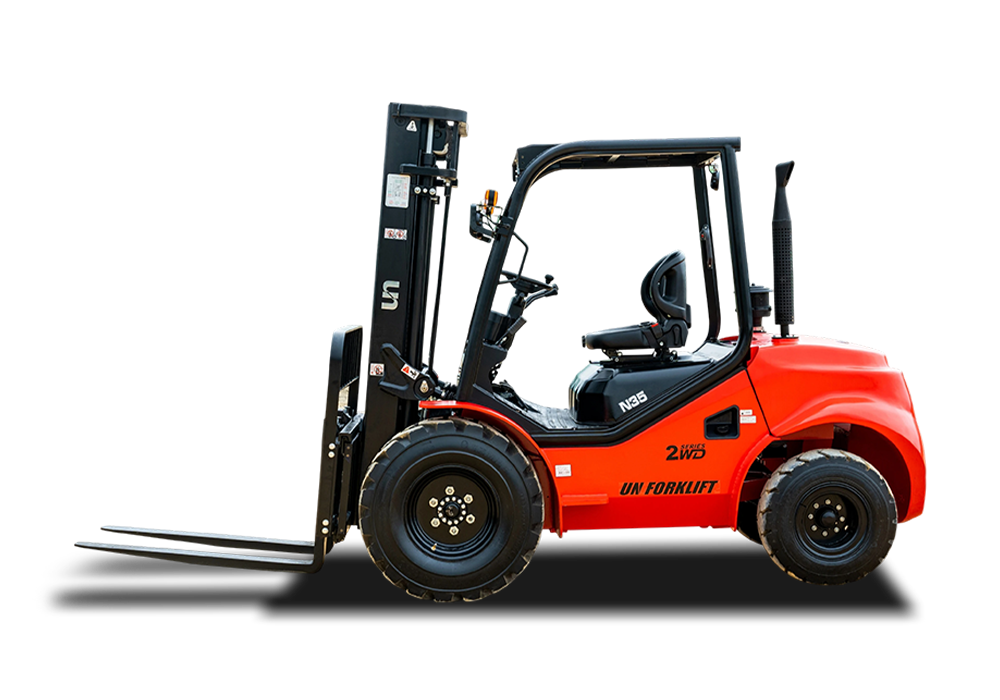
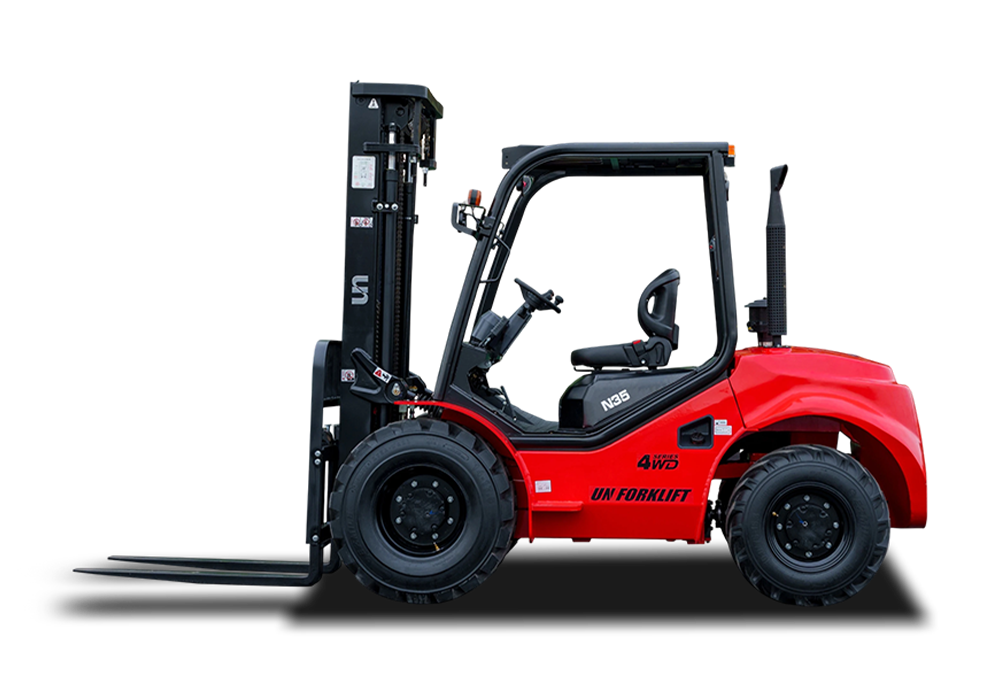
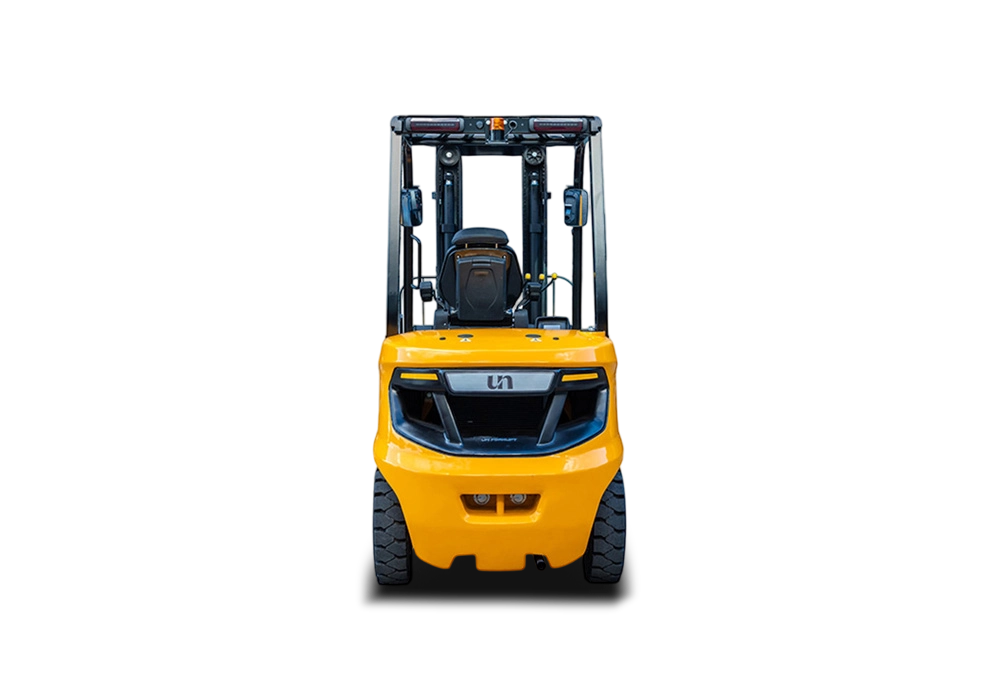 F Series 2.0–2.5T Diesel Forklift for Heavy-Duty FleetsFor operators reviewing warning symbols, this 2.0–2.5T diesel forklift provides engine options and specifications for heavy-duty fleet use.View Product →
For fleets that run diesel and LPG trucks in heavy duty cycles, a pre-shift check of these symbols prevents most roadside breakdowns. A 2.0–3.5 t IC forklift, for example, will show oil pressure and coolant temperature warnings before major damage occurs, but only if the operator acts.
Electric forklift dashboard: BDI, lift interrupt, and battery care
Electric forklifts replace engine warnings with battery and motor warnings. The most important symbol is the battery discharge indicator, or BDI. It usually looks like a battery with segments or a percentage. A typical lead-acid BDI shows:
- 100–80%: green segments. Normal operation.
- 80–50%: yellow or amber segments. Plan a battery change or charge.
- 50–30%: red segments. Finish the current task and return to the charging area.
- Below 30%: flashing red. The lift interrupt will soon activate to protect the battery.
The lift interrupt symbol often looks like a lift mast with a slash or a turtle. When it appears, the hydraulic lift stops working, but the drive may still move. This is not a fault; it is a battery protection feature. Continuing to use the truck will shorten battery life and may strand the forklift away from the charger.
Other electric forklift symbols include:
- Battery water level: a battery with water drops. Amber. Check and top up with distilled water after charging.
- Charger connected: a plug symbol. Green or blue. The truck is charging; do not drive.
- Motor temperature: a motor with a thermometer. Amber or red. Stop heavy climbing or continuous lifting until the motor cools.
- Controller fault: a lightning bolt with an exclamation mark. Red. The controller has detected a fault; note the code and call service.
- Emergency stop: a red button symbol. Red. The emergency stop is engaged; reset it before operation.
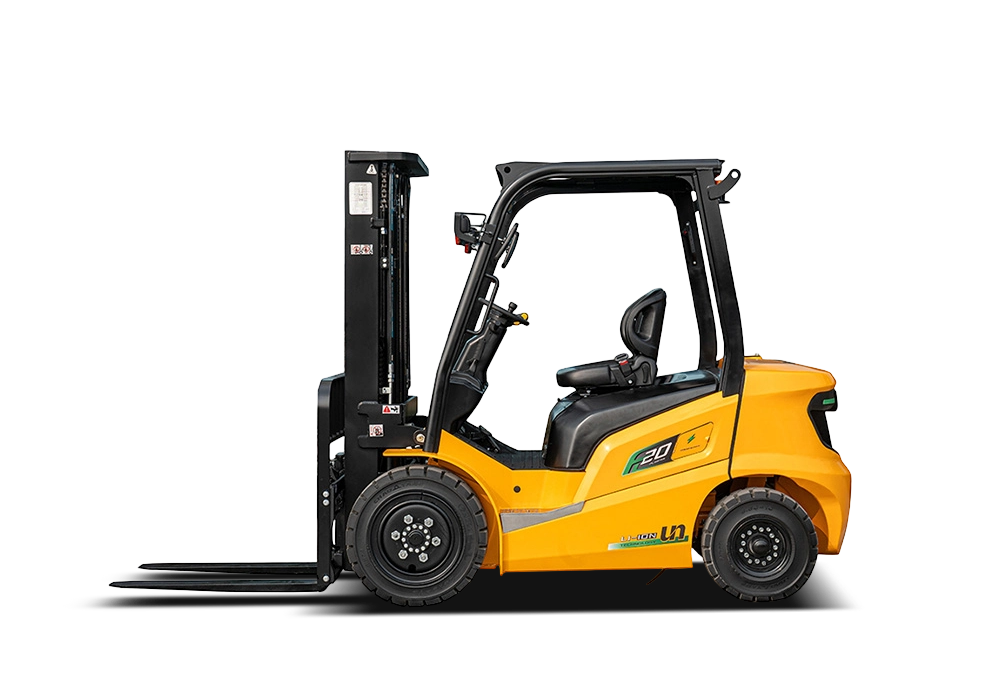
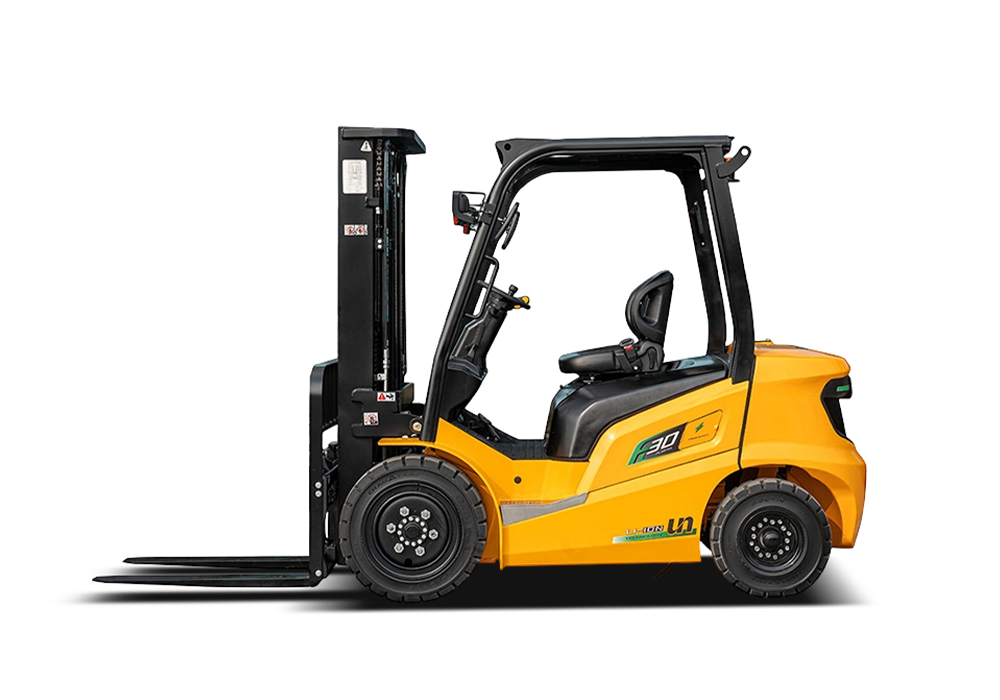
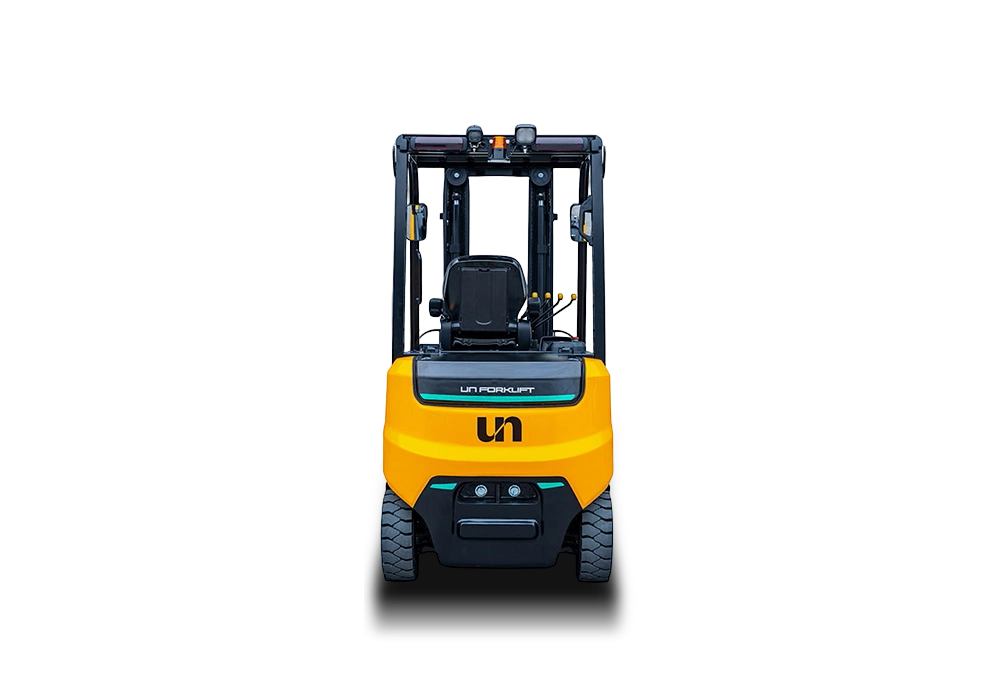 FE Series 2.0–2.5T Four-Wheel Electric ForkliftThis 2.0–2.5T electric forklift suits indoor handling and includes battery options, AC drive, and dashboard symbols operators monitor.View Product →
A 2.0–2.5 t four-wheel electric forklift is a common warehouse workhorse. Its dashboard is simpler than an IC truck, but the BDI and lift interrupt are the two symbols operators must never ignore.
Symbols that look alike and how to avoid misdiagnosis
Two icons can look almost identical at a glance. Misreading them leads to wrong repairs, unnecessary downtime, or safety risks. Here are the most common confusions:
- Engine oil pressure vs. hydraulic oil pressure: both use an oil can, but the hydraulic symbol often includes a gear or a filter. Engine oil pressure is red and requires immediate stop. Hydraulic oil pressure may be amber and allows you to finish a task.
- Coolant temperature vs. transmission oil temperature: both use a thermometer, but coolant sits in waves, while transmission oil sits in a gear. Coolant overheating can warp the cylinder head; transmission overheating damages clutches.
- Battery charge vs. battery water level: charge uses a battery with plus and minus. Water level uses a battery with water drops. Confusing them can leave you adding water to a maintenance-free battery or ignoring a charging fault.
- Brake system vs. parking brake: brake system is a circle with an exclamation mark and parentheses. Parking brake is a P inside a circle. Both are red, but the brake system warning means a hydraulic or air failure, while the parking brake warning simply reminds you to release the lever.
- DPF regeneration vs. engine fault: DPF regeneration uses an engine with an arrow. Engine fault uses an engine with an exclamation mark or a check engine symbol. Regeneration is a normal process; engine fault requires diagnosis.
When in doubt, check the operator manual. If the manual is missing, request a symbol chart from the manufacturer. A laminated chart in the cab is a low-cost way to prevent expensive mistakes.
A simple decision tree for operators
Use this decision tree when a warning light appears. It takes less than ten seconds and keeps the response consistent across shifts.
- Red warning: Stop immediately. Park safely, lower forks, turn off the truck, and report the fault.
- Amber warning: Complete the current task if it is safe to do so. Then check the manual and schedule service within the shift.
- Green or blue warning: Note the information. No immediate action unless the light is paired with a red or amber warning.
This tree is not a substitute for the operator manual, but it gives a clear first response. It also prevents the most common error: continuing to work with a red warning because the truck still moves.
Training and procurement: turn symbols into a safety culture
Dashboard symbols only work if operators understand them. During pre-shift inspections, ask operators to point to the warning lights and explain what they would do. Include a symbol chart in every cab. If your fleet includes multiple brands, create a master chart that maps each brand’s icons to the standard ISO 3767-1 meanings.
When purchasing or renting a forklift, make symbol clarity part of your checklist. Ask for a dashboard symbol chart in the language of your operators. Verify that the symbols are UV-resistant and legible from the operator’s seat. Check that red and amber lights are distinguishable in bright sunlight and that the truck does not rely on a single combined warning lamp for multiple faults.
For warehouse and logistics operations, standardizing dashboard interpretation across a mixed fleet reduces unplanned downtime and improves safety. Forklift safety practices start with understanding what the machine is telling you.
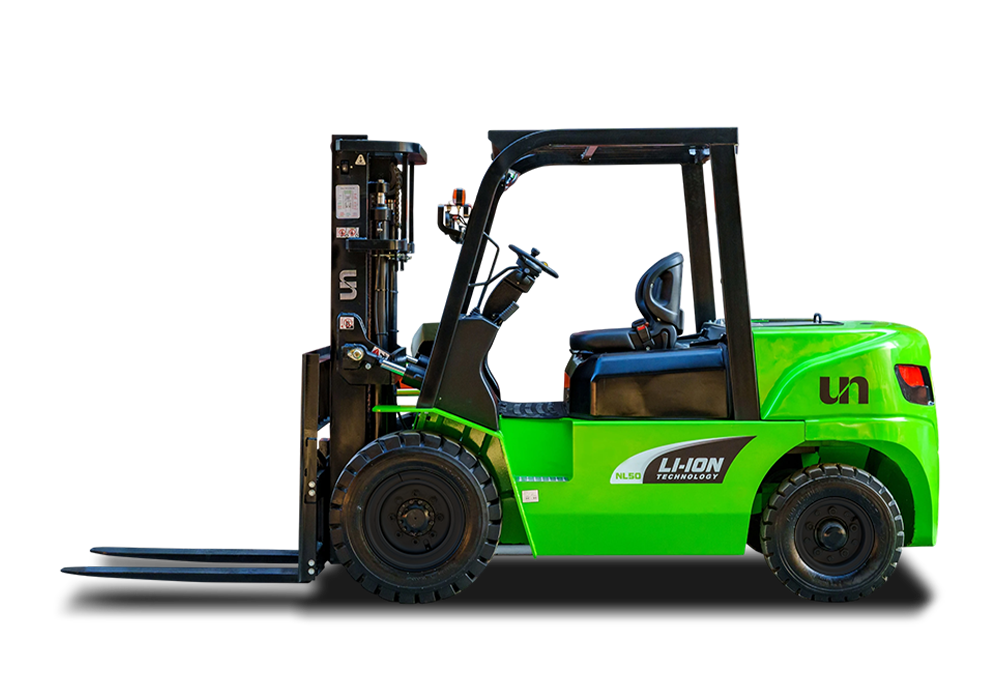
Modern lithium-ion forklifts often replace traditional BDI bars with a percentage state-of-charge and a cell balancing icon. These symbols are easier to read, but they still require training. A lithium-ion truck may also show a high-voltage warning or a battery temperature icon. Treat any red battery symbol as a stop command, even if the truck seems to drive normally.
For exclusive deals and latest offers, sign up by entering your email address below.
Stay In Touch
ADDRESS : NO.1 ROAD ONE, XINDENG NEW DISTRICT, FUYANG, HANGZHOU, ZHEJIANG, CHINA 311404.
PHONE : +86-571-8688 8355 (AMERICA)
PHONE : +86-571-8886 9363 (EUROPE)
PHONE : +86-571-8688 8377 (ASIA, AFRICA, OCEANIA)
EMAIL : [email protected]
EMAIL : [email protected](PARTS INQUIRY)

