


 中文简体
 Français
 русский
 Español
 عربى
 Deutsch




Forklift Driving Licence: What It Is, How to Get Certified, and What It Costs
Admin 2026-10-22A warehouse manager in the middle of hiring asks a question we hear most weeks: the new picker starts Monday, he already holds a car driving licence, so does he need a forklift driving licence as well? Getting this wrong is expensive in two directions. Leave an untrained operator on a truck and you carry a legal exposure plus a very real risk to racking, stock and people. Train the wrong class and you spend money on certification nobody can use.
The short answer: in the United States, the United Kingdom and most other markets, there is no government-issued forklift driving licence. What authorises a person to sit on a powered industrial truck is training plus a documented evaluation, signed off by the employer, covering the specific truck types and the specific site where the work happens. A road driving licence is a separate matter and, in most jurisdictions, is not a legal prerequisite for operating a forklift.
What follows explains what that means in practice: what the training must contain, why the truck class changes everything, what certification costs, and how to keep a fleet's records audit-ready.
The Short Answer: There Is No Government Forklift Driving Licence
In the US, OSHA's Powered Industrial Trucks standard, 29 CFR 1910.178(l), requires that every operator be trained and evaluated before operating a truck, and re-evaluated at least once every three years. OSHA issues no licences, and neither does any state motor vehicle department. The certification is a record held by the employer: it names the operator, the truck class, the date, and the person who carried out the evaluation.
The UK works the same way. The HSE's Rider-operated lift trucks: operator training and safe use (ACOP L117) sets out what good training looks like, and the certificate issued by an accredited body such as RTITB, ITSSAR, NPORS or LANTRA is what job adverts usually call a "licence". It is a training record, not a statutory permit, and the duty to confirm the operator is competent stays with the employer.
Two exceptions are worth knowing. If a truck is driven on a public road, the vehicle itself normally has to be road-legal, registered and insured, and the operator may need the correct road licence category. Separately, many employers and insurers require a full car licence as company policy, purely because it signals road sense — not because the law demands it.
- Does the person operate a powered industrial truck at work?
- No: no forklift training is required, but instruction is still sensible if they guide loads, spot for the operator or work in the traffic aisle.
- Yes: training plus a documented evaluation are required before the first shift.
- More than one truck class? A separate evaluation for each class.
- New site, new layout or a new attachment? Retrain before the next shift.
- Same truck, same site, no incidents? Refresh the evaluation at least every three years.
What Certification Actually Covers
A compliant programme has three parts, delivered in order: formal instruction, practical hands-on training, and an evaluation of the operator's performance in the actual workplace. Written tests alone do not satisfy the requirement, which is why an online course bought on Friday rarely stands up after an incident on Monday.
Trainers must cover two families of topics. Truck-related subjects include controls and instruments, capacity and stability, load handling, pre-use inspection, and the specific energy source — diesel, LPG, or battery charging and handling. Workplace-related subjects include floor surfaces, ramps and gradients, pedestrian traffic, narrow aisles, blind corners, overhead obstructions and the loads that site actually moves.
One consequence catches people out: the certification belongs to the truck class and the site. It does not transfer from a previous employer, and it does not automatically cover a different truck once the operator changes departments.
The Truck Class Determines What You Are Trained On
Training is organised by truck class, not by job title. Someone certified on a pedestrian pallet truck in a distribution centre is not authorised to climb into a counterbalance truck on the loading dock. This is the single most common gap we see in multi-truck operations.
| Class | Typical trucks | Training focus |
|---|---|---|
| I | Electric motor rider trucks, counterbalance sit-on and stand-on | Stability, battery charging, indoor surfaces |
| II | Narrow aisle reach trucks, order pickers | Mast reach, aisle discipline, working at height |
| III | Electric pallet trucks and stackers, walk-behind and rider | Pedestrian proximity, pallet entry, load stability |
| IV | Internal combustion trucks on cushion tyres | Exhaust and ventilation, LPG handling, tight turning |
| V | Internal combustion trucks on pneumatic tyres | Outdoor surfaces, gradients, heavier loads |
| VII | Rough terrain trucks | Uneven ground, slopes, attachment use |
Narrow-aisle equipment is where the class distinction bites hardest. A reach truck operating in a 2.7-metre aisle is a different skill set from a counterbalance truck in a yard, and in dense warehousing and logistics operations the two often run side by side on the same shift.
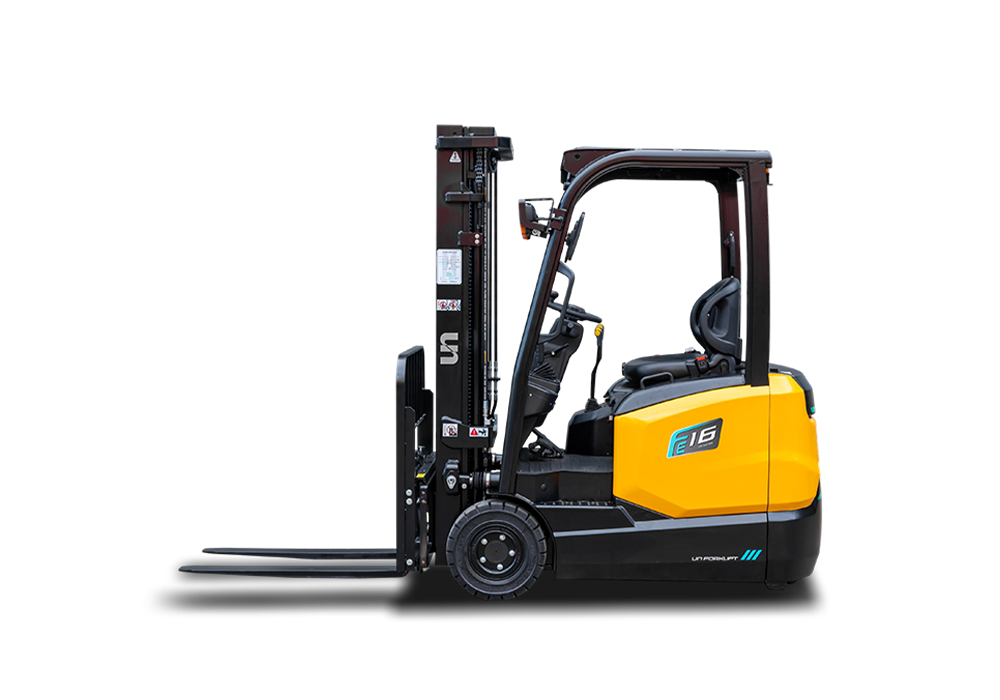 Three-Wheel Electric Forklift 1.6T-2.0T Series by UN ForkliftThis three-wheel electric series offers a tighter turning radius for narrow aisles, but operators must understand rear-steer geometry before working at speed.View Product →
Truck design also shapes how much training is needed. Three-wheel electric models such as the FE series 1.6–2.0 t turn inside a tighter radius than a four-wheel counterbalance of the same capacity, which is useful in constrained racking but demands that the operator understands the rear-steer geometry before working at speed.
How the Training and Evaluation Process Runs
The sequence below is standard across accredited providers and in-house programmes alike.
- Identify the truck classes and site conditions the operator will actually work in.
- Complete classroom or formal instruction, including stability theory and the relevant regulations.
- Practise basic control, load handling and inspection on the truck under supervision.
- Work through site-specific tasks: racking heights, aisle widths, ramps, doorways and pedestrian routes.
- Undergo a practical evaluation, usually scored against a checklist of manoeuvres and safety behaviours.
- Sign the certification record and file it, together with the evaluation date and the next review date.
These are typical novice durations for accredited training. Experienced operators moving between similar classes often compress the course, while completely new operators on a counterbalance truck with no prior machinery experience usually sit at the upper end.
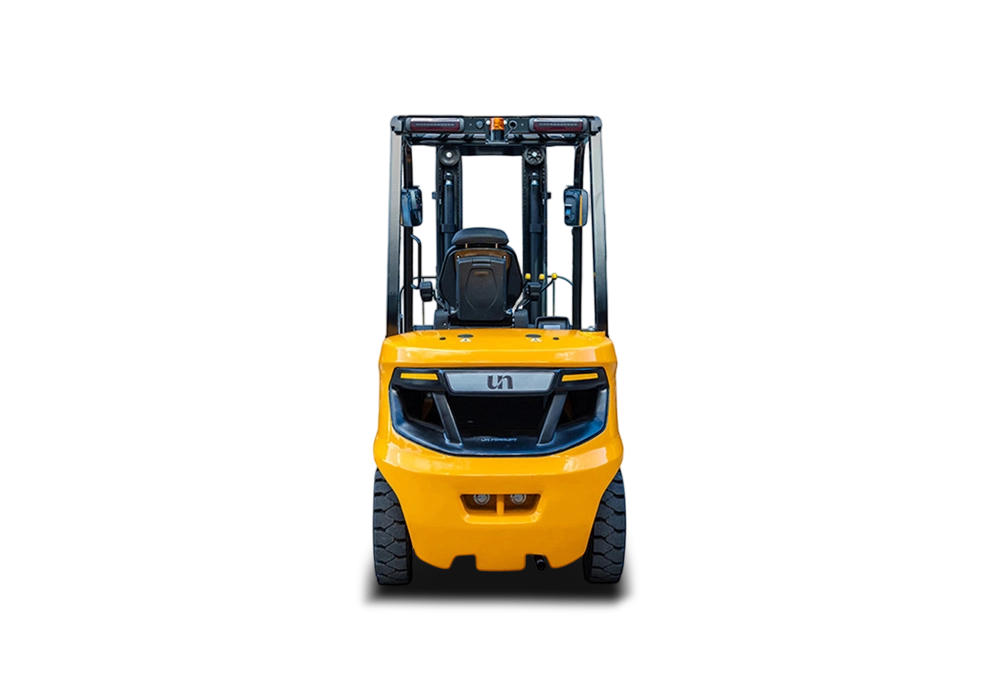 UN Forklift F Series 2.0T-2.5T Diesel ForkliftThis 2.0–2.5 t diesel counterbalance truck is a common platform for operator training, with features like load-sensing steering and OPS.View Product →
Most hands-on training happens on a 2.0–3.5 t counterbalance truck because that is the class most operators meet first, and it teaches load centre and stability in the least forgiving way before the operator graduates to specialist equipment.
What Certification Costs and How Long It Takes
| Format | Typical duration | Indicative cost per operator |
|---|---|---|
| Online theory certification (US) | 1–3 hours | $50–$150 |
| On-site classroom plus practical (US) | 1–2 days | $150–$500 |
| Train-the-trainer, in-house (US) | 2–3 days | $1,000–$3,000 per trainer |
| Novice counterbalance, accredited (UK) | 3–5 days | £450–£900 |
| Novice reach truck, accredited (UK) | 3–4 days | £450–£850 |
| Experienced-operator or refresher (UK) | 1 day | £150–£350 |
The hidden cost is not the course fee, it is the lost operating hours. Five days off the floor for one counterbalance operator is a bigger line item than the certificate itself, which is why many fleets train in small cohorts during slow shifts and put one or two staff through train-the-trainer programmes so new hires can be certified on site.
Compliance Gaps That Show Up in Audits
- Expired evaluations. Three years passes quickly when a shift rota is stable, and an incident review will check the date on the record first.
- Class creep. An operator certified on a pallet truck is asked to cover a reach truck during a busy week. The paperwork never catches up.
- New attachments and layouts. Adding a rotator, a longer fork or a new mezzanine changes the risk profile and triggers retraining.
- Single-site assumption. Certification from one warehouse does not follow a transfer to a second building with different racking and traffic flow.
- Untrained pedestrians. Most serious incidents involve people on foot, and pedestrian awareness is part of the workplace-related training, not an optional extra.
How Truck Choice Shapes Training and Running Costs
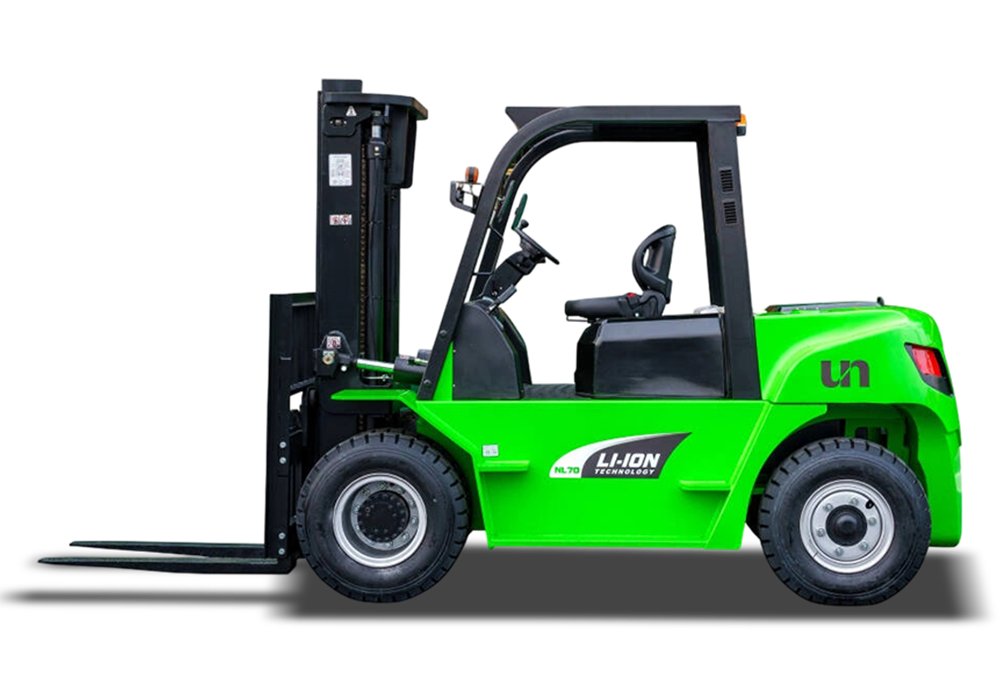
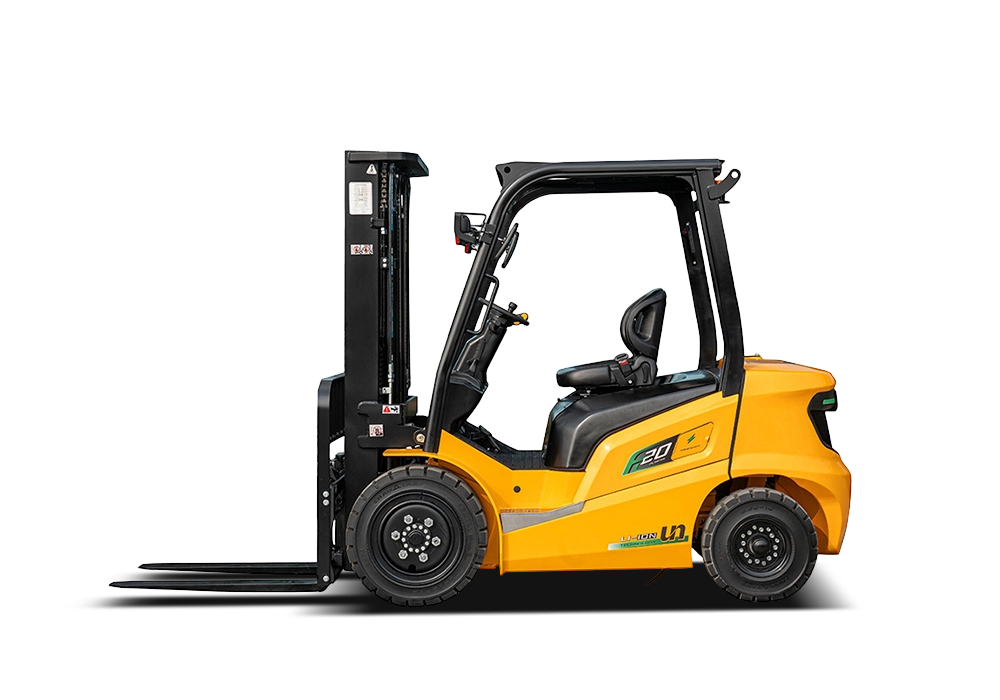
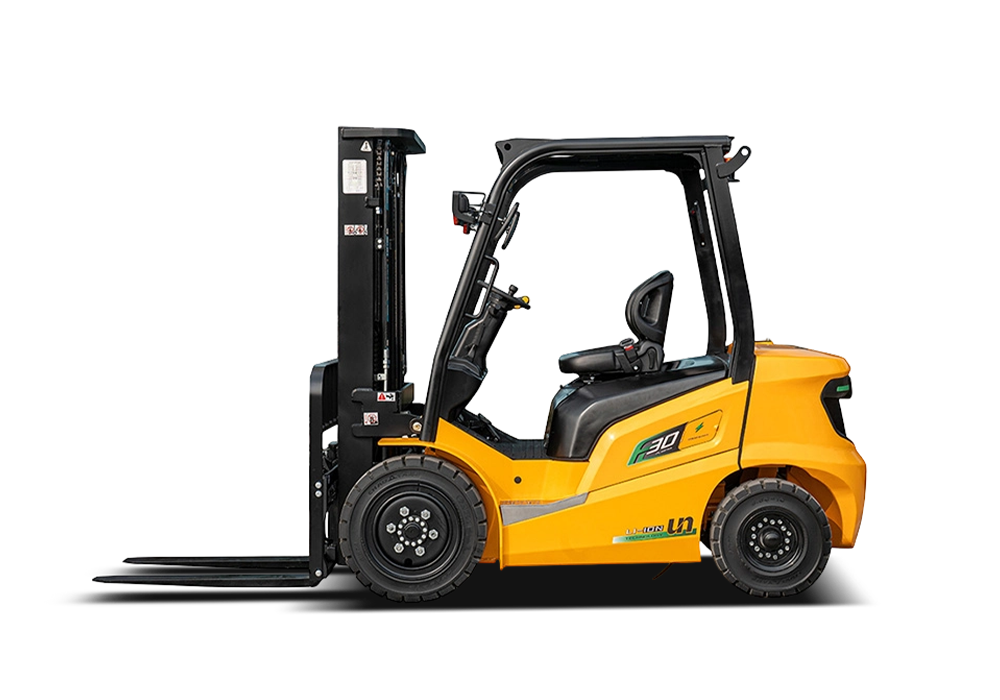
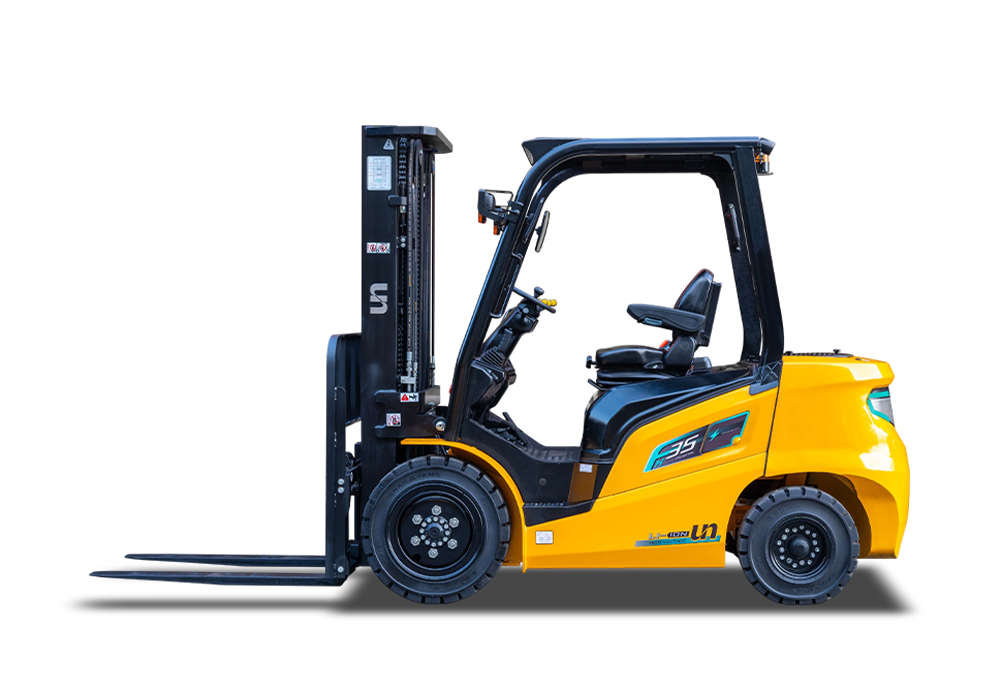
Choosing the fleet and choosing the training route are the same decision. Lithium-ion electric trucks remove LPG cylinder handling and refuelling from the training content, replace it with charging discipline and battery safety, and usually let operators take a shorter charge break instead of a battery swap. Diesel and LPG trucks remain the practical answer for yards, gradients and high-intensity outdoor duty, but they add ventilation, fuel storage and emissions topics to every course.
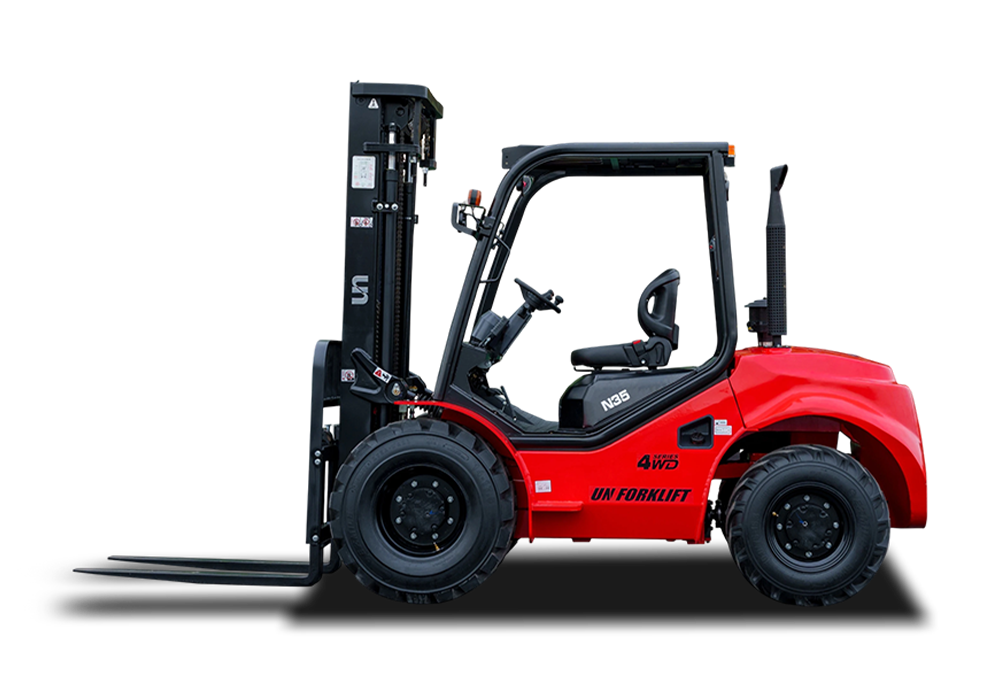
For mixed sites, standardising on one or two classes across the whole fleet is the cheapest long-term approach. Every additional class multiplies the number of evaluations due each year, the number of trainers required, and the risk that someone ends up driving equipment they were never signed off on. In manufacturing plants running both indoor electrics and outdoor rough terrain units, it is worth planning the annual training calendar at the same time as the fleet replacement plan.
Keeping Certification Valid Across a Fleet
A simple record works: operator name, truck class, evaluation date, evaluator, and next review date, held in one place and reviewed quarterly. Add a rule that any incident, near miss or change of equipment triggers a fresh evaluation before the operator returns to normal duties.
Where a fleet is bought rather than leased, the supplier usually sits close to the training question, because truck specification decides which class an operator needs in the first place. Matching the truck to the aisle, the load and the surface keeps the training shorter, the certification simpler, and the whole operation easier to audit.
For exclusive deals and latest offers, sign up by entering your email address below.
Stay In Touch
ADDRESS : NO.1 ROAD ONE, XINDENG NEW DISTRICT, FUYANG, HANGZHOU, ZHEJIANG, CHINA 311404.
PHONE : +86-571-8688 8355 (AMERICA)
PHONE : +86-571-8886 9363 (EUROPE)
PHONE : +86-571-8688 8377 (ASIA, AFRICA, OCEANIA)
EMAIL : [email protected]
EMAIL : [email protected](PARTS INQUIRY)

