


 中文简体
中文简体 Français
 русский
 Español
 عربى
عربى Deutsch



How to Choose the Right Lift Truck: Types, Power Sources, and Buying Tips
Admin 2026-09-10Walk through any modern distribution center and you will see the same workhorse in action: the lift truck. It loads trailers, feeds production lines, stacks pallets into high racking, and keeps goods moving across the facility. Yet the term covers a surprisingly wide range of machines, from compact electric pallet movers to ten-ton internal combustion trucks. Selecting the right one starts with understanding how your operation actually uses these machines, not with picking the largest model from a brochure.
What exactly is a lift truck?
At its core, a lift truck is a powered industrial vehicle designed to lift, transport, and stack loads using a pair of forks attached to a mast. The mast raises and lowers the forks, while a counterweight at the rear balances the load on the forks. This basic architecture applies to almost every lift truck on the market, whether powered by diesel, LPG, or electricity.
The differences begin with the truck's rated capacity, lift height, tire type, and power source. A lift truck that performs well in a narrow-aisle warehouse may be completely unsuitable for a construction site. A diesel unit that handles heavy outdoor loads can pollute the air inside an enclosed food-processing plant. Knowing these distinctions is the difference between a productive fleet and a costly mistake.
Main types of lift trucks
Several established categories of lift trucks exist, each designed for specific working conditions. The table below summarizes the most common types and their typical applications.
| Type | Load range | Typical application |
|---|---|---|
| Electric counterbalance | 1.3-5.0 tons | Indoor warehouses, loading docks, food and pharmaceutical facilities |
| Internal combustion counterbalance | 1.5-10.0 tons | Outdoor yards, container handling, heavy industry |
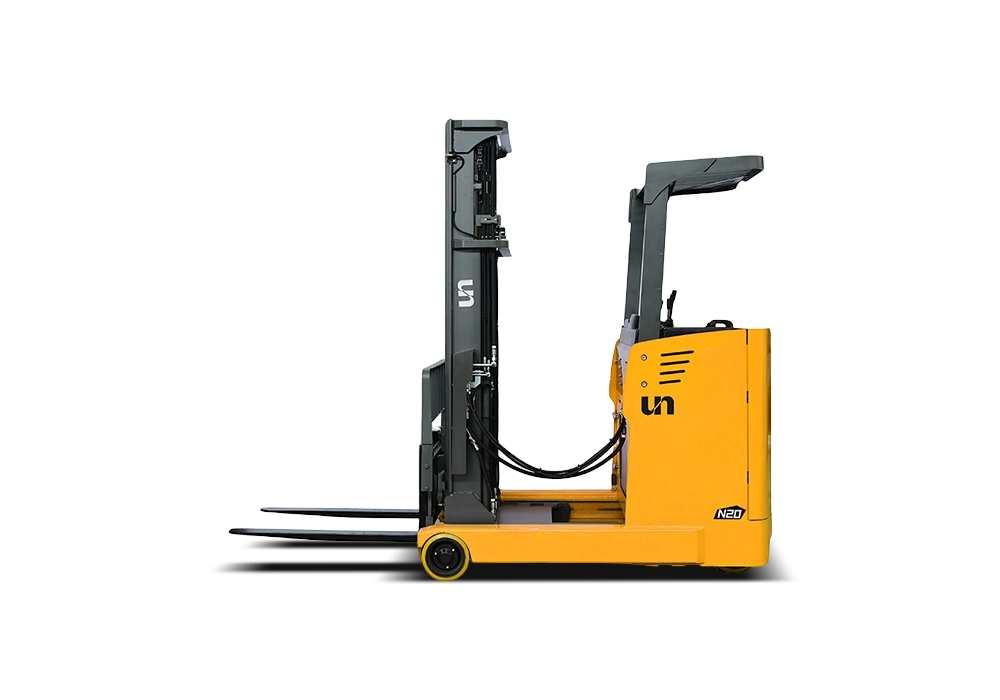
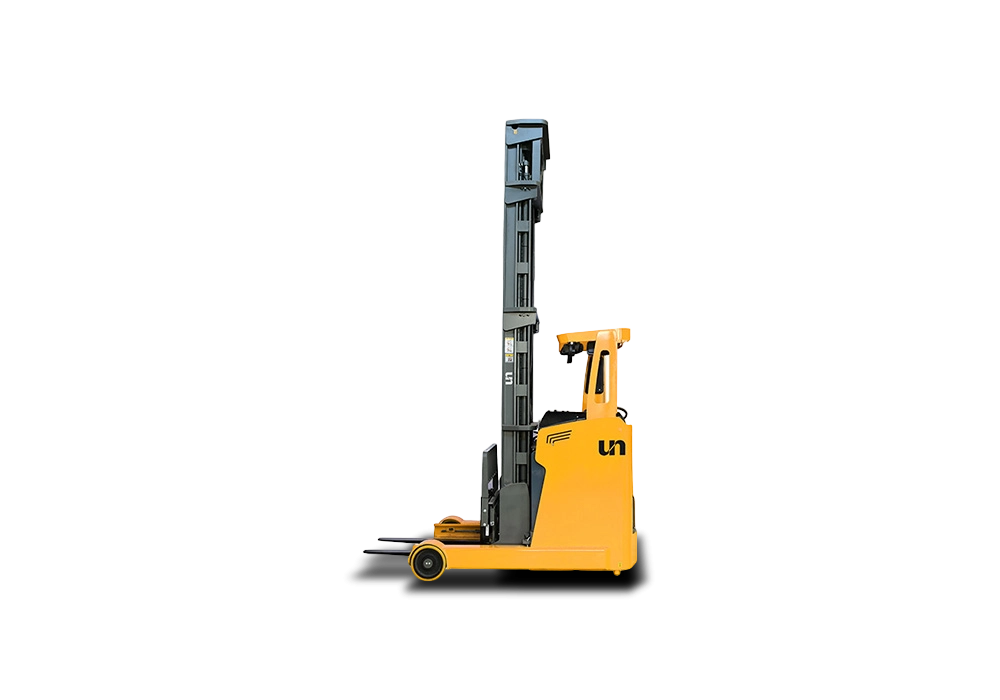
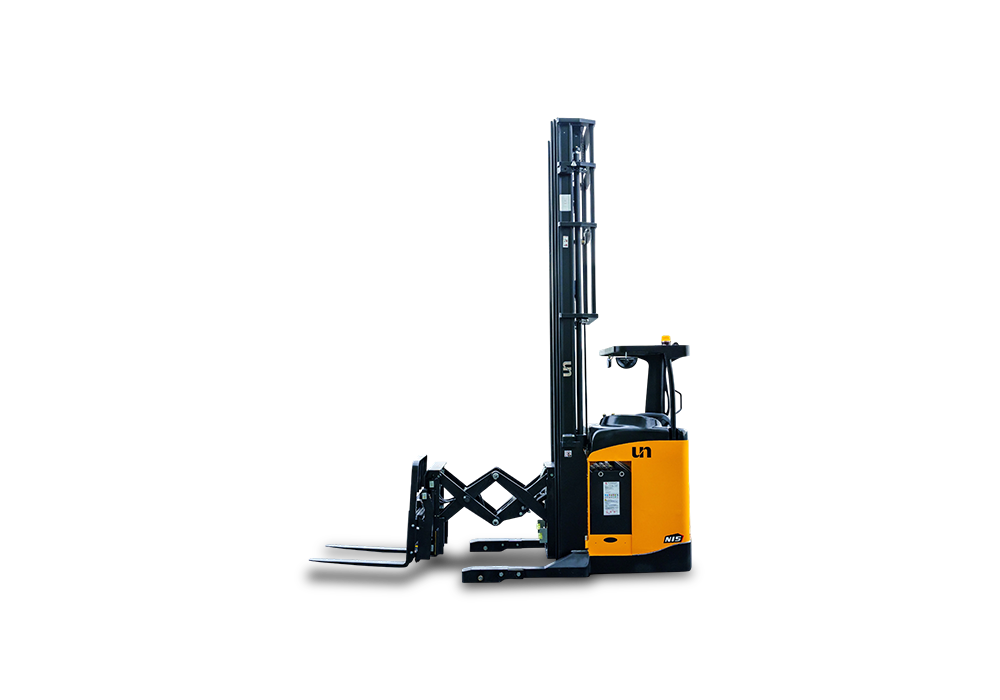
| Reach truck | 1.0-2.5 tons | Narrow aisles, high racking in warehousing |
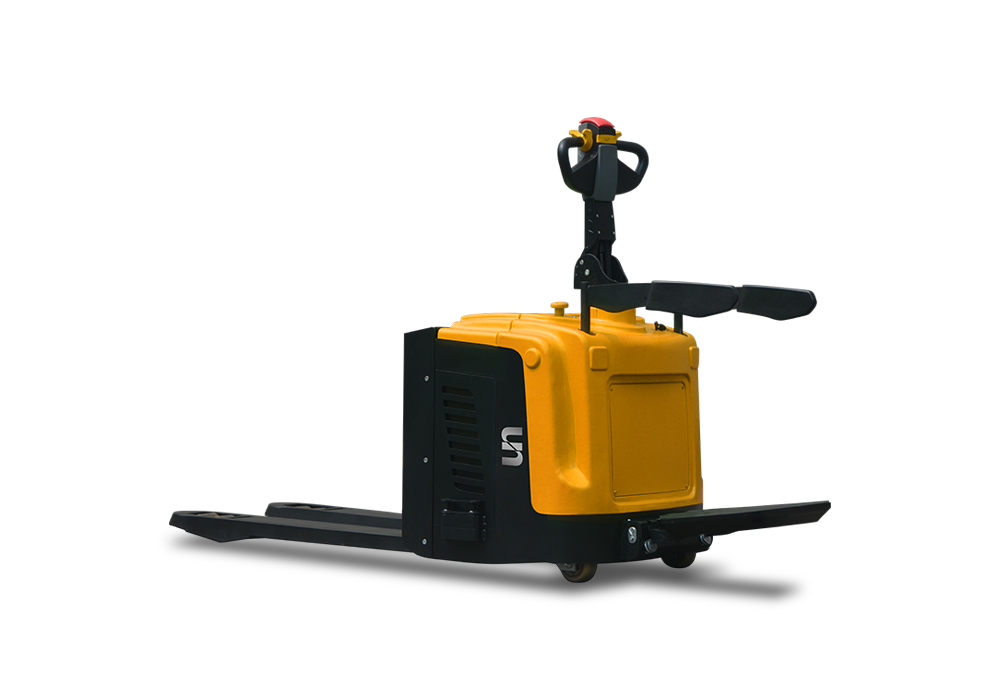
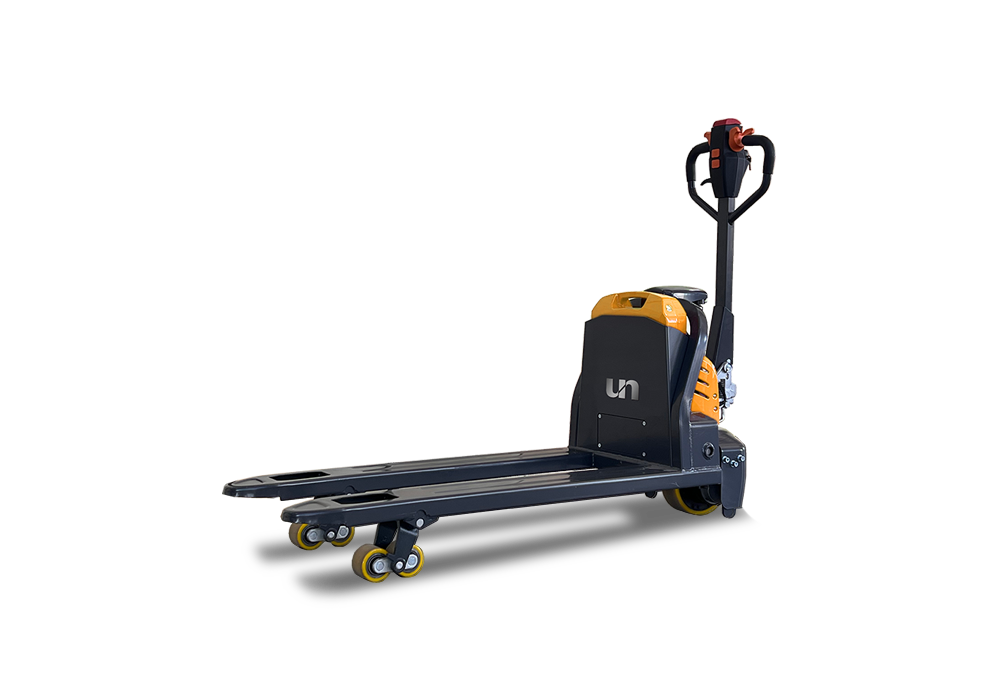
| Pallet truck | 1.5-3.0 tons | Horizontal transport, loading and unloading |
| Pallet stacker | 1.0-2.0 tons | Stacking in tight spaces, low-level warehousing |
| Rough terrain lift truck | 2.5-3.5 tons | Construction sites, farms, unpaved surfaces |
| VNA truck | 1.0-1.5 tons | Very narrow aisles, high-bay warehouses |
Within the internal combustion group, models are further divided by tire type. Cushion tire trucks are built for smooth indoor floors, while pneumatic tire trucks handle outdoor surfaces and uneven ground. For a more detailed comparison, review our overview of different types of lift trucks.
Lift truck power sources compared
The power source is the most consequential decision when choosing a lift truck. It affects purchase price, fuel or electricity cost, maintenance intervals, noise level, and whether the truck can operate indoors at all.
Diesel
Diesel lift trucks still dominate heavy-duty outdoor work, and for good reason. They deliver high torque, fast travel speeds, and long endurance between refuels. A modern diesel model such as the F-series 2.0-3.5 ton diesel lift truck offers reliable performance for general cargo handling, manufacturing, and yard work. If your operation runs multiple shifts outdoors and fuel infrastructure already exists, diesel remains a straightforward choice. However, diesel units emit exhaust, require regular engine service, and produce more noise, which restricts their use indoors.
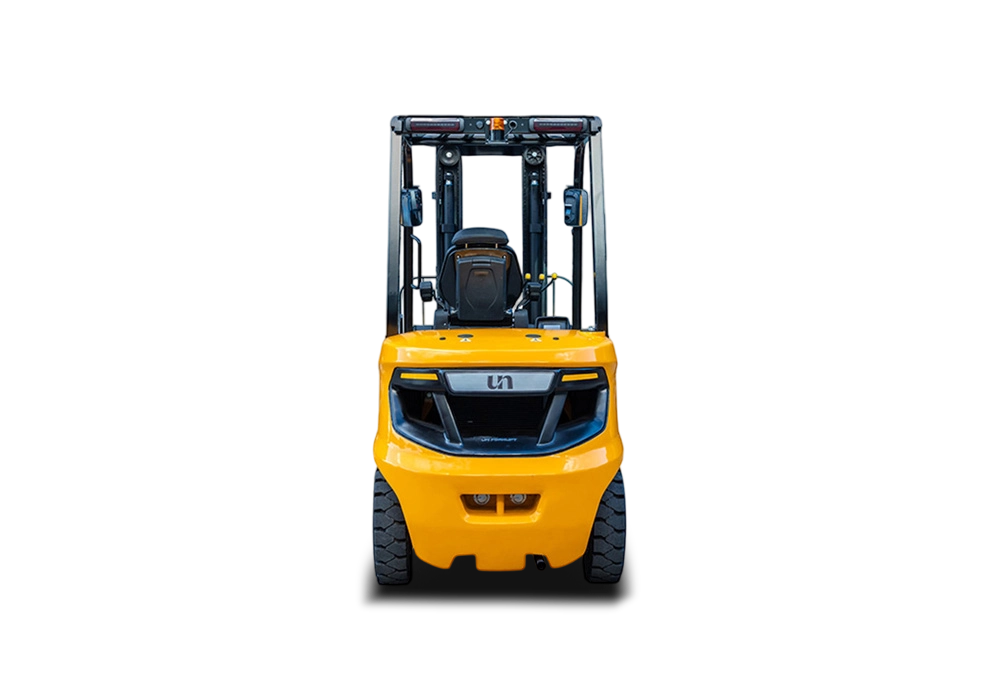 Wholesale F Series 2.0T-2.5T Diesel Forklift Factory, Suppliers - Zhejiang UN FoZhejiang UN Forklift Co., Ltd. is China wholesale F Series 2.0T-2.5T Diesel Forklift suppliers and factory,F series, the latest internal ...View Product →
LPG and gasoline
LPG trucks offer a compromise. They burn cleaner than diesel, can work indoors with proper ventilation, and refuel quickly by swapping tanks. They are common in retail distribution and food processing, where a steady supply of propane is available. The trade-off is slightly lower fuel efficiency and the need to manage tank inventory and refill logistics.
Electric with lead-acid batteries
Electric lift trucks produce zero emissions at the point of use, run quietly, and have lower maintenance costs than internal combustion models. Traditional lead-acid batteries are the most affordable upfront, but they require a dedicated charging room, battery changing equipment, and eight-hour charge cycles, which can disrupt multi-shift operations.
Lithium-ion
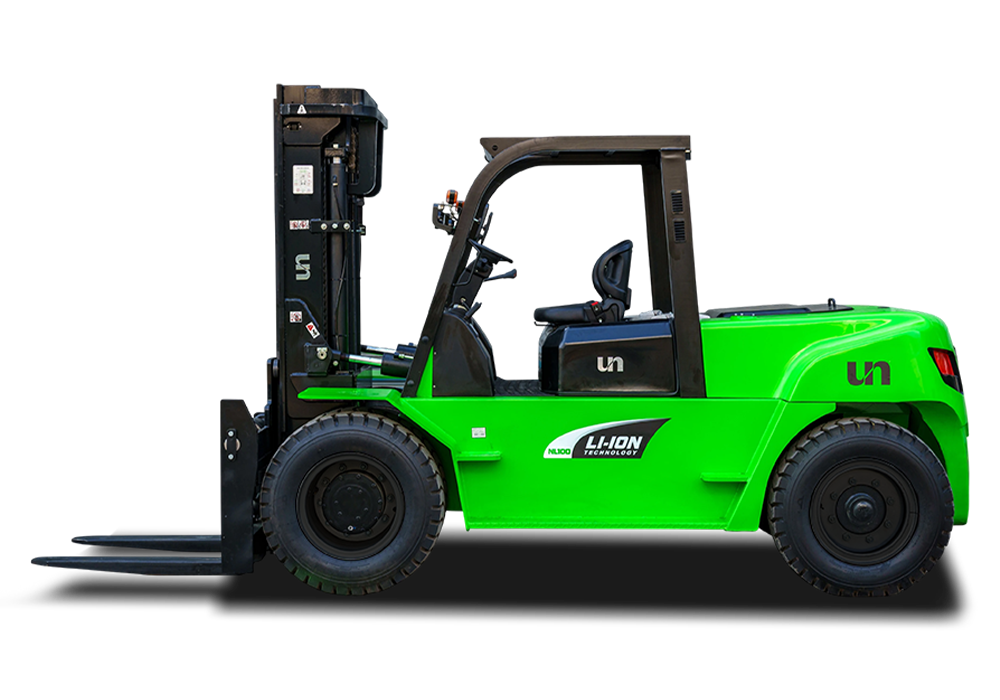
Lithium-ion batteries change the operating economics. They charge in one to three hours, accept opportunity charging during breaks, and last for thousands of cycles without the watering and equalizing work that lead-acid batteries demand. For a typical 2.0-3.5 ton duty cycle, the NL-series 2.0-3.5 ton lithium-ion lift truck delivers the same lifting capability as a diesel model with zero exhaust and a lower energy cost per hour.
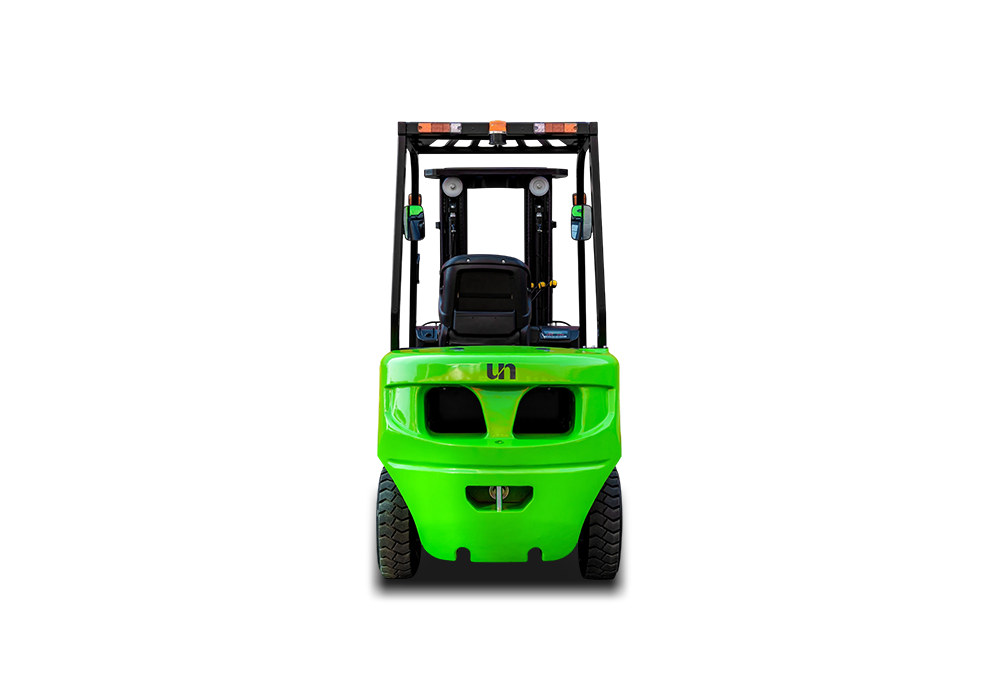 Wholesale NL Series 2.0T-2.5T Li-ion Battery Forklift Factory, Suppliers - ZhejiZhejiang UN Forklift Co., Ltd. is China wholesale NL Series 2.0T-2.5T Li-ion Battery Forklift suppliers and factory,NL Series 2.0–2.5T Li...View Product →
When comparing power sources, look beyond the sticker price. Calculate energy consumption per shift, maintenance hours per year, and the cost of unplanned downtime.
Key specifications to check before buying
Beyond the power source, several specifications determine whether a lift truck will fit your facility, your racking, and your loads.
- Load capacity: The rated capacity is the maximum load the truck can lift at a specified load center, usually 500 mm. Overloading a lift truck is unsafe and damages the mast and tires. A 3.5-ton truck can handle most palletized goods, but if your loads are dense or bulky, choose a model with extra margin.
- Lift height and mast type: Standard masts reach 3 to 6 meters. If your racking goes higher, you may need a three-stage or full-free-lift mast. The mast also affects the truck's overall lowered height, which matters when passing through doorways or working under low ceilings.
- Tire type: Cushion tires are durable on concrete and give a lower center of gravity. Pneumatic tires with treaded rubber handle gravel, mud, and outdoor ramps. Solid pneumatic tires are a practical middle ground for mixed indoor-outdoor use.
- Turning radius and aisle width: The truck's turning radius determines the minimum aisle width it needs to maneuver. A three-wheel electric truck turns tightly in narrow aisles, while a heavy-duty diesel model requires more space. Measure your aisles and dock areas before finalizing a model.
- Gradeability and attachments: If your site has ramps, check the truck's gradeability rating. Attachments such as side shifters, fork positioners, and clamps expand the truck's usefulness but reduce effective capacity at the same load center.
How different industries use lift trucks
Different industries impose different demands on lift trucks. In logistics and warehousing, the priority is usually throughput and aisle efficiency; machines such as reach trucks and three-wheel electrics help maximize storage density while keeping energy costs low.
Food and beverage plants need clean, emission-free equipment, which makes electric and lithium models the practical standard. Chemical and pharmaceutical facilities often require corrosion-resistant components and strict safety compliance. Construction sites, on the other hand, need pneumatic tires, high ground clearance, and four-wheel drive to handle mud, gravel, and slopes. The N-series four-wheel-drive rough terrain lift truck is built specifically for these conditions.
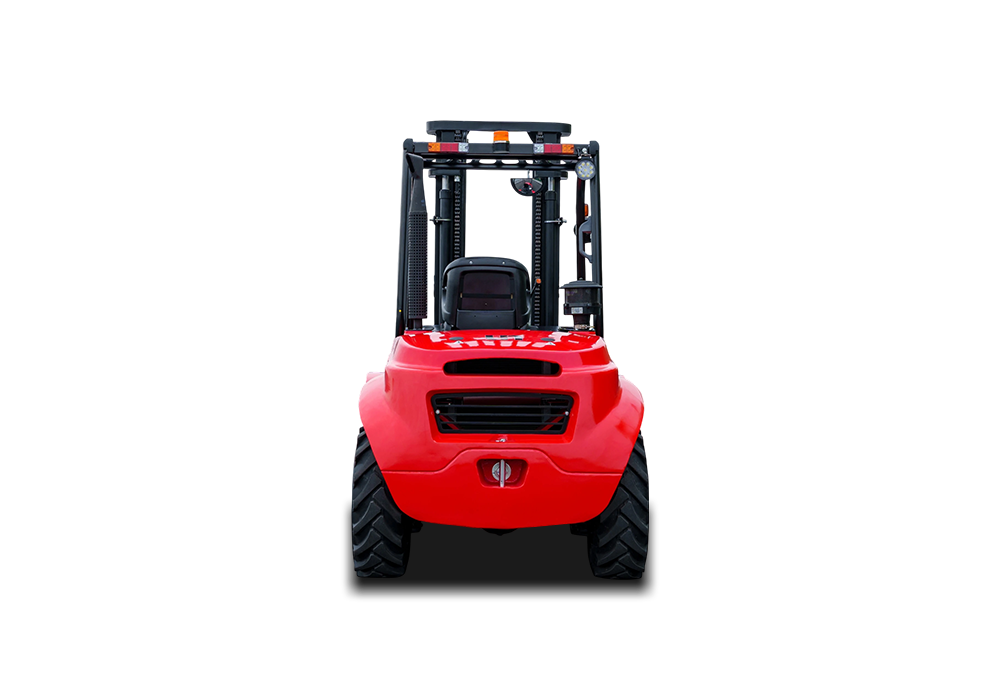 Wholesale N Series 2.5T-3.5T 4WD Rough Terrain Forklift Factory, Suppliers - ZheZhejiang UN Forklift Co., Ltd. is China wholesale N Series 2.5T-3.5T 4WD Rough Terrain Forklift suppliers and factory,UN’s 4WD rough terr...View Product →
Manufacturing facilities typically run a mix of lift trucks: counterbalance models for raw material handling, pallet trucks for line-side feeding, and stackers for finished goods storage.
Buying considerations and total cost of ownership
Procurement teams often focus on the initial price, but the real cost is the total cost of ownership over a truck's eight-to-ten-year service life. This includes fuel or electricity, scheduled maintenance, replacement parts, tires, operator training, and residual value.
A manufacturer with a complete product line simplifies the selection process, because you can standardize on one supplier across different applications. An established manufacturer with in-house engineering and production can offer more consistent quality, faster parts supply, and better technical support. It is also worth confirming that the manufacturer holds the certifications required by your market, such as CE or EPA documentation.
Service support is another critical factor. A lift truck is only productive when it is running. Suppliers with responsive after-sales service, stocked spare parts, and trained technicians reduce the risk of prolonged downtime.
The right lift truck matches your loads, your facility, your shift patterns, and your energy strategy. Start with load capacity and lift height, then choose a power source that fits your working environment, and finally compare total ownership costs across suppliers. For many operations, a combination of an internal combustion truck for outdoor duty and a lithium electric model for indoor work delivers the best balance of productivity and operating cost.
For exclusive deals and latest offers, sign up by entering your email address below.
Stay In Touch
ADDRESS : NO.1 ROAD ONE, XINDENG NEW DISTRICT, FUYANG, HANGZHOU, ZHEJIANG, CHINA 311404.
PHONE : +86-571-8688 8355 (AMERICA)
PHONE : +86-571-8886 9363 (EUROPE)
PHONE : +86-571-8688 8377 (ASIA, AFRICA, OCEANIA)
EMAIL : [email protected]
EMAIL : [email protected](PARTS INQUIRY)

