


 中文简体
中文简体 Français
 русский
 Español
 عربى
عربى Deutsch



Gas Forklift Safety in High-Temperature Environments
Overview of Gas Forklifts
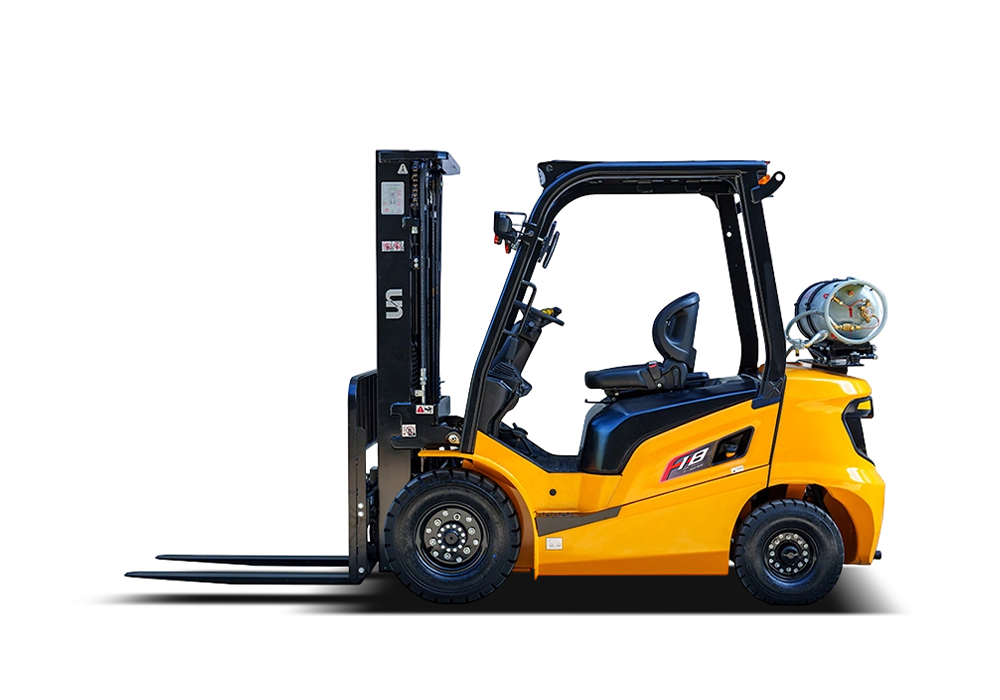
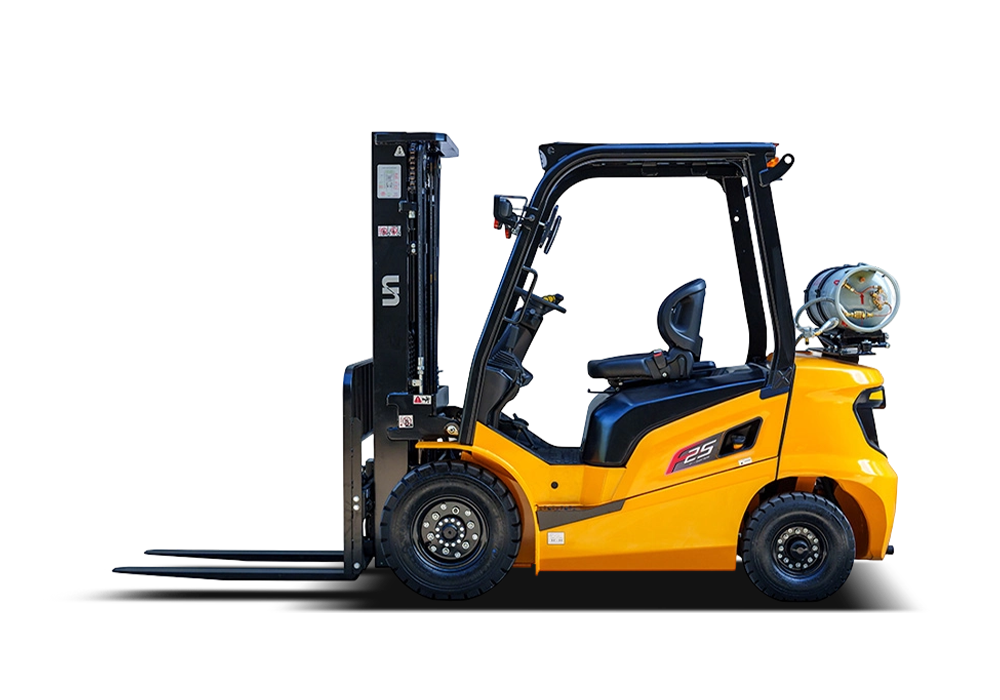
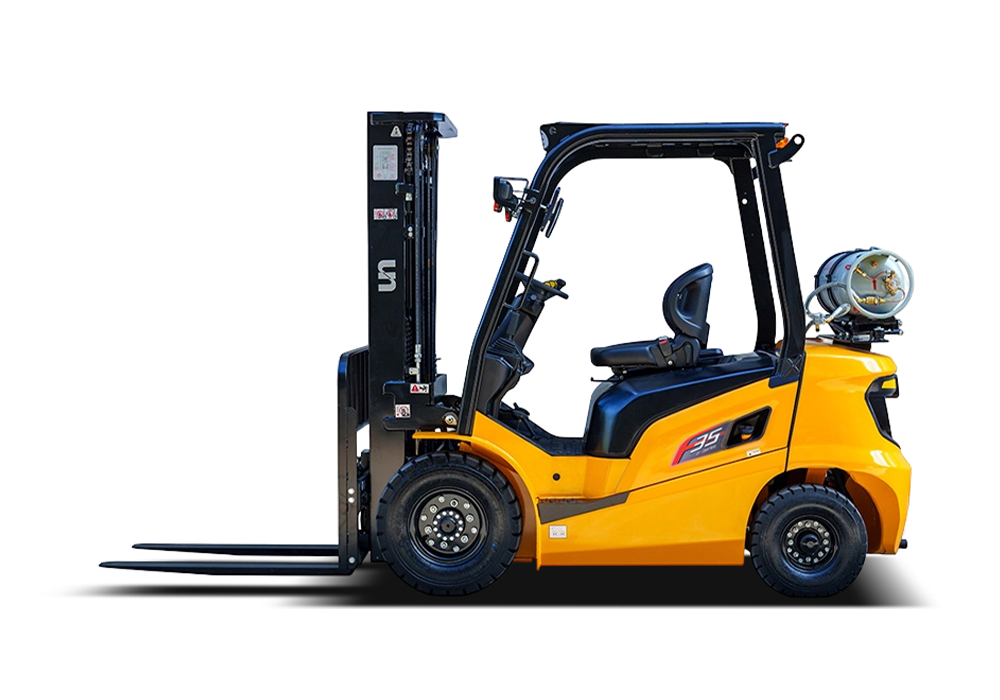
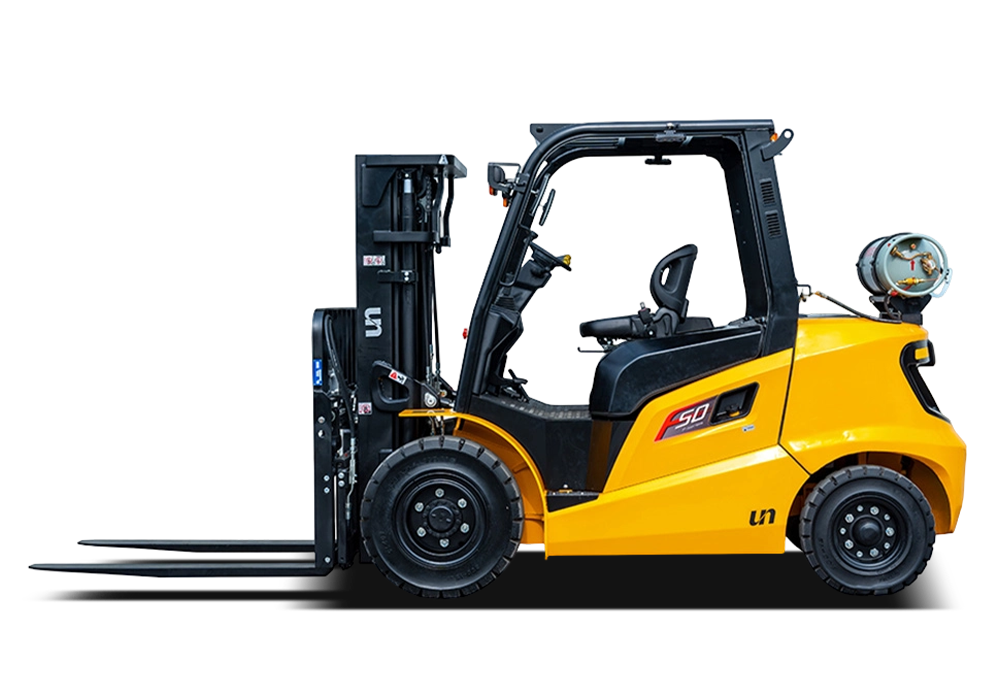
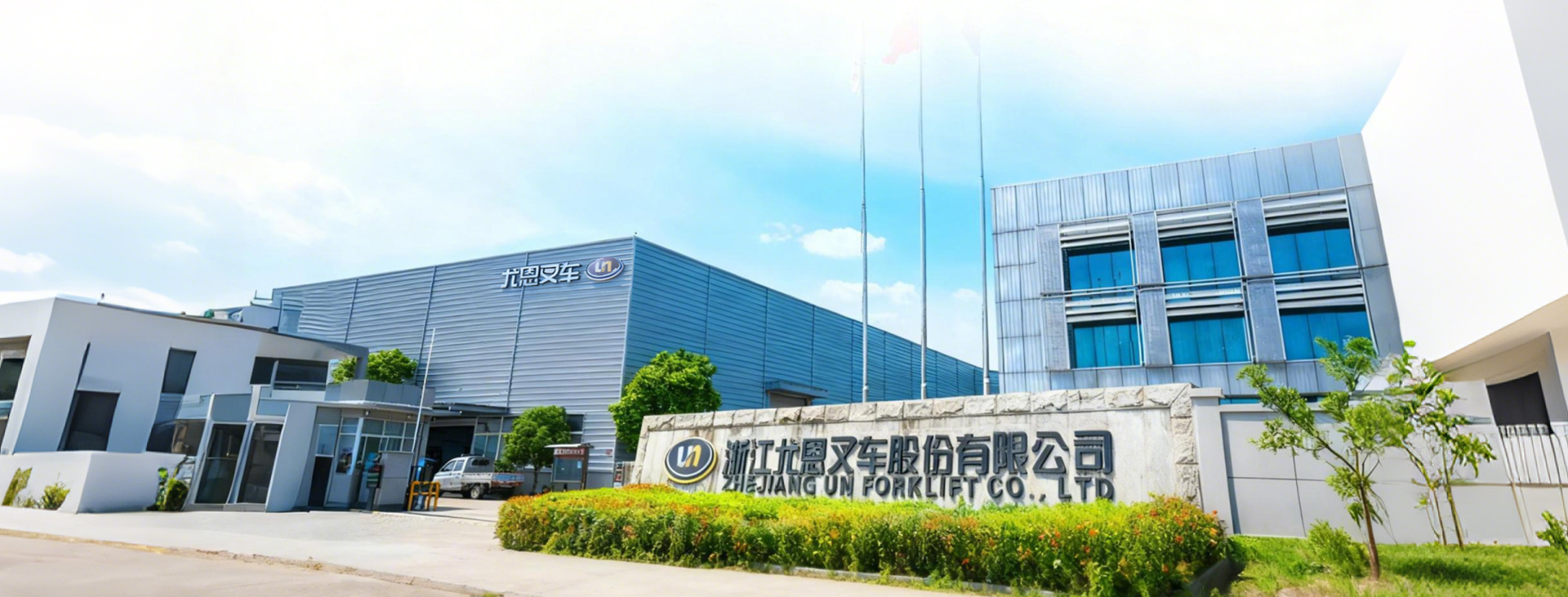
Zhejiang UN Forklift Co., Ltd. has been engaged in the research, development, production, sales, and service of material handling equipment since 1978. The company produces a wide range of forklifts, including gas forklifts and propane forklifts, designed for various industrial applications. With a focus on energy saving, environmental protection, high efficiency, and safety, UN forklifts are equipped to handle both indoor and outdoor operations. Gas forklifts are widely used because they provide a balance between operational efficiency and environmental considerations, making them suitable for warehouses, logistics centers, and industrial sites.
Understanding the Gas System in Propane Forklifts
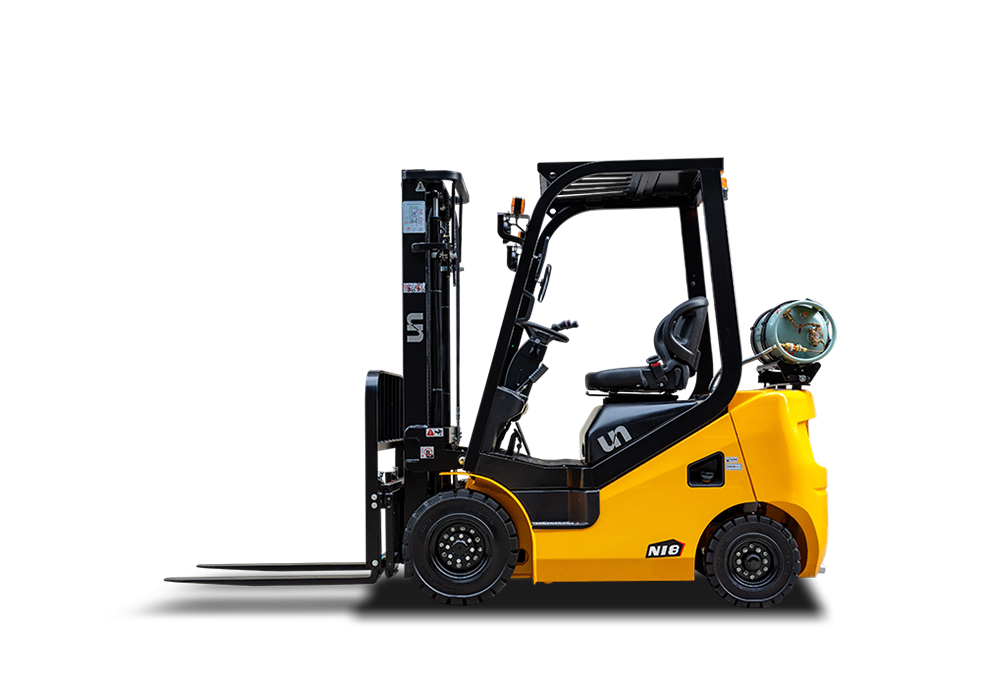
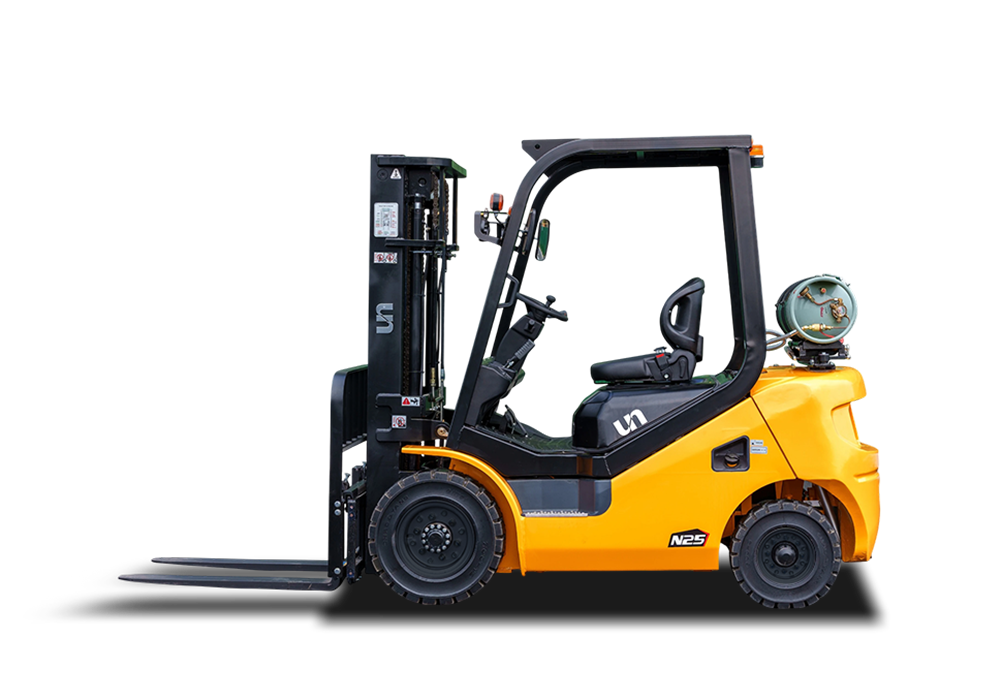
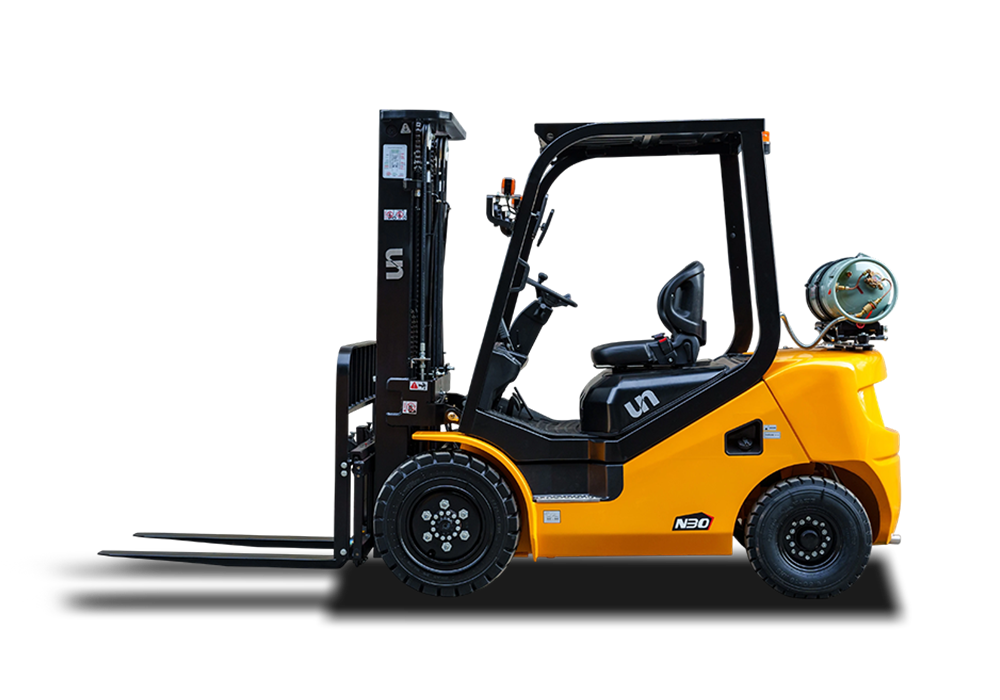
The gas system of a propane forklift consists of a fuel tank, regulator, fuel lines, and injection system. The LPG or gasoline used in forklifts, including models from 1.5T-Mini to 5.0T, is pressurized and stored in tanks designed to meet international safety standards. Properly maintained tanks and fuel lines are critical to ensuring safe operation, particularly in environments with fluctuating or high temperatures. The design concepts followed by UN Forklift emphasize system integrity and reliability, which are crucial in preventing leaks or pressure buildup.
Impact of High-Temperature Environments
High-temperature environments can affect the performance and safety of gas forklifts. As temperatures rise, the pressure within propane tanks increases. UN forklifts are designed with safety relief valves that release excess pressure to prevent tank rupture. Additionally, the materials used in the fuel system are selected to withstand temperature variations and minimize the risk of fuel leakage. Operators must be aware that prolonged exposure to extreme heat can accelerate wear in hoses and seals, which is why regular inspection is recommended for forklifts operating in such conditions.
Safety Measures for Propane Forklifts in Heat
To manage safety in high-temperature environments, several precautions are incorporated in gas forklift design and operational procedures. UN emphasizes routine inspections of fuel tanks, connections, and regulators, as well as checking for signs of wear or damage. Forklifts should be parked in shaded areas when not in use, and fuel tanks should never be exposed to direct sunlight for extended periods. Operator training also includes guidelines on handling gas forklifts during high-temperature operations, ensuring that safety protocols are consistently followed.
Comparison with Other Forklift Types
Compared to diesel or electric forklifts, gas forklifts including the LPG/gasoline forklift 1.5T-Mini to 5.0T models, provide cleaner emissions and faster refueling cycles. The following table compares key characteristics of gas forklifts in different operational conditions:
| Forklift Type | Fuel System | High-Temperature Performance | Operational Environment |
| Gas Forklift | Propane tank, regulator, fuel line | Moderate, requires monitoring of tank pressure | Indoor warehouses, outdoor yards |
| LPG/Gasoline Forklift 1.5T-Mini 5.0T | Pressurized LPG tank with relief valve | Moderate, relief valve ensures pressure safety | Small to medium industrial sites |
| Diesel Forklift | Diesel fuel injection system | High, less affected by ambient temperature | Outdoor, heavy-load environments |
| Electric Forklift | Battery-powered | Dependent on battery cooling, sensitive to heat | Indoor, temperature-controlled environments |
Maintenance Practices for High-Temperature Operations
Maintenance is critical for gas forklifts operating in elevated temperatures. UN recommends checking the pressure relief valves, inspecting hoses for cracks, and verifying that regulators function properly. Regular maintenance ensures that forklifts from the 1.5T-Mini range to 5.0T continue to operate safely without risk of fuel leakage or pressure-related hazards. Additionally, training operators to conduct pre-shift safety checks can reduce the likelihood of incidents.
Training and Operational Guidelines
UN Forklift emphasizes operator training as a core component of safety management. Operators of propane forklifts are instructed on the proper handling of fuel tanks, monitoring of pressure levels, and emergency procedures in case of overheating or leakage. The company’s global sales and service network provides training resources and technical guidance to ensure that operators in different regions maintain consistent safety practices. By following these guidelines, the risk of gas system hazards in high-temperature environments can be significantly reduced.
High-Temperature Safety
Gas forklifts, including the LPG/gasoline forklift 1.5T-Mini to 5.0T models, are equipped with safety systems and designed materials to operate reliably in high-temperature environments. While elevated temperatures increase pressure within fuel tanks, UN Forklift integrates relief valves, heat-resistant materials, and operational protocols to mitigate hazards. Combined with regular maintenance and operator training, these measures ensure that gas forklifts maintain performance and safety across diverse working conditions.
FAQ
Q: How does UN ensure operational reliability for LPG/gasoline forklifts across different regions?
A: UN Forklift leverages its global sales and service network, covering Europe, South America, North America, Africa, and Asia, to provide technical support, spare parts, and maintenance guidance. This ensures that LPG/gasoline forklifts operate reliably under varying regional conditions and working environments.
Q: What design features enhance the efficiency of 1.5T-Mini to 5.0T LPG/gasoline forklifts?
A: UN forklifts are designed with energy-efficient engines, optimized hydraulics, and ergonomic operator cabins. These features reduce fuel consumption, improve load handling speed, and support high-efficiency operations in warehouses, logistics centers, and industrial sites.
Q: How does UN address safety concerns for LPG/gasoline forklifts in demanding operations?
A: Safety is integrated into the forklift design through stability systems, pressure-regulated fuel tanks, and operator alerts. These measures, combined with rigorous testing, minimize the risk of accidents during heavy lifting or continuous operation.
Q: How can maintenance practices affect the performance of 1.5T-Mini to 5.0T forklifts?
A: Regular inspections of fuel systems, brakes, hydraulics, and tires are critical. Following UN’s recommended maintenance schedule ensures consistent performance, prolongs service life, and prevents downtime in high-intensity operational settings.
Q: What makes LPG/gasoline forklifts suitable for indoor and outdoor applications?
A: With cleaner emissions compared to diesel and responsive engine performance, UN’s LPG/gasoline forklifts can operate efficiently in indoor warehouses and outdoor industrial areas. Their design ensures balanced handling and stable operation across varied environments.
Q: How does UN incorporate environmental considerations into its forklifts?
A: UN’s design philosophy emphasizes environmental protection. LPG/gasoline forklifts are engineered for cleaner fuel combustion, reduced emissions, and efficient energy use, supporting sustainable operations without compromising operational capability.
Q: What advantages do operators experience when using UN LPG/gasoline forklifts?
A: Ergonomic seating, intuitive controls, and smooth hydraulic response reduce operator fatigue and improve handling precision. These benefits enhance productivity and support consistent performance throughout long shifts.

