


 中文简体
中文简体 Français
 русский
 Español
 عربى
عربى Deutsch



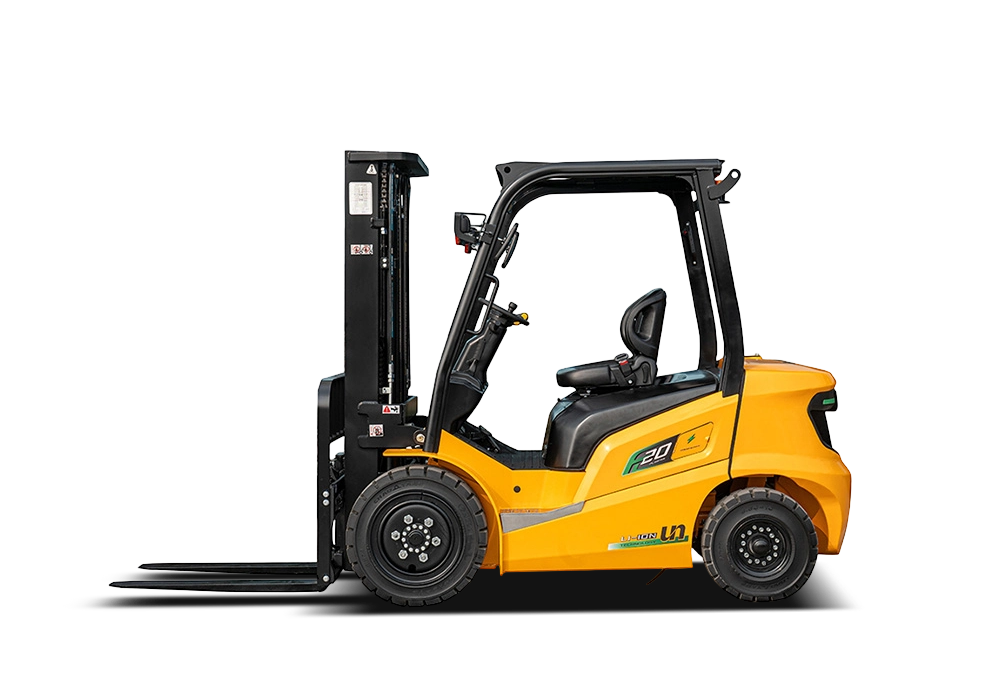
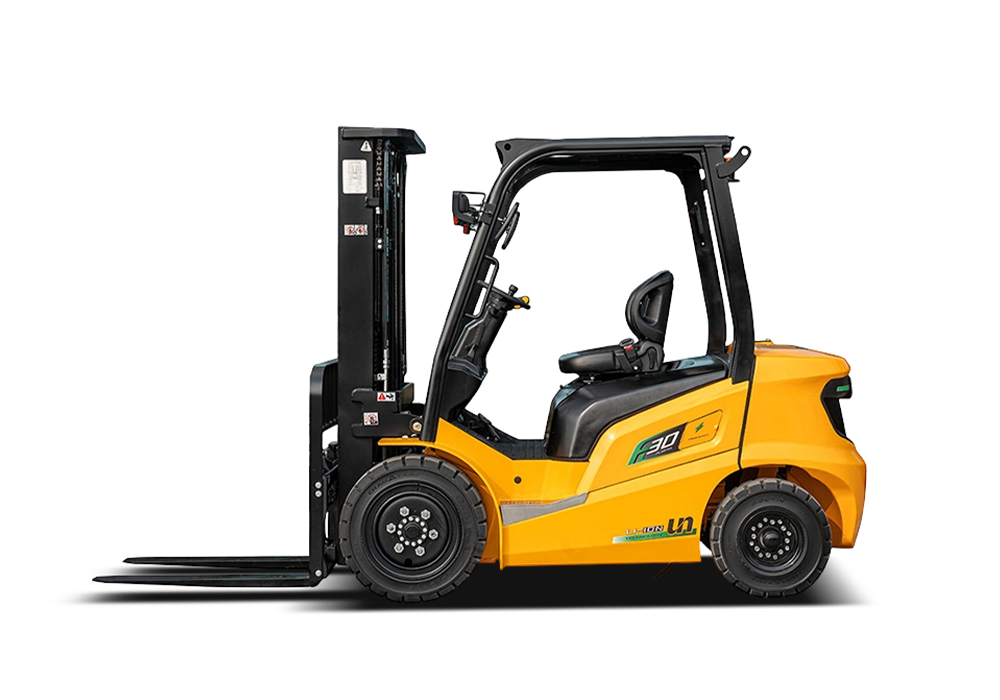
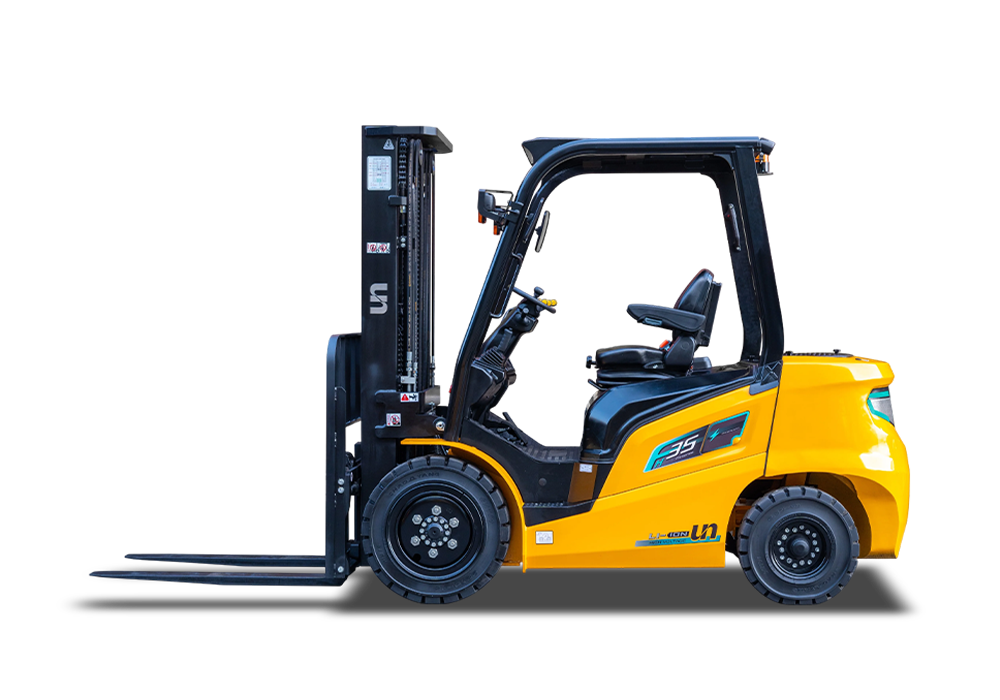
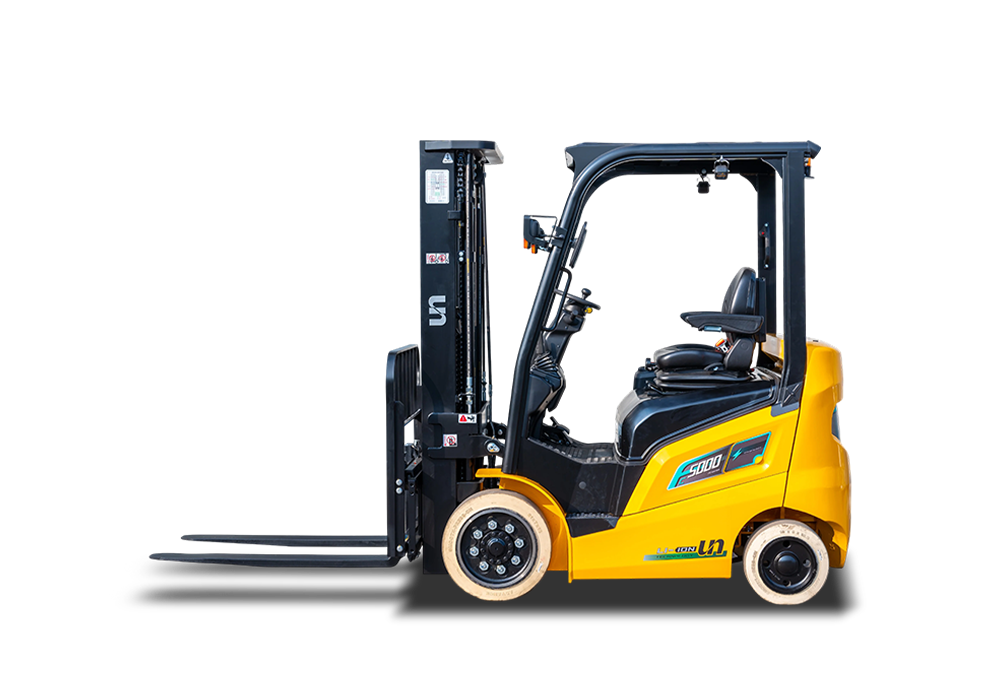
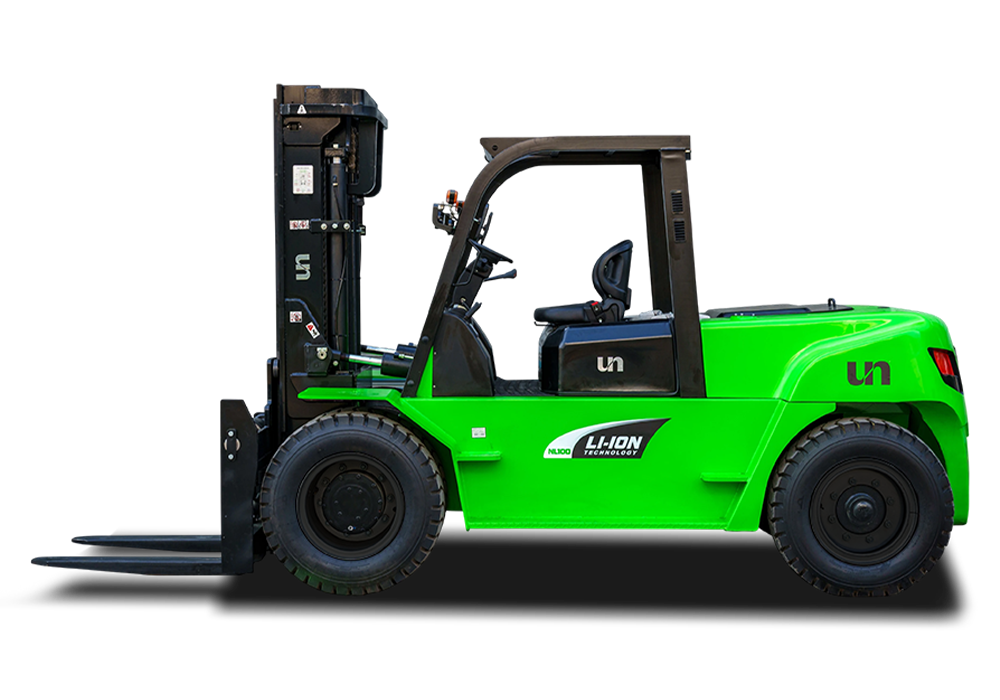
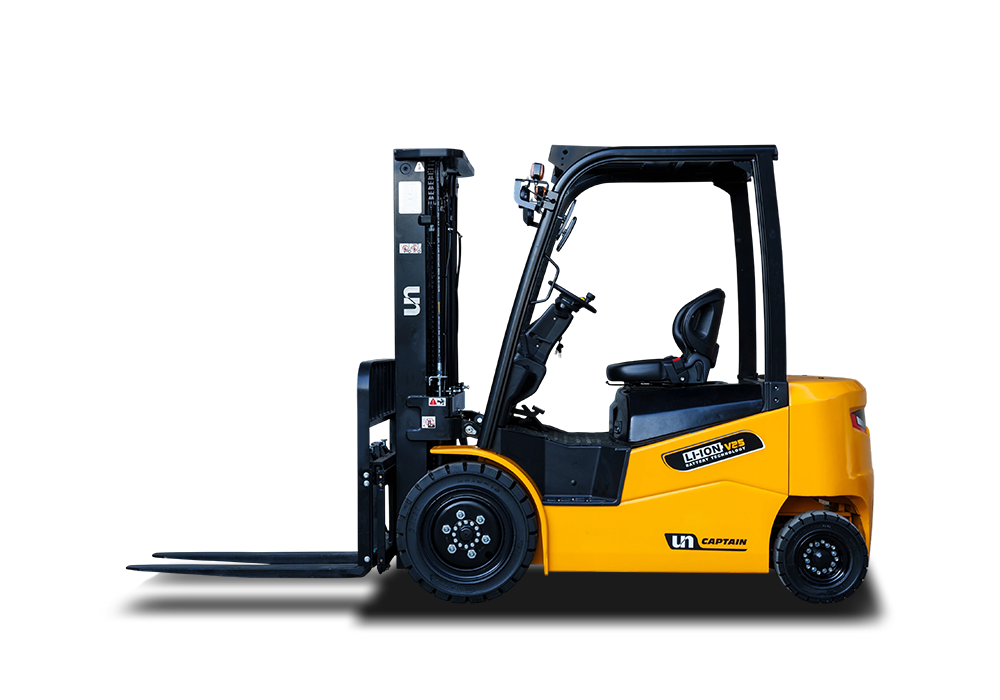
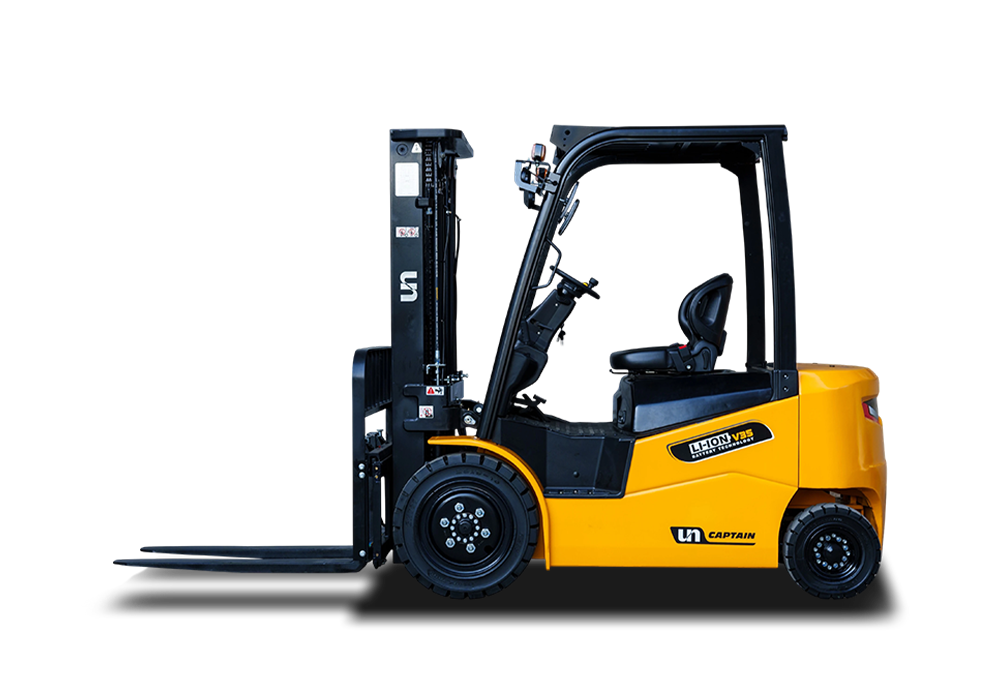
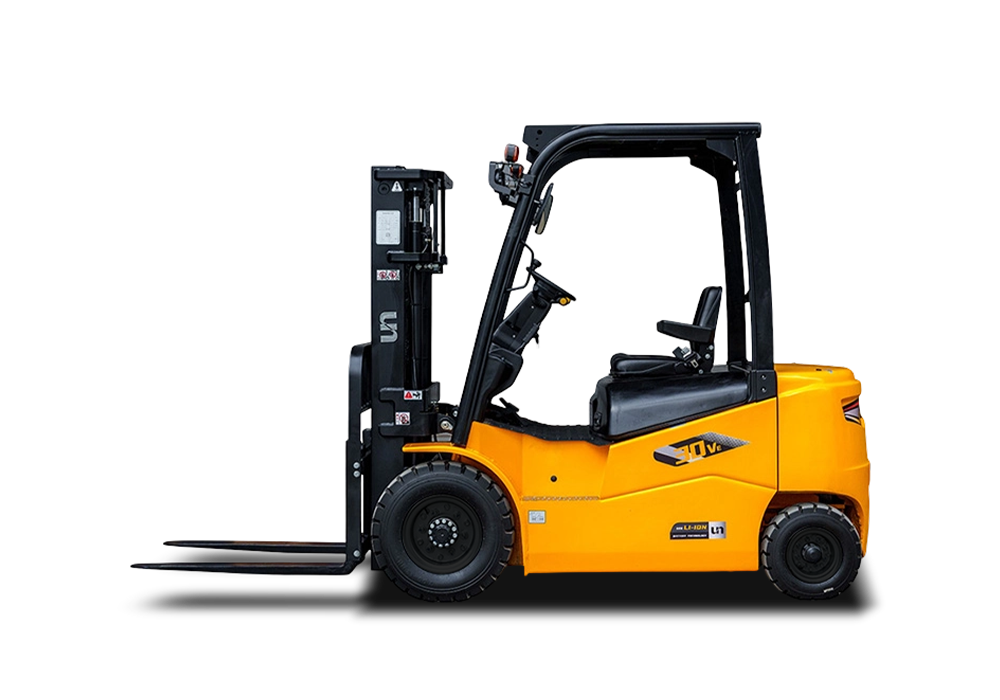
Does the LI-ION Electric Forklift Support Side-Pull or Fixed Battery Structures?
Understanding Battery Structure Options in Modern Electric Forklifts
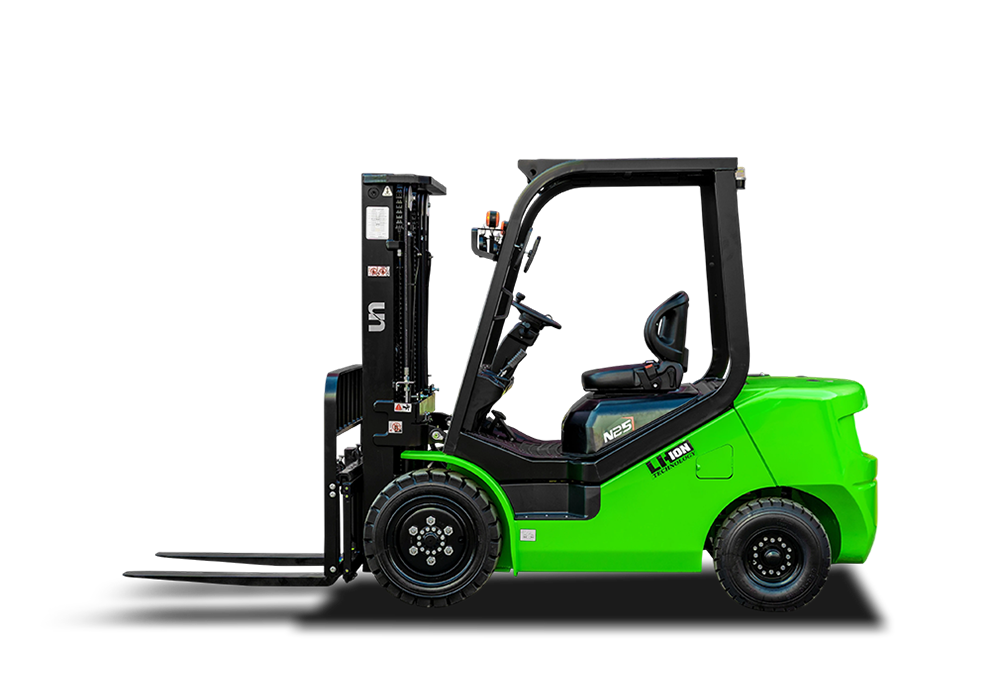
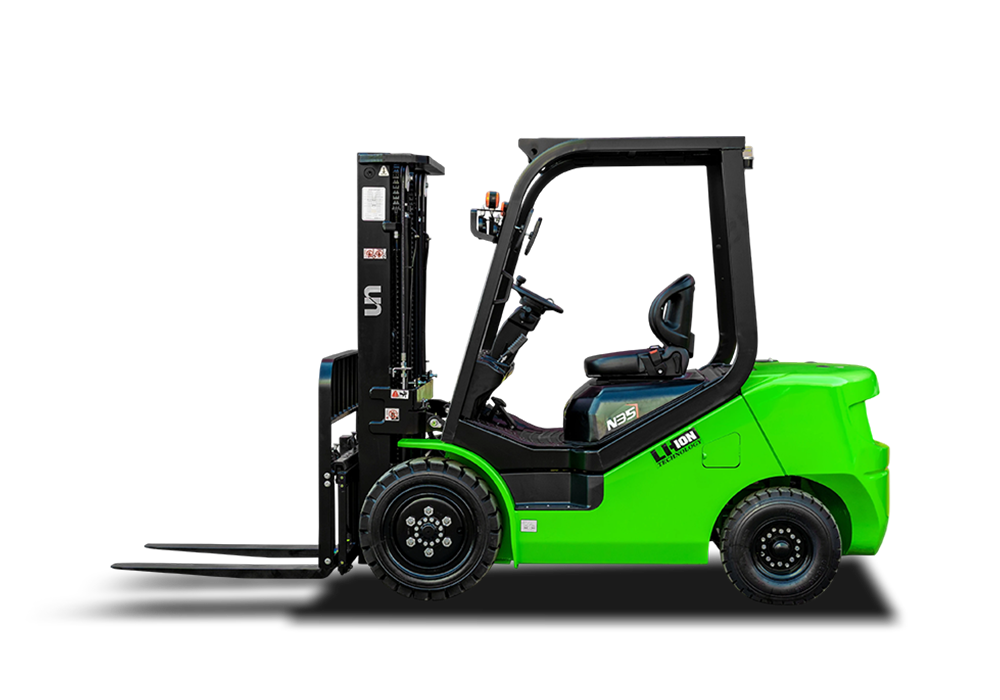
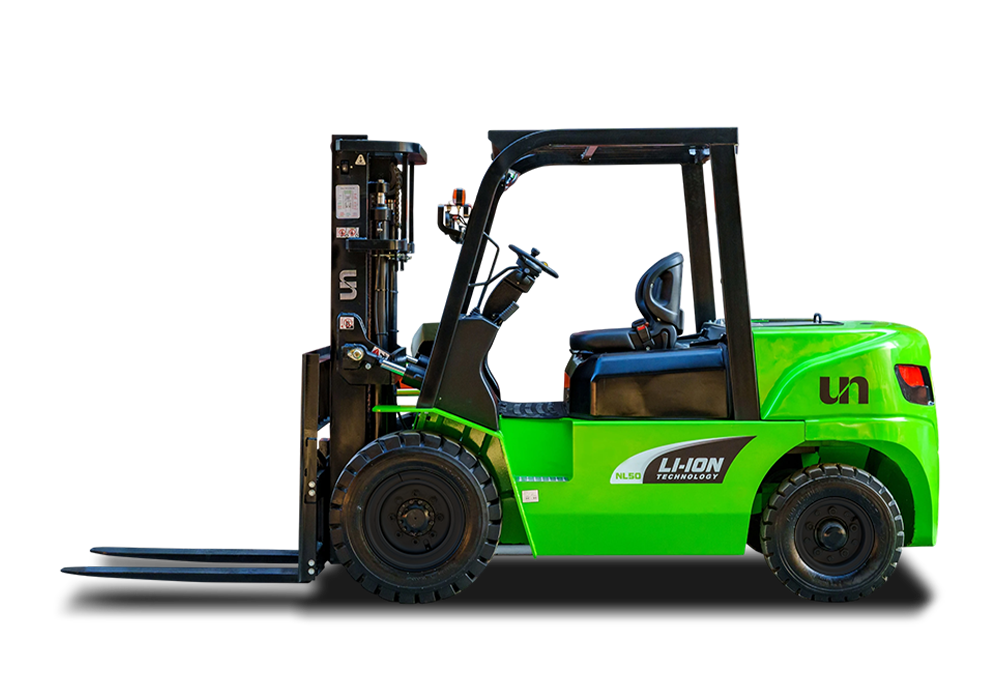
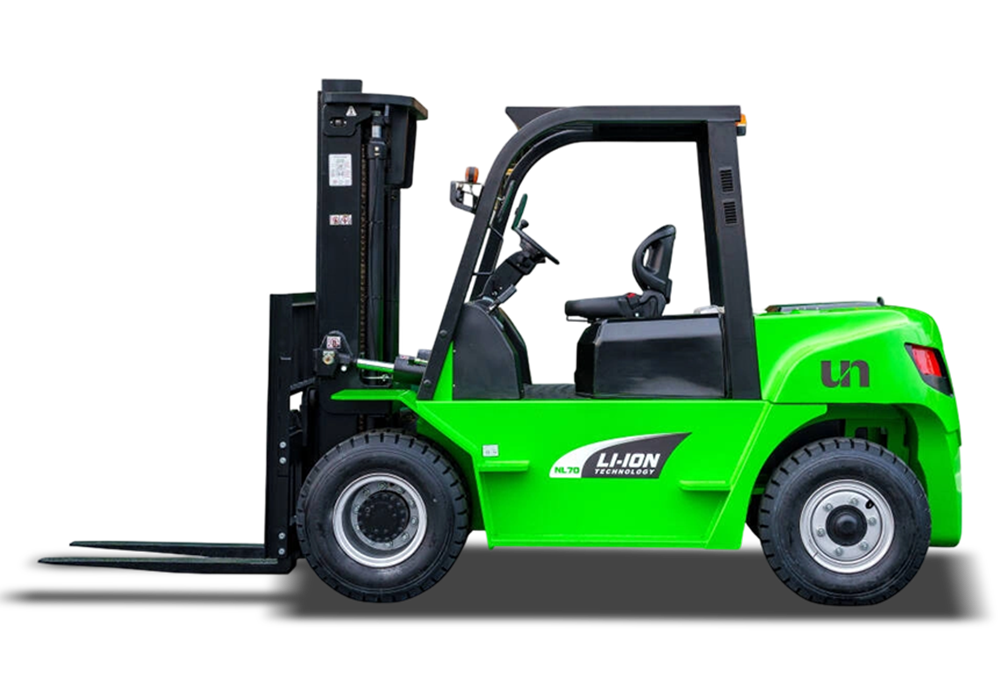
The development of the LI-ION electric forklift has introduced new possibilities in battery integration and equipment layout. Unlike traditional lead-acid systems that often require frequent battery replacement and dedicated charging rooms, lithium-ion technology allows more flexible structural design. One of the key structural considerations is whether the forklift supports a side-pull battery configuration or a fixed battery structure. Both solutions are technically feasible, and the final design depends on operational intensity, maintenance preferences, and equipment configuration.
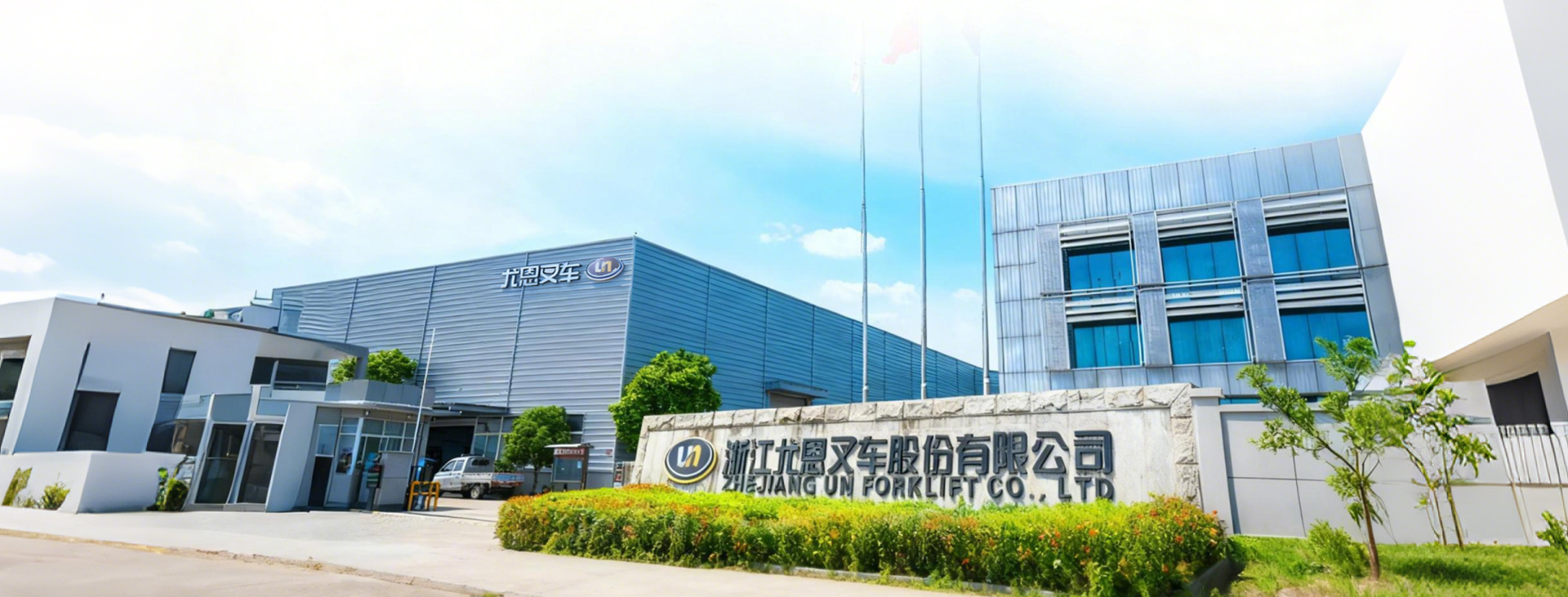
Zhejiang UN Forklift Co., Ltd., established in 1978, integrates research and development, production, sales, and service within a 53,400 square meter manufacturing facility. With an annual production capacity of 15,000 units and a global service network spanning Europe, North America, South America, Africa, and Asia, the company evaluates structural solutions not only from a mechanical perspective but also from energy efficiency, safety, and environmental considerations. These principles influence how the LI-ION electric forklift platform is engineered.
Characteristics of Side-Pull Battery Structures
The side-pull battery structure allows the battery pack to be extracted laterally from the forklift body using rollers or guided rails. This configuration was originally common in high-intensity multi-shift operations where battery swapping minimized downtime. In lithium-ion applications, side extraction is still relevant for specific operational environments, particularly where continuous 24-hour logistics operations require rapid battery replacement rather than opportunity charging.
For a LI-ION electric forklift, the side-pull system must incorporate reinforced guide rails, locking mechanisms, and electrical quick-disconnect systems. Structural stability is a key consideration, as the battery pack often functions as part of the counterweight. The design must ensure that repeated removal does not affect frame alignment or electrical integrity.
| Feature | Side-Pull Structure | Fixed Structure |
| Battery Removal | Lateral extraction supported | Integrated, non-removable during routine use |
| Downtime Management | Suitable for battery swapping | Suitable for opportunity charging |
| Structural Complexity | Higher due to rail and locking systems | Lower with integrated frame design |
| Maintenance Access | Direct external access | Access through service panels |
Characteristics of Fixed Battery Structures
Fixed battery structures integrate the lithium-ion pack directly into the chassis without routine removal. This approach has become increasingly common in LI-ION electric forklift designs because lithium batteries support fast charging and partial charging cycles without memory effect. In such configurations, operators typically recharge during breaks rather than replacing the battery.
The fixed design enhances structural rigidity, as the battery housing becomes part of the forklift’s weight distribution system. It also reduces mechanical components related to extraction mechanisms. From a safety perspective, fewer moving parts can simplify inspection procedures and reduce mechanical wear associated with repeated battery handling.
Engineering Considerations in Lithium-Ion Integration
Integrating lithium-ion batteries into forklift systems requires attention to thermal management, electrical insulation, and vibration resistance. Whether side-pull or fixed, the LI-ION electric forklift must include battery management systems that monitor temperature, voltage balance, and charge cycles. Zhejiang UN Forklift Co., Ltd. incorporates its design concept of energy saving, environmental protection, high efficiency, and safety into these systems.
Thermal stability is particularly important in enclosed battery compartments. Side-pull systems may allow slightly improved airflow during maintenance, while fixed systems rely more heavily on integrated cooling channels and protective enclosures. Both approaches require careful layout planning to maintain consistent electrical connections under dynamic working conditions.
Operational Scenarios Influencing Structure Selection
The decision between side-pull and fixed battery structures often depends on workload patterns. Warehouses operating multiple shifts with limited charging windows may prefer side extraction. Facilities with predictable schedules and charging infrastructure may benefit from fixed installations combined with fast-charging lithium systems.
UN Forklift’s global presence enables adaptation to regional operational habits. In certain markets across Europe and North America, opportunity charging is widely adopted, favoring fixed battery configurations. In other regions where uninterrupted operation is prioritized, side-pull systems may still be requested.
| Application Scenario | Recommended Structure Tendency |
| Single-shift warehouse | Fixed battery structure |
| Multi-shift logistics hub | Side-pull battery structure |
| Cold storage facility | Depends on thermal system design |
| Manufacturing plant with scheduled breaks | Fixed battery with fast charging |
Safety and Maintenance Implications
Safety remains central in both configurations. A side-pull LI-ION electric forklift must include interlock systems to prevent operation during battery removal. Fixed systems require reliable insulation monitoring and protective casing to ensure safe servicing. Maintenance procedures differ, but both demand regular inspection of connectors, battery management software, and structural supports.
Because lithium-ion batteries do not require electrolyte refilling, daily maintenance workload is generally reduced compared to traditional lead-acid systems. However, periodic diagnostic checks remain necessary to ensure long-term operational reliability.
Manufacturing Capacity and Customization Capabilities
With an annual output capacity of 15,000 units, Zhejiang UN Forklift Co., Ltd. maintains flexibility in production planning. The company’s integrated R&D and manufacturing structure allows adaptation of chassis design to accommodate either side-pull or fixed battery solutions. Engineering teams evaluate weight distribution, frame reinforcement, and electrical routing before finalizing structural configurations.
The availability of global sales and service partners further supports customization. Feedback from different continents informs adjustments in battery compartment design, ensuring compatibility with regional charging standards and safety regulations.
Energy Efficiency and Environmental Considerations
The LI-ION electric forklift aligns with environmental objectives by reducing direct emissions during operation. Battery structure selection can also influence overall efficiency. Fixed systems, when combined with opportunity charging, reduce the need for spare batteries and dedicated storage space. Side-pull systems may require additional battery inventory but can maintain operational continuity in high-demand facilities.
From a lifecycle perspective, lithium-ion systems typically offer extended charge cycle performance compared to conventional batteries. The structural design must therefore support long-term durability to match the battery’s service life. UN Forklift integrates these considerations into its engineering process, reflecting its commitment to energy saving and environmental protection.
Future Trends in Battery Structural Design
The evolution of lithium-ion technology continues to influence forklift architecture. As energy density improves and charging times shorten, fixed battery systems are becoming more common. Nevertheless, modular battery packs and flexible extraction systems remain relevant in certain industrial sectors. The adaptability of the LI-ION electric forklift platform ensures that both structural approaches can coexist depending on operational needs.
Through ongoing research and global market engagement, Zhejiang UN Forklift Co., Ltd. continues to refine battery integration strategies. Structural choices between side-pull and fixed systems are evaluated through engineering analysis, safety validation, and practical application feedback, supporting a balanced approach to performance, efficiency, and operational continuity.
FAQ
Q: How does UN ensure thermal stability in LI-ION electric forklift applications?
A: UN integrates advanced battery management systems and optimized cooling structures into its LI-ION electric forklift models. Backed by its in-house R&D and manufacturing capabilities, the company designs thermal control solutions that help maintain stable battery performance under varying working temperatures, aligning with its focus on safety and energy efficiency.
Q: Can the LI-ION electric forklift adapt to multi-shift warehouse operations?
A: Yes, lithium-ion technology supports opportunity charging, allowing the forklift to be recharged during scheduled breaks without requiring full battery replacement. This makes the LI-ION electric forklift suitable for logistics centers operating across multiple shifts while reducing downtime associated with traditional battery swapping.
Q: What maintenance differences should users expect compared to traditional battery forklifts?
A: Unlike lead-acid systems, lithium-ion batteries do not require electrolyte refilling or equalization charging. Routine maintenance mainly involves inspecting electrical connections, monitoring battery management diagnostics, and checking cooling systems. UN’s global service network supports customers with technical guidance and spare parts availability.
Q: How does UN’s production capacity support consistent quality in LI-ION electric forklift manufacturing?
A: With a manufacturing facility covering 53,400 square meters and an annual production capacity of 15,000 units, UN manages key production processes internally. This integrated structure allows coordinated quality control across chassis assembly, electrical integration, and final testing stages.
Q: Is the LI-ION electric forklift suitable for environmentally sensitive indoor operations?
A: The LI-ION electric forklift operates without direct exhaust emissions and produces lower operational noise compared to internal combustion models. These characteristics make it appropriate for warehouses, food storage facilities, and manufacturing environments where emission control and indoor air quality are important considerations.
Q: How does UN support international customers using LI-ION electric forklifts?
A: UN Forklift has established sales and service partners across Europe, North America, South America, Africa, and Asia. This global presence ensures access to technical consultation, after-sales service, and replacement components, helping customers maintain operational continuity in diverse markets.
Q: What factors should be evaluated when selecting a LI-ION electric forklift configuration?
A: Customers should consider load capacity, lifting height, working hours per shift, charging infrastructure, and facility layout. UN’s integrated R&D and production system allows configuration adjustments to match various industrial handling requirements while maintaining its design philosophy of energy saving and safety.
Q: How does the LI-ION electric forklift align with long-term operational cost planning?
A: Lithium-ion systems typically offer extended cycle life and stable charging efficiency. When combined with reduced daily maintenance requirements, the LI-ION electric forklift can contribute to predictable operational budgeting over time, particularly in structured warehouse environments.

