


 中文简体
中文简体 Français
 русский
 Español
 عربى
عربى Deutsch



FL Series 3.0T–3.5T Lithium-Ion Battery Forklift: Performance, Safety, and Manufacturing Excellence
Admin 2026-08-02The FL Series 3.0T–3.5T lithium-ion battery forklift is designed for demanding material-handling operations that require lifting power, dependable duty-cycle performance, low operating emissions, and precise control. Combining a counterbalance configuration with a modern lithium-ion power system, the forklift is suitable for warehouses, manufacturing plants, logistics centers, construction supply yards, distribution facilities, and selected outdoor applications.
With rated load capacities of 3,000 kg and 3,500 kg, the FL Series occupies an important position between lighter warehouse trucks and heavier industrial forklifts. It is powerful enough for palletized raw materials, machinery components, building products, packaged goods, and other substantial loads, while retaining the maneuverability and operating convenience expected from an electric forklift.
The product has undergone a comprehensive redesign guided by a professional industrial design team. The result is more than a cosmetic update. The redesigned body, electrical system, operator compartment, steering system, battery configuration, mast visibility, and maintenance access work together to create a balanced forklift platform for modern industrial users.
1. Product Positioning and Application Value
The FL Series 3.0T–3.5T forklift is a lithium-ion counterbalance forklift for applications where high capacity and clean operation are both important. Traditional internal-combustion forklifts remain useful in certain heavy-duty environments, but they can involve fuel storage, exhaust emissions, engine maintenance, noise, and more complicated operating procedures. Lithium-ion technology provides an alternative that supports cleaner indoor operation, simplified daily charging, and more consistent energy management.
Compared with smaller electric forklifts, the FL Series provides a substantially higher rated load capacity. The 3,000 kg and 3,500 kg models are suitable for heavier pallets and concentrated loads that exceed the practical limits of compact warehouse equipment. At the same time, the counterbalance layout eliminates the need for stabilizing outriggers at the front of the machine, allowing the forklift to approach loads directly and work with conventional pallets and racks.
The forklift is also designed for mixed indoor and outdoor use. Its relatively high ground clearance, robust chassis, pneumatic tires, waterproof electrical protection, and gradeability characteristics help it operate beyond smooth warehouse floors. Actual suitability will depend on surface conditions, weather exposure, attachments, load shape, and local operating regulations, but the configuration is clearly intended to support a wide range of industrial environments.
For companies seeking to reduce dependence on fossil fuels without sacrificing lifting capacity, the FL Series offers a practical transition path. It combines the clean operating characteristics of an electric forklift with the working dimensions and capacity range commonly associated with conventional industrial trucks.
2. Distinctive Design and External Appearance
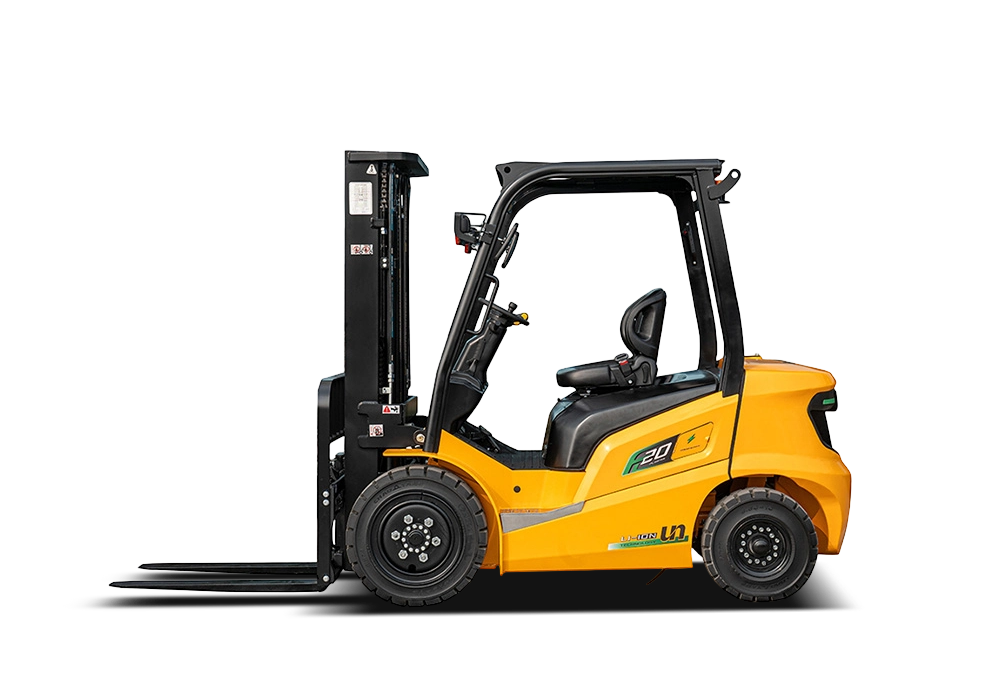
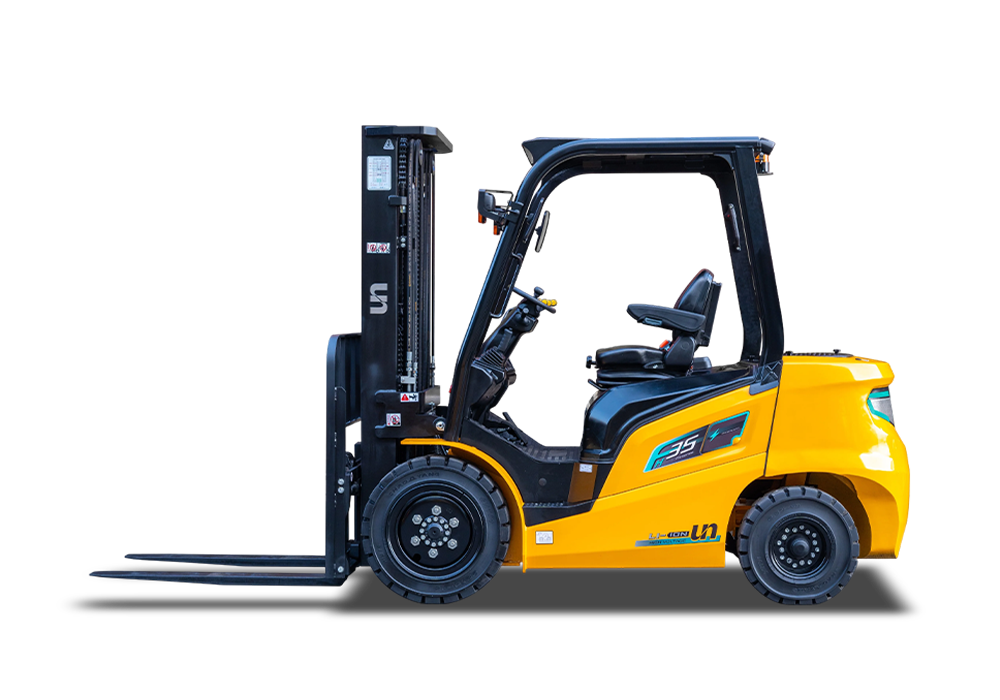
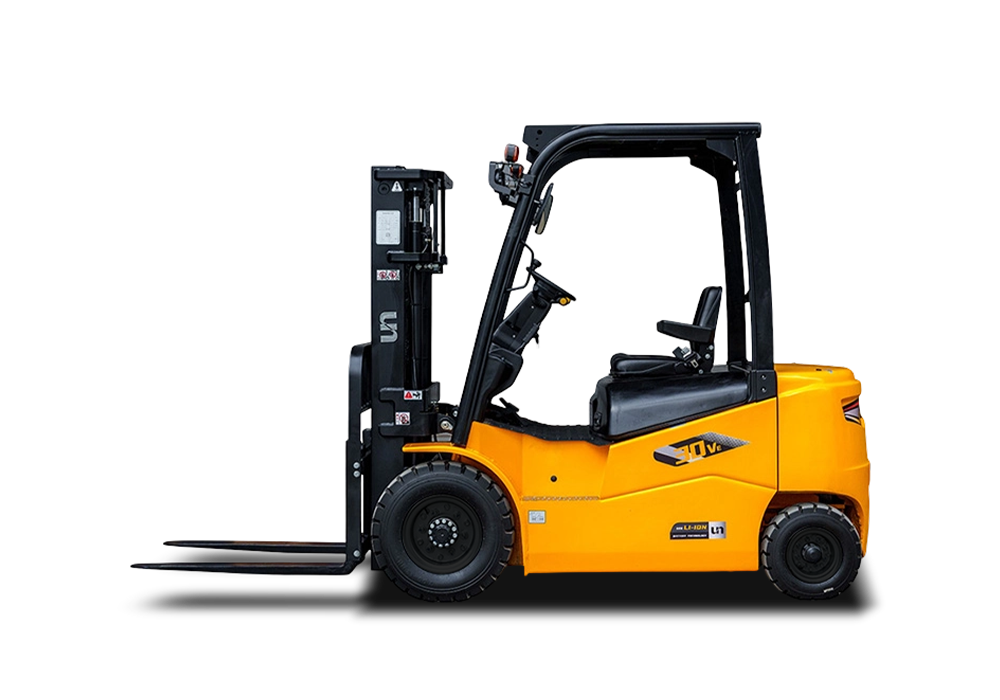
The redesigned body uses smooth, streamlined surfaces to give the forklift a more substantial and contemporary appearance. The counterweight incorporates sharp edges and contrasting colors, creating a clear visual structure while contributing to a more powerful industrial image. The design is intended to make the machine recognizable in a busy fleet and easier to integrate into facilities that place importance on equipment appearance and workplace presentation.
The electrical system includes dynamic LED taillights. LED lighting generally offers long service life, low energy consumption, and good visibility compared with conventional lighting solutions. On a working forklift, rear lighting is not merely decorative. It can help indicate the machine’s position and movement to pedestrians, other operators, and nearby vehicles, particularly in busy aisles or larger loading areas.
The external design also supports functional objectives. Smooth panels can make routine cleaning easier, while the redesigned hood and side covers provide access to key service areas. The overhead guard and mast have been optimized to improve the operator’s forward view without compromising the protective structure required for overhead load protection.
A modern appearance can also support fleet management. Clearly visible lighting, a well-organized body structure, and a clean exterior can make daily inspections more systematic. Operators are more likely to identify damage, contamination, loose components, or unusual conditions when inspection points are accessible and visible.
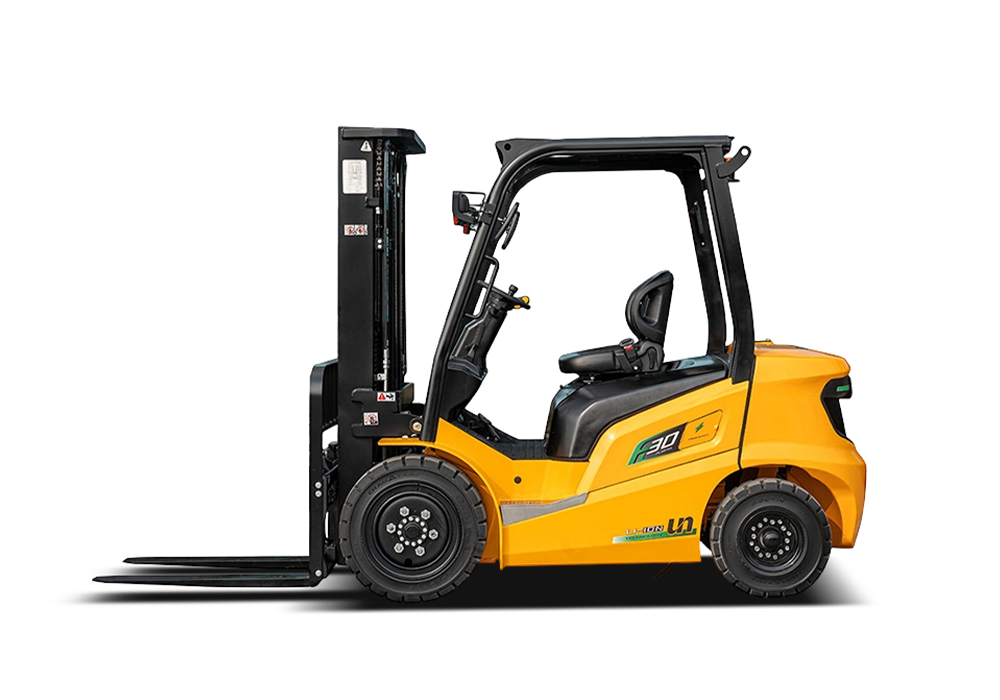
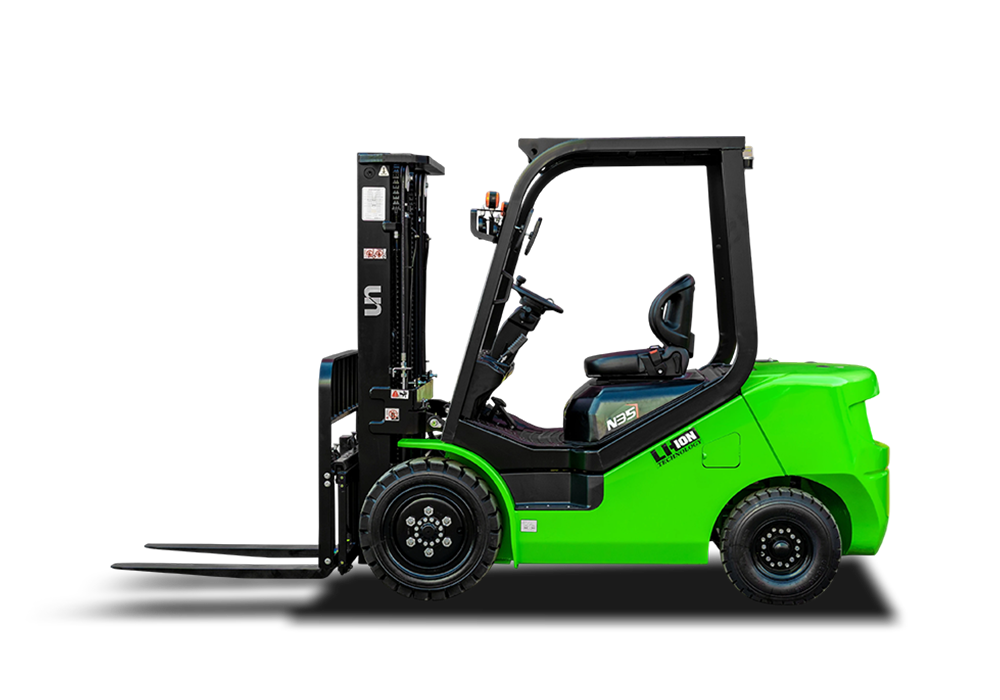
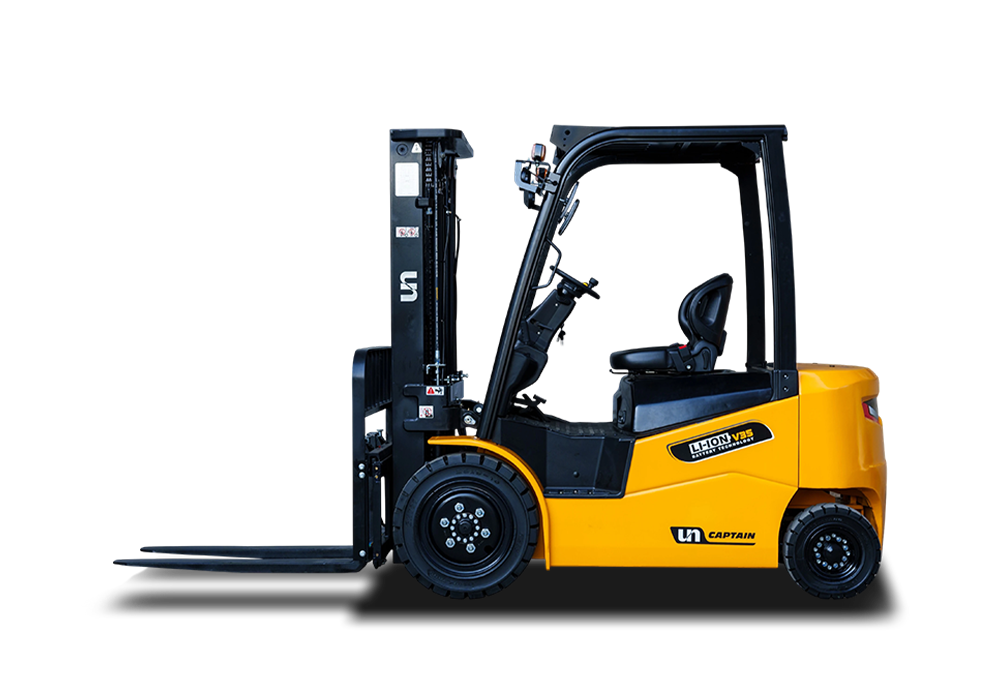
FL Series 3.0T-3.5T Li-ion Battery Forklift
3. Lithium-Ion Power System
The FL Series is powered by a lithium-ion battery system. The supplied specifications include configurations such as 76.8 V batteries with capacities of 230 Ah for the FB30 and 280 Ah for the FB35. Other specification references list an 80 V/205 Ah battery arrangement, as well as optional battery capacities up to 460 Ah. Because battery selection can vary according to market, chassis configuration, performance package, and charger arrangement, customers should confirm the final battery and charger specifications before ordering.
Lithium-ion power offers several operational advantages over conventional lead-acid battery systems. The battery can generally accept opportunity charging during planned breaks, allowing users to add energy without waiting for a complete discharge cycle. This can be valuable in multi-shift environments where a forklift must remain available for a high proportion of the working day.
Lithium-ion batteries also avoid the routine watering requirements associated with flooded lead-acid batteries. This reduces the number of battery-room tasks and helps simplify fleet maintenance procedures. The absence of fuel combustion makes the forklift especially attractive for indoor operations where air quality, noise, and emissions are important considerations.
Energy delivery is another important benefit. Lithium-ion systems can provide stable voltage characteristics during much of the working cycle, supporting consistent travel, lifting, and hydraulic performance. Proper battery management protects the cells and monitors operating conditions such as temperature, voltage, and charging status.
The optional high-capacity battery package can extend operating availability between charging events. When paired with the optional 200 A high-speed charger, it is intended to support users who need shorter charging intervals and greater fleet utilization. Battery capacity should always be selected according to shift length, average load, travel distance, attachment use, ambient temperature, and charging infrastructure.
For cold environments, an optional low-temperature heating system is available for operation down to approximately minus 20 degrees Celsius. Battery performance can be affected by low temperature, particularly during charging and high-current operation. A heating system helps maintain the battery within a more suitable operating range, although users should still follow the approved battery-management and charging procedures.
The lithium-ion battery is identified as meeting current CE-related requirements in the supplied product information. Compliance documentation, battery certifications, charger approvals, and market-specific requirements should be reviewed as part of the purchasing process, especially when equipment is imported across regulatory jurisdictions.
Operational Benefits Compared with Conventional Alternatives
In comparison with an internal-combustion forklift of similar capacity, the FL Series can provide zero tailpipe emissions during operation, lower noise, fewer engine-related service items, and easier indoor deployment. It may also reduce fuel handling and simplify daily start-up procedures.
In comparison with a conventional lead-acid electric forklift, the lithium-ion version can reduce watering and battery-room requirements, support opportunity charging, and provide a more flexible approach to multi-shift operations. These benefits can translate into lower downtime and improved utilization when the battery and charging system are correctly matched to the application.
In comparison with lower-capacity electric trucks, the FL Series provides greater lifting capability, larger tires, stronger chassis dimensions, and a more suitable configuration for heavy palletized loads. It is therefore positioned as a practical solution for users who need electric power without moving down to a lighter-duty equipment class.
4. High Performance for Industrial Work
Performance is influenced by more than motor power alone. A productive forklift must combine lifting speed, travel speed, gradeability, steering response, hydraulic control, tire selection, chassis stability, and operator visibility. The FL Series addresses these areas through a combination of electric drive technology, proportional lifting, load-sensing steering, and a counterbalance chassis engineered for industrial work.
The supplied specifications identify drive motor ratings of 10 kW and, in another configuration reference, 10/14 kW. Lift motor ratings are listed as 12 kW and 12/18 kW depending on the equipment version. These differences indicate that the product may be offered with more than one power package. The final motor rating should therefore be confirmed against the selected model and performance configuration.
The 3.0T model has a rated load capacity of 3,000 kg, while the 3.5T model is rated for 3,500 kg. Both are specified with a 500 mm load center. Rated capacity must always be evaluated together with lift height, load center, mast configuration, attachment weight, load shape, and residual capacity charts. Operators should never assume that the nominal capacity applies to every lifting condition.
Rated lift height in the listed configurations is 3,000 mm. The free lift height varies by model and configuration, while mast extended heights range approximately from 4,150 mm to 4,198 mm for the 3.0T and 3.5T references. These dimensions allow the forklift to serve common industrial stacking and pallet-handling requirements, while optional mast arrangements may be selected for different ceiling restrictions or rack heights.
The listed no-load travel speed for the 3.0T and 3.5T versions is commonly shown as 11/12 km/h or 14/15 km/h, depending on the selected performance setting. A lower speed mode can support precise maneuvering and safer operation in congested areas, while a higher setting may improve travel productivity in open yards or longer transport routes. Site rules and pedestrian-protection procedures should determine the appropriate speed setting.
Full-load lifting speeds are listed in the range of approximately 250/360 mm per second or 290/400 mm per second, depending on the configuration. Proportional lifting allows the operator to control the hydraulic movement more smoothly than a simple on-off system. This can be particularly useful when positioning fragile products, aligning loads with rack beams, or working close to personnel and infrastructure.
The maximum gradeability with a full load is listed at 15 percent. Actual grade performance depends on surface quality, tire condition, load position, battery state, temperature, and slope length. A 15 percent figure should be treated as a rated reference rather than a recommendation for unrestricted operation on every incline.
5. Steering and Hydraulic Control
The FL Series adopts a load-sensing steering system. Load-sensing hydraulic technology can provide hydraulic flow according to demand rather than continuously operating at maximum output. This may improve energy efficiency, reduce unnecessary heat generation, and provide a more controlled steering feel.
For an electric forklift, efficient hydraulic management is especially valuable because every auxiliary load affects battery consumption. By matching hydraulic output to the operator’s demand, the system can help make better use of stored battery energy. It can also support smoother operation during combined steering and lifting movements.
Turning deceleration is included as a standard function. When the forklift turns, the control system can reduce travel speed to help maintain stability and improve maneuverability. The display includes a rear-wheel angle indication, giving the operator a visual reference for steering position. This is helpful when reversing into narrow spaces, aligning with a pallet, or maneuvering near racks.
Rear-wheel steering provides the tight turning characteristics expected from a counterbalance forklift, but it also requires operator awareness because the rear of the machine swings outward during turns. The outside turning radius for the listed 3.0T and 3.5T configurations is approximately 2,450 mm and 2,500 mm, respectively. The minimum aisle width for pallets is listed at approximately 4,120 mm for the FB30 and 4,170 mm for the FB35 in one of the supplied configuration tables.
Operating pressure for attachments is listed at approximately 20.5 MPa in the detailed configuration reference, while another specification set lists 19.5 MPa. The correct pressure depends on the final hydraulic package. Attachment users should verify flow, pressure, residual capacity, hose connections, and attachment compatibility before use.
6. Safety and Reliability Features
Safety is built into the FL Series through mechanical design, electronic control, operator information, and stability-related functions. No single feature replaces training and safe operating procedures, but the combination can help reduce operating risk when properly maintained and used within the rated limits.
The steering axle is a cast design fitted with tapered roller bearings. This type of bearing arrangement is suited to handling radial and axial loads and can contribute to durability under repeated steering and uneven-surface conditions. The steering axle is also equipped with turning reduction, supporting controlled cornering and helping the operator manage the vehicle in confined areas.
A bottom-buffering function is provided as standard. This feature is intended to help soften the lower end of mast or fork movement and reduce harsh impact when the forks approach the bottom of the lift range. Smoother hydraulic and mechanical movement can reduce stress on components and improve operator comfort.
An anti-sloping function is included to help prevent unintended movement or rolling on an incline. The exact operating behavior depends on the control system and application conditions, but such a function can provide an additional layer of protection when the forklift is stopped or starting on a slope.
An anti-static strip is installed as standard. Static electricity can be a concern in certain industrial environments, especially where dry floors, synthetic materials, dust, or sensitive products are present. The strip assists with static discharge, although specialized hazardous-area applications require a separate equipment assessment and may need additional certification.
The electrical system is designed with IPX4 waterproof performance. This indicates protection against water splashes from different directions. It does not mean that the forklift can be submerged or exposed indefinitely to heavy rain without preparation. Operators should avoid pressure-washing sensitive electrical areas and follow the manufacturer’s cleaning guidance.
The overhead guard provides protection from falling objects within the equipment’s design limits. The optimized stamped structure is intended to improve forward visibility while maintaining protective strength. Operators should still keep loads stable, avoid lifting damaged pallets, and ensure that the load does not obstruct the forward view.
The multifunction color display provides operating information in a clear format. Depending on the final configuration, the display may show battery status, operating hours, travel direction, fault information, speed settings, and rear-wheel angle. Clear information can help operators identify abnormal conditions earlier and support preventive maintenance.
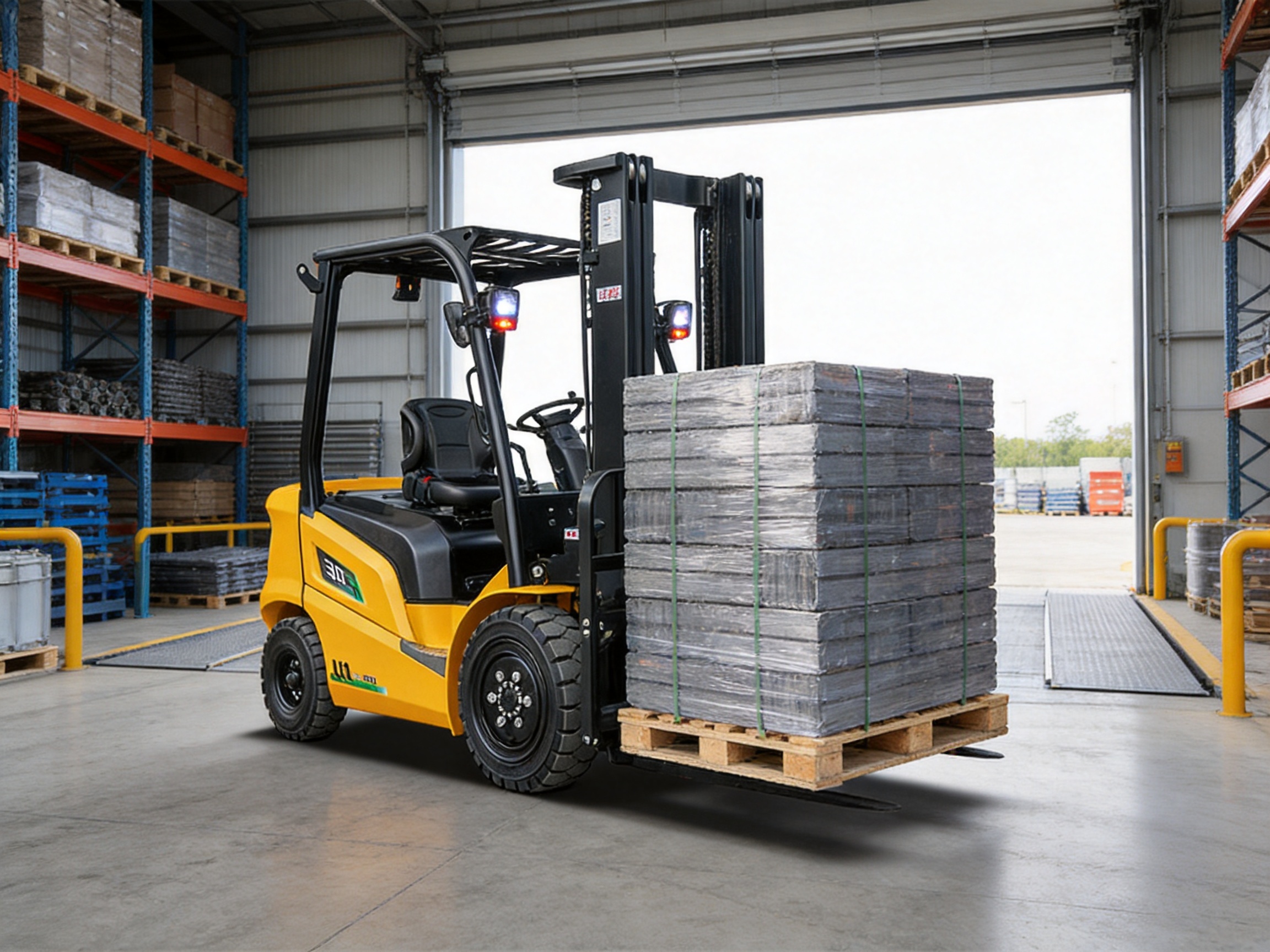
7. Ergonomic Operator Environment
Forklift productivity depends heavily on the operator’s ability to work accurately and comfortably throughout a shift. The FL Series uses an ergonomic design approach with an enlarged operating space, improved control placement, and greater attention to visibility.
A spacious operator compartment can make entry, exit, steering, pedal operation, and control movements easier. Greater room is particularly valuable when operators wear protective clothing or work for extended shifts. Reduced physical restriction can also support more consistent posture and lower fatigue.
The stamped overhead guard has been optimized to improve visibility. Visibility is important when approaching pallets, checking mast alignment, driving beneath structures, and working in areas shared with pedestrians. The wide-view mast further supports the operator’s line of sight through the lifting structure.
The multifunction color display gives the operator access to essential information without requiring frequent attention away from the operating area. A readable display can support faster recognition of battery status, warning messages, and selected vehicle functions.
The new ratchet handbrake is designed for straightforward engagement and release. A clear mechanical handbrake arrangement provides a familiar method of securing the forklift when parked. Operators should always lower the forks, place the directional control in neutral, apply the parking brake, switch off the vehicle, and follow site-specific parking procedures.
A USB connection is provided as standard for mobile devices. This feature can help operators maintain communication during long working periods, although mobile-device use while driving should be controlled by company policy and local safety rules. The USB port should also be protected from contamination, moisture, and incompatible charging equipment.
The combination of steering feedback, proportional lifting, wide visibility, display information, and improved seating space gives the FL Series a more refined operating environment than a basic industrial forklift. These features can help support precise load placement and reduce unnecessary operator effort.
8. Chassis, Tires, and Stability
The FL Series uses a heavy-duty counterbalance chassis suitable for loads up to 3,500 kg. Wheelbase is listed at approximately 1,700 mm for the FB30 and FB35. The wheelbase, axle structure, counterweight, mast design, and tire selection all contribute to the stability characteristics of the machine.
Front tires for the listed 3.0T and 3.5T configurations are specified as 28 × 9–15, with a 14-ply rating in one detailed table. Rear tires are listed as 6.50–10 with a 10-ply rating. Tire specifications may vary with regional configuration, so the final equipment documentation should be used when replacing tires.
Pneumatic or cushion-style tire selection has a direct effect on application suitability. Pneumatic tires are generally useful where the forklift operates on outdoor surfaces, loading yards, or floors with minor irregularities. Cushion tires can be advantageous in compact indoor environments, but the product configuration should be verified before purchase because the supplied data references more than one tire arrangement.
Ground clearance beneath the mast is listed at approximately 125 mm for the FB30 and FB35. This supports travel over minor surface irregularities and helps reduce the risk of contact with floor debris. Ground clearance should not be interpreted as permission to operate over severe obstacles or rough terrain beyond the intended design.
The front tread is listed at approximately 1,000 mm and the rear tread at approximately 980 mm for the 3.0T and 3.5T models. These dimensions contribute to the overall stance of the forklift and should be considered during aisle planning, rack layout, dock access, and trailer loading.
Stability also depends on the load center. The listed 500 mm load center is a key reference point. As the load center increases, the effective load moment also increases, reducing available capacity. Long, irregular, liquid, or poorly secured loads require special assessment and may need an attachment or revised capacity chart.
9. Dimensions and Workplace Integration
The FB30 has a listed length to the face of the fork without the fork of approximately 2,700 mm, while the FB35 is approximately 2,770 mm. Overall width is approximately 1,220 mm for both models. These dimensions provide a useful balance between capacity and maneuverability, but facility planners should evaluate the complete turning envelope rather than vehicle width alone.
Overhead guard height is listed at approximately 2,190 mm for the FB30 and 2,208 mm for the FB35. Before deploying the forklift, users should verify doorway height, trailer entry clearance, sprinkler clearance, overhead beams, lighting fixtures, and rack protection structures.
Mast lowered height is approximately 2,115 mm in the detailed 3.0T and 3.5T reference. Mast extended height with backrest is approximately 4,150 mm. The actual height depends on mast type, lift height, backrest, fork length, and optional equipment. A facility survey should be conducted before selecting the mast configuration.
The minimum pallet aisle width is listed at approximately 4,120 mm for the FB30 and 4,170 mm for the FB35 in the detailed specification. Aisle requirements can change with pallet dimensions, rack depth, load overhang, steering technique, attachment use, and the desired clearance margin. A nominal specification should therefore be validated through a site trial or layout study.
For fleet planners, these dimensions make the FL Series suitable for medium-width aisles and conventional industrial storage areas. The forklift is not intended to replace a narrow-aisle reach truck or very-narrow-aisle turret truck in highly space-constrained facilities, but it can perform a broader range of loading, unloading, transport, and stacking tasks.
10. Maintenance and Serviceability
Maintenance access is a major factor in total cost of ownership. The FL Series increases the hood opening angle to create a more spacious inspection and service area. Better access can reduce the time required to check electrical connections, hydraulic components, cooling areas, controls, and other service points.
Detachable side panels make maintenance and cleaning more convenient. Side access can be important for inspecting the battery enclosure, wiring harnesses, drive components, hydraulic lines, and chassis areas that may collect dust or debris. Easy panel removal also supports more frequent visual inspections.
Lithium-ion power reduces some routine tasks associated with lead-acid batteries, especially battery watering and acid-related housekeeping. However, lithium-ion equipment still requires scheduled inspection. Battery connectors, charger connections, cables, protective covers, thermal management components, and battery-management alerts should be checked according to the approved maintenance schedule.
Electric drive systems generally have fewer wear components than internal-combustion powertrains. There is no engine oil, fuel filter, exhaust system, spark plug, or conventional engine cooling package to service. This can reduce the number of routine maintenance items, although electric motors, controllers, brakes, steering components, tires, hydraulic systems, and structural parts remain essential service areas.
Preventive maintenance should include inspection of the mast rollers, chains, forks, fork locks, carriage, overhead guard, steering axle, tires, wheel fasteners, brakes, parking brake, hydraulic hoses, cylinders, warning lights, display functions, and safety interlocks. Forks must be checked for cracks, bending, heel wear, and locking function. Damaged forks should be removed from service immediately.
Cleaning should be carried out using methods suitable for electrical equipment. Operators should remove dust, fibers, oil, and debris from accessible areas while avoiding direct high-pressure water on electrical connectors, displays, battery vents, and control components. Good housekeeping can help preserve both reliability and appearance.
11. Manufacturing Strengths and Engineering Capabilities
The product is manufactured by Zhejiang UN Forklift Co., Ltd., a material-handling equipment company integrating research and development, production, sales, and service. The company was founded in 1978 and operates a facility covering approximately 53,400 square meters, with an annual production capacity stated at approximately 15,000 units.
Such a production scale supports more than volume. It can provide experience in product standardization, component sourcing, assembly processes, quality control, testing, spare-parts planning, and after-sales support. A manufacturer with a long operating history can also draw on field experience from multiple generations of internal-combustion and electric forklifts.
The company’s product portfolio includes multiple forklift categories, series, and specifications. The supplied company information states that the range includes 17 varieties, 96 series, and more than 200 specifications. A broad portfolio can strengthen engineering knowledge across different load capacities, power systems, mast arrangements, steering layouts, and application requirements.
The manufacturer has experience in electric forklift technology and has participated in the formulation of Chinese electric forklift industry standards. It has also developed reach forklift and very-narrow-aisle truck technologies. This background is relevant to the FL Series because modern electric forklift engineering depends on coordinated control of traction, hydraulic lifting, steering, battery management, braking, stability, and operator information.
Manufacturing strength is particularly important for lithium-ion forklifts. Battery integration requires careful attention to enclosure design, thermal behavior, charging compatibility, cable routing, vibration resistance, electromagnetic compatibility, protection ratings, and service access. The forklift must be engineered as a complete system rather than simply fitted with a battery in place of an engine or lead-acid pack.
The redesigned FL Series reflects this integrated approach. Its load-sensing steering, proportional lifting, dynamic LED lighting, rear-wheel angle indication, anti-static strip, waterproof electrical protection, high-speed charging option, low-temperature heating option, and ergonomic operator station are connected parts of one product platform.
The company also supplies products to international markets and maintains a worldwide sales and service network with partners in Europe, South America, North America, Africa, and Asia. International experience can help manufacturers understand different regulatory expectations, working environments, operator practices, attachment requirements, and customer preferences.
The company’s OEM experience with recognized industrial organizations further indicates familiarity with controlled production, customer-specific requirements, quality documentation, and commercial supply programs. For fleet buyers, this can be valuable when standardizing equipment across multiple sites or requesting customized configurations.
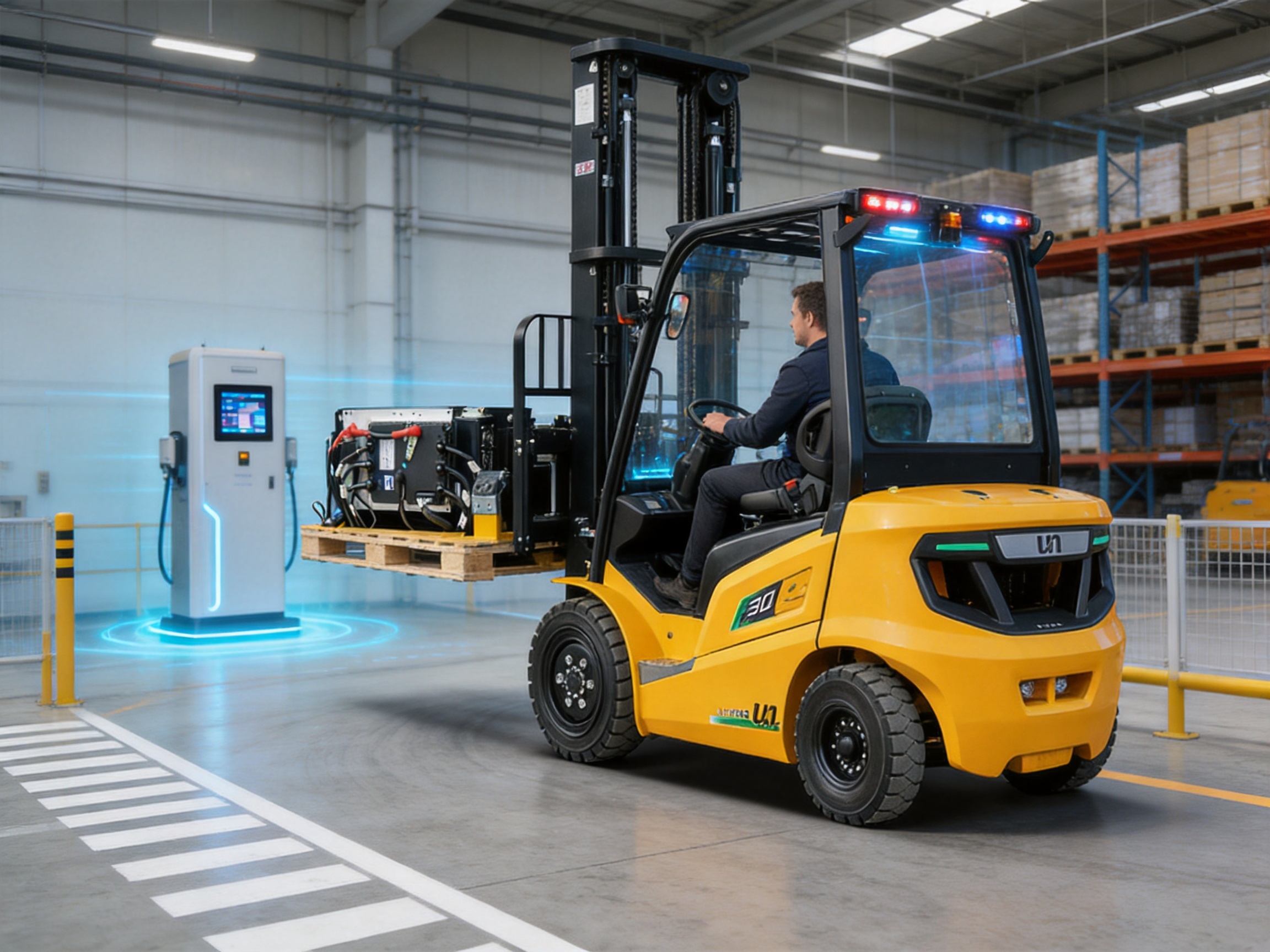
12. Quality Control and Production Considerations
A dependable forklift requires quality control at multiple stages. Incoming materials and components should be checked before assembly, especially safety-critical items such as forks, chains, steering components, tires, hydraulic parts, battery systems, control units, and structural weldments.
Frame and counterweight production must maintain dimensional accuracy because alignment affects mast behavior, steering response, tire wear, and stability. Welding quality is also important for structural integrity. Proper preparation, welding parameters, inspection, and finishing processes help ensure that the chassis can withstand repeated loading and vibration.
Mast assembly requires careful control of rail alignment, roller adjustment, chain routing, carriage fit, fork positioning, and hydraulic cylinder operation. These areas influence lifting smoothness, residual capacity, noise, and service life. Proportional lifting performance depends not only on software and valves but also on accurate mechanical assembly.
Electrical assembly should include inspection of connectors, cable routing, insulation, grounding, protective devices, controller installation, lighting, display operation, and battery interfaces. The IPX4 target requires attention to covers, seals, connector placement, and drainage paths. Waterproof performance can be compromised by improper repairs or missing protective components, making service procedures important after delivery.
End-of-line testing should evaluate travel, braking, steering, lifting, lowering, mast tilt, hydraulic pressure, parking brake holding, warning devices, display functions, safety interlocks, and battery charging behavior. Load testing and stability verification should be performed according to the relevant technical and safety requirements.
For international customers, documentation is also part of manufacturing quality. Product manuals, load charts, maintenance schedules, battery instructions, charger information, spare-parts references, and conformity documentation help users operate and maintain the forklift correctly. Clear documentation reduces the risk of incorrect configuration or unsafe modifications.
13. Advantages for Fleet Owners
Fleet owners typically evaluate forklifts according to productivity, acquisition cost, energy consumption, service requirements, operator acceptance, safety, and resale or replacement planning. The FL Series addresses each of these areas in a way that supports a total-cost-of-ownership assessment.
Energy efficiency is a central advantage. Electric drive and lithium-ion battery technology can reduce dependence on fuel and support predictable charging routines. The ability to opportunity-charge may help reduce the number of spare batteries and eliminate some battery-changing infrastructure, depending on the shift pattern and site layout.
Reduced routine maintenance can also support lower operating costs. Electric power removes many engine-related service tasks, while lithium-ion technology reduces battery watering and battery-room labor. These savings should be calculated together with electricity pricing, charger installation, battery replacement policy, preventive maintenance, tire wear, and operator training.
High utilization is supported by the optional high-capacity battery and 200 A high-speed charger. However, fast charging must be coordinated with the facility’s electrical supply and the battery manufacturer’s approved charging parameters. A proper energy study can determine whether one forklift can cover a shift, whether opportunity charging is sufficient, or whether additional units are required.
The FL Series may also help companies meet workplace environmental objectives. Lower noise and no tailpipe emissions can improve conditions in enclosed facilities. Cleaner operation may be especially important near food packaging, pharmaceuticals, electronics, indoor production, and public-facing logistics areas, subject to the applicable hygiene and safety requirements.
Fleet standardization is another potential benefit. A company using several capacity classes can select related electric models and establish common operator training, inspection routines, charging procedures, and spare-parts strategies. Standardization can simplify management across warehouses and regional sites.
14. Advantages for Operators
Operators benefit from a forklift that responds predictably and provides clear information. Proportional lifting allows more precise fork positioning. Turning deceleration helps control speed during cornering. Rear-wheel angle indication provides additional steering awareness. The wide-view mast and optimized overhead guard support better visibility around the load.
The ergonomic operating space can reduce physical strain during long shifts. A comfortable operator position may improve concentration and help reduce errors caused by fatigue. A well-organized display and accessible controls make it easier to monitor the forklift without unnecessary distraction.
Lower noise compared with many internal-combustion forklifts can make communication easier in shared work areas. It may also reduce the acoustic burden on operators, although hearing protection and workplace noise assessments remain necessary where other machinery creates high sound levels.
Electric acceleration and braking can be managed smoothly through the control system. Operators should receive training on regenerative braking, travel modes, hydraulic controls, charging procedures, and the specific behavior of the selected model. Familiarity with the machine is essential for achieving the full benefit of its control features.
15. Comparative Product Assessment
| Evaluation Area | FL Series 3.0T–3.5T Lithium-Ion Forklift | Typical Conventional Alternative |
|---|---|---|
| Power system | Lithium-ion battery with optional high-capacity and high-speed charging configurations | Internal-combustion engine or conventional lead-acid battery |
| Rated capacity | 3,000 kg or 3,500 kg at a 500 mm load center | Varies by model and power system |
| Indoor suitability | Strong suitability because there are no tailpipe emissions during operation | Internal-combustion models may require ventilation and emissions management |
| Charging or refueling | Opportunity charging and high-speed charging options may support multi-shift use | Fuel refueling or battery changing may be required |
| Battery maintenance | No routine watering requirement for the lithium-ion battery | Lead-acid batteries may require watering and equalization procedures |
| Operator control | Proportional lifting, turning deceleration, rear-wheel angle indication, and color display | Features vary widely by manufacturer and configuration |
| Visibility | Optimized overhead guard and wide-view mast | Depends on mast, guard, carriage, and model design |
| Water protection | Electrical system designed for IPX4 waterproof performance | Protection level varies by model |
| Maintenance access | Increased hood opening angle and detachable side panels | Access depends on individual design |
| Outdoor capability | High ground clearance, industrial tires, and 15 percent full-load gradeability reference | Depends on tire, chassis, clearance, and engine configuration |
The comparison shows that the FL Series is not simply an electric replacement for a smaller warehouse truck. It is designed to offer industrial capacity, outdoor flexibility, operator-oriented control, and lithium-ion energy advantages in one platform. The final advantage in any operation will depend on application conditions, charging design, duty cycle, and correct equipment selection.
16. Recommended Applications
The FL Series is suitable for loading and unloading trucks, moving raw materials, transporting finished products, stacking pallets, feeding production lines, handling machinery parts, and supporting distribution operations. The 3,000 kg and 3,500 kg capacities make it appropriate for applications where loads are too heavy for compact electric forklifts but where clean electric operation is preferred.
Manufacturing plants can use the forklift to move steel components, castings, packaged equipment, containers, and production materials. Warehouses and distribution centers can use it for pallet transfer, dock work, and outdoor yard movement. Construction-material suppliers may benefit from the higher capacity and robust tire options, provided the operating surface is appropriate.
Food and beverage operations may value the absence of exhaust emissions in enclosed areas. Electronics and precision manufacturing facilities may benefit from reduced noise and controlled operation, although anti-static requirements should be reviewed carefully for each site. Cold-storage or low-temperature applications may consider the optional battery heating system and should confirm the complete temperature operating range.
Attachment applications may include clamps, side shifters, rotators, fork positioners, and specialized handling tools. Attachment use changes the load center, vehicle weight, visibility, and residual capacity. The hydraulic pressure and flow requirements must be confirmed before installation, and the capacity plate must reflect the approved attachment configuration.
17. Purchasing and Configuration Guidance
Customers should begin by defining the actual duty cycle. Important questions include the average and maximum load, load dimensions, load center, lift height, travel distance, operating hours per shift, number of shifts, floor quality, indoor or outdoor exposure, ambient temperature, slopes, aisle width, and attachment requirements.
Battery capacity should be matched to the work pattern rather than selected solely by the largest available number. A high-capacity battery may be beneficial for long shifts or heavy hydraulic use, while a smaller battery may be adequate for intermittent work. Charging time, available electrical power, charger location, and opportunity-charging rules should be assessed together.
Mast selection should account for the lowest overhead clearance and the highest required rack level. The lowered mast height must fit through doors and under structures, while the extended mast height must remain compatible with sprinklers, lighting, and ceiling conditions. A backrest, attachment, or special fork can change the final dimensions.
Tire choice should reflect the floor and yard conditions. Smooth indoor concrete, uneven asphalt, gravel, ramps, and wet areas place different demands on tires. Users should also consider non-marking requirements, traction, impact resistance, load rating, and replacement availability.
Before final order confirmation, customers should request the exact technical data for the selected configuration. The supplied material includes more than one specification table with differences in battery voltage, battery capacity, motor ratings, hydraulic pressure, tire details, dimensions, and performance values. These differences may represent separate configurations or revisions. The purchase contract and machine nameplate should identify the final values.
18. Safe Operation and Training
Only trained and authorized operators should use the forklift. Training should cover rated capacity, load-center effects, mast operation, steering behavior, rear-end swing, braking, ramp travel, pedestrian awareness, battery charging, parking, daily inspection, and emergency procedures.
Before each shift, the operator should inspect the forks, mast, chains, hydraulic lines, tires, wheels, steering, brakes, parking brake, lights, horn, display, battery connector, charger condition, overhead guard, seat belt, and visible structure. Any leak, crack, warning message, abnormal noise, loose component, or damaged safety device should be reported and corrected before continued operation.
Loads should be centered, stable, and within the rated capacity for the actual lift height and attachment configuration. Forks should be fully inserted where appropriate, and loads should be carried at a safe travel height. The operator should keep the load low while traveling and avoid sudden turning, braking, or acceleration.
When traveling on a slope, the load orientation and direction of travel should follow accepted forklift safety practice. The operator should avoid turning across a slope and should maintain control at all times. The anti-sloping function is an assistance feature, not a substitute for proper driving technique.
Charging areas should be clean, ventilated as required, protected from impact, and equipped with the correct charger. Only approved charging equipment should be used. Operators should not modify battery cables, bypass safety devices, or charge a battery that shows signs of damage, overheating, swelling, or abnormal odor.
19. Long-Term Sustainability
The FL Series supports sustainability goals through battery-electric operation, lower local emissions, reduced noise, and potentially lower maintenance consumption. Environmental performance also depends on the source of electricity, battery service life, recycling arrangements, operating efficiency, and responsible end-of-life management.
Electric forklifts can contribute to cleaner indoor air because they do not produce combustion exhaust during normal operation. This may reduce the need for ventilation associated with engine exhaust, although facilities must still manage dust, battery charging conditions, and emissions from other equipment.
Long service life is another aspect of sustainability. A durable chassis, maintainable mast, accessible service areas, and replaceable components can help extend equipment use. Preventive maintenance is important because proper lubrication, tire replacement, hydraulic service, and battery care can prevent small problems from becoming major failures.
Battery recycling and disposal should follow local regulations and the battery supplier’s instructions. Lithium-ion batteries contain valuable materials and should not be placed in ordinary waste streams. A responsible fleet plan should include procedures for damaged batteries, transportation, storage, recycling, and replacement.
20. Conclusion
The FL Series 3.0T–3.5T lithium-ion battery forklift combines heavy-duty capacity with the clean, quiet, and efficient operating characteristics of electric power. Its 3,000 kg and 3,500 kg models are designed for industrial users who need more capability than a light warehouse truck can provide, while still seeking a practical alternative to internal-combustion equipment.
Key product strengths include lithium-ion energy storage, optional high-capacity batteries, high-speed charging capability, low-temperature heating availability, proportional lifting, load-sensing steering, turning deceleration, rear-wheel angle indication, IPX4 waterproof performance, anti-static protection, and a full set of operator-oriented ergonomic features.
The forklift also benefits from a redesigned body, improved visibility, dynamic LED taillights, a spacious service area, detachable side panels, a cast steering axle, pneumatic industrial tires, and a chassis suitable for demanding material-handling work. Together, these features create a balanced product for warehouses, manufacturing facilities, distribution centers, loading yards, and other applications requiring reliable medium-to-heavy capacity.
Its value is strengthened by the manufacturer’s long history, integrated research and development, production, sales, and service capabilities, broad product portfolio, international market experience, electric forklift expertise, and established manufacturing infrastructure. These strengths support the development of equipment that is not only visually modern but also engineered for maintainability, safety, productivity, and long-term fleet use.
For the best result, customers should select the final battery, charger, mast, tire, attachment, and performance configuration according to a detailed site assessment. When correctly specified, professionally maintained, and operated by trained personnel, the FL Series can provide a strong combination of lifting performance, energy efficiency, operator comfort, and industrial reliability.
Questions and Answers
Q1: What are the rated capacities of the FL Series models covered in this article?
The primary models are the FB30, rated at 3,000 kg, and the FB35, rated at 3,500 kg. Both are listed with a 500 mm load center. Actual capacity depends on lift height, mast type, attachment weight, load center, and the approved capacity chart.
Q2: Is the forklift suitable for indoor operation?
Yes. The lithium-ion battery system produces no tailpipe emissions during operation, making the forklift suitable for many indoor applications. The facility must still consider ventilation, charging requirements, floor conditions, pedestrian control, and any site-specific safety or hygiene rules.
Q3: What battery configurations are available?
The supplied specifications include 76.8 V/230 Ah for the FB30 and 76.8 V/280 Ah for the FB35 in one configuration reference. Other data lists 80 V/205 Ah and optional capacities up to 460 Ah. The exact battery depends on the selected version and market. Customers should confirm the final battery nameplate and charger specification before purchase.
Q4: Can the forklift be used in cold environments?
An optional low-temperature heating system is available for operation down to approximately minus 20 degrees Celsius. Battery charging and performance in cold conditions must follow the approved procedures, and the complete machine operating range should be confirmed for the intended application.
Q5: What does the IPX4 rating mean?
IPX4 indicates protection against water splashes from different directions. It does not indicate that the forklift can be submerged or cleaned with unrestricted high-pressure water. Electrical components should be protected during cleaning and wet-weather operation.
Q6: What features help improve operator control?
The forklift includes proportional lifting, turning deceleration, rear-wheel angle indication, a multifunction color display, a wide-view mast, an optimized overhead guard, a new ratchet handbrake, and an ergonomic operator compartment.
Q7: Does the FL Series require battery watering?
The lithium-ion battery does not require the routine watering procedure associated with flooded lead-acid batteries. It still requires inspection, correct charging, connector care, battery-management monitoring, and service according to the approved maintenance schedule.
Q8: Can the forklift use attachments?
Yes, attachment use is supported, and operating pressure is listed in the supplied data at approximately 19.5 MPa or 20.5 MPa depending on configuration. The attachment must be approved for the forklift, and the residual capacity, hydraulic flow, visibility, and load center must be evaluated before use.
Q9: What maintenance features are included?
The forklift has an increased hood opening angle and detachable side panels to improve inspection, cleaning, and service access. Electric power also removes many engine-related maintenance tasks, although the mast, hydraulic system, steering axle, brakes, tires, forks, battery, and safety systems still require regular maintenance.
Q10: What should customers verify before ordering?
Customers should verify the exact model, battery voltage and capacity, charger rating, motor power, mast height, lowered height, tire type, hydraulic pressure, attachment requirements, operating temperature, aisle dimensions, and final rated capacity. The supplied information contains multiple configuration references, so the final technical document should be confirmed in writing.
References
1. FL Series lithium-ion battery forklift product information and technical specification sheets supplied for this article.
2. Manufacturer product descriptions covering appearance, performance, safety, ergonomics, maintenance, and battery options.
3. Industrial forklift capacity, stability, load-center, and operator safety principles.
4. General guidance for lithium-ion battery charging, inspection, maintenance, and end-of-life handling.
5. General material-handling equipment planning practices for aisle width, mast clearance, tire selection, attachments, and fleet utilization.
6. Company background information concerning manufacturing history, research and development, production capacity, product portfolio, international service network, and electric forklift engineering.
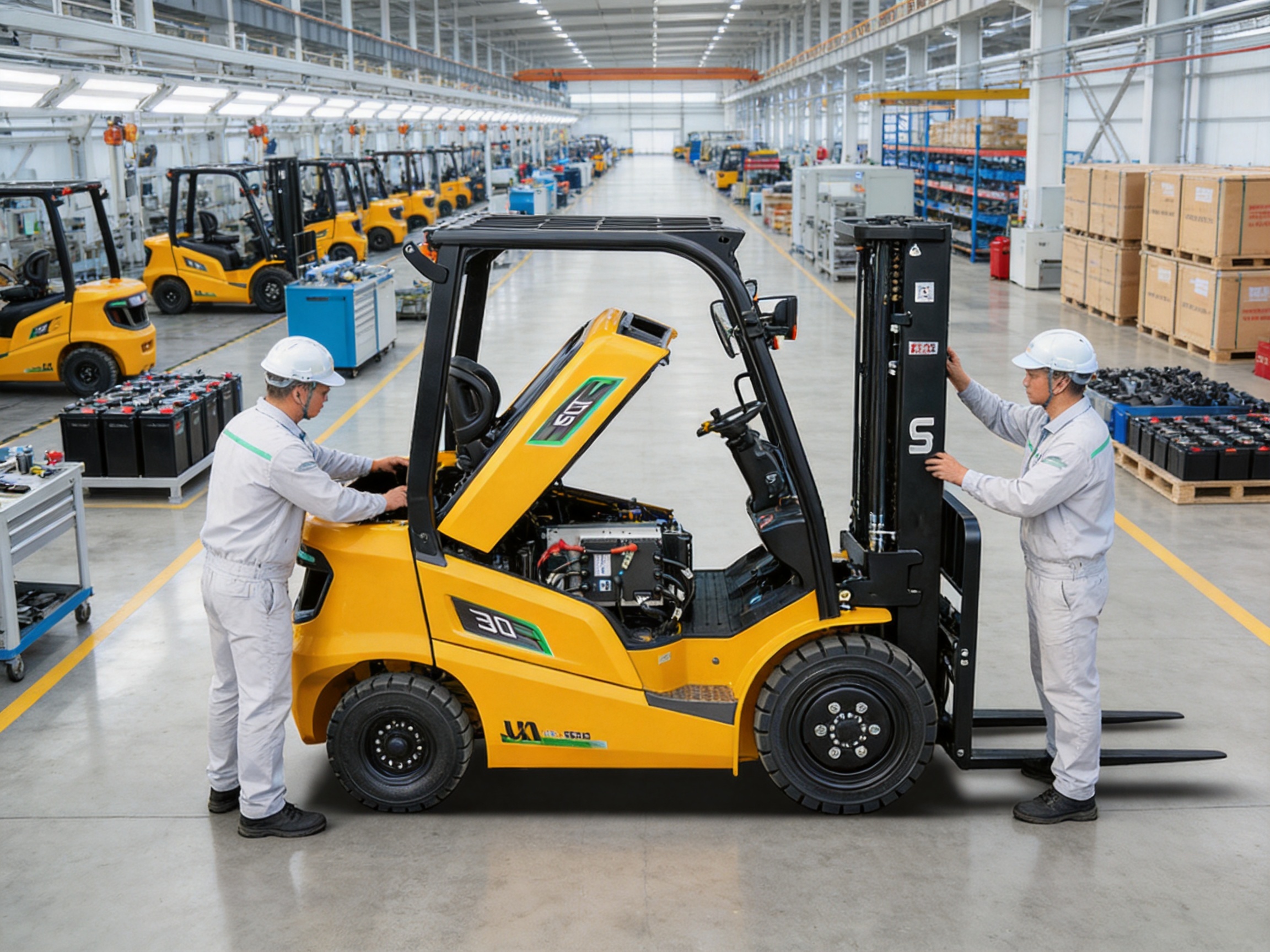
Product: FL Series 3.0T-3.5T Li-ion Battery Forklift
For exclusive deals and latest offers, sign up by entering your email address below.
Stay In Touch
ADDRESS : NO.1 ROAD ONE, XINDENG NEW DISTRICT, FUYANG, HANGZHOU, ZHEJIANG, CHINA 311404.
PHONE : +86-571-8688 8355 (AMERICA)
PHONE : +86-571-8886 9363 (EUROPE)
PHONE : +86-571-8688 8377 (ASIA, AFRICA, OCEANIA)
EMAIL : [email protected]
EMAIL : [email protected](PARTS INQUIRY)

