


 中文简体
中文简体 Français
 русский
 Español
 عربى
عربى Deutsch



Diesel Forklifts: Why They’re Still Doing the Heavy Lifting in Modern Industry
Admin 2026-01-15If you sell forklifts long enough, you’ll hear this question sooner or later:
“With electric forklifts everywhere now, do diesel forklifts still make sense?”
It’s a fair question. The market is changing, regulations are getting stricter, and new technologies show up every year. But the truth is, diesel forklifts haven’t disappeared — and they’re not about to.
They’re still working every day in ports, yards, construction sites, factories, and warehouses where conditions are tough and downtime is not an option.
So instead of talking in marketing language, let’s talk about diesel forklifts the way customers actually do — by answering real questions.
What Is a Diesel Forklift, Really?
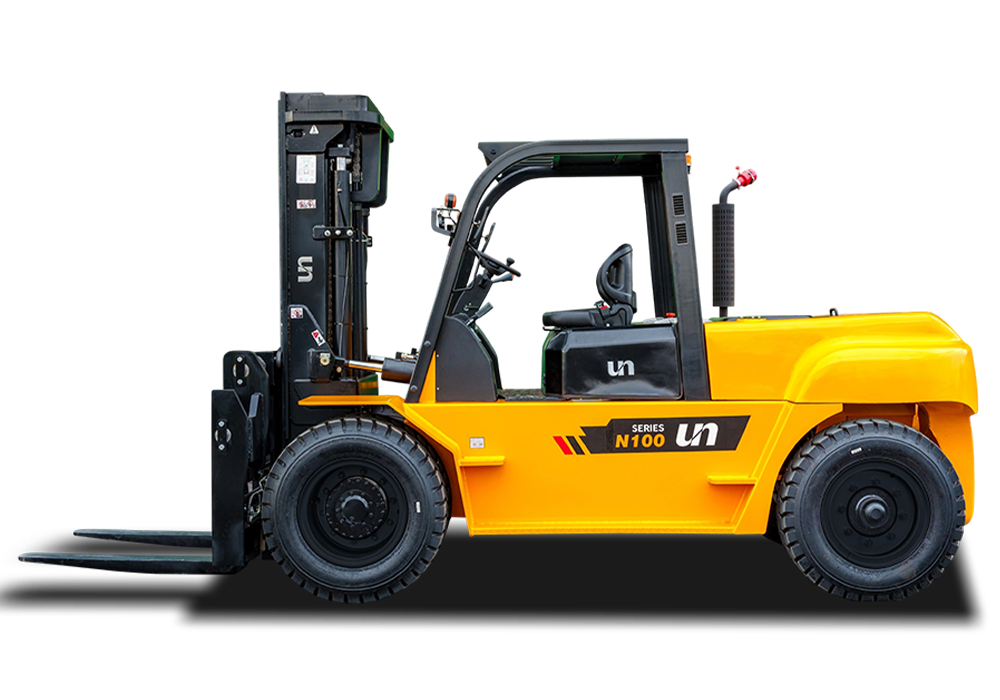
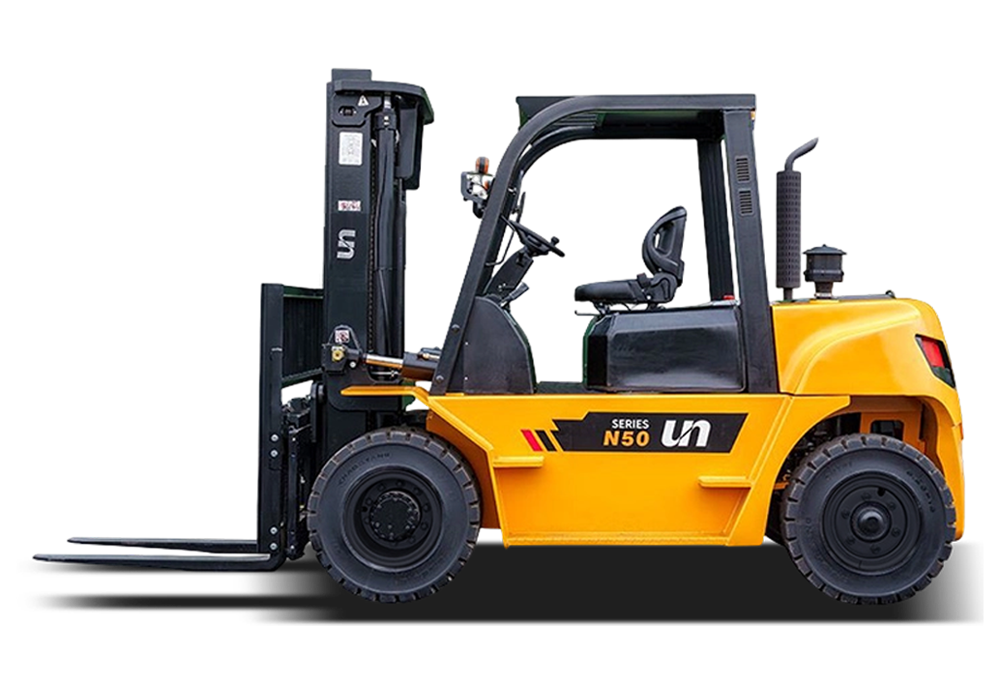
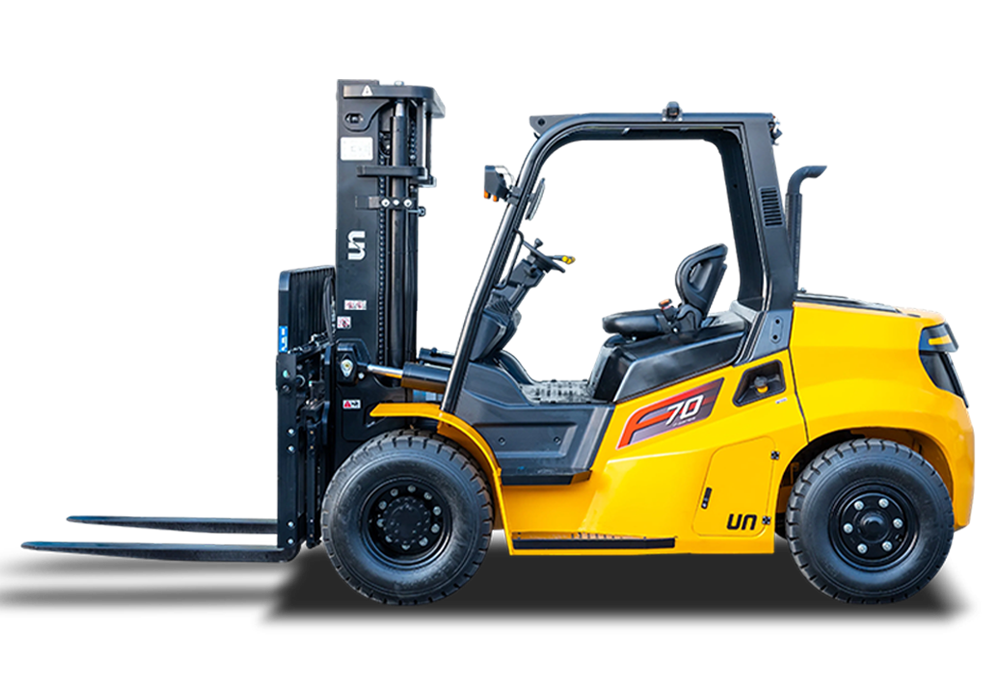
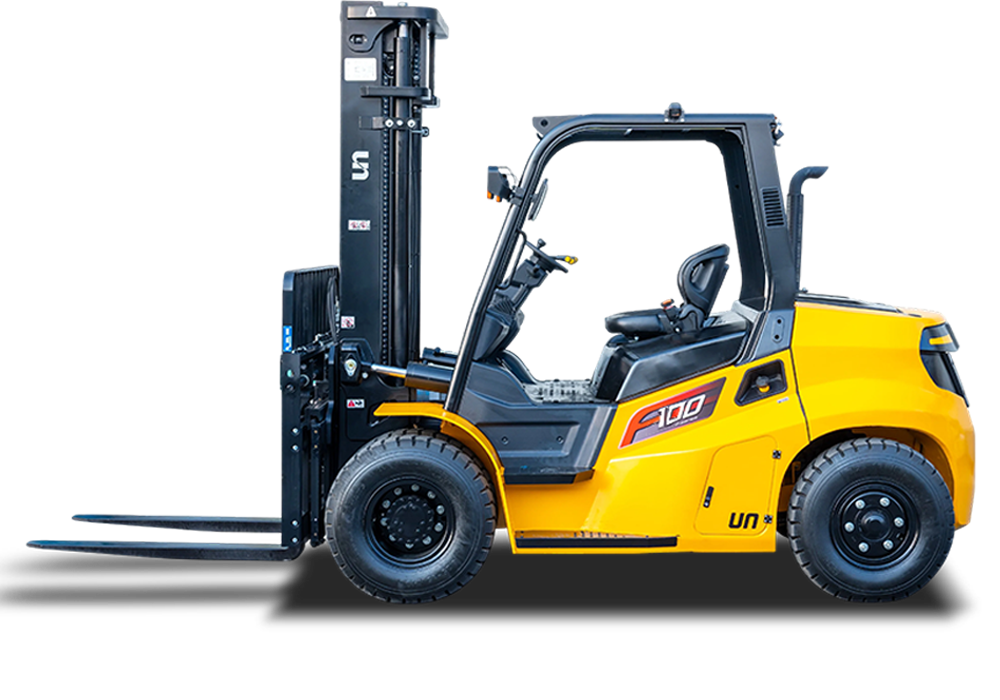
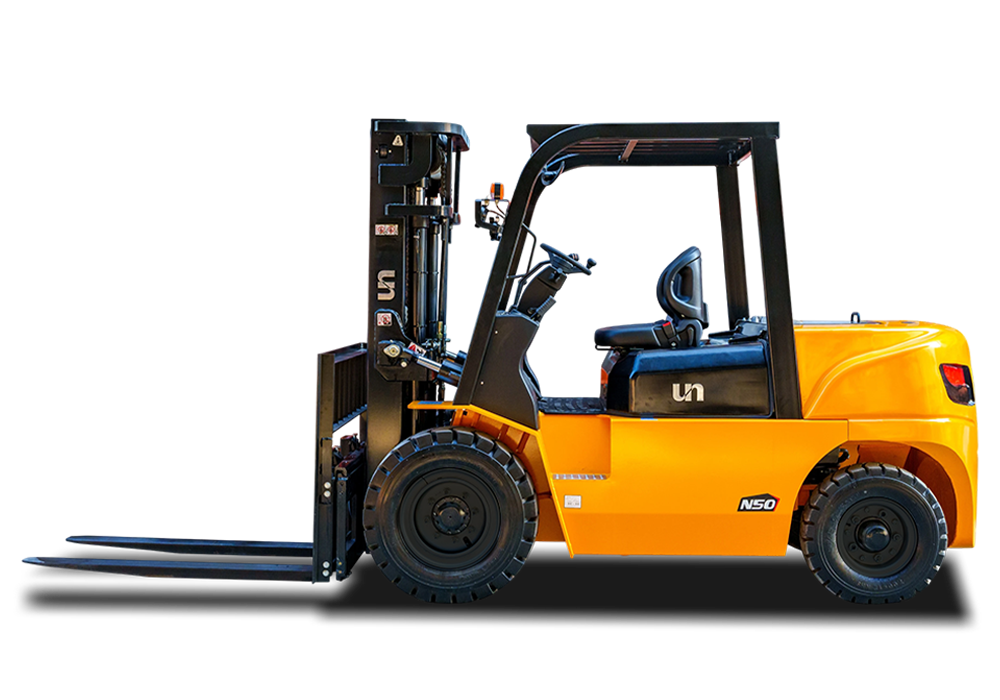
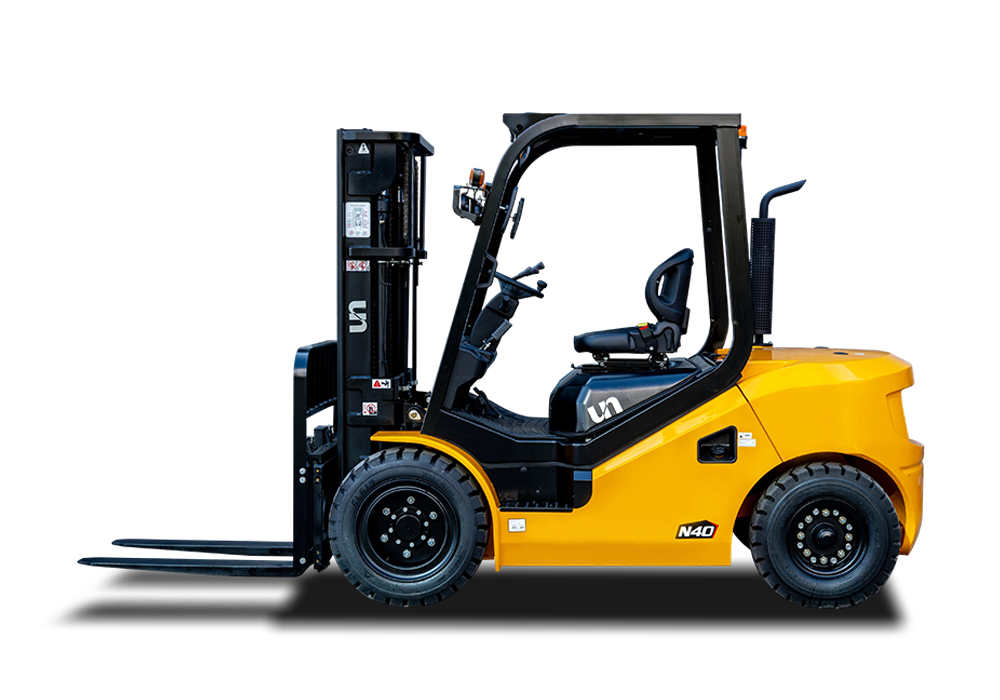
At the most basic level, a diesel forklift is a material handling machine powered by a diesel engine.
It lifts, carries, stacks, and moves heavy loads — usually in places where:
- - Loads are large or irregular
- - Ground conditions aren’t perfect
- - Equipment runs for long hours without stopping
There’s no charging cable, no battery swap, no waiting time. You fuel it, start it, and it works.
For many customers, that simplicity is the first reason they still choose diesel.
Why Does This Still Matter Today?
In phone calls and factory visits, customers don’t ask about trends. They ask about whether the machine can handle their workload.
Diesel forklifts matter because there are still many jobs that electric models struggle with:
- - Continuous heavy-duty operation
- - Outdoor work in rain, dust, or uneven ground
- - High-capacity lifting over long shifts
- - Sites with limited charging infrastructure
One customer summed it up perfectly: “We don’t need fancy. We need something that runs all day.”
When Do People Actually Use Diesel Forklifts?
Diesel forklifts are rarely chosen for light indoor tasks. They shine in demanding environments.
Typical use cases include:
- - Ports and container yards
- - Construction sites
- - Steel and timber yards
- - Mining and quarry operations
- - Large outdoor warehouses
- - Logistics hubs with heavy pallets
They’re especially common where forklifts are used:
- - For long, uninterrupted shifts
- - Across large areas
- - On rough or uneven surfaces
In these environments, stopping a machine for charging isn’t just inconvenient — it’s costly.
How Does a Diesel Forklift Work?
Customers often ask if diesel forklifts are “more complicated.” Mechanically, they’re actually quite straightforward.
Diesel Engine
The engine generates power using diesel fuel. Diesel engines are known for strong torque, which is exactly what forklifts need when lifting heavy loads.
Transmission and Drive System
Power is transferred to the wheels, allowing the forklift to move smoothly even under load.
Hydraulic System
Hydraulics handle lifting, lowering, tilting, and steering. This is where diesel forklifts really show their strength.
Cooling and Filtration
Because diesel forklifts often work outdoors or in dusty environments, proper cooling and air filtration are critical.
From a manufacturer’s perspective, reliability here is not about advanced electronics — it’s about solid engineering and durable components.
What Are the Real Advantages of Diesel Forklifts?
Instead of listing features, let’s talk about what operators and buyers actually notice.
Strong Power and Torque
Diesel forklifts handle heavy loads with less strain. They don’t feel “pushed to the limit” in high-capacity applications.
Long Operating Time
As long as there’s fuel, the forklift keeps working. Refueling takes minutes, not hours.
Better Performance Outdoors
Uneven ground, slopes, weather changes — diesel forklifts are built for this.
Lower Sensitivity to Environment
Cold temperatures, dust, and humidity affect batteries more than engines. Diesel forklifts are more forgiving in harsh conditions.
What Are the Trade-Offs? Let’s Be Honest
Diesel forklifts are not perfect, and pretending otherwise doesn’t help anyone.
Emissions and Regulations
Diesel engines produce exhaust gases. This limits their use in enclosed indoor spaces and requires compliance with local emission standards.
Noise Levels
Compared to electric forklifts, diesel models are louder. In noise-sensitive environments, this matters.
Fuel and Maintenance Costs
Fuel prices fluctuate, and diesel engines require regular maintenance — oil changes, filters, and engine care.
Not Ideal for Indoor-Only Use
Poor ventilation and emissions make diesel forklifts unsuitable for many indoor warehouses.
Many customers already know these downsides. What they want is clarity, not sales talk.
What Should Buyers Pay Attention To?
When customers are choosing a diesel forklift, these are the questions that really matter:
- - What load capacity do I actually need — not just on paper?
- - How many hours per day will the forklift run?
- - Will it be used mainly indoors, outdoors, or both?
- - How easy is routine maintenance?
- - Are spare parts readily available?
- - Does the engine meet current emission regulations in my market?
One buyer once said:
“I don’t want the cheapest forklift. I want the one that won’t stop my operation.”
From a Manufacturer’s Perspective: Why Diesel Is Still Relevant
Diesel forklifts are not disappearing — they’re becoming more specialized.
Modern manufacturing focuses on:
- - Cleaner, more efficient engines
- - Better fuel management
- - Improved operator comfort
- - Stronger safety systems
- - Compliance with global emission standards
For manufacturers, the challenge is not to replace diesel, but to make it smarter, cleaner, and more reliable for the applications where it still makes the most sense.
Final Thoughts: Are Diesel Forklifts Still Worth It?
Most people hope they’ll never need them.
But when they do, nothing else can replace them.
Diesel forklifts don’t try to stand out. They don’t ask for attention. They just wait quietly — ready for the moment when strength, endurance, and reliability suddenly matter more than anything else.
And that’s exactly why every serious building, facility, and manufacturer treats them as a necessity, not an accessory.
For exclusive deals and latest offers, sign up by entering your email address below.
Stay In Touch
ADDRESS : NO.1 ROAD ONE, XINDENG NEW DISTRICT, FUYANG, HANGZHOU, ZHEJIANG, CHINA 311404.
PHONE : +86-571-8688 8355 (AMERICA)
PHONE : +86-571-8886 9363 (EUROPE)
PHONE : +86-571-8688 8377 (ASIA, AFRICA, OCEANIA)
EMAIL : [email protected]
EMAIL : [email protected](PARTS INQUIRY)

