


 中文简体
中文简体 Français
 русский
 Español
 عربى
عربى Deutsch



Are diesel forklift trucks suitable for continuous heavy-duty operations in all weather conditions?
Admin 2026-02-26Operational Demands of Continuous Heavy-Duty Material Handling
Continuous heavy-duty operations in logistics yards, ports, construction sites, mining areas, and large manufacturing facilities require equipment that can sustain high load cycles, extended running hours, and exposure to varying environmental conditions. Diesel forklift trucks are often selected for such tasks because of their high torque output, robust structural design, and refueling efficiency. In operations where loads are frequently above several tons and shifts extend across day and night schedules, the ability of a forklift to maintain steady power delivery without long charging intervals becomes a central consideration. However, evaluating their suitability for all weather conditions involves a broader analysis of mechanical durability, environmental adaptability, fuel performance, and operator safety.
Engine Performance Under Prolonged Load Conditions
Diesel engines are designed to generate strong low-speed torque, which is essential for lifting and transporting heavy pallets, steel components, timber bundles, and containerized goods. In continuous operation scenarios, engine cooling systems, lubrication cycles, and fuel injection stability determine how well the forklift can maintain performance over time. Diesel forklifts typically operate at lower engine speeds compared to gasoline counterparts when handling equivalent loads, which can contribute to steady mechanical stress distribution. For facilities that require multi-shift operation, proper maintenance scheduling, oil quality control, and cooling system inspection are critical factors in sustaining reliability. Continuous heavy-duty use does not automatically create mechanical failure, but it increases the importance of preventive maintenance planning.
Structural Strength and Chassis Stability
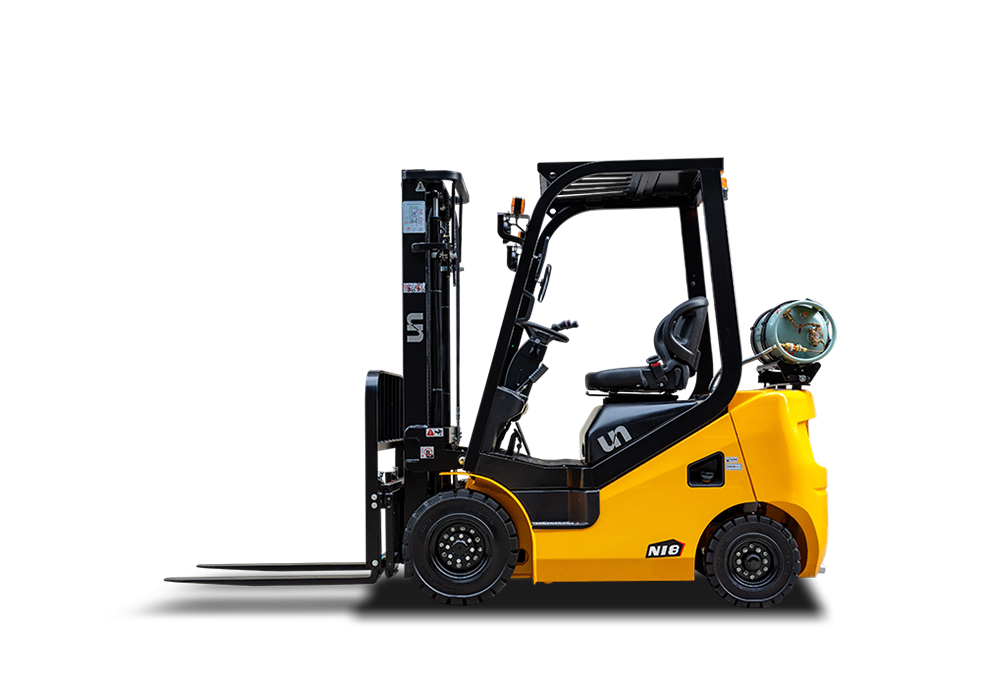
Heavy-duty applications often involve uneven terrain, repetitive lifting, and dynamic load shifts. Diesel forklift trucks generally feature reinforced frames, counterweights designed for high-capacity lifting, and durable mast assemblies. The chassis configuration and axle strength influence stability when operating on rough outdoor surfaces. In weather conditions involving rain or light snow, traction and braking performance become essential. Solid or pneumatic tires selected for outdoor applications provide different levels of shock absorption and ground grip. Structural durability supports long-term operation, yet operators must adjust speed and maneuvering practices according to surface conditions to maintain safety.
Performance in High Temperature Environments
In regions where summer temperatures remain elevated for extended periods, diesel forklifts must manage engine heat dissipation efficiently. Radiator capacity, coolant circulation, and airflow design directly influence temperature control. Continuous heavy-duty operation under high ambient temperatures increases thermal stress on engine components and hydraulic systems. Modern diesel forklifts are typically equipped with cooling systems sized for industrial use, but proper ventilation in storage yards and regular inspection of coolant levels remain necessary. Hydraulic oil viscosity may change in high heat, potentially affecting lifting response time. Selecting appropriate oil grades and maintaining clean filters helps mitigate operational variability.
Cold Weather Starting and Fuel Behavior
Cold climates introduce challenges such as diesel fuel thickening, reduced battery efficiency, and slower engine ignition. In freezing conditions, untreated diesel may form wax crystals that restrict fuel flow. Many operators use winter-grade diesel or fuel additives to prevent gelling. Engine block heaters and battery warmers can support cold starts during early shifts. Continuous heavy-duty operations in cold regions are feasible, but preparation measures are required. Hydraulic systems may respond more slowly at low temperatures until the fluid warms to operating range. Gradual warm-up periods before full-load lifting can reduce stress on mechanical components.
Operation in Rain and Humid Conditions
Diesel forklift trucks are commonly used outdoors, and their electrical systems are generally shielded against moderate moisture exposure. However, persistent rain and high humidity can influence traction, braking distance, and operator visibility. Water accumulation on yard surfaces may create uneven traction zones, especially when combined with oil residues. Regular inspection of brake components and tire tread depth is necessary in such environments. Electrical connectors and lighting systems should be checked for moisture intrusion to avoid intermittent faults. While diesel forklifts are structurally capable of functioning in wet conditions, site drainage quality and surface maintenance play important roles in operational safety.
Dusty and Harsh Industrial Environments
Construction sites, mining areas, and bulk material yards often expose forklifts to dust, sand, and airborne particles. Diesel engines require adequate air filtration to maintain combustion efficiency. In continuous heavy-duty applications, clogged air filters may reduce power output and increase fuel consumption. Regular cleaning or replacement of filtration components helps preserve engine function. Radiators may also accumulate debris, affecting heat exchange. Protective maintenance routines become more frequent in such settings. The mechanical design of diesel forklifts supports rugged environments, yet long-term durability depends on consistent inspection and servicing.
Comparative Overview of Weather-Related Factors
The following table outlines key environmental considerations affecting diesel forklift suitability for continuous heavy-duty use.
| Weather Condition | Primary Challenge | Operational Adjustment |
| High Temperature | Engine and hydraulic heat buildup | Enhanced cooling inspection and fluid monitoring |
| Low Temperature | Fuel thickening and battery efficiency | Winter-grade fuel and preheating systems |
| Rainfall | Reduced traction and visibility | Tire inspection and controlled maneuvering speed |
| Dust and Sand | Air intake contamination | Frequent filter maintenance |
| Snow or Ice | Surface instability | Appropriate tire selection and cautious operation |
Fuel Efficiency and Refueling Logistics
In continuous heavy-duty operations, downtime management is a significant operational factor. Diesel forklifts can typically be refueled within a short time, allowing rapid return to service compared to battery charging cycles. This characteristic makes them suitable for multi-shift industrial environments. However, fuel storage safety, environmental regulations, and emission standards must be considered. Outdoor fueling stations should comply with local safety codes, and spill prevention measures should be implemented. The balance between operational continuity and environmental compliance forms part of the overall suitability assessment.
Emission Regulations and Environmental Compliance
Modern diesel forklift trucks are subject to emission standards that vary by region. In outdoor heavy-duty operations, emissions may disperse more easily compared to indoor facilities. Nevertheless, regulatory requirements may mandate the use of engines with specific emission control technologies. Continuous operation increases cumulative emissions output, which may influence site planning decisions. In certain climates, temperature inversions or limited airflow areas could affect exhaust dispersion. Therefore, compliance planning and engine selection aligned with local standards remain important considerations when evaluating suitability across different weather conditions.
Operator Comfort and Safety in All Weather Conditions
Continuous heavy-duty work places not only mechanical demands on equipment but also physical demands on operators. Weather exposure can affect concentration and reaction time. Forklifts equipped with enclosed cabins, heating systems, or ventilation options can enhance operator comfort in extreme temperatures. Visibility aids such as lighting systems and defogging mechanisms support safe maneuvering in rain or fog. While the mechanical platform of a diesel forklift may function across diverse climates, integrating ergonomic features contributes to sustained productivity during extended operations.
Maintenance Planning for Long-Term Heavy-Duty Use
The suitability of diesel forklift trucks for continuous heavy-duty operations ultimately depends on structured maintenance planning. Engine oil intervals, hydraulic inspections, brake system evaluation, and cooling system servicing must align with usage intensity and environmental exposure. Severe weather conditions increase wear on certain components, requiring proactive replacement schedules. Facilities operating in all-weather environments often establish preventive maintenance programs based on operating hours rather than calendar time. Consistent documentation and technician training ensure that mechanical stress associated with continuous use remains within manageable limits.
Operational Flexibility Across Diverse Industrial Settings
Diesel forklift trucks are commonly deployed in ports, infrastructure projects, timber yards, and agricultural processing sites where weather variability is unavoidable. Their engine-driven powertrain provides sustained lifting force and consistent mobility without dependence on charging infrastructure. While extreme climates may require additional preparation measures, the mechanical architecture of diesel forklifts supports demanding workloads over extended periods. Equipment configuration, site preparation, fuel management, and operator training collectively determine how effectively these machines perform in continuous heavy-duty operations across varying weather conditions.
For exclusive deals and latest offers, sign up by entering your email address below.
Stay In Touch
ADDRESS : NO.1 ROAD ONE, XINDENG NEW DISTRICT, FUYANG, HANGZHOU, ZHEJIANG, CHINA 311404.
PHONE : +86-571-8688 8355 (AMERICA)
PHONE : +86-571-8886 9363 (EUROPE)
PHONE : +86-571-8688 8377 (ASIA, AFRICA, OCEANIA)
EMAIL : [email protected]
EMAIL : [email protected](PARTS INQUIRY)

