


 中文简体
中文简体 Français
 русский
 Español
 عربى
عربى Deutsch



Diesel Forklift Trucks Drive Efficiency and Heavy-Duty Performance Across Industries
Admin 2026-04-30Diesel Forklift Trucks: The Backbone of Heavy-Duty Material Handling
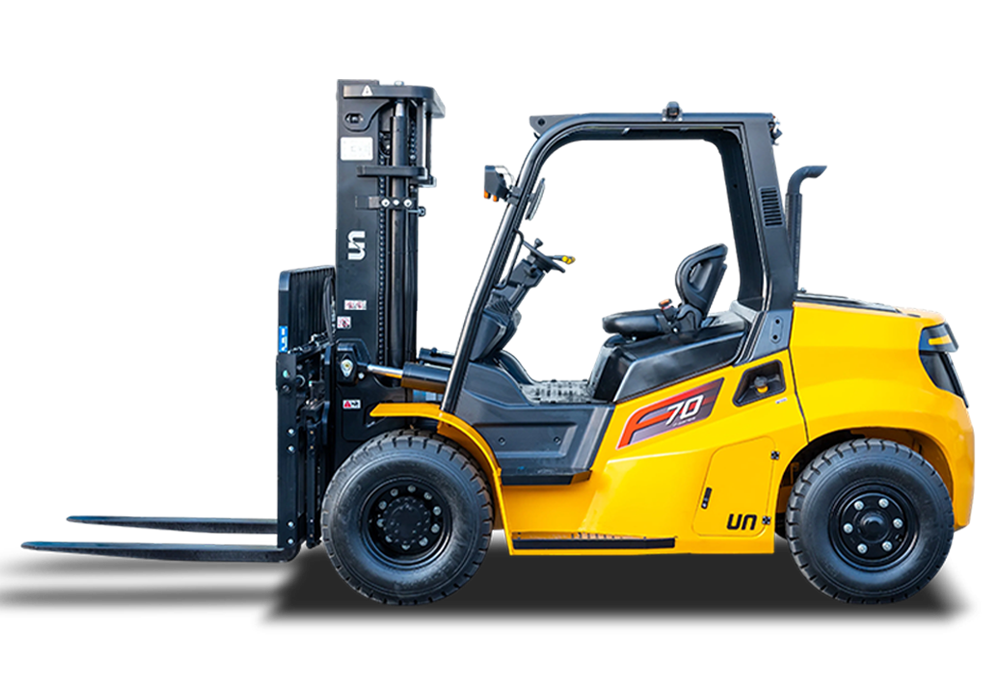
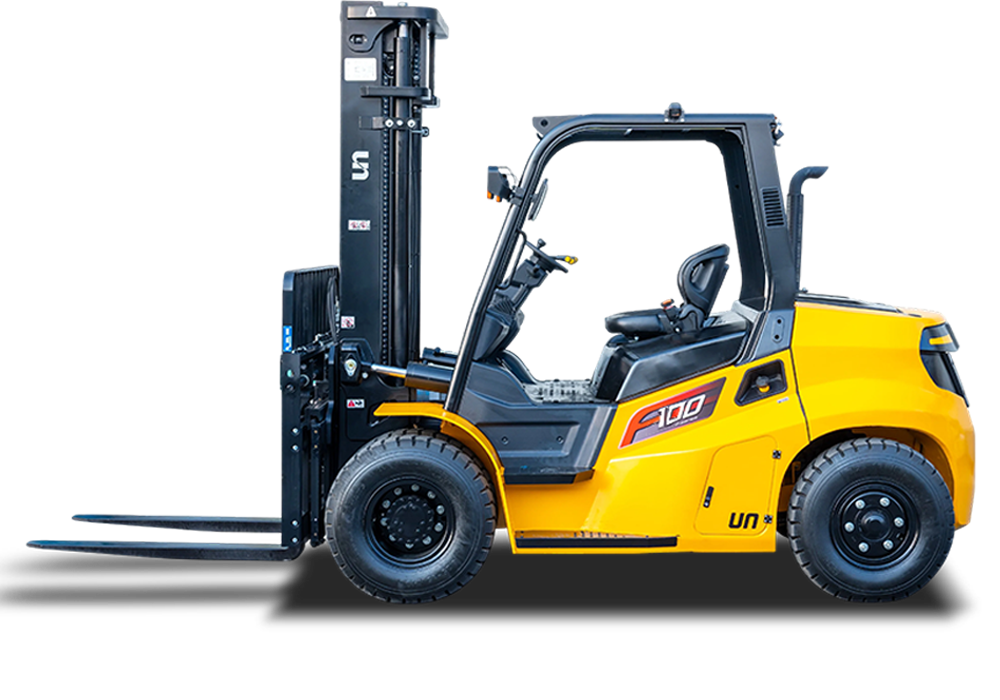
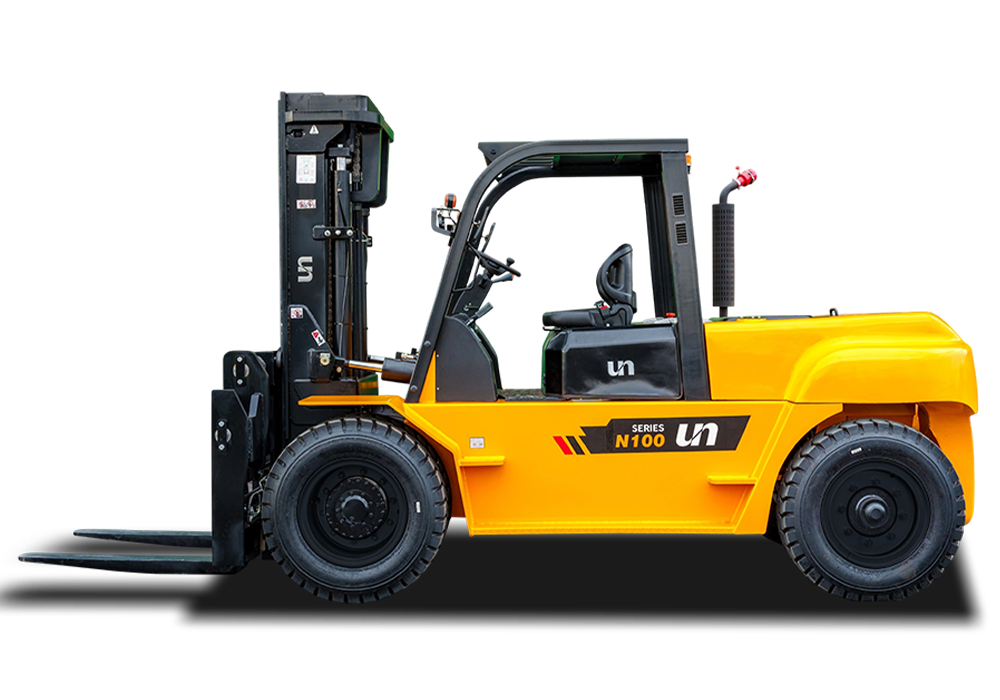
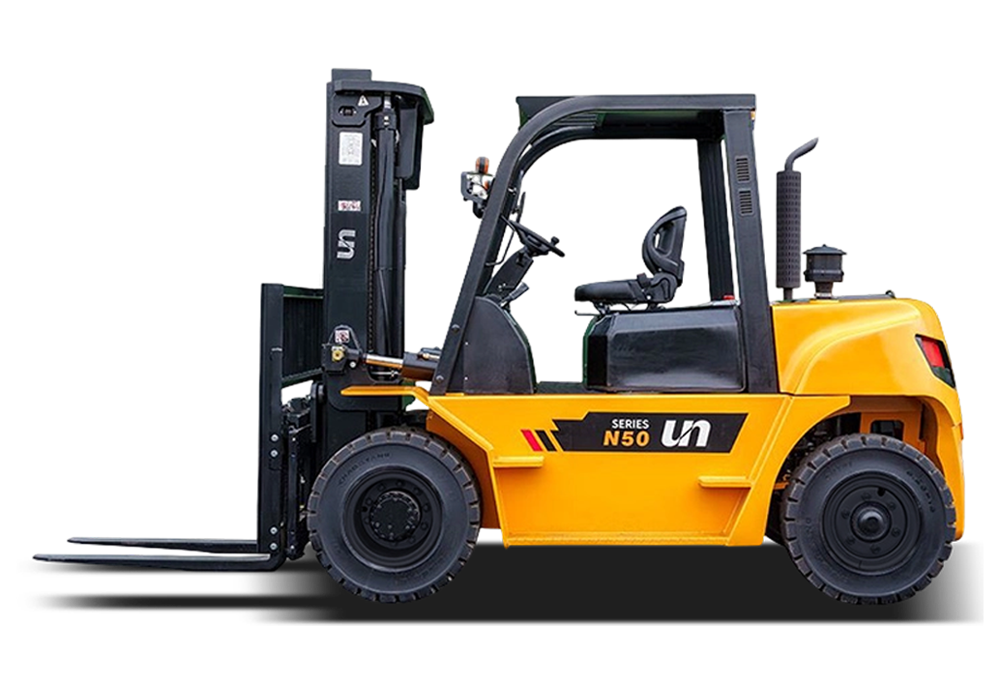
Diesel forklift trucks are ideal for heavy-duty lifting, outdoor operations, and extended work shifts. Their powerful diesel engines provide high torque, making them suitable for lifting large loads, transporting pallets across uneven surfaces, and performing demanding industrial tasks where electric forklifts may fall short.
Equipped with durable transmissions and robust chassis, diesel forklifts are a staple in warehouses, ports, construction sites, and manufacturing facilities worldwide.
Key Advantages of Diesel Forklift Trucks
Diesel forklifts offer several distinct benefits compared to electric or LPG-powered models:
- High Load Capacity: Capable of lifting heavy loads, often exceeding 10,000 kg in industrial applications.
- Outdoor Performance: Suitable for rough terrain, gravel, and uneven surfaces due to powerful engines and pneumatic tires.
- Extended Runtime: Diesel engines allow continuous operation for 8–12 hours on a single tank, ideal for long shifts.
- Durability: Designed to withstand harsh industrial environments with minimal wear and tear.
- Fuel Efficiency: Modern diesel engines with turbocharging or common rail systems reduce fuel consumption while maximizing power output.
Engine Types and Specifications
Diesel forklifts are powered by internal combustion engines optimized for torque and reliability.
Naturally Aspirated Diesel Engines
These engines provide steady power without forced induction, suitable for medium-duty forklifts operating in warehouses and light outdoor environments.
Turbocharged Diesel Engines
Turbocharged engines increase air intake and improve combustion efficiency, offering higher torque and lifting capacity for heavy-duty tasks and rough terrain operations.
Emission Compliance and Fuel Types
Modern diesel forklifts meet stringent emissions standards such as Euro 5, Euro 6, or EPA Tier 4. Some models also use biodiesel blends to reduce environmental impact while maintaining engine performance.
Performance Metrics and Load Capacities
Understanding performance metrics helps select the right diesel forklift for specific industrial needs.
| Specification | Range / Value | Notes |
|---|---|---|
| Load Capacity | 2,000–10,000 kg+ | Varies by model and engine type |
| Engine Power | 35–120 kW | Higher power improves lifting efficiency |
| Maximum Lift Height | 3–6 meters | Dependent on mast type and configuration |
| Fuel Tank Capacity | 60–150 liters | Provides extended operational hours |
Maintenance and Operational Tips
Proper maintenance extends the life of diesel forklifts and ensures safe, efficient operation:
- Regular Engine Checks: Monitor oil levels, fuel filters, and coolant to prevent engine damage.
- Transmission and Brake Maintenance: Inspect regularly to avoid performance issues and safety hazards.
- Tire Care: Pneumatic tires should be checked for wear, especially on rough terrain.
- Emission System Checks: Ensure compliance with local regulations and prevent excessive smoke or pollution.
- Operator Training: Proper handling techniques reduce fuel consumption and prevent mechanical strain.
Applications in Industries
Diesel forklifts are widely used in sectors where durability, power, and extended runtime are essential:
- Construction Sites: For transporting heavy materials such as bricks, steel beams, and cement bags.
- Ports and Shipping Yards: Handling containers and large pallets efficiently outdoors.
- Manufacturing Facilities: Moving heavy equipment and raw materials within industrial plants.
- Warehouses and Distribution Centers: Especially in large outdoor yards where electric forklifts cannot operate efficiently.
For exclusive deals and latest offers, sign up by entering your email address below.
Stay In Touch
ADDRESS : NO.1 ROAD ONE, XINDENG NEW DISTRICT, FUYANG, HANGZHOU, ZHEJIANG, CHINA 311404.
PHONE : +86-571-8688 8355 (AMERICA)
PHONE : +86-571-8886 9363 (EUROPE)
PHONE : +86-571-8688 8377 (ASIA, AFRICA, OCEANIA)
EMAIL : [email protected]
EMAIL : [email protected](PARTS INQUIRY)

