


 中文简体
中文简体 Français
 русский
 Español
 عربى
عربى Deutsch



A Comprehensive Guide to Rough Terrain Forklifts: Features, Benefits, and Applications
Admin 2026-04-02What is a Rough Terrain Forklift?
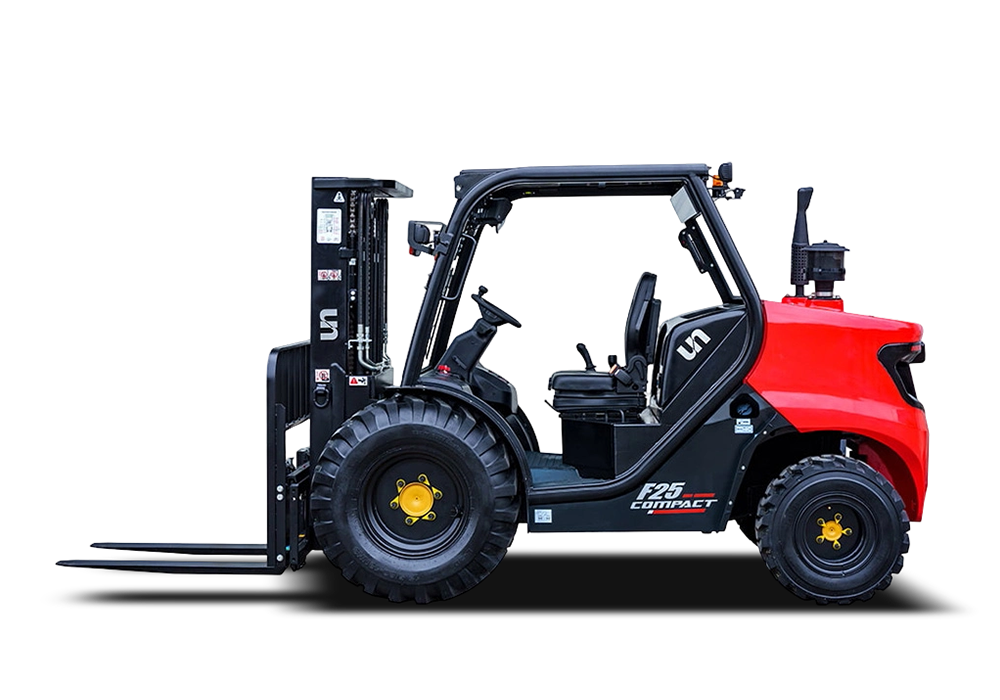
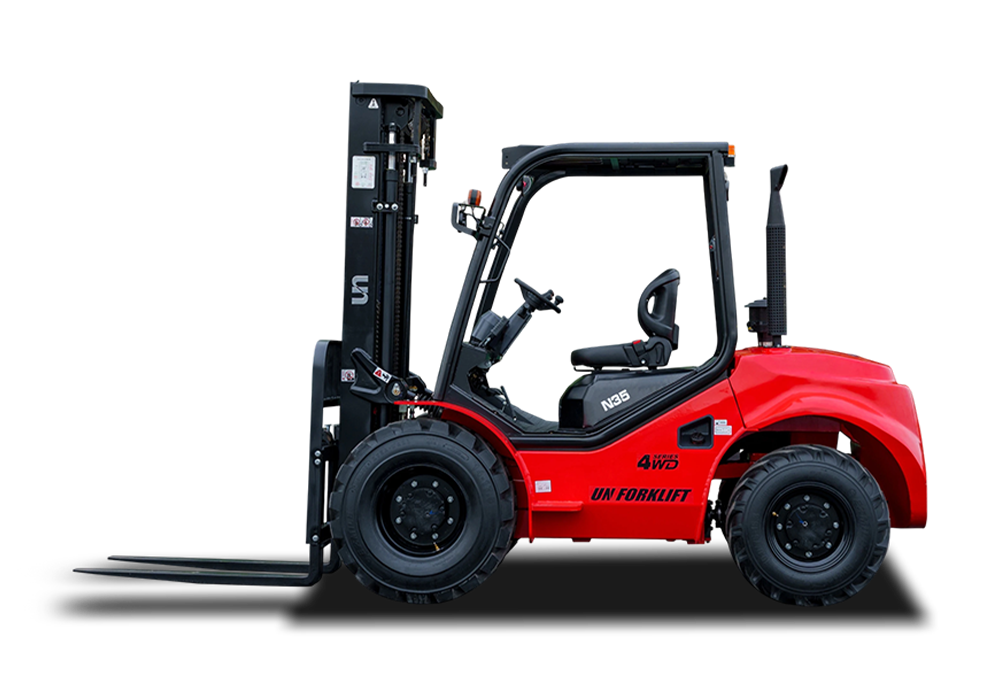
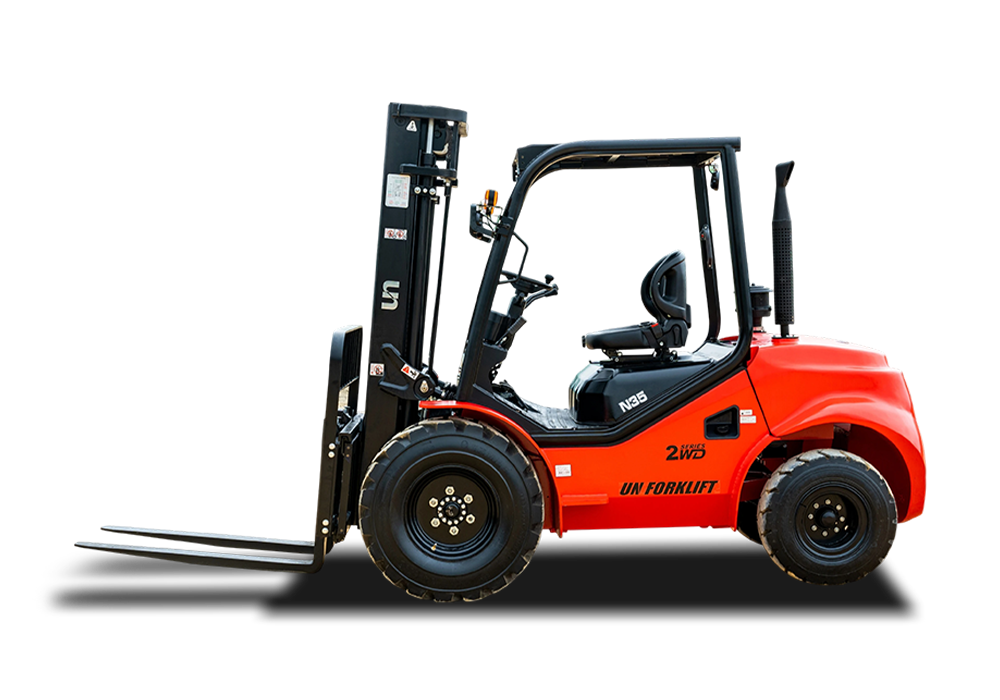
A rough terrain forklift is a specialized type of forklift designed to handle the challenges of off-road environments. Unlike standard forklifts, these machines are equipped with large, rugged tires and enhanced suspension systems to navigate uneven, rocky, or muddy surfaces with ease. They are commonly used in industries like construction, forestry, and agriculture, where heavy lifting is required in environments that lack solid, paved ground.
Key Features of Rough Terrain Forklifts
Rough terrain forklifts come with several key features that differentiate them from their standard counterparts, making them well-suited for outdoor, rugged conditions. These features include:
- Large Tires: The oversized, pneumatic tires provide increased stability and traction, allowing the forklift to move over uneven terrain without getting stuck or losing balance.
- Enhanced Ground Clearance: These forklifts are designed with higher ground clearance to navigate obstacles such as rocks, curbs, or debris without damaging the machine.
- Rough-Terrain Capable Engine: Equipped with a robust engine, these forklifts are designed to perform well under heavy loads in tough environments.
- Full-Function Lifting and Tilting Mast: The mast of a rough terrain forklift is designed to tilt and lift heavy materials at various angles, increasing the flexibility of its operations in outdoor settings.
Applications of Rough Terrain Forklifts
Rough terrain forklifts are primarily used in industries that require heavy lifting in challenging outdoor environments. Some of the most common applications include:
Construction Sites
On construction sites, rough terrain forklifts are used to move building materials, such as concrete blocks, steel beams, and other heavy items, from one place to another. Their ability to navigate rough, uneven ground makes them indispensable for construction projects in remote or undeveloped areas.
Agricultural Operations
In agriculture, these forklifts are used to transport heavy farm equipment, tools, or even harvested crops across fields, especially in muddy or uneven terrain where traditional forklifts cannot operate.
Forestry
Forestry operations often require moving logs and large timber in forested or rugged areas. Rough terrain forklifts allow workers to transport these heavy loads efficiently without damaging the environment or getting stuck in the mud.
Advantages of Using Rough Terrain Forklifts
Rough terrain forklifts provide numerous advantages when it comes to heavy-duty outdoor lifting tasks:
- Increased Mobility: These forklifts are equipped with large tires and robust engines, allowing them to traverse rocky, uneven surfaces with ease, ensuring that operations can continue in areas where traditional forklifts would be ineffective.
- Enhanced Safety: The elevated ground clearance and rugged design help prevent accidents in rough terrains. These forklifts are also equipped with safety features like roll-over protection, helping ensure the operator’s safety during operation.
- Cost Efficiency: The ability to perform in various tough environments without needing additional machinery or equipment translates to cost savings in the long term.
- Versatility: Rough terrain forklifts can handle a wide range of lifting and carrying tasks, from moving construction materials to loading agricultural products. This makes them a versatile tool for a variety of industries.
Considerations Before Renting or Buying a Rough Terrain Forklift
Before purchasing or renting a rough terrain forklift, there are several factors that must be taken into account to ensure the machine meets your needs:
Lifting Capacity
Different models of rough terrain forklifts come with varying lifting capacities. It is important to choose a forklift that can comfortably handle the weight of the materials you intend to lift, whether they are construction materials, logs, or agricultural products.
Terrain Conditions
Consider the type of terrain your forklift will be navigating. While all rough terrain forklifts are designed to handle uneven surfaces, some may be better suited for specific conditions, such as soft ground or steep inclines. Be sure to match the forklift’s specifications to your working environment.
Operator Experience
While rough terrain forklifts are built for rugged environments, they still require skilled operators. Ensure that your operators are trained to use the machinery effectively and safely, especially when navigating difficult terrain.
Rough Terrain Forklift Models and Specifications
Rough terrain forklifts come in various models, each with unique specifications to meet different needs. The following table outlines some popular models and their key specifications:
| Model | Lifting Capacity | Ground Clearance | Engine Power |
|---|---|---|---|
| Caterpillar TH255C | 5,500 lbs | 15 inches | 74 hp |
| JCB 540-170 | 8,000 lbs | 17 inches | 100 hp |
| Manitou MT 1335 | 6,600 lbs | 13 inches | 75 hp |
For exclusive deals and latest offers, sign up by entering your email address below.
Stay In Touch
ADDRESS : NO.1 ROAD ONE, XINDENG NEW DISTRICT, FUYANG, HANGZHOU, ZHEJIANG, CHINA 311404.
PHONE : +86-571-8688 8355 (AMERICA)
PHONE : +86-571-8886 9363 (EUROPE)
PHONE : +86-571-8688 8377 (ASIA, AFRICA, OCEANIA)
EMAIL : [email protected]
EMAIL : [email protected](PARTS INQUIRY)

