


 中文简体
中文简体 Français
 русский
 Español
 عربى
عربى Deutsch



Rough Terrain Forklifts: Features, Types, and Applications for Challenging Surfaces
Admin 2026-03-26Rough Terrain Forklifts: Essential for Challenging Surfaces
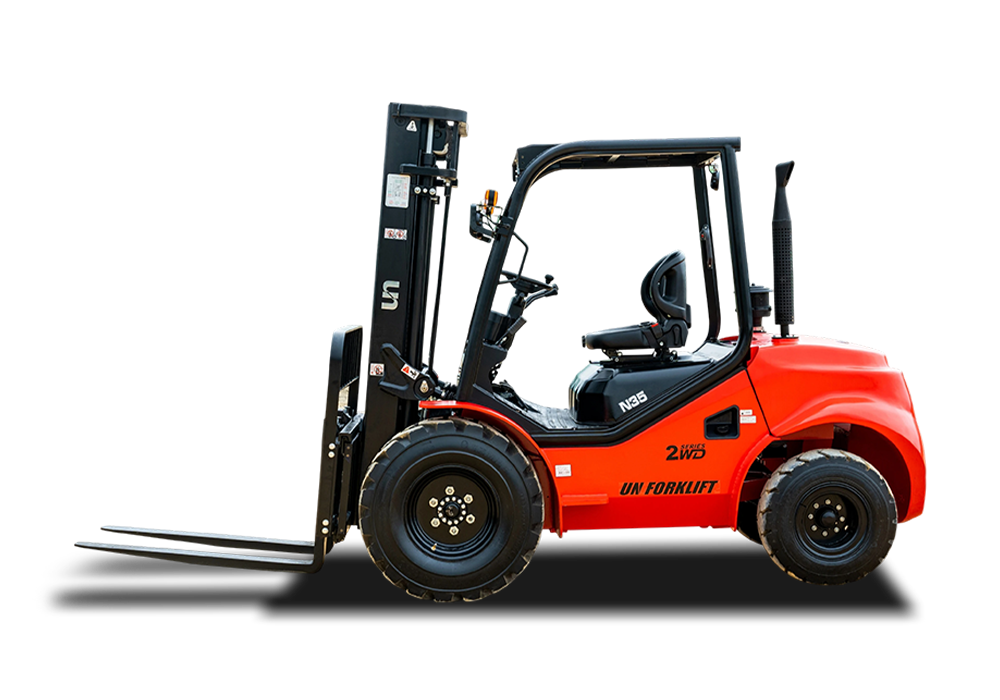
Rough terrain forklifts are designed to operate efficiently on uneven, muddy, or soft surfaces, making them indispensable for construction sites, lumber yards, agricultural fields, and outdoor industrial environments. Their large, durable tires, higher ground clearance, and enhanced suspension systems allow them to maintain stability while transporting heavy loads in challenging conditions. Unlike standard forklifts, rough terrain models prioritize traction and maneuverability over compactness.
Key Features of Rough Terrain Forklifts
Rough terrain forklifts incorporate several specialized features to handle off-road conditions:
- Large Pneumatic Tires: Designed for traction on dirt, gravel, sand, and mud.
- High Ground Clearance: Prevents the undercarriage from getting stuck on uneven surfaces.
- Powerful Engines: Diesel or LPG engines provide sufficient torque for heavy lifting outdoors.
- Reinforced Suspension: Absorbs shocks from rough surfaces, maintaining operator comfort and load stability.
- All-Wheel Drive Options: Enhances traction on soft or slippery terrain.
Types of Rough Terrain Forklifts
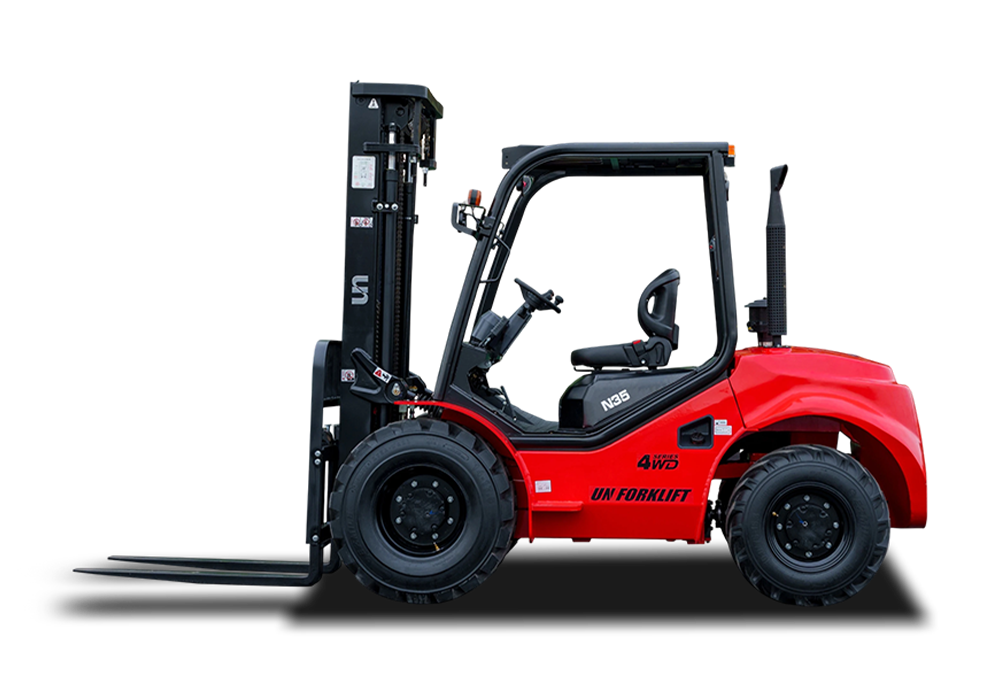
4-Wheel Drive Forklifts
These forklifts are ideal for medium-load applications on uneven terrain. 4WD provides stability and traction for handling pallets or materials in lumber yards or construction sites with moderate slope and mud conditions.
Telehandler Forklifts
Telehandlers feature an extendable boom, enabling lifting loads to higher elevations and over obstacles. They are suitable for agricultural and construction sites requiring versatile material handling.
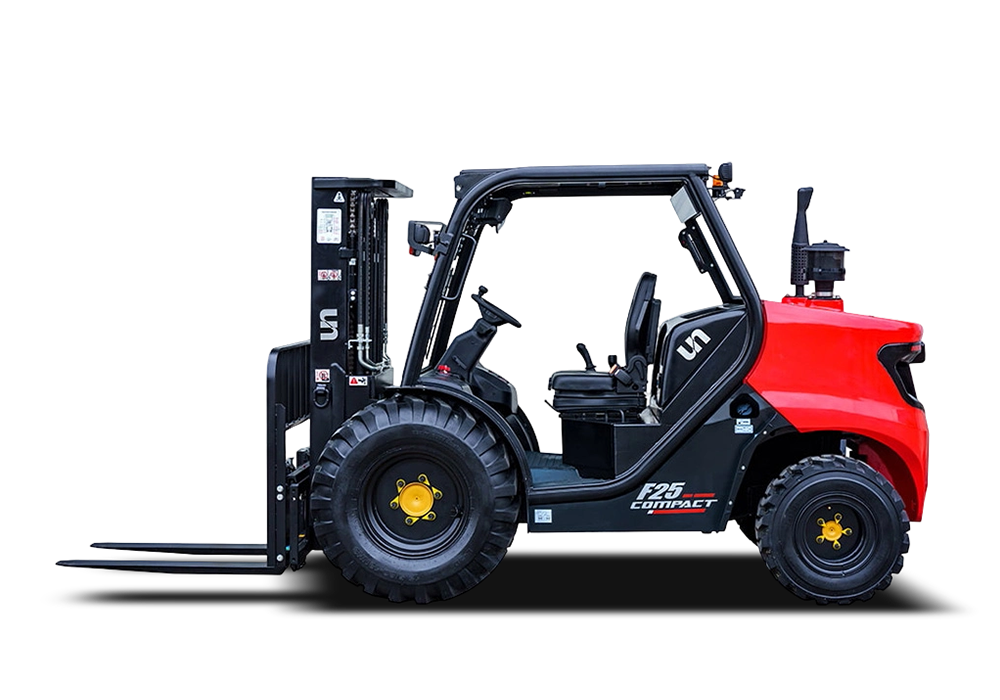
Compact Rough Terrain Forklifts
Designed for tighter spaces and smaller outdoor sites, these forklifts balance maneuverability with off-road capability. They are commonly used for landscaping, nurseries, and smaller construction projects.
Performance Metrics
When evaluating rough terrain forklifts, key performance metrics include load capacity, lifting height, and engine power. The following table compares typical models:
| Model | Engine Type | Load Capacity | Lifting Height | Terrain Capability |
|---|---|---|---|---|
| RTF 25 | Diesel | 2.5 tons | 4 m | Moderate mud, gravel |
| RTF 35 | Diesel | 3.5 tons | 5.5 m | Mud, uneven ground |
| TeleRTF 40 | Diesel | 4 tons | 7 m | Mud, gravel, soft soil |
Applications of Rough Terrain Forklifts
Rough terrain forklifts are widely used across industries where standard forklifts cannot operate safely. Applications include:
- Construction sites for moving heavy building materials over uneven ground.
- Agricultural farms for transporting hay bales, feed, or equipment over soft soil.
- Lumber yards for handling timber on gravel or dirt surfaces.
- Mining operations for carrying equipment or materials across rugged terrain.
Safety Considerations and Best Practices
Operating a rough terrain forklift requires strict adherence to safety protocols due to uneven surfaces and heavy loads. Key best practices include:
- Always check tire pressure and condition before use to ensure maximum traction.
- Do not exceed the rated load capacity for the specific forklift model.
- Use seat belts and maintain proper operator posture to reduce risk of injury on rough terrain.
- Avoid sharp turns at high speeds, which can lead to tipping on uneven surfaces.
- Regular maintenance of engine, hydraulic systems, and suspension improves safety and longevity.
For exclusive deals and latest offers, sign up by entering your email address below.
Stay In Touch
ADDRESS : NO.1 ROAD ONE, XINDENG NEW DISTRICT, FUYANG, HANGZHOU, ZHEJIANG, CHINA 311404.
PHONE : +86-571-8688 8355 (AMERICA)
PHONE : +86-571-8886 9363 (EUROPE)
PHONE : +86-571-8688 8377 (ASIA, AFRICA, OCEANIA)
EMAIL : [email protected]
EMAIL : [email protected](PARTS INQUIRY)

