



Does the Power of a Rough Terrain Forklift Decrease in High Temperature or High Altitude Environments?
Operating Characteristics of a Rough Terrain Forklift
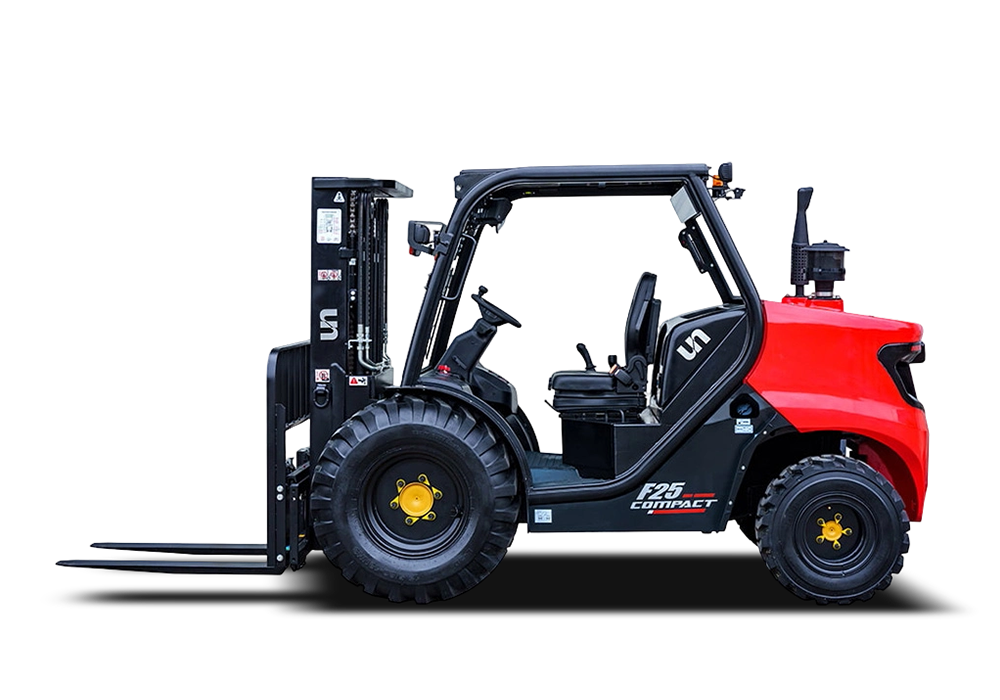
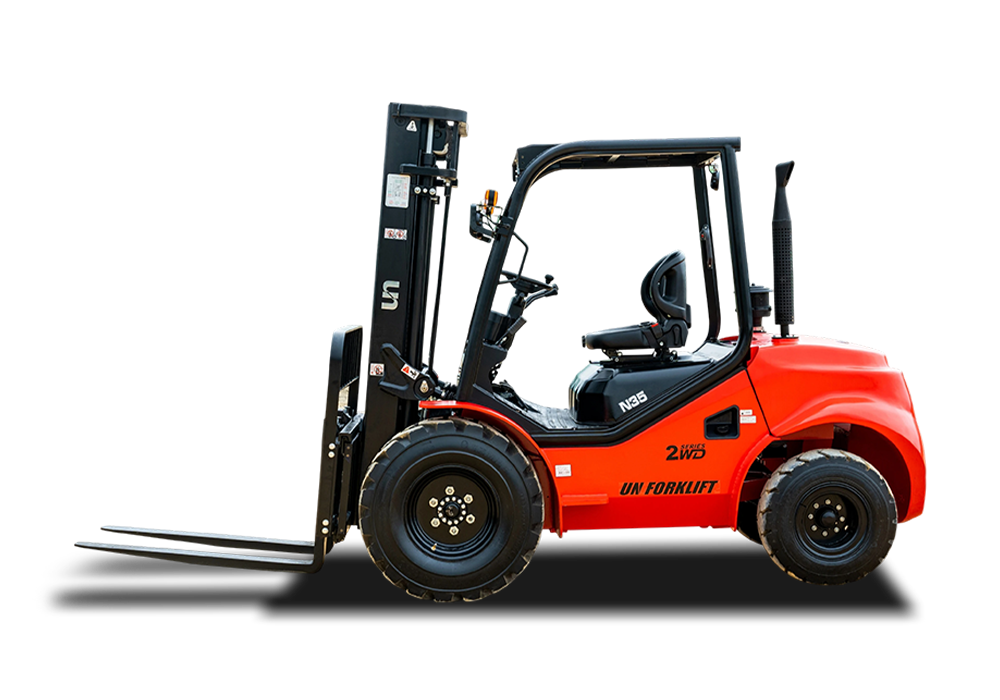
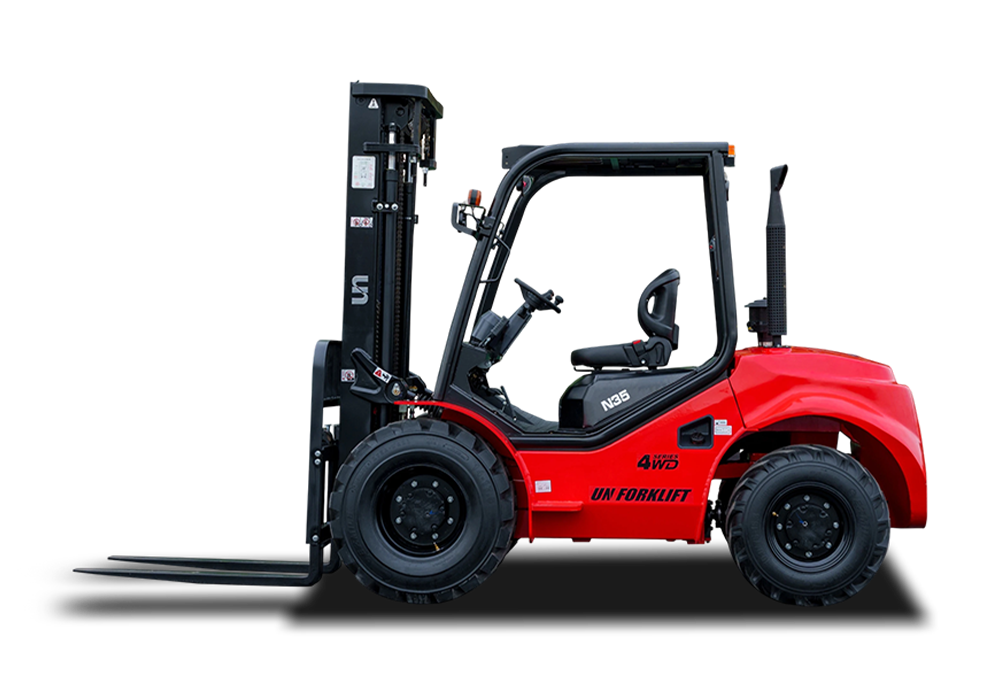
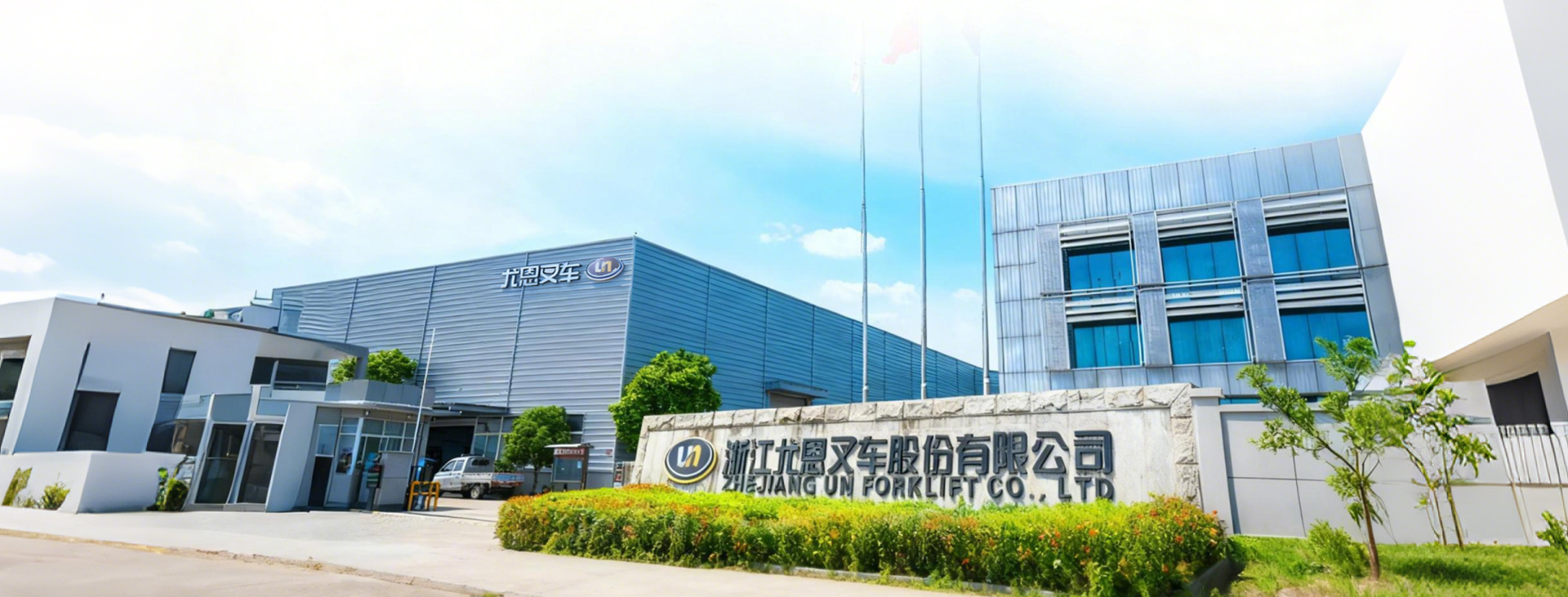
A rough terrain forklift is specifically designed to operate on uneven surfaces such as construction sites, mining areas, agricultural land, and infrastructure projects. Unlike warehouse-oriented forklifts, these machines are equipped with reinforced frames, large treaded tires, and higher ground clearance to handle unstable ground conditions. Zhejiang UN Forklift Co., Ltd., established in 1978, integrates research, development, production, sales, and service to ensure that its equipment adapts to demanding working environments. With a manufacturing facility covering 53,400 square meters and an annual production capacity of 15,000 units, UN applies structured engineering processes to deliver reliable performance across diverse regions.
Because rough terrain forklifts often operate outdoors, they are exposed to extreme environmental conditions, including high temperature and high altitude. These conditions can influence engine output, cooling efficiency, and fuel combustion behavior. Understanding how environmental factors affect power delivery is essential for maintaining operational stability and safety.
Impact of High Temperature on Engine Performance
High ambient temperature directly affects the air density entering the engine intake system. When air becomes warmer, its density decreases, resulting in lower oxygen concentration during combustion. Since internal combustion engines depend on oxygen to generate power, reduced air density can lead to a slight decrease in output. In a rough terrain forklift working under heavy load, this effect may become more noticeable during prolonged operation.
Additionally, elevated temperature places greater demand on the cooling system. Radiators, coolant circulation, and airflow management must function efficiently to prevent overheating. If the cooling system cannot dissipate heat effectively, engine components may operate at higher internal temperatures, which can further influence power consistency. UN Forklift emphasizes energy saving and high efficiency in its design philosophy, integrating optimized cooling channels and engine calibration strategies to maintain stable operation under heat exposure.
Influence of High Altitude on Combustion Efficiency
High altitude environments present a different but related challenge. As elevation increases, atmospheric pressure decreases, which reduces the amount of oxygen available for combustion. For naturally aspirated engines commonly used in heavy equipment, this reduction in oxygen can cause noticeable power decline. A rough terrain forklift operating at significant elevation may therefore experience slower acceleration or reduced lifting responsiveness compared to sea-level performance.
The degree of power reduction depends on engine configuration and load demand. Engines equipped with turbocharging systems can partially compensate for reduced air density by compressing intake air, improving combustion efficiency. UN’s integrated research and development approach allows continuous refinement of engine configurations to adapt to regional operating conditions across Europe, North America, South America, Africa, and Asia.
Combined Effects of Heat and Altitude
In some regions, high altitude and high temperature occur simultaneously. This combination can intensify the challenges faced by internal combustion engines. Lower air density due to altitude, combined with reduced oxygen concentration caused by heat, may amplify combustion limitations. For a rough terrain forklift engaged in heavy lifting on a mountainous construction site, these factors can influence productivity if not properly managed.
The following table outlines the general relationship between environmental conditions and engine performance:
| Environmental Condition | Primary Effect | Potential Impact on Power |
| High Temperature | Reduced air density and increased cooling demand | Moderate decline in combustion efficiency |
| High Altitude | Lower atmospheric pressure and oxygen availability | Noticeable reduction in engine output |
| High Temperature and High Altitude | Combined oxygen reduction and thermal stress | Greater performance fluctuation under load |
Engineering Measures to Mitigate Power Loss
Manufacturers address environmental performance challenges through multiple engineering solutions. Enhanced cooling systems, improved airflow design, optimized fuel injection timing, and calibrated engine control units help maintain balanced combustion. Zhejiang UN Forklift Co., Ltd. integrates these considerations during product development, aligning with its principles of high efficiency and safety. Structural stability and drivetrain balance are also essential, ensuring that available engine power is effectively transmitted to the wheels even when output varies slightly due to environmental conditions.
For operations in mountainous or hot regions, selecting appropriate engine configurations and ensuring adequate maintenance intervals can help sustain performance levels. Regular inspection of air filters, coolant systems, and fuel injectors reduces additional strain on the engine.
Role of Maintenance in Extreme Environments
Maintenance plays a critical role in preserving power stability. In high-temperature regions, dust accumulation can block radiators and air intake systems, reducing cooling efficiency. In high-altitude areas, fuel mixture adjustments may be required to compensate for oxygen reduction. UN’s global sales and service network provides localized technical support, enabling customers to adapt equipment settings based on regional climate and altitude conditions.
Routine maintenance procedures include monitoring coolant levels, inspecting fan belts, cleaning air filters, and verifying fuel system calibration. These practices help ensure that a rough terrain forklift continues to operate within its designed performance range despite environmental challenges.
Operational Considerations for Load Management
Operators can also mitigate environmental effects through practical load management strategies. Avoiding maximum continuous loading during peak heat periods, allowing sufficient engine warm-up and cool-down time, and planning work cycles to reduce thermal stress can help maintain consistent output. Smooth acceleration and controlled hydraulic operation reduce additional mechanical strain, which supports long-term durability.
The table below summarizes operational recommendations in challenging environments:
| Operational Practice | Purpose | Benefit |
| Scheduled Cooling Breaks | Reduce engine thermal stress | Stabilizes operating temperature |
| Air Filter Inspection | Maintain airflow quality | Supports combustion efficiency |
| Load Planning | Prevent sustained overload | Maintains balanced power output |
Global Adaptability Through Integrated Development
Zhejiang UN Forklift Co., Ltd. has established sales and service partnerships across multiple continents, enabling its products to operate in varied climates ranging from tropical regions to high-altitude plateaus. The company’s integrated approach to research, development, production, and service ensures that feedback from different markets contributes to continuous refinement of engine and cooling systems. With an annual production capacity of 15,000 units, UN maintains standardized quality control processes while accommodating regional technical adjustments.
Through engineering design aligned with energy saving, environmental protection, high efficiency, and safety, UN aims to balance power delivery with long-term durability. While environmental conditions such as high temperature and high altitude can influence engine output to a certain degree, proper equipment configuration, preventive maintenance, and responsible operation enable a rough terrain forklift to maintain reliable functionality across demanding environments.
FAQ
Q: How does UN ensure structural durability in rough terrain forklift applications?
A: With decades of experience in material handling equipment manufacturing since 1978, UN integrates reinforced chassis design, heavy-duty axles, and stable mast structures into its rough terrain forklift models. Supported by a production facility covering 53,400 square meters, the company maintains standardized manufacturing processes to ensure consistent structural strength for demanding outdoor environments.
Q: How do UN’s design principles influence the performance of a rough terrain forklift?
A: Guided by the concepts of energy saving, environmental protection, high efficiency, and safety, UN optimizes engine systems, hydraulic responsiveness, and drivetrain configuration. This balanced approach allows rough terrain forklifts to maintain stable lifting performance while managing fuel consumption in challenging job sites.
Q: What type of after-sales support is available for rough terrain forklift users worldwide?
A: UN has established sales and service partners across Europe, North America, South America, Africa, and Asia. This global network provides technical consultation, spare parts availability, and maintenance assistance, helping customers maintain continuous operation regardless of location.
Q: How does UN address safety when operating on uneven or unstable ground?
A: Safety considerations include wide wheelbases, enhanced ground clearance, reliable braking systems, and ergonomic operator cabins. These features support stable maneuvering on loose soil, gravel, or construction surfaces, reducing operational risk during heavy lifting tasks.
Q: How does UN’s integrated R&D and production system benefit rough terrain forklift performance?
A: By combining research, development, and manufacturing within one organization, UN can refine mechanical components, engine calibration, and hydraulic systems based on real-world feedback. This integrated structure allows continuous improvement aligned with diverse market requirements.
Q: What operational factors should customers consider when selecting a rough terrain forklift?
A: Customers should evaluate working surface conditions, load weight, lifting height requirements, and environmental factors such as temperature and altitude. UN’s structured production capacity of 15,000 units annually ensures model availability that aligns with various industrial applications.
Q: How does maintenance influence long-term reliability of a rough terrain forklift?
A: Regular inspection of tires, suspension components, cooling systems, and hydraulic circuits is essential for sustained performance. With UN’s global service infrastructure, customers can access professional guidance and replacement parts to support long-term operational stability.
Q: How does UN balance power and environmental considerations in rough terrain forklift models?
A: UN engineers engine systems to deliver sufficient torque for outdoor lifting tasks while maintaining responsible fuel efficiency and emission control. This approach reflects the company’s commitment to environmental protection and operational efficiency in demanding environments.

