


 中文简体
中文简体 Français
 русский
 Español
 عربى
عربى Deutsch



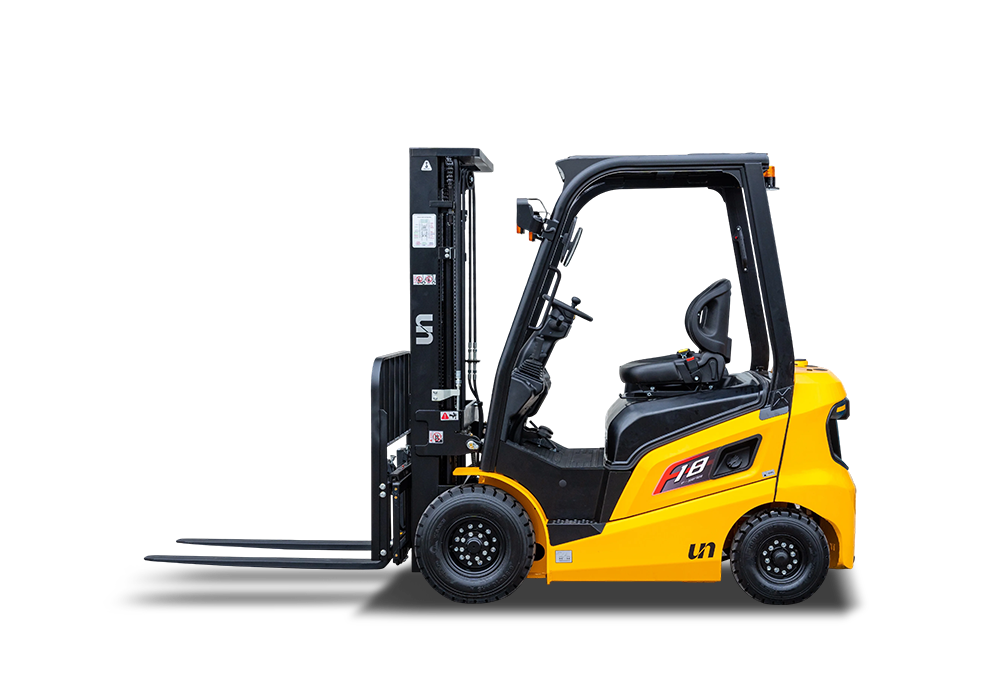
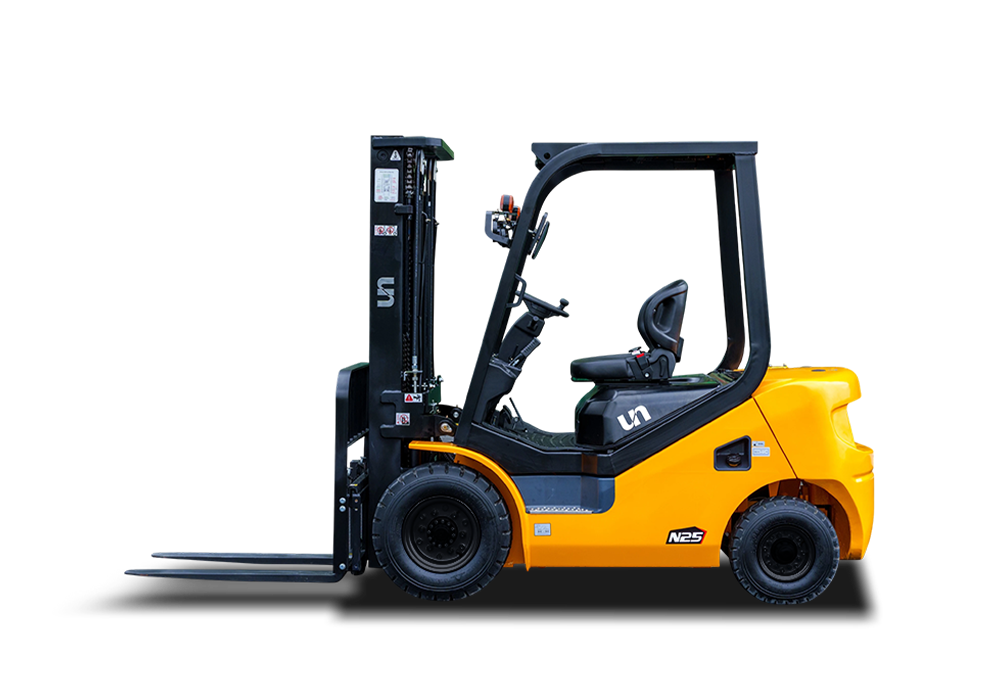
Diesel Forklift Trucks Remain the Backbone of Heavy-Duty Material Handling Operations
Admin 2026-04-16Diesel Forklift Trucks Deliver Maximum Power for Heavy-Duty Operations
Diesel forklift trucks are the preferred choice for heavy-duty material handling due to their high torque, durability, and ability to operate continuously in demanding outdoor environments. Compared to electric or gas-powered alternatives, diesel models excel in lifting heavier loads, handling rough terrain, and sustaining long working hours without frequent refueling interruptions.
In industries such as construction, logistics, and manufacturing, diesel forklift trucks provide the reliability and strength required to move large volumes of goods efficiently. Their robust design and powerful engines make them indispensable for operations where performance cannot be compromised.
Key Features of Diesel Forklift Trucks
Diesel forklift trucks are engineered with features that support heavy-duty applications and long-term use:
- High-torque diesel engines capable of lifting loads from 2 to over 25 tons.
- Durable steel frames designed to withstand harsh industrial environments.
- Advanced hydraulic systems for smooth lifting and precise control.
- Large fuel tanks enabling extended operating hours.
- Enhanced cooling systems to maintain performance under continuous use.
These features allow diesel forklifts to operate efficiently in outdoor yards, ports, and construction sites where electric forklifts may not be practical.
Performance Advantages Over Other Forklift Types
Diesel forklift trucks stand out in several key performance areas:
| Feature | Diesel Forklift Truck | Electric Forklift |
|---|---|---|
| Power Output | High torque and lifting capacity | Moderate |
| Operating Time | Long, quick refueling | Limited by battery life |
| Terrain Adaptability | Excellent for rough surfaces | Best on smooth indoor floors |
| Maintenance | Engine maintenance required | Lower mechanical maintenance |
For operations requiring continuous lifting of heavy loads, diesel forklifts remain the most efficient and cost-effective solution.
Common Applications of Diesel Forklift Trucks
Diesel forklift trucks are widely used across industries where power and endurance are essential:
- Construction sites for transporting heavy materials such as steel and concrete.
- Ports and shipping yards handling containers and bulk cargo.
- Warehousing operations with outdoor storage areas.
- Manufacturing plants requiring high-load material movement.
- Agricultural operations handling large equipment or supplies.
In these environments, diesel forklifts can operate for 8–12 hours continuously with minimal downtime, making them ideal for high-demand workflows.
Fuel Efficiency and Operating Costs
While diesel fuel costs can fluctuate, modern diesel forklift trucks are designed for improved efficiency. On average, a mid-sized diesel forklift consumes approximately 2 to 4 liters of fuel per hour, depending on load and usage conditions.
Compared to electric forklifts, diesel models avoid battery replacement costs, which can account for a significant portion of long-term expenses. However, regular engine maintenance must be factored into total cost of ownership.
Maintenance and Service Requirements
Proper maintenance ensures the longevity and performance of diesel forklift trucks. Key maintenance tasks include:
- Regular engine oil and filter changes.
- Inspection of fuel injection systems.
- Cooling system checks to prevent overheating.
- Hydraulic fluid maintenance for lifting efficiency.
- Routine inspection of tires and braking systems.
Maintenance Frequency
For optimal performance, servicing is recommended every 250–500 operating hours, depending on manufacturer guidelines and usage intensity.
Choosing the Right Diesel Forklift Truck
Selecting the appropriate diesel forklift requires careful consideration of operational needs:
- Load capacity: Match the forklift’s rating to your heaviest loads.
- Lift height: Ensure compatibility with warehouse or site requirements.
- Operating environment: Outdoor vs mixed-use applications.
- Fuel efficiency and emissions compliance.
- Operator comfort and safety features.
For example, a logistics company handling palletized goods may require a 3–5 ton diesel forklift, while a port operation may need models exceeding 10 tons capacity.
Safety Considerations in Diesel Forklift Operation
Operating diesel forklifts safely is critical in preventing workplace accidents:
- Ensure operators are properly trained and certified.
- Conduct daily pre-operation inspections.
- Avoid overloading beyond rated capacity.
- Maintain clear visibility and proper lighting.
- Use seat belts and follow safety protocols.
Implementing these measures can reduce accident risks by up to 30–40% in industrial environments.
For exclusive deals and latest offers, sign up by entering your email address below.
Stay In Touch
ADDRESS : NO.1 ROAD ONE, XINDENG NEW DISTRICT, FUYANG, HANGZHOU, ZHEJIANG, CHINA 311404.
PHONE : +86-571-8688 8355 (AMERICA)
PHONE : +86-571-8886 9363 (EUROPE)
PHONE : +86-571-8688 8377 (ASIA, AFRICA, OCEANIA)
EMAIL : [email protected]
EMAIL : [email protected](PARTS INQUIRY)

