


 中文简体
中文简体 Français
 русский
 Español
 عربى
عربى Deutsch



Electric Forklift vs. Gas & Propane: The Real-World Performance and Cost Comparison Operators Need
Admin 2026-05-21Electric forklifts are the better long-term investment for most indoor warehouse and distribution operations — lower fuel costs, minimal maintenance, zero emissions, and quieter operation make a compelling case. But propane and gas-powered forklifts still hold real advantages in outdoor environments, high-intensity continuous-use applications, and operations where rapid refueling is non-negotiable. The right choice depends on your specific operational profile, not just the sticker price.
This comparison breaks down how electric forklifts stack up against internal combustion (IC) alternatives across the factors that actually drive purchasing decisions: total cost of ownership, performance, safety, environmental compliance, and operational fit.
Electric Forklift vs. Propane Forklift: The Core Trade-Off
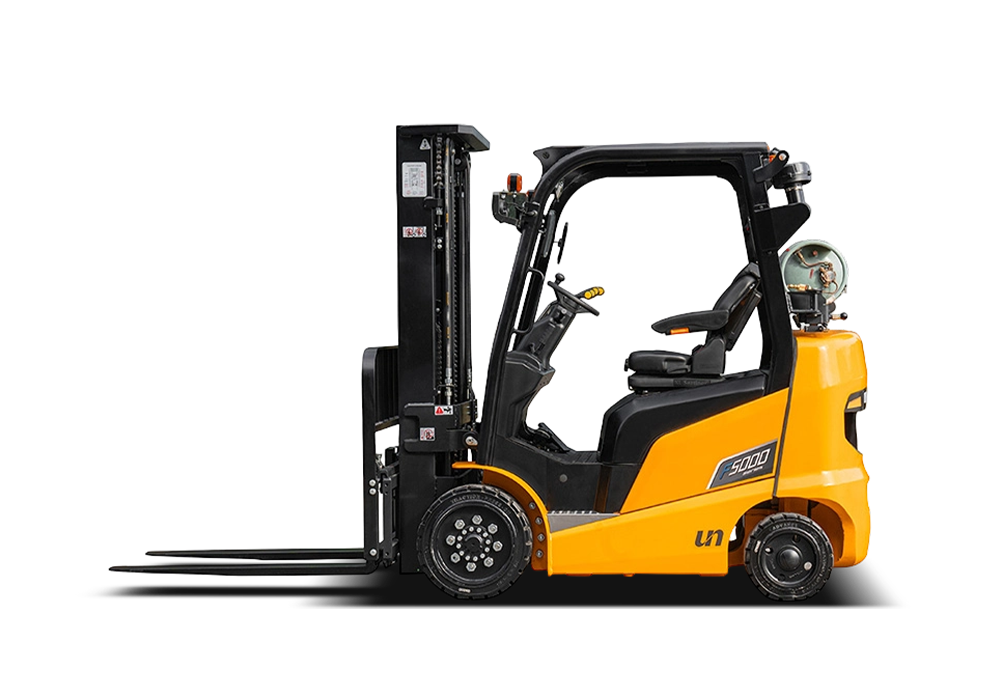
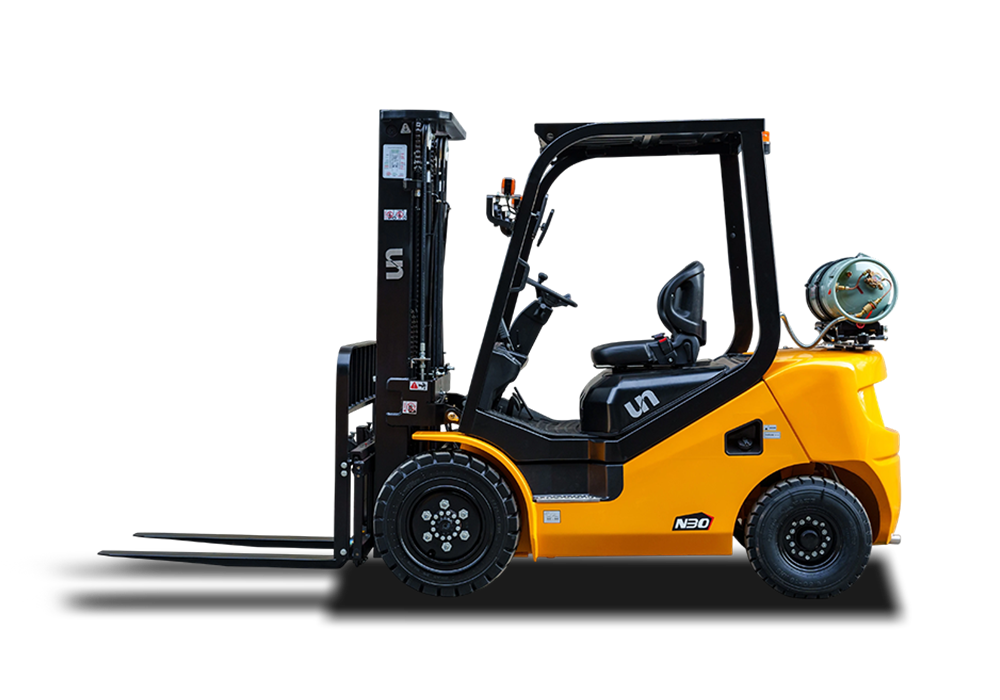
Propane forklifts have dominated outdoor and mixed-use warehouse environments for decades. They refuel in under two minutes, run at consistent power throughout the tank, and handle rough terrain without the weight limitations that battery packs can impose. For operations running multiple long shifts with brief turnaround windows, propane's refueling speed has historically been its defining advantage.
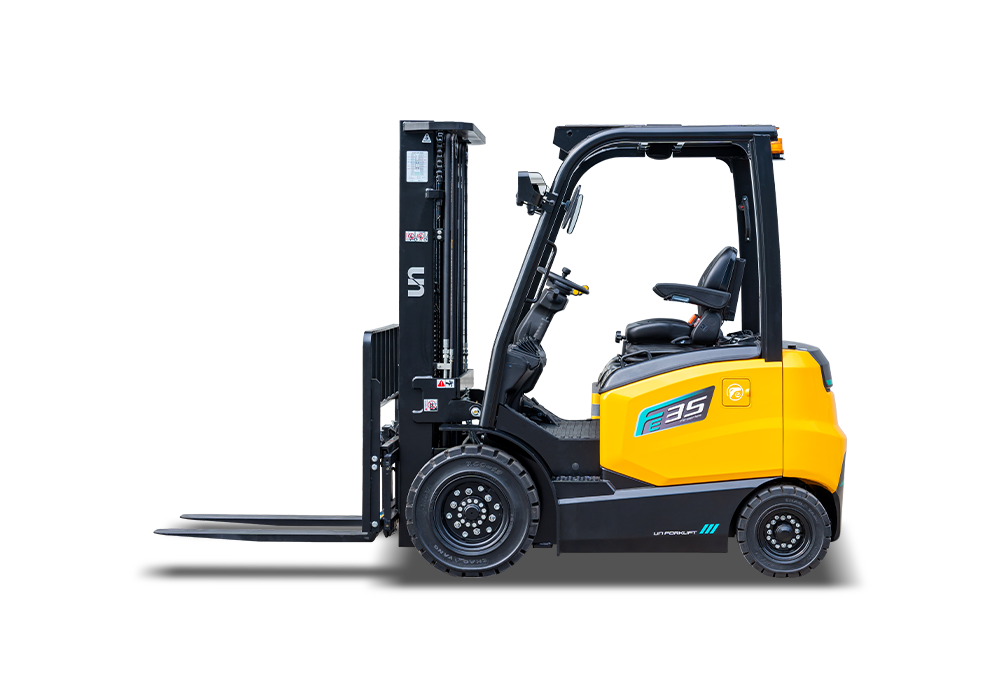
Electric forklifts close this gap significantly with modern lithium-ion battery technology. Opportunity charging — plugging in during operator breaks and shift changes — allows many operations to run electric forklifts continuously without a dedicated battery swap. Lithium-ion batteries can recover 30–50% charge in under an hour, compared to lead-acid batteries, which require 8 hours of charging and an additional cooling period.
The fuel cost comparison is stark. Propane costs vary by region, but operating a propane forklift for a single 8-hour shift typically consumes one to two cylinders, costing approximately $20–$40 per shift. An equivalent electric forklift running on grid power costs roughly $2–$5 per shift in electricity — a savings of up to 90% per operating cycle.
| Factor | Electric Forklift | Propane Forklift |
|---|---|---|
| Fuel Cost per Shift | $2–$5 | $20–$40 |
| Refuel / Recharge Time | 1–8 hrs (battery type dependent) | <2 minutes |
| Emissions | Zero at point of use | CO, NOx, particulates |
| Indoor Suitability | Excellent | Requires ventilation |
| Outdoor Rough Terrain | Limited (standard models) | Strong |
| Annual Maintenance Cost | $1,000–$2,500 | $3,000–$6,000 |
| Noise Level | Low (60–70 dB) | High (80–95 dB) |
Electric Forklift vs. Diesel Forklift: Heavy-Duty Performance Face-Off
Diesel forklifts are the workhorses of heavy outdoor applications — lumber yards, construction sites, ports, and large manufacturing facilities where lifting capacity above 10,000 lbs and extended continuous operation are required. Their high torque output and robust build make them difficult to displace in truly demanding environments.
That said, the electric forklift market has moved aggressively upmarket in terms of capacity. Heavy-duty electric forklifts with lift capacities of 15,000–36,000 lbs are now commercially available, powered by high-voltage battery systems designed for sustained heavy use. For operations that previously defaulted to diesel on capacity grounds alone, the calculation has shifted.
Emissions Regulations Are Accelerating the Shift
Diesel forklifts face increasing regulatory pressure. California's Air Resources Board has mandated a phased transition away from IC forklifts in warehouse operations, with requirements already in effect for larger fleets. Similar regulations are being adopted or considered across the European Union and in multiple U.S. states. Fleets that delay electrification risk non-compliance costs that dwarf the upfront price difference between electric and diesel units.
Diesel fuel costs have also become volatile. In 2022, diesel prices in the U.S. peaked above $5.80 per gallon nationally, dramatically affecting operating costs for IC-dependent fleets. Electric forklifts, fueled by grid electricity, are largely insulated from these commodity price swings.
Maintenance: Electric Forklifts Have a Structural Advantage
Diesel forklifts have complex powertrains: engines, transmissions, exhaust systems, fuel injectors, and cooling systems — all of which require scheduled service. Electric forklifts eliminate most of these components. With fewer moving parts, electric forklifts typically require 30–50% less maintenance time and cost per year compared to diesel equivalents. Over a 10-year fleet lifecycle, this adds up to tens of thousands of dollars per unit.
Total Cost of Ownership: The 5-Year Calculation
Purchase price comparisons consistently show electric forklifts at a premium — typically 20–40% more expensive upfront than equivalent propane or diesel models. A mid-range sit-down electric counterbalance forklift may cost $25,000–$45,000, while a comparable propane unit runs $18,000–$30,000. This gap is real and can be a barrier for operations with tight capital budgets.
But the 5-year total cost of ownership (TCO) tells a different story. Fuel and maintenance savings accumulate rapidly, especially in multi-shift operations. A warehouse running two shifts per day, five days per week will see approximately 500 operating shifts per year. At $25 in propane savings per shift, that's $12,500 saved annually on fuel alone — enough to recover the purchase price premium within two to three years in most cases.
| Cost Category | Electric Forklift (5 yrs) | Propane Forklift (5 yrs) | Diesel Forklift (5 yrs) |
|---|---|---|---|
| Purchase Price | $30,000–$45,000 | $18,000–$28,000 | $22,000–$35,000 |
| Fuel Cost (5 yrs) | $5,000–$12,500 | $50,000–$100,000 | $45,000–$90,000 |
| Maintenance (5 yrs) | $5,000–$12,500 | $15,000–$30,000 | $18,000–$36,000 |
| Estimated 5-yr TCO | $40,000–$70,000 | $83,000–$158,000 | $85,000–$161,000 |
These figures are estimates based on typical two-shift warehouse operations and average regional energy costs. Actual results vary based on usage intensity, local fuel prices, and fleet management practices. Even at the conservative end, electric forklifts deliver a lower 5-year TCO in the majority of real-world scenarios.
Battery Technology: Lead-Acid vs. Lithium-Ion Electric Forklifts
Not all electric forklifts are equal. The battery technology inside the unit dramatically affects performance, operating flexibility, and long-term economics. Most operations choosing electric forklifts today face a secondary decision: lead-acid or lithium-ion?
- Lead-acid batteries are the traditional choice. They're less expensive upfront — typically $2,000–$6,000 per battery — but require an 8-hour full charge cycle, a mandatory cooling period, and regular watering every 5–10 operating days. Multi-shift operations often need spare battery banks and dedicated battery rooms with ventilation for off-gassing hydrogen gas.
- Lithium-ion batteries cost significantly more upfront — typically $8,000–$20,000 — but deliver opportunity charging capability, no watering, no cooling period, no off-gassing, and a lifespan of 2,000–3,000 charge cycles versus 1,000–1,500 for lead-acid. Over a 7–10 year ownership period, lithium-ion's lower total cost often justifies the initial investment.
- Lithium-ion also maintains consistent power output across the full discharge cycle, whereas lead-acid batteries lose lifting performance as charge depletes — a practical issue in demanding multi-pallet operations during the final hour of a shift.
For operations converting from IC forklifts, lithium-ion electric forklifts are almost always the recommended path — they most closely replicate the continuous-use behavior that propane operations are accustomed to, without sacrificing performance at the end of a shift.
Indoor Air Quality and Operator Safety: Where Electric Forklifts Win Decisively
Propane and diesel forklifts produce carbon monoxide (CO), nitrogen oxides (NOx), and particulate matter. In enclosed or semi-enclosed warehouse environments, these emissions accumulate to dangerous levels without adequate ventilation. OSHA sets the permissible exposure limit for CO at 50 parts per million (ppm) over an 8-hour shift — a threshold that IC forklifts operating in poorly ventilated spaces can breach within hours.
Electric forklifts produce zero emissions at the point of operation. This eliminates ventilation requirements, reduces operator health risks, and removes a meaningful source of workplace liability. Facilities that have switched from IC to electric forklifts frequently report improved operator comfort — lower noise levels (electric forklifts run at 60–70 dB versus 80–95 dB for IC models) contribute meaningfully to reduced operator fatigue across long shifts.
Cold storage and refrigerated warehouse applications represent a specific safety and performance consideration. Propane combustion in airtight cold storage is a serious safety risk. Electric forklifts with cold-storage-rated batteries are specifically engineered for these environments — though lithium-ion performance does decline somewhat below 32°F, and battery specifications should be matched carefully to operating temperature.
When IC Forklifts Still Make More Sense
A balanced comparison requires acknowledging the scenarios where propane and diesel forklifts remain the more practical choice:
- Remote outdoor sites without reliable electrical infrastructure — construction sites, agricultural operations, and remote logistics hubs where grid power is unavailable or unreliable make electric charging impractical.
- Extremely high-cycle, round-the-clock operations where even opportunity charging windows don't exist — certain port operations and 24/7 manufacturing environments may still require propane's near-instant refueling for uninterrupted throughput.
- Heavy rough-terrain applications exceeding 15,000 lbs — while heavy electric forklifts exist, diesel still dominates at the extreme end of load capacity in outdoor conditions.
- Short-term or rental fleet use — operations that rent forklifts seasonally or for short projects may not benefit from the long-term TCO advantages that justify the electric premium.
Infrastructure and Transition Costs: What Operations Often Underestimate
Switching a fleet to electric forklifts involves more than buying new equipment. Charging infrastructure adds meaningful upfront cost that must be factored into transition planning.
- Level 2 charging stations for lead-acid or lithium-ion forklifts typically cost $1,500–$5,000 per unit installed, plus electrical panel upgrades if the facility's power supply is insufficient.
- Electrical panel capacity — a facility converting 10 forklifts to electric may need a 200–400 amp service upgrade, which can run $10,000–$40,000 depending on local utility requirements and facility age.
- Lead-acid battery rooms, if chosen over lithium-ion, require ventilation, eyewash stations, acid neutralization materials, and dedicated space — costs that lithium-ion batteries eliminate entirely.
- Operator training for battery management and opportunity charging protocols, while less intensive than engine maintenance training, is still a real transition cost that should be budgeted.
Utility incentives can offset a meaningful portion of these infrastructure costs. Many U.S. utilities offer rebates of $500–$2,500 per charging station for commercial customers electrifying vehicle fleets. Federal tax incentives through the Inflation Reduction Act's commercial clean vehicle provisions may also apply, depending on fleet size and operational classification. Operations should consult with their utility provider and a tax advisor before finalizing transition budgets.
Key Decision Factors at a Glance
Choosing between an electric forklift and an IC alternative comes down to matching equipment capability to your actual operating conditions. Use this framework to guide the decision:
| Operational Profile | Recommended Choice | Primary Reason |
|---|---|---|
| Indoor warehouse, 1–3 shifts | Electric (Lithium-ion) | Emissions, cost, low maintenance |
| Cold storage facility | Electric (cold-rated battery) | Safety, no combustion in airtight spaces |
| Outdoor mixed terrain | Propane or Diesel | Terrain capability, fast refuel |
| 24/7 continuous operation, no charge windows | Propane (short-term) / Electric with battery swap (long-term) | Uptime requirements |
| Food processing / pharma | Electric | Air quality, hygiene, noise |
| Heavy lifting (>15,000 lbs) outdoor | Diesel | Capacity, torque, terrain |
| Remote site, no grid access | Propane or Diesel | No charging infrastructure available |
The Electrification Trend Is Not Slowing Down
The global forklift market crossed $50 billion in value in 2023, with electric forklifts accounting for a growing share — electric models now represent over 65% of new forklift sales in Europe and are rapidly gaining ground in North America and Asia-Pacific markets. The combination of tightening emissions regulations, improving battery technology, and falling lithium-ion prices is accelerating the shift in a way that was not predictable even five years ago.
Lithium-ion battery costs have dropped approximately 90% over the past decade and continue to decline. As the price gap between electric and IC forklifts narrows at the purchase level, the TCO case for electric becomes overwhelming in an even broader set of applications. Operations that plan to operate their next forklift fleet for 7–10 years should factor in where the market is heading, not just where it stands today.
For exclusive deals and latest offers, sign up by entering your email address below.
Stay In Touch
ADDRESS : NO.1 ROAD ONE, XINDENG NEW DISTRICT, FUYANG, HANGZHOU, ZHEJIANG, CHINA 311404.
PHONE : +86-571-8688 8355 (AMERICA)
PHONE : +86-571-8886 9363 (EUROPE)
PHONE : +86-571-8688 8377 (ASIA, AFRICA, OCEANIA)
EMAIL : [email protected]
EMAIL : [email protected](PARTS INQUIRY)

