


 中文简体
中文简体 Français
 русский
 Español
 عربى
عربى Deutsch



High-Performance 2.0T–2.5T Diesel Forklift for Warehousing and Manufacturing
Admin 2026-07-13A 2.0T–2.5T diesel forklift occupies one of the most practical capacity ranges in material handling. It is strong enough for demanding pallet movement, loading and unloading, production-line feeding, and outdoor yard work, yet compact enough to maneuver efficiently in mid-sized warehouses and manufacturing facilities. The N Series 2.0T–2.5T Diesel Forklift is designed for this exact working environment: operations that need dependable lifting power, stable performance, efficient hydraulics, comfortable operation, and durable construction for daily use.
This forklift is especially suitable for customers who require an internal combustion lift truck with reliable torque, continuous working capability, and easy adaptation to changing site conditions. In many industries, electric forklifts are preferred for clean indoor work, but diesel forklifts remain valuable wherever long duty cycles, outdoor operation, heavy loads, rougher surfaces, or fast refueling are important. The N Series 2.0T–2.5T Diesel Forklift responds to these needs with a balanced structure, a robust chassis, a high-quality hydraulic system, and improved vibration and noise control.
For buyers comparing different IC forklifts, diesel forklifts, warehouse equipment, and light-to-medium heavy-duty lift trucks, the key question is not only lifting capacity. It is also how consistently the machine performs under real working conditions. A forklift may look similar to competitors on a specification sheet, but the differences become visible in daily use: mast stability, steering feel, hydraulic smoothness, operator fatigue, frame durability, fuel efficiency, serviceability, and long-term parts support. This article examines how the N Series 2.0T–2.5T Diesel Forklift addresses those practical concerns and why it is a competitive choice for manufacturing, logistics, warehousing, and mixed indoor-outdoor material handling.
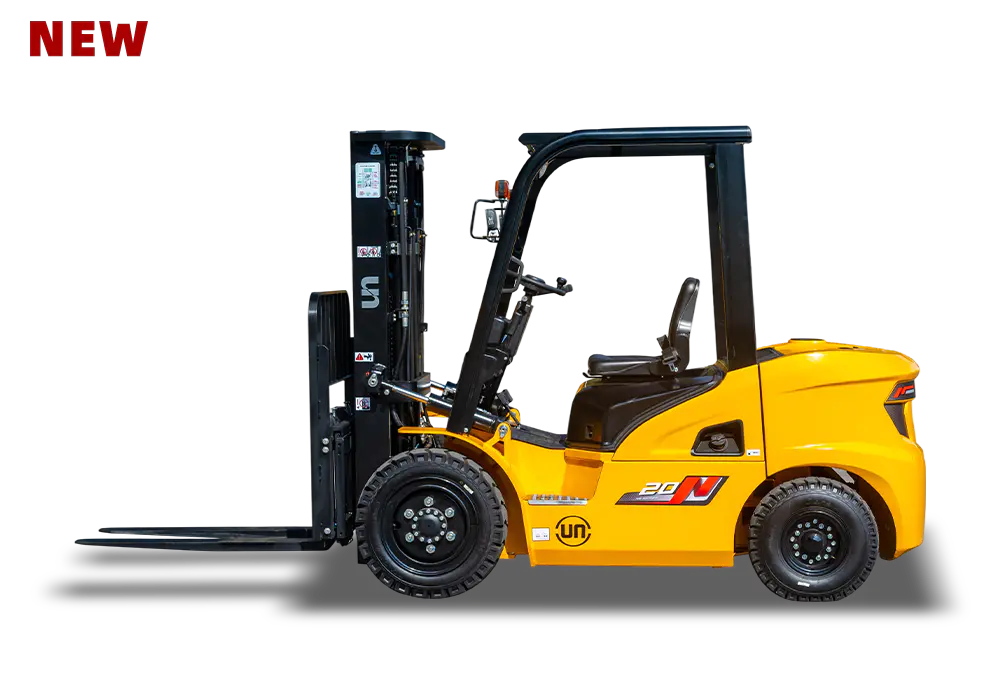
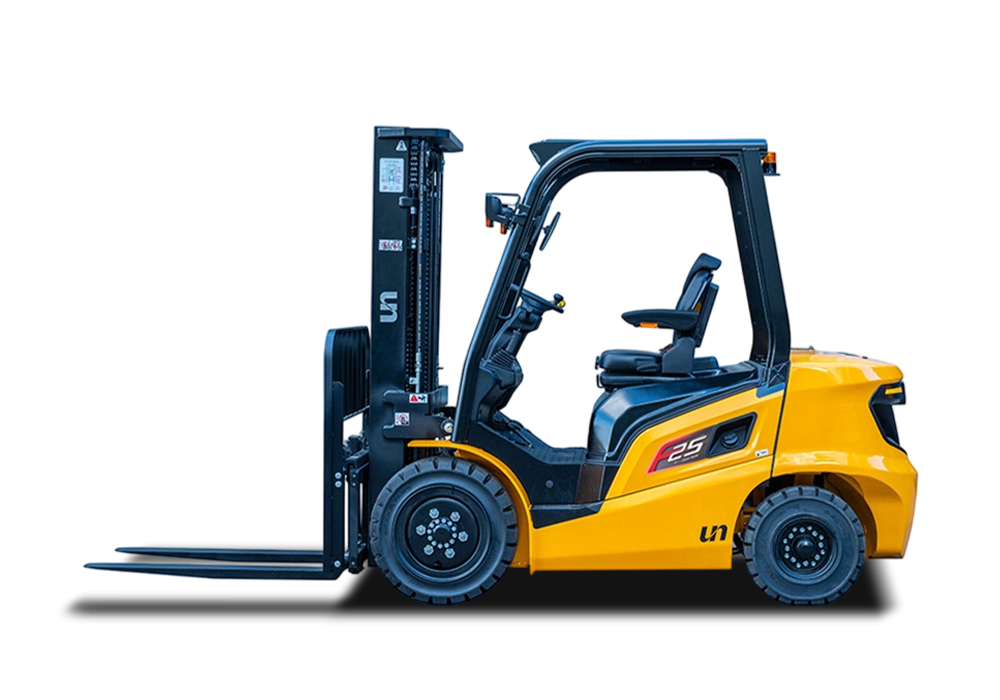
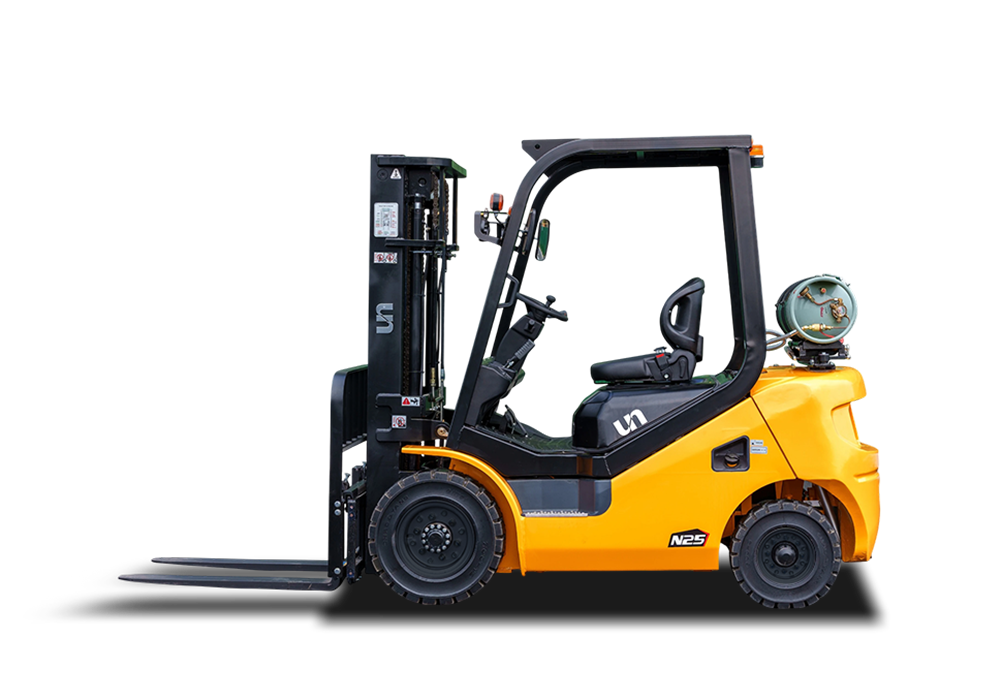
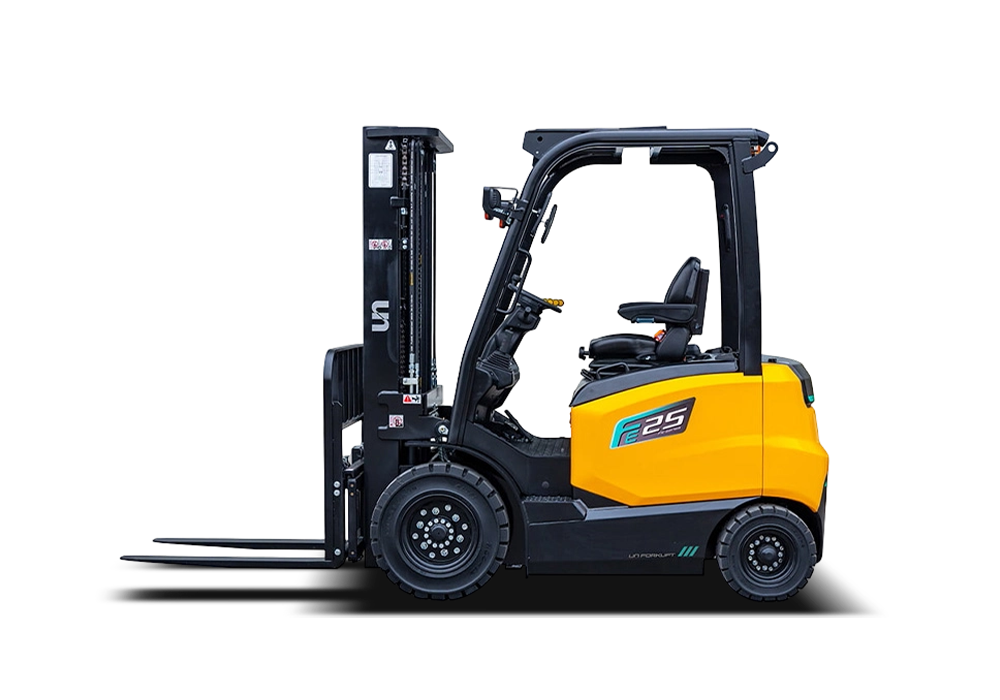
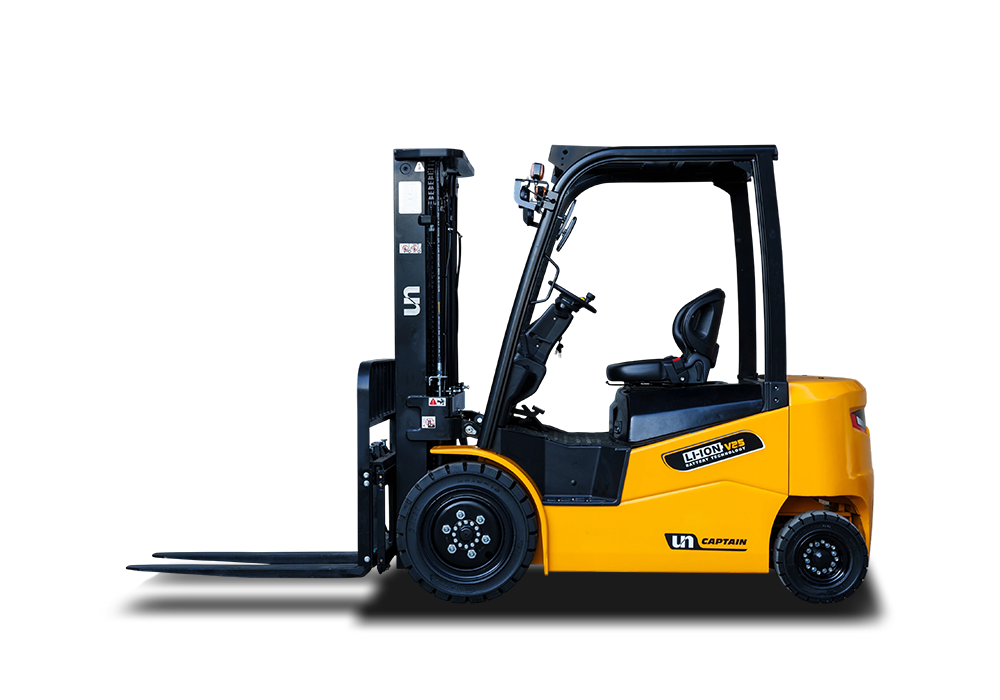
N Series 2.0T-2.5T Diesel Forklift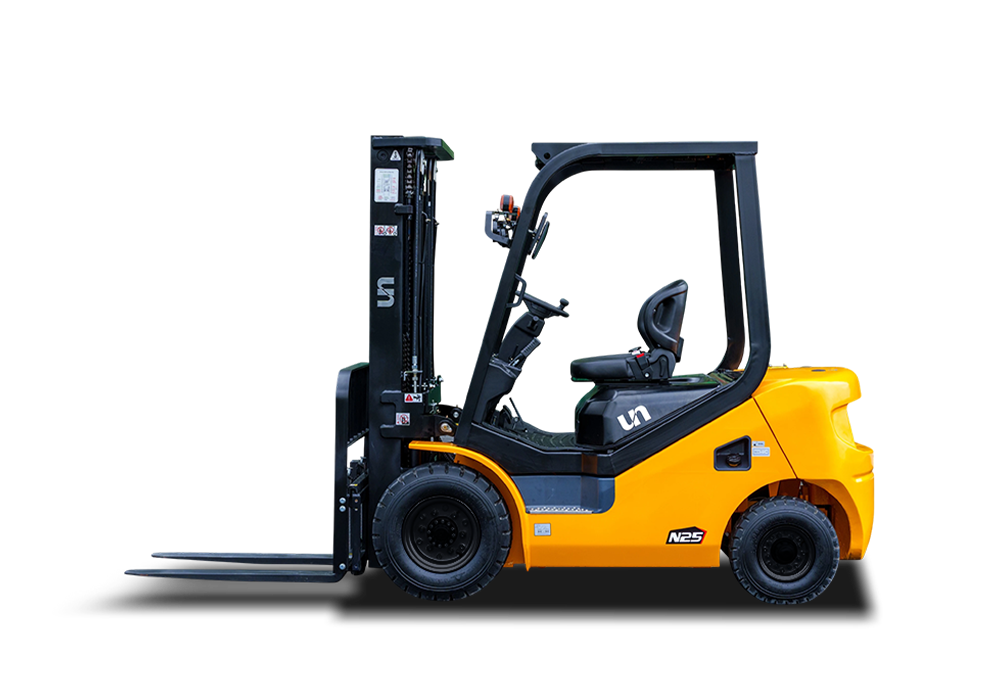
Product Overview
The N Series 2.0T–2.5T Diesel Forklift is a counterbalanced internal combustion forklift designed for efficient handling of goods in the 2.0-ton to 2.5-ton capacity range. It is positioned within the diesel forklift category covering approximately 1.5T to mini 5.0T applications, making it relevant for a broad group of users who need reliable medium-capacity handling equipment.
The model is built around a stable platform. Its reinforced chassis supports balanced load distribution and improves driving confidence when lifting, transporting, or stacking materials. In practical terms, this means operators can handle pallets, crates, packaged goods, raw materials, and finished products with better control. For production facilities and warehouses where material movement happens continuously throughout the day, this stability is a direct contributor to productivity and safety.
Another central feature is the hydraulic system. Forklift performance depends heavily on hydraulic response because lifting, lowering, mast tilt, and attachment operation all rely on hydraulic power. A high-quality hydraulic system improves precision and helps operators perform repetitive movements with less effort. Smooth hydraulic operation is especially important when stacking loads at height, handling fragile products, or working in narrow warehouse areas where small control errors can cause delays or damage.
The forklift also emphasizes vibration and noise reduction. In many diesel forklifts, operator fatigue is caused not only by long shifts but also by constant vibration, engine noise, and harsh movement over uneven surfaces. The N Series 2.0T–2.5T Diesel Forklift is designed to provide a more comfortable working experience, making it suitable for extended daily use. Comfort is not merely a convenience; it affects accuracy, safety, and long-term workforce efficiency.
Core Product Strengths at a Glance
| Feature Area | Practical Benefit | Value for Buyers |
|---|---|---|
| 2.0T–2.5T capacity range | Handles common warehouse and manufacturing loads | Versatile choice for daily pallet and production material movement |
| Robust chassis | Improves structural durability and load stability | Supports long service life and safer handling |
| High-quality hydraulic system | Provides smooth lifting, lowering, and mast control | Enhances productivity and reduces product damage risk |
| Diesel power | Delivers strong torque and continuous operation | Suitable for outdoor use, long shifts, and fast refueling |
| Vibration and noise reduction | Improves operator comfort during extended use | Reduces fatigue and supports consistent performance |
| Manufacturing expertise | Supported by decades of equipment production experience | Increases confidence in quality, serviceability, and long-term supply |
Designed for the Real Demands of Modern Material Handling
Material handling environments are becoming more complex. Warehouses must process goods faster, manufacturing plants must reduce downtime, and logistics centers must balance speed with safety. A forklift in this environment must do more than lift rated loads. It must start reliably, drive predictably, resist wear, support operators, and keep maintenance simple.
The N Series 2.0T–2.5T Diesel Forklift is well suited to these conditions because it focuses on the fundamentals of industrial performance. Its lifting capacity range covers many standard palletized goods and industrial materials. Its diesel engine configuration offers dependable power for sites where charging infrastructure is limited or where work continues across multiple shifts. Its stable structure supports safe travel with loads, while its hydraulic system helps operators work quickly without sacrificing precision.
For manufacturing plants, the forklift can support raw material receiving, work-in-process transfer, finished goods movement, and loading operations. For mid-sized warehouses, it can assist with pallet transport, inventory replenishment, container unloading, and dispatch preparation. For outdoor yards and mixed-use facilities, diesel power provides the advantage of torque and fast refueling, particularly where surfaces may be uneven or working distances are longer.
Compared with lower-grade diesel forklifts that may focus mainly on initial purchase price, this model emphasizes a more complete value proposition: stability, reliable operation, operator comfort, hydraulic control, and manufacturing consistency. These qualities matter because the real cost of a forklift includes downtime, maintenance, energy or fuel consumption, operator productivity, parts replacement, and safety-related risks.
Advantages Over Many Conventional Competitors
Balanced Performance Instead of Single-Feature Design
Some competing forklifts are designed around one prominent selling point, such as low purchase cost, high engine output, or compact dimensions. While these features can be useful, an industrial forklift must perform as a complete system. The N Series 2.0T–2.5T Diesel Forklift is designed to offer balanced performance: lifting strength, driving stability, hydraulic efficiency, operator comfort, and durability work together.
This balance is important in daily operations. A forklift with strong power but poor stability may feel difficult to control. A compact forklift with weak hydraulics may slow down stacking. A low-cost forklift with limited vibration reduction may cause operator fatigue and inconsistent work quality. The N Series approach reduces these trade-offs by combining practical power with structural and ergonomic design.
Strong Chassis for Stability and Long-Term Use
The chassis is one of the most important parts of a forklift. It carries the load, absorbs operating stress, supports the mast, and affects the driving feel. A robust chassis gives the N Series 2.0T–2.5T Diesel Forklift an advantage in applications where machines face repeated loading cycles, turning movements, braking, and surface changes.
Compared with light-duty frames that may be adequate for occasional use, a stronger chassis helps maintain performance over time. It contributes to reduced flex, improved mast support, better load control, and longer structural life. For customers planning to use a forklift for multiple shifts or in demanding environments, chassis quality becomes a major factor in total value.
Efficient Hydraulic System for Better Control
Hydraulic performance directly influences productivity. A responsive hydraulic system allows operators to lift, lower, and tilt loads smoothly. It also helps reduce sudden movement that can damage goods or create safety concerns. In warehouse and manufacturing settings, many operations are repetitive; even small improvements in hydraulic control can accumulate into significant time savings.
The N Series 2.0T–2.5T Diesel Forklift uses a high-quality hydraulic system to support efficient, reliable operation. Compared with competitors that may deliver uneven hydraulic response or require more frequent adjustment, a well-designed hydraulic system improves operator confidence and reduces unnecessary handling time.
Comfort for Extended Operation
In busy facilities, forklifts may operate for long periods every day. Operator comfort therefore becomes a productivity feature. Excessive vibration and noise increase fatigue, and fatigue reduces attention, precision, and reaction time. The N Series 2.0T–2.5T Diesel Forklift addresses this issue through superior vibration and noise reduction, making it suitable for extended use.
Many buyers focus first on capacity and price, but experienced fleet managers know that operator acceptance is essential. A forklift that feels stable, comfortable, and predictable is more likely to be used efficiently and safely. Better comfort also helps companies maintain consistent performance across long shifts.
Diesel Power for Continuous Work
Electric forklifts are excellent in many clean indoor environments, but diesel forklifts retain important advantages in heavy-duty and mixed-condition applications. Diesel power offers fast refueling, strong torque, and the ability to work outdoors without relying on charging cycles. For operations where downtime is costly, these advantages can be decisive.
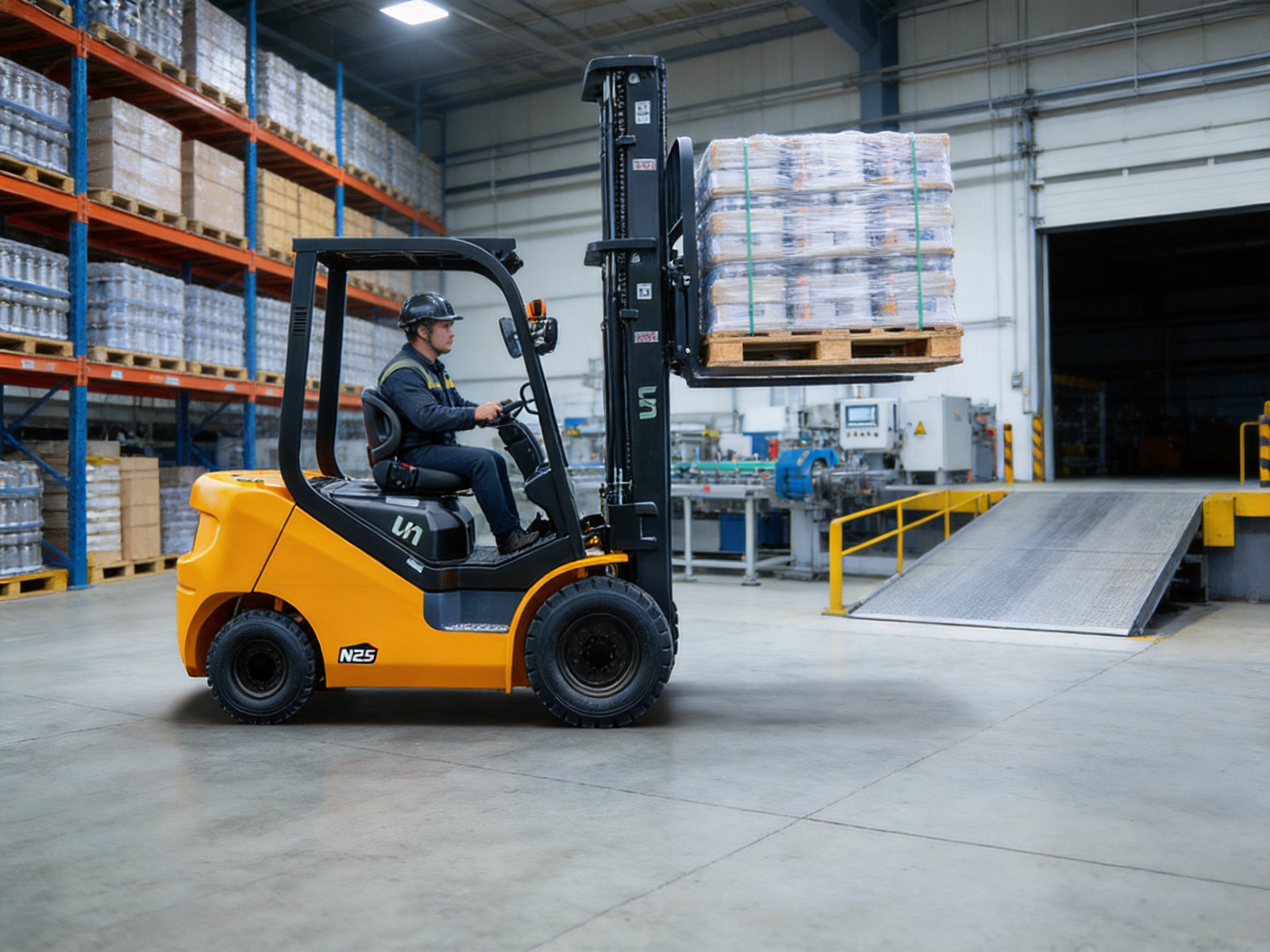
The N Series 2.0T–2.5T Diesel Forklift is especially useful where loading docks, yard areas, production halls, and storage zones are part of the same workflow. It can support continuous operation in ways that may be difficult for battery-powered equipment if charging planning, spare batteries, or infrastructure are limited.
Ideal Application Environments
Manufacturing Facilities
Manufacturing plants require reliable movement of materials between receiving areas, production lines, storage areas, and shipping zones. The N Series 2.0T–2.5T Diesel Forklift fits this environment because it provides enough capacity for common industrial loads while remaining manageable for indoor circulation areas.
Its stable chassis supports the transport of raw materials and finished goods. Its hydraulic control helps operators position materials accurately near machines, assembly lines, and storage racks. Its diesel engine supports longer operating periods, particularly in facilities where forklift use is frequent and charging downtime would disrupt production.
Mid-Sized Warehouses
Mid-sized warehouses often need flexible equipment. A forklift may be used for unloading trucks in the morning, moving inventory during the day, and loading outbound shipments later. The 2.0T–2.5T capacity range is practical for many of these tasks because it covers a large percentage of standard pallet weights.
The N Series model offers the combination of lifting capacity, maneuverability, comfort, and reliable operation that warehouse managers need. Its hydraulic performance helps with stacking and pallet positioning, while its stable design supports safer movement through busy aisles and loading areas.
Outdoor and Mixed Indoor-Outdoor Work
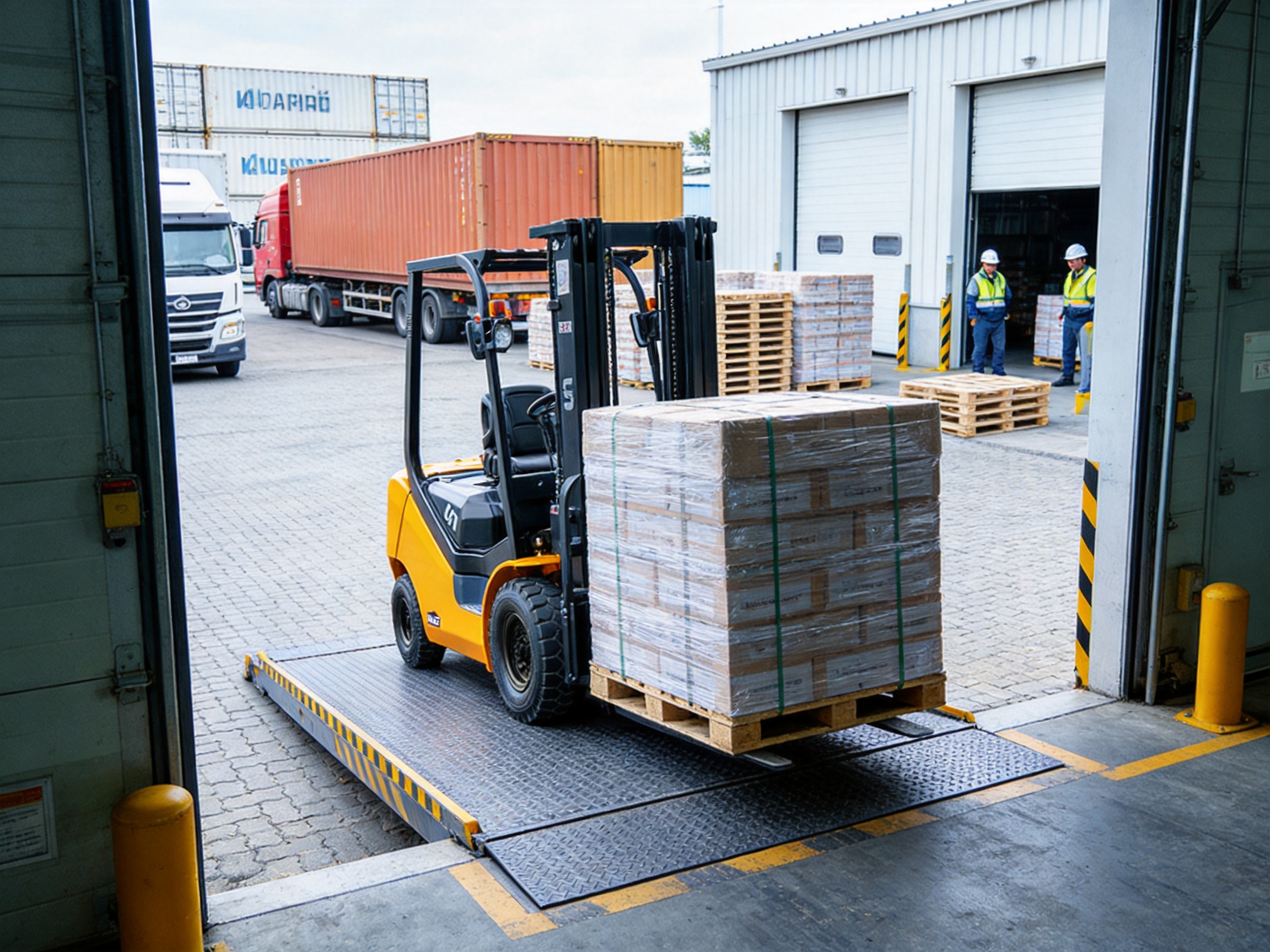
Diesel forklifts are often chosen for outdoor or mixed indoor-outdoor environments because they can handle longer travel distances and variable surfaces better than some warehouse-only equipment. The N Series 2.0T–2.5T Diesel Forklift can serve yards, dock areas, logistics centers, and storage facilities where goods must move between buildings or across paved outdoor surfaces.
For companies that need one forklift to perform several roles, this adaptability is valuable. Instead of separating equipment strictly by zone, operations can use a diesel counterbalanced forklift to support receiving, transfer, stacking, and dispatch tasks with fewer workflow interruptions.
General Logistics and Distribution
Distribution operations depend on fast, accurate goods movement. A forklift that can accelerate workflow without increasing risk is a strong asset. The N Series 2.0T–2.5T Diesel Forklift supports loading and unloading, pallet transfer, staging, and inventory movement. Its comfort features help operators maintain productivity during long handling periods, while its hydraulic system supports controlled load placement.
Engineering Focus: Stability, Control, and Reliability
A forklift works in dynamic conditions. Loads shift, surfaces vary, aisles may be crowded, and operators must make quick decisions. For this reason, engineering must focus on stability and control as much as power. The N Series 2.0T–2.5T Diesel Forklift is designed around these principles.
Stability begins with the relationship between chassis, counterweight, mast, axle layout, and load center. A well-balanced forklift helps operators maintain control while lifting and traveling. In practical terms, stable performance reduces unnecessary steering correction, improves confidence during stacking, and supports safer operation when loads are heavy or awkward.
Control comes from hydraulic responsiveness, steering behavior, braking consistency, and visibility. Smooth hydraulic movement allows accurate placement. Predictable steering helps with maneuvering in warehouses. Consistent braking supports safer travel with loads. Good operator positioning and reduced vibration contribute to better awareness.
Reliability depends on component selection, manufacturing quality, assembly precision, and serviceability. A forklift that is easy to maintain and supported by a reliable parts network can deliver better uptime. This is where manufacturer strength becomes especially important. The product itself is important, but the company behind the product determines whether quality can be repeated, parts can be supplied, and technical support can be maintained over the machine’s life cycle.
Manufacturing Strength Behind the Product
Zhejiang UN Forklift Co., Ltd. is a professional material handling equipment manufacturer integrating research and development, production, sales, and service. Founded in 1978, the company has accumulated extensive experience in forklift manufacturing and industrial vehicle development. Its production base covers 53,400 square meters and supports an annual production capacity of 15,000 units.
This manufacturing background is a significant advantage for buyers of the N Series 2.0T–2.5T Diesel Forklift. A forklift is not a simple product assembled from unrelated parts. It requires engineering knowledge in mechanical structure, hydraulic systems, powertrain integration, electrical control, ergonomics, welding, machining, painting, inspection, and service support. A company with decades of experience is better positioned to control these processes and deliver consistent quality.
The company offers a complete range of forklifts, including 17 varieties, 96 series, and more than 200 specifications. This broad product portfolio indicates deep understanding of different material handling scenarios. It also means that diesel forklift development benefits from experience gained in electric forklifts, warehouse equipment, reach forklifts, VNA trucks, lithium-ion forklifts, and internal combustion forklifts.
In the forklift industry, manufacturing capability must be evaluated not only by factory size but also by product development history. The company has participated in the formulation of China’s electric forklift industry standards and holds national patents for electric forklift technologies. China’s first reach forklift and VNA truck were born at the company. Although the N Series 2.0T–2.5T Diesel Forklift is an internal combustion model, this innovative background shows a long-term commitment to engineering progress rather than short-term assembly.
Advanced Production Processes and Quality Control
Integrated Research and Development
Product performance begins before manufacturing, in the research and development stage. Engineers must define load requirements, structural strength, hydraulic flow, cooling performance, operator layout, safety factors, and service access. For a diesel forklift in the 2.0T–2.5T range, the design must balance compact dimensions with sufficient strength and stability.
The company’s integrated R&D capability helps ensure that the forklift is designed as a coordinated system. Instead of treating the engine, chassis, mast, hydraulic components, and operator compartment as isolated parts, the design process considers how they work together. This system-level approach is one reason the N Series 2.0T–2.5T Diesel Forklift can offer balanced and stable performance.
Precision Structural Fabrication
The forklift frame and mast experience repeated stress throughout the equipment’s working life. Manufacturing quality in these components has a direct impact on durability and safety. Advanced fabrication requires controlled cutting, forming, welding, alignment, and inspection. Proper welding procedures help ensure strength, while accurate alignment supports smooth operation and predictable handling.
A robust chassis is one of the product’s key advantages. This strength is achieved not merely by using heavy material but by applying appropriate structural design and manufacturing control. When the chassis is produced with consistent dimensions and reliable weld integrity, the forklift can better withstand industrial use.
Hydraulic System Assembly and Testing
The hydraulic system must be clean, sealed, and accurately assembled. Contamination, poor sealing, or improper routing can reduce efficiency and shorten component life. For the N Series 2.0T–2.5T Diesel Forklift, the high-quality hydraulic system is a major factor in reliable operation.
Manufacturing processes for hydraulic systems typically include component inspection, hose and pipe assembly, pressure testing, leak detection, and function checks. Proper testing helps confirm that lift, lower, tilt, and other hydraulic actions perform smoothly before delivery. This reduces the risk of early field failures and improves customer confidence.
Powertrain Integration
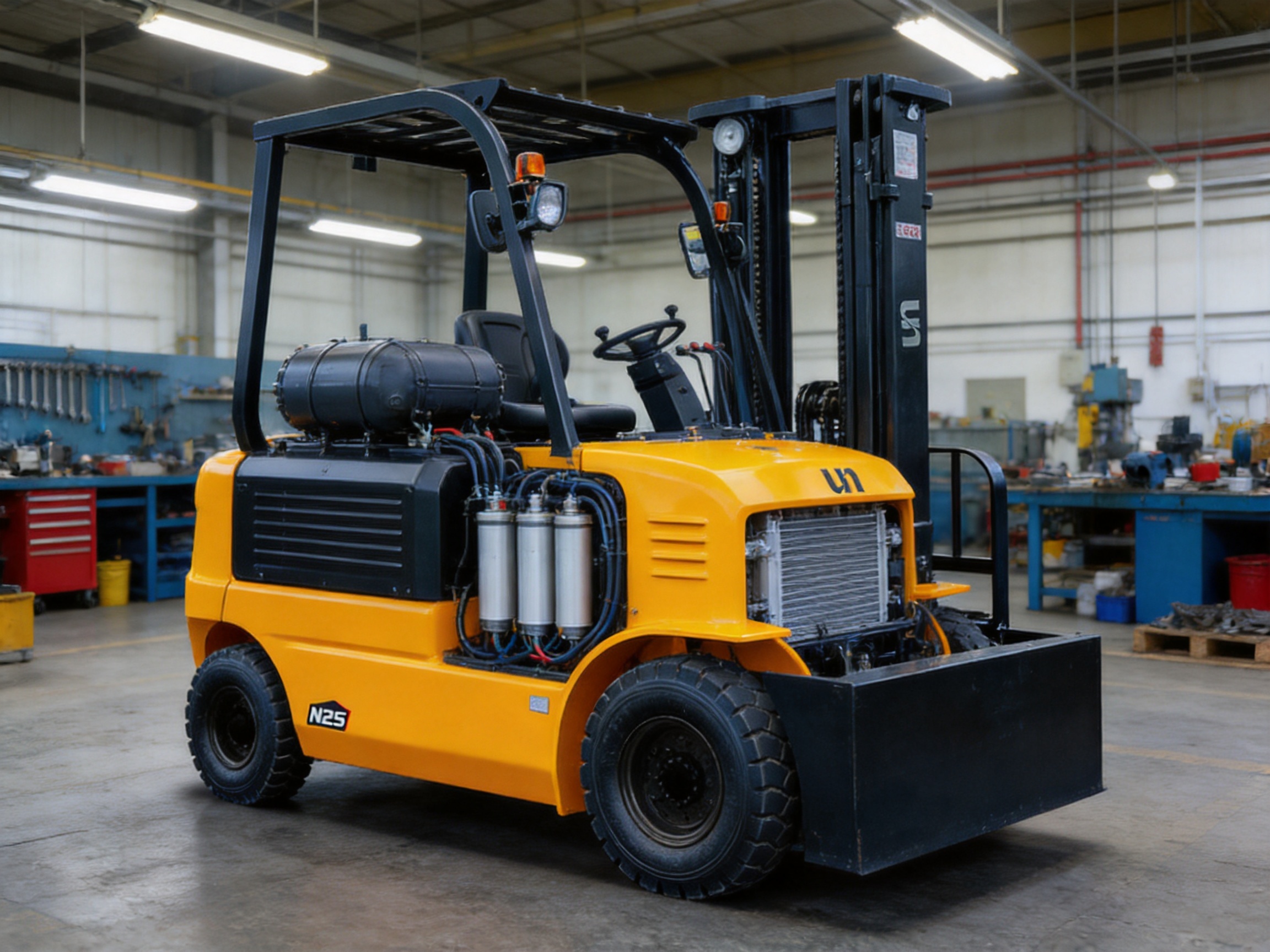
A diesel forklift’s powertrain must deliver usable torque, stable operation, and efficient power transfer. Engine installation, cooling layout, transmission matching, exhaust routing, and vibration isolation all influence the final performance. Good powertrain integration helps the forklift work continuously without overheating, excessive vibration, or unstable response.
The N Series model’s vibration and noise reduction indicate attention to these integration details. Reducing vibration requires more than adding cushions; it involves engine mounting, structural stiffness, component placement, and operator compartment design. When these areas are properly engineered, the result is a more comfortable and durable machine.
Final Inspection and Reliability Validation
Before a forklift reaches a customer, final inspection should verify assembly quality, functional performance, safety systems, hydraulic behavior, steering, braking, and overall operation. For industrial buyers, this quality gate is essential because the forklift is expected to begin work soon after delivery.
A manufacturer with established production capacity and long industry experience can create repeatable inspection procedures. This consistency is an important advantage over smaller or less experienced suppliers whose quality may vary significantly between units. For fleet buyers, repeatability matters because it simplifies training, maintenance, and spare parts planning.
Company Strengths That Add Value to the Forklift
Decades of Industry Experience
Founded in 1978, Zhejiang UN Forklift Co., Ltd. has more than four decades of experience in material handling equipment. This history matters because forklift technology evolves through real operating feedback. Long-term manufacturers learn how equipment performs in different climates, industries, loading conditions, and maintenance environments.
Experience helps improve product design and manufacturing decisions. It supports better component selection, more practical service layouts, and improved quality control. For buyers of the N Series 2.0T–2.5T Diesel Forklift, this background reduces uncertainty because the product is supported by an established manufacturer rather than a short-term supplier.
Large-Scale Production Capacity
The company’s production facility covers 53,400 square meters and has an annual production capacity of 15,000 units. Scale brings several advantages. It supports stable supply, more organized production planning, stronger purchasing capability, and systematic quality management. Buyers who need multiple units or long-term fleet support benefit from working with a manufacturer capable of sustained production.
Broad Product Portfolio
With 17 varieties, 96 series, and more than 200 specifications, the company covers many different material handling needs. This broad portfolio is valuable because it reflects technical versatility. A manufacturer that produces diesel forklifts, electric forklifts, warehouse equipment, reach trucks, VNA trucks, and new energy models can understand how different technologies serve different operating conditions.
This knowledge helps customers choose suitable equipment. A supplier with both diesel and electric expertise can provide more balanced recommendations instead of pushing only one technology. For example, a customer may need diesel forklifts for outdoor work and electric forklifts for indoor clean areas. A full-line manufacturer can support this mixed fleet strategy.
Global Sales and Service Network
The company has a worldwide sales and service network, with partners in Europe, South America, North America, Africa, and Asia. For forklift buyers, service network strength is a critical factor. Even a well-built forklift requires maintenance, replacement parts, and technical support. Global support helps reduce downtime and improves confidence for international customers.
This network also allows the manufacturer to receive feedback from diverse markets. Forklifts operating in Europe, North America, Africa, Asia, and South America face different regulations, climate conditions, usage patterns, and customer expectations. Feedback from these regions can support ongoing product improvement.
OEM Supply Experience
The company has served as a designated OEM supplier for well-known domestic and overseas companies, including Hyundai Heavy Industries and Xuzhou Construction Machinery Group. OEM supply relationships require manufacturing consistency, quality control, communication capability, and compliance with partner standards. This experience supports confidence in the company’s ability to manufacture reliable forklifts for demanding customers.
Commitment to Energy Saving and Environmental Development
The company is guided by concepts of energy saving, environmental protection, high efficiency, and safety. Although the N Series 2.0T–2.5T Diesel Forklift is a diesel model, this broader philosophy influences product development. The company also provides models meeting high emission requirements in markets such as the European Union and North America and continues to develop new energy forklifts, including diesel-to-lithium-ion models and standard lithium-ion battery forklifts.
This commitment is important because many customers are planning long-term fleet transitions. They may still need diesel forklifts today for demanding applications, while also preparing for cleaner equipment in certain areas. A manufacturer active in both internal combustion and new energy technologies can better support this transition.
Why the 2.0T–2.5T Range Is So Practical
The 2.0T–2.5T range is one of the most widely used forklift capacities because it matches common palletized loads in manufacturing, warehousing, distribution, food and beverage, construction materials, packaging, and general logistics. It offers more strength than small 1.5T-class forklifts while remaining more compact and economical than larger heavy-duty models.
For many businesses, this capacity range provides the best balance of capability and cost. A forklift that is too small may be overloaded or forced to work inefficiently. A forklift that is too large may consume more fuel, require more space, and cost more to maintain. The N Series 2.0T–2.5T Diesel Forklift sits in the middle, giving buyers a versatile machine for frequent daily tasks.
In manufacturing plants, 2.0T–2.5T capacity can handle raw material pallets, metal components, packaging materials, machinery parts, and finished goods. In warehouses, it can move standard pallets, cartons, drums, bags, and crates. At loading docks, it can unload trucks and containers when load sizes are within the rated capacity.
This flexibility means the forklift can often serve multiple departments. A company may use it in receiving, production, storage, and shipping. The ability to perform many tasks increases utilization and improves return on investment.
Diesel Forklift Benefits in Practical Operations
Fast Refueling
One of the most important advantages of diesel forklifts is fast refueling. Electric forklifts require charging time, and even with opportunity charging, battery management must be planned carefully. Diesel forklifts can return to work quickly after refueling, making them suitable for operations that cannot easily pause.
Strong Torque
Diesel engines are known for torque, especially at lower operating speeds. This is useful when moving heavy loads, climbing ramps, or traveling across outdoor yard surfaces. For the N Series 2.0T–2.5T Diesel Forklift, diesel power supports confident operation in demanding handling tasks.
Outdoor Suitability
Diesel forklifts are commonly used outdoors because they are less dependent on charging stations and can operate effectively across larger areas. In facilities where work moves between warehouse doors, loading docks, yards, and production areas, diesel equipment can provide practical flexibility.
Continuous Duty Capability
When properly maintained, diesel forklifts can work for long periods. This makes them useful for multi-shift operations, peak-season logistics, and production environments where material flow must remain continuous. The N Series model’s comfort and stability features further support this type of extended operation.
Operator Experience and Productivity
Forklift productivity depends heavily on the operator. Even the best mechanical design cannot achieve its full value if the operator feels uncomfortable, fatigued, or uncertain. The N Series 2.0T–2.5T Diesel Forklift addresses this issue through stable handling, smooth hydraulic control, and reduced vibration and noise.
Reduced vibration helps operators maintain concentration. Smooth hydraulic response reduces stress during stacking and pallet placement. Stable chassis behavior improves confidence during travel and turning. Together, these features support faster, safer, and more accurate handling.
In a warehouse or factory, small time savings matter. If an operator saves a few seconds on each lift, turn, or stack, the accumulated improvement over hundreds of movements per day can be substantial. More importantly, consistent control reduces the likelihood of product damage, rack impact, and operational delays.
Operator comfort also affects workforce satisfaction. Skilled forklift operators are valuable, and equipment quality influences their daily working experience. A forklift that reduces fatigue and feels predictable can help companies maintain higher standards of work.
Safety Considerations
Safety in forklift operation depends on equipment design, operator training, site management, and maintenance. The N Series 2.0T–2.5T Diesel Forklift contributes to safer operation through stable performance, reliable hydraulic control, and improved comfort. These features do not replace proper training, but they help operators perform tasks more confidently.
Stable load handling is essential when transporting goods across busy areas or stacking at height. Smooth hydraulic control helps avoid sudden load movement. Reduced vibration and noise can improve operator awareness and reduce fatigue-related risk. A robust chassis supports consistent structural performance, especially in demanding applications.
Companies should still implement safety procedures, including load capacity compliance, speed control, pre-shift inspections, route planning, pedestrian separation, and regular maintenance. When these procedures are combined with a well-designed forklift, overall safety performance improves.
Maintenance and Total Cost of Ownership
The purchase price of a forklift is only one part of total cost. Over the equipment’s life, owners also pay for fuel, maintenance, replacement parts, downtime, operator time, and possible repair events. A forklift with stronger construction and reliable systems can deliver better total value even if it is not the cheapest option at the time of purchase.
The N Series 2.0T–2.5T Diesel Forklift is designed for reliable operation through its robust chassis and quality hydraulic system. These features can help reduce premature wear and improve uptime. Operator comfort can also affect cost because fatigue-related errors may lead to damaged goods, damaged racks, or unnecessary maintenance.
Service support is another important cost factor. Zhejiang UN Forklift Co., Ltd. has a global sales and service network, which helps international customers access support more efficiently. Parts availability, technical guidance, and service coordination all influence long-term ownership satisfaction.
Fleet managers should evaluate forklifts based on lifecycle value. Questions to consider include: How often will the forklift operate? What loads will it handle? Will it work indoors, outdoors, or both? Are operators trained for diesel equipment? Is local service available? How important is uptime? The N Series model is particularly suitable where balanced performance and reliable support are priorities.
Comparison With Alternative Equipment Choices
Compared With Smaller Diesel Forklifts
Smaller diesel forklifts may be attractive because of lower purchase cost and compact size. However, if loads frequently approach or exceed their rated capacity, productivity and safety can suffer. The 2.0T–2.5T range gives more working margin for common industrial loads. The N Series model provides this capability while remaining suitable for mid-sized warehouses and manufacturing sites.
Compared With Larger Heavy-Duty Forklifts
Larger forklifts provide greater lifting capacity, but they also require more space, consume more fuel, and may be less efficient for everyday pallet movement. For many operations, a larger machine is unnecessary. The N Series 2.0T–2.5T Diesel Forklift offers a more economical and flexible solution when typical loads fall within its capacity range.
Compared With Electric Forklifts
Electric forklifts are excellent for indoor clean environments and lower emissions at the point of use. However, diesel forklifts may be better for outdoor work, long shifts, fast refueling, and high-torque applications. The N Series diesel model is a practical choice where charging infrastructure is limited or where operational continuity is critical.
Compared With Low-Cost Generic Forklifts
Low-cost forklifts may reduce initial spending, but buyers should consider long-term reliability, parts support, comfort, and serviceability. A generic forklift with weak hydraulic control, poor vibration isolation, or inconsistent manufacturing can create hidden costs. The N Series 2.0T–2.5T Diesel Forklift offers stronger value through balanced design, manufacturing experience, and global support.
Industries That Can Benefit
Many industries can benefit from a reliable 2.0T–2.5T diesel forklift. In manufacturing, it supports raw material movement, line feeding, and finished goods transfer. In logistics, it improves dock efficiency and pallet movement. In construction material distribution, it can handle packaged materials, hardware, and yard storage. In agriculture-related processing, it can move crates, bags, and pallets in mixed indoor-outdoor areas.
Food and beverage operations that require outdoor loading or high-volume pallet movement may also find diesel equipment useful, provided site ventilation and regulations are appropriate. Packaging facilities can use the forklift for paper rolls, cartons, and palletized products. Metalworking and machinery plants can use it for parts, tooling, and industrial components within rated capacity.
The main advantage is versatility. A 2.0T–2.5T diesel forklift can serve as a general-purpose workhorse in many facilities. When supported by durable construction and reliable hydraulics, it becomes a key productivity tool rather than just a transport vehicle.
How Buyers Should Evaluate This Forklift
When evaluating the N Series 2.0T–2.5T Diesel Forklift, buyers should begin with the load profile. What is the maximum load weight? What is the typical load weight? What is the load center? Are loads uniform pallets or irregular items? Capacity must always be matched to real handling conditions.
Next, buyers should consider operating environment. If the forklift will work mainly outdoors, diesel power is often appropriate. If it will work indoors for long periods, ventilation and emission requirements must be reviewed. If the work involves both indoor and outdoor movement, the diesel forklift’s flexibility may be a strong advantage.
Floor conditions also matter. Smooth warehouse floors, dock plates, ramps, and paved yards create different demands. The forklift’s stable chassis and diesel torque help in mixed environments, but tire configuration, mast height, and attachments should be selected according to the site.
Buyers should also assess maintenance resources. A forklift supported by a global service network and an experienced manufacturer can be easier to maintain over time. Parts supply and technical support should be part of the purchase decision.
Finally, operator feedback is valuable. If possible, companies should allow experienced operators to test handling feel, visibility, hydraulic response, and comfort. Operator acceptance often predicts daily productivity more accurately than specification sheets alone.
Long-Term Value for Fleet Owners
For fleet owners, standardization and reliability are major concerns. A forklift fleet must be easy to train on, maintain, and manage. The N Series 2.0T–2.5T Diesel Forklift can contribute to fleet efficiency because it offers a practical capacity range, stable operation, and manufacturer support.
Companies operating multiple facilities may also value a manufacturer with international reach. Global sales and service partnerships can simplify procurement and support. For expanding businesses, working with a manufacturer that offers many forklift types also allows future fleet development. A company may begin with diesel forklifts and later add electric forklifts, warehouse equipment, or lithium-ion models as operational needs evolve.
The manufacturer’s broad product line and innovation history support this long-term approach. Customers are not limited to a single machine type. They can build a material handling strategy that includes IC forklifts, electric forklifts, warehouse equipment, and new energy solutions where each technology fits best.
Q&A Section
Q1: What is the main purpose of the N Series 2.0T–2.5T Diesel Forklift?
It is designed for efficient material handling in manufacturing plants, mid-sized warehouses, logistics facilities, loading areas, and mixed indoor-outdoor environments. It handles common 2.0-ton to 2.5-ton loads with stable performance and reliable diesel power.
Q2: Why choose a diesel forklift instead of an electric forklift?
A diesel forklift is often preferred for outdoor work, longer duty cycles, fast refueling, and applications requiring strong torque. Electric forklifts are excellent for clean indoor operations, but diesel models can be more practical where charging time, charging infrastructure, or outdoor conditions are concerns.
Q3: What are the biggest advantages of this forklift over many competitors?
Its key advantages include balanced performance, a robust chassis, a high-quality hydraulic system, stable load handling, reduced vibration and noise, and support from an experienced manufacturer with a global sales and service network.
Q4: Is the 2.0T–2.5T capacity range suitable for warehouse work?
Yes. This capacity range is highly practical for standard pallets, packaged goods, production materials, and many general warehouse loads. It provides more capability than smaller forklifts while remaining more efficient and maneuverable than larger heavy-duty models.
Q5: How does the hydraulic system affect productivity?
The hydraulic system controls lifting, lowering, mast tilt, and attachment movement. Smooth hydraulic response helps operators stack and position loads more accurately and quickly, reducing handling time and lowering the risk of product damage.
Q6: Why is vibration and noise reduction important?
Lower vibration and noise improve operator comfort, especially during long shifts. Comfortable operators can maintain concentration, accuracy, and productivity more consistently. Reduced fatigue can also support safer operation.
Q7: What manufacturing strengths support this product?
The manufacturer has decades of forklift production experience, a 53,400-square-meter production base, an annual production capacity of 15,000 units, broad product coverage, R&D capability, patent experience, industry-standard participation, and global service partnerships.
Q8: Can this forklift be used in outdoor yards?
Yes. As a diesel counterbalanced forklift, it is suitable for many outdoor and mixed-use applications, especially on appropriate paved or prepared surfaces. Buyers should still select the correct tire, mast, and configuration for their specific site conditions.
Q9: Is this forklift suitable for extended daily operation?
Yes. The product is designed with stable performance, reliable operation, and improved vibration and noise control, making it well suited for extended use in active industrial environments.
Q10: What should buyers check before purchasing?
Buyers should confirm load weight, load center, lifting height, site conditions, indoor ventilation requirements, duty cycle, attachment needs, maintenance resources, and local service support. Matching the forklift configuration to the actual application is essential.
Conclusion
The N Series 2.0T–2.5T Diesel Forklift is a practical and competitive solution for companies that need dependable medium-capacity material handling equipment. Its value comes from a balanced combination of diesel power, stable chassis design, efficient hydraulic performance, operator comfort, and manufacturing strength. It is especially suitable for manufacturing facilities, mid-sized warehouses, logistics operations, and mixed indoor-outdoor applications.
Compared with many conventional competitors, the forklift offers more than basic lifting capacity. It focuses on real operational needs: stability under load, smooth control, long-shift comfort, continuous work capability, and long-term reliability. These qualities help improve productivity, reduce operator fatigue, and support better total cost of ownership.
The product is further strengthened by the manufacturer’s background. Zhejiang UN Forklift Co., Ltd. has been active in material handling equipment since 1978 and integrates R&D, production, sales, and service. With a broad product portfolio, large production capacity, global network, OEM experience, and commitment to energy-saving and high-efficiency equipment, the company provides more than a machine; it provides manufacturing depth and long-term support.
For buyers seeking a diesel forklift in the 2.0T–2.5T range, this model deserves close attention. It offers the capacity needed for common industrial work, the structural reliability required for daily use, and the operational comfort that supports productivity across long shifts. In a competitive material handling market, these combined advantages make it a strong choice for businesses focused on efficiency, durability, and practical value.
References
Industrial Truck Association. General Principles of Forklift Safety and Industrial Truck Operation.
International Organization for Standardization. ISO 3691 Series: Industrial Trucks Safety Requirements and Verification.
Occupational Safety and Health Administration. Powered Industrial Trucks: Operator Training and Safe Use Guidelines.
Material Handling Industry. Fundamentals of Warehouse Equipment Selection and Fleet Productivity.
Society of Automotive Engineers. Technical Principles of Internal Combustion Powertrain Integration for Industrial Vehicles.
Hydraulic Institute. Practical Guidance on Hydraulic System Reliability, Contamination Control, and Maintenance.
Product: N Series 2.0T-2.5T Diesel Forklift
For exclusive deals and latest offers, sign up by entering your email address below.
Stay In Touch
ADDRESS : NO.1 ROAD ONE, XINDENG NEW DISTRICT, FUYANG, HANGZHOU, ZHEJIANG, CHINA 311404.
PHONE : +86-571-8688 8355 (AMERICA)
PHONE : +86-571-8886 9363 (EUROPE)
PHONE : +86-571-8688 8377 (ASIA, AFRICA, OCEANIA)
EMAIL : [email protected]
EMAIL : [email protected](PARTS INQUIRY)

