


 中文简体
中文简体 Français
 русский
 Español
 عربى
عربى Deutsch



What Are the Core Advantages of Internal Combustion Forklifts Compared to Electric Forklifts?
Operational Background and Industry Context
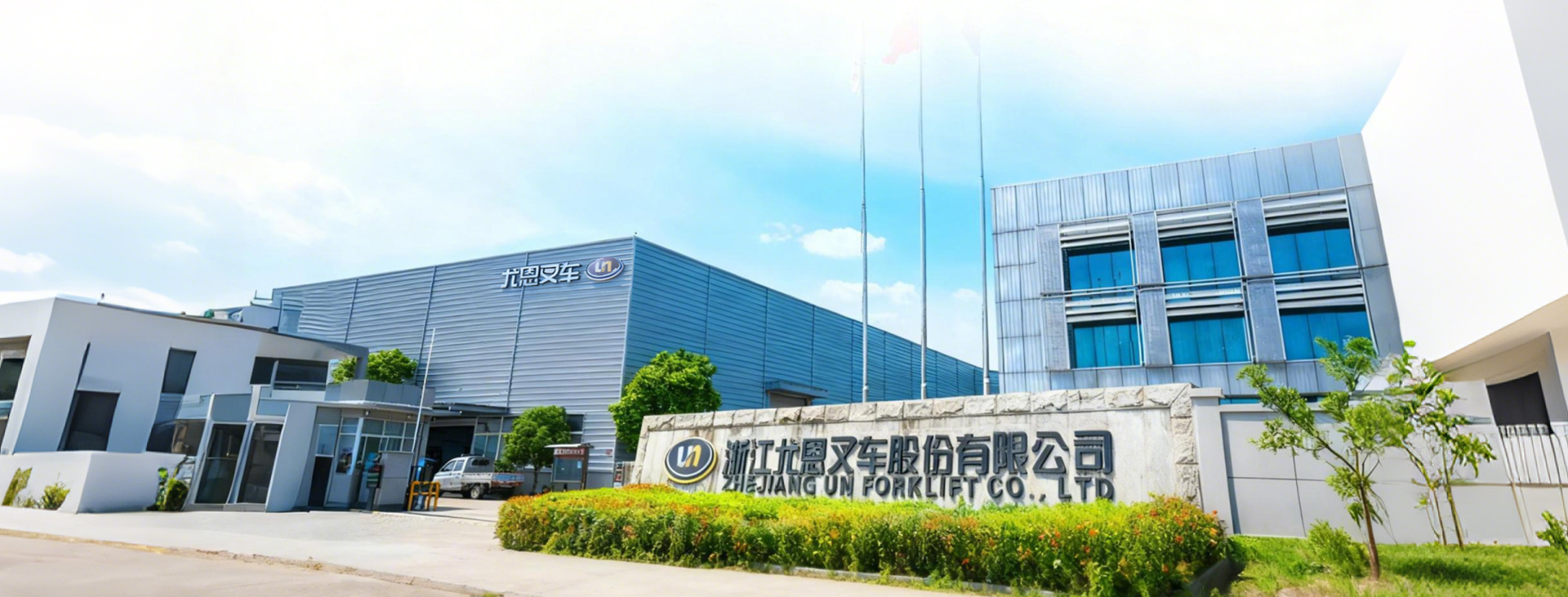
In modern material handling operations, selecting the appropriate power source for forklifts directly affects productivity, cost structure, and operational flexibility. Both electric forklifts and internal combustion forklift models are widely used across industries such as logistics, construction, ports, warehousing, and heavy manufacturing. Zhejiang UN Forklift Co., Ltd., established in 1978, has developed into a comprehensive material handling equipment manufacturer integrating research and development, production, sales, and service. With a production facility covering 53,400 square meters and an annual output of 15,000 units, UN Forklift designs products based on the principles of energy saving, environmental protection, high efficiency, and safety. Within this context, understanding the core advantages of an internal combustion forklift compared to electric alternatives helps businesses make informed decisions aligned with their operational needs.
Higher Power Output for Heavy-Duty Applications
One of the primary advantages of an internal combustion forklift lies in its ability to deliver strong and consistent power output. IC forklift models are typically equipped with diesel, gasoline, or LPG engines that generate substantial torque, especially at low speeds. This characteristic is particularly valuable in heavy-duty environments such as construction sites, ports, and industrial yards where loads are large and operating surfaces may be uneven. While electric forklifts perform effectively in controlled indoor environments, an internal combustion forklift often provides better adaptability when handling heavy materials outdoors or on inclines.
The higher torque capacity allows the forklift to maintain stable performance during continuous lifting and transportation of heavy goods. In applications where forklifts operate for extended shifts with minimal downtime, the mechanical power delivery of an IC forklift supports sustained performance without the constraints of battery discharge cycles.
Extended Operating Time Without Battery Limitations
Electric forklifts rely on battery systems that require charging cycles, which may interrupt operations if spare batteries are not readily available. In contrast, an internal combustion forklift can be refueled quickly and returned to operation within a short period. This refueling advantage reduces downtime in high-intensity operations such as container loading or raw material transportation.
For businesses operating multiple shifts or remote job sites without dedicated charging infrastructure, IC forklift models offer operational continuity. Fuel availability is generally more accessible in outdoor or industrial environments, allowing forklifts to maintain productivity without complex energy management planning.
Performance in Outdoor and Harsh Environments
Environmental adaptability is another important advantage of internal combustion forklift equipment. Electric forklifts are often optimized for indoor use due to emission considerations and battery sensitivity to extreme temperatures. In contrast, IC forklift units are designed to withstand varying weather conditions, including rain, dust, and fluctuating temperatures.
Zhejiang UN Forklift integrates durability and safety into its internal combustion forklift designs, ensuring stable operation across different regions. With a global sales and service network spanning Europe, North America, South America, Africa, and Asia, UN Forklift products are engineered to adapt to diverse climatic conditions and terrain types. Reinforced chassis structures and robust engine systems allow internal combustion forklift models to function effectively in rugged industrial settings.
Greater Load Capacity Range
In general, internal combustion forklift models are more commonly available in higher load capacity categories compared to electric counterparts. While electric forklifts are increasingly expanding into higher capacities, IC forklift equipment remains widely used for medium to large tonnage operations. Heavy manufacturing facilities and infrastructure projects frequently rely on internal combustion forklift units for lifting tasks that exceed typical warehouse requirements.
The mechanical configuration of an internal combustion forklift allows integration of reinforced masts, larger counterweights, and heavy-duty transmissions. These structural elements contribute to reliable load handling under demanding working conditions.
Maintenance Simplicity in Certain Environments
Although electric forklifts benefit from fewer moving engine parts, maintenance of battery systems can require specialized knowledge and charging management. In remote industrial sites where electrical infrastructure is limited, maintaining an electric fleet may present logistical challenges. An IC forklift, using established engine technology, can often be serviced by technicians familiar with conventional combustion engines.
Zhejiang UN Forklift supports its global customers through a wide service network, ensuring spare parts availability and technical assistance. The company’s integrated production and quality control systems support consistent manufacturing standards, allowing internal combustion forklift units to maintain reliable mechanical performance over extended operating cycles.
Comparative Overview of Core Differences
| Aspect | Internal Combustion Forklift | Electric Forklift |
| Power Source | Diesel, gasoline, or LPG engine | Battery-powered electric motor |
| Refueling or Charging Time | Short refueling time | Requires charging cycle |
| Outdoor Suitability | Adaptable to rugged terrain | Best suited for controlled indoor use |
| Heavy-Duty Performance | Strong torque and load capacity | Effective for moderate loads |
| Infrastructure Requirement | Fuel supply required | Charging station required |
Operational Cost Considerations
When comparing lifecycle costs, businesses must evaluate fuel expenses, maintenance frequency, and infrastructure investment. While electric forklifts may reduce direct emissions during operation, initial battery investment and charging station setup can influence overall budgeting. An internal combustion forklift may present different cost dynamics depending on fuel prices and operating hours.
UN Forklift incorporates energy-saving concepts into its IC forklift engine systems, aiming to optimize fuel efficiency without compromising operational capability. By balancing power output and fuel consumption, internal combustion forklift models can support productivity while maintaining controlled operating costs.
Flexibility in Multi-Shift Operations
Industries operating continuous production lines often require equipment capable of functioning across multiple shifts. In such scenarios, the rapid refueling capability of an internal combustion forklift reduces transition time between shifts. Electric forklifts may require spare batteries or structured charging schedules, which can complicate logistics in high-demand environments.
For facilities that prioritize uninterrupted operation, IC forklift models provide scheduling flexibility and reduced reliance on charging infrastructure. This advantage is particularly relevant in ports, freight yards, and construction sites where operational timelines are closely linked to transportation schedules.
Alignment with Safety and Design Principles
Zhejiang UN Forklift emphasizes safety, environmental awareness, energy efficiency, and operational reliability in its product design philosophy. Internal combustion forklift models are engineered with stable chassis configurations, ergonomic operator cabins, and reliable braking systems to support secure material handling. The company’s manufacturing capacity of 15,000 units annually reflects its ability to maintain standardized production processes while meeting global demand.
By combining mechanical durability, adaptable performance, and global service support, internal combustion forklift equipment continues to hold a strong position in industries where operational intensity and environmental conditions require resilient machinery.
FAQ
Q: How does UN ensure consistent quality control in internal combustion forklift production?
A: Founded in 1978, UN Forklift integrates research, development, production, sales, and service within a structured manufacturing system. With a production facility covering 53,400 square meters and an annual output capacity of 15,000 units, the company applies standardized manufacturing processes and inspection procedures to ensure that each internal combustion forklift meets operational and safety requirements before delivery.
Q: How do UN internal combustion forklifts align with energy-saving and environmental goals?
A: Guided by the design principles of energy saving and environmental protection, UN optimizes engine performance and combustion efficiency to reduce fuel consumption and emissions. These measures support industrial users seeking balanced productivity and responsible environmental management.
Q: What advantages does UN’s global service network provide for internal combustion forklift users?
A: UN has established sales and service partners across Europe, South America, North America, Africa, and Asia. This global presence enables customers to access spare parts, maintenance support, and technical assistance efficiently, helping maintain continuous operation in diverse markets.
Q: How does UN enhance safety in internal combustion forklift operations?
A: Safety is integrated into the forklift design through reinforced structures, stable chassis configurations, reliable braking systems, and ergonomic operator cabins. These features are developed under UN’s safety-oriented philosophy to support stable load handling and reduce operational risks.
Q: How suitable are UN internal combustion forklifts for demanding industrial environments?
A: Internal combustion forklifts from UN are designed for applications requiring sustained power output, such as outdoor yards, construction sites, and heavy logistics centers. Their durable construction and engine reliability support long operating hours under variable environmental conditions.
Q: How does UN’s integrated R&D capability benefit internal combustion forklift performance?
A: By combining research, development, and production within one organization, UN can continuously refine engine systems, hydraulic configurations, and structural components. This integration allows the company to respond to market demands and improve operational efficiency while maintaining consistent manufacturing standards.
Q: What operational considerations should customers keep in mind when selecting an internal combustion forklift from UN?
A: Customers should evaluate load capacity requirements, working environment conditions, fuel type preferences, and maintenance planning. With UN’s production scale and service infrastructure, users can select models that align with their operational intensity and regional service accessibility.

