


 中文简体
中文简体 Français
 русский
 Español
 عربى
عربى Deutsch



What are the main benefits of using a gas forklift?
Admin 2025-12-18Introduction to Gas Forklifts
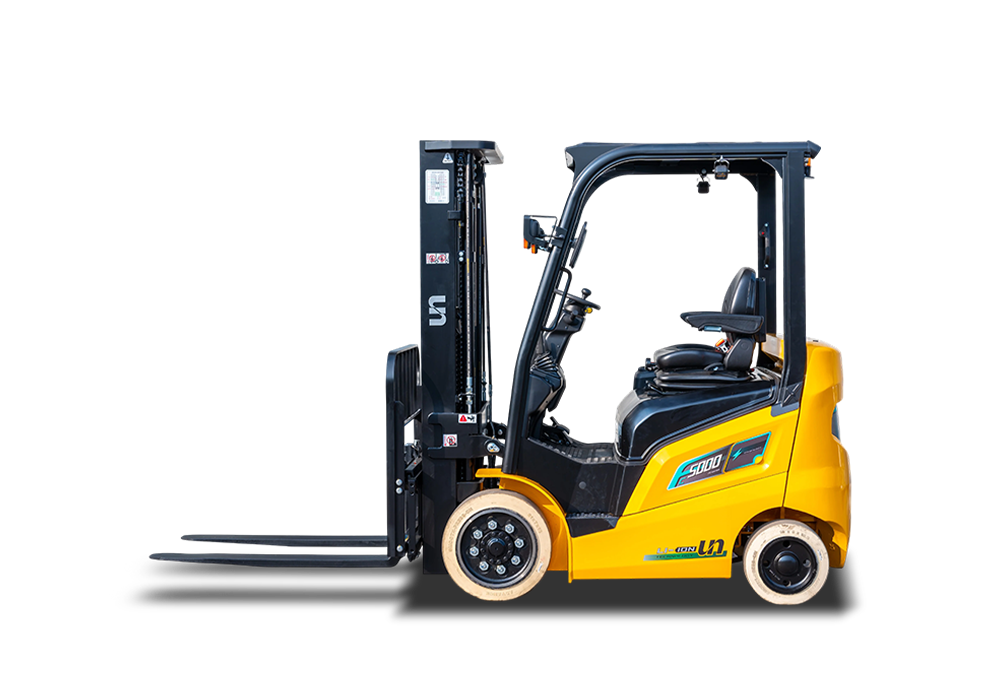
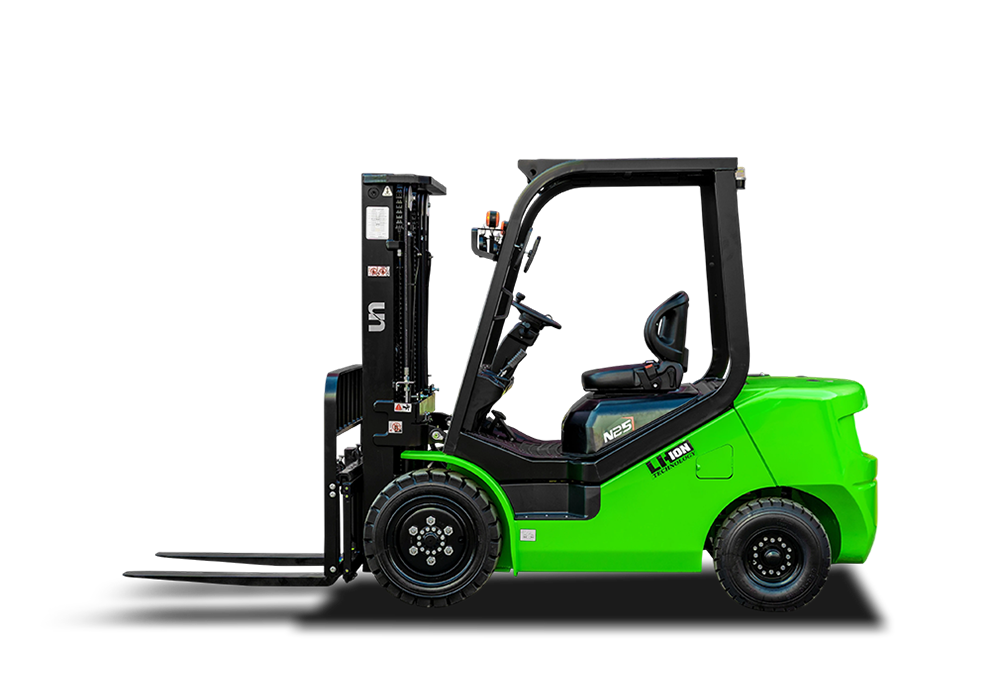
Gas forklifts are commonly used in various industrial and commercial environments for material handling tasks. These forklifts are powered by an internal combustion engine that runs on gasoline or liquefied petroleum gas (LPG). Gas forklifts are known for their versatility and robust performance in both indoor and outdoor applications. They offer several advantages over other types of forklifts, including electric and diesel models. Understanding the benefits of using a gas forklift can help businesses make informed decisions when choosing the right equipment for their operations.
Fuel Efficiency of Gas Forklifts
One of the key benefits of gas forklifts is their fuel efficiency. Gas-powered engines, particularly those running on LPG, offer better fuel consumption compared to diesel engines. LPG is a relatively affordable fuel, and it produces less carbon dioxide when burned compared to diesel. Additionally, gas forklifts tend to have longer operational hours on a single tank of fuel, reducing downtime for refueling and increasing overall productivity in the workplace. With lower fuel costs, businesses can experience significant savings over time, making gas forklifts a cost-effective choice for many operations.
Improved Maneuverability and Speed
Gas forklifts are known for their superior maneuverability and speed, particularly in environments that require frequent movements and quick turnaround times. The internal combustion engine used in gas forklifts provides excellent torque and power, allowing these machines to move heavy loads at a faster rate compared to other forklift types. This is particularly useful in busy warehouses, distribution centers, and outdoor construction sites where speed and efficiency are essential for meeting tight deadlines and maintaining workflow. Gas forklifts also typically have a higher top speed than electric forklifts, which can help increase throughput in various settings.
Outdoor Performance and Versatility
Gas forklifts excel in outdoor environments where rough terrains and harsh weather conditions are common. The robust powertrain of gas forklifts makes them suitable for working in outdoor settings such as construction sites, lumber yards, and agricultural operations. Unlike electric forklifts, which may struggle with uneven surfaces and require frequent recharging, gas forklifts can operate for extended periods without the need for downtime. Their ability to handle outdoor tasks without losing performance is one of the key reasons businesses prefer them for outdoor operations. Additionally, gas forklifts can work in a wider range of temperatures and environments, making them highly versatile in varying conditions.
Low Maintenance Requirements
Another significant advantage of gas forklifts is their relatively low maintenance needs. While electric forklifts require regular battery maintenance and can experience issues with charging systems, gas forklifts rely on an internal combustion engine that, when properly maintained, has fewer maintenance requirements. The maintenance primarily involves routine checks such as oil changes, spark plug inspections, and air filter replacements. Additionally, gas forklifts do not experience the same battery degradation issues that electric forklifts do, which can lead to expensive battery replacements over time. Overall, the lower maintenance needs of gas forklifts help reduce operational costs and minimize downtime.
Higher Load Capacity
Gas forklifts generally have a higher load capacity compared to their electric counterparts. This is due to the increased power output of the internal combustion engine, which allows gas forklifts to lift heavier loads with greater ease. In industries that require moving large or bulky items, such as construction, logistics, and manufacturing, gas forklifts can be particularly useful. Their ability to handle heavy loads makes them ideal for warehouse operations that deal with large pallets, machinery, or bulky construction materials. By choosing a gas forklift, businesses can ensure that they have the necessary lifting capacity to meet their operational demands.
Extended Range and Operating Hours
Gas forklifts are often preferred in environments where long operating hours are required. Unlike electric forklifts that need to be recharged regularly, gas forklifts can operate for extended periods on a single tank of fuel. This is particularly useful in operations that require continuous work, such as in large distribution centers or manufacturing plants. The extended operating hours of gas forklifts contribute to higher productivity and less downtime for recharging or replacing batteries. This makes gas forklifts an ideal choice for businesses that operate on a 24/7 schedule or have high-volume material handling needs.
Environmental Benefits of Gas Forklifts
While electric forklifts are often considered more environmentally friendly, gas forklifts that run on LPG are also a relatively clean option compared to diesel-powered forklifts. LPG is a cleaner-burning fuel that emits fewer greenhouse gases and particulate matter than diesel, making it a more eco-friendly option for businesses concerned with reducing their carbon footprint. Additionally, LPG-powered forklifts produce lower levels of noise pollution compared to diesel models, contributing to a quieter and more comfortable work environment. While not as clean as electric forklifts, gas forklifts powered by LPG offer a middle ground for businesses that need the power and versatility of an internal combustion engine while still reducing their environmental impact.
Cost-Effectiveness and Initial Investment
The cost of purchasing a gas forklift is typically lower than that of an electric forklift, making it an attractive option for businesses with budget constraints. In addition to the lower initial purchase price, the ongoing costs of operating a gas forklift are also competitive, especially when considering the lower fuel and maintenance costs associated with these machines. Gas forklifts do not require expensive batteries that need to be replaced after several years of use, unlike electric forklifts. This makes gas forklifts a cost-effective solution for businesses looking to maximize their investment in material handling equipment. Furthermore, the lower cost of ownership and higher reliability of gas forklifts make them a practical option for many businesses.
Safety Features and Compliance
Gas forklifts are equipped with several safety features designed to ensure the well-being of operators and those working nearby. These features include standard safety measures such as seat belts, overhead guards, and load backrests, which provide protection during operation. Additionally, gas forklifts are designed to comply with stringent safety standards and regulations, ensuring that they meet the necessary safety criteria for use in industrial environments. Regular maintenance and inspections are crucial to ensuring that these safety features remain functional throughout the lifespan of the forklift. The use of gas forklifts in compliance with safety standards helps to prevent accidents and injuries in the workplace.
Applications of Gas Forklifts
Gas forklifts are widely used in a variety of industries due to their strength, reliability, and versatility. They are commonly employed in warehouses, distribution centers, construction sites, manufacturing plants, and logistics operations. In warehouses and distribution centers, gas forklifts are used to handle a wide range of materials, including heavy pallets and bulk goods. On construction sites, gas forklifts are used to transport building materials, tools, and equipment, often in rough outdoor conditions. Manufacturing plants also rely on gas forklifts to move components and finished products efficiently. The flexibility of gas forklifts makes them suitable for diverse operational needs across many different sectors.
For exclusive deals and latest offers, sign up by entering your email address below.
Stay In Touch
ADDRESS : NO.1 ROAD ONE, XINDENG NEW DISTRICT, FUYANG, HANGZHOU, ZHEJIANG, CHINA 311404.
PHONE : +86-571-8688 8355 (AMERICA)
PHONE : +86-571-8886 9363 (EUROPE)
PHONE : +86-571-8688 8377 (ASIA, AFRICA, OCEANIA)
EMAIL : [email protected]
EMAIL : [email protected](PARTS INQUIRY)

