


 中文简体
中文简体 Français
 русский
 Español
 عربى
عربى Deutsch



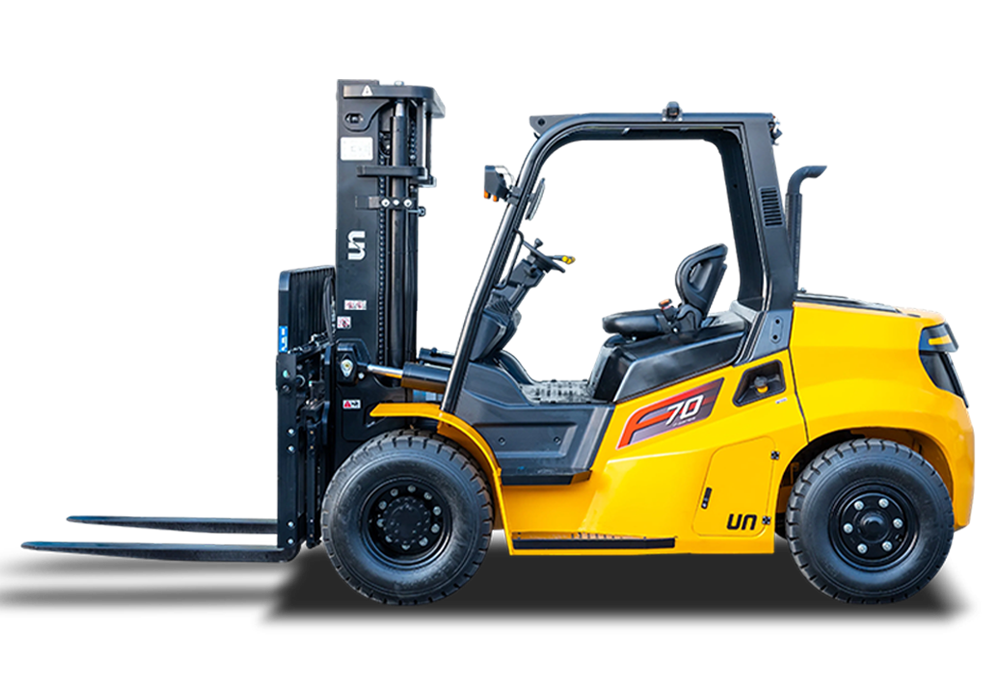
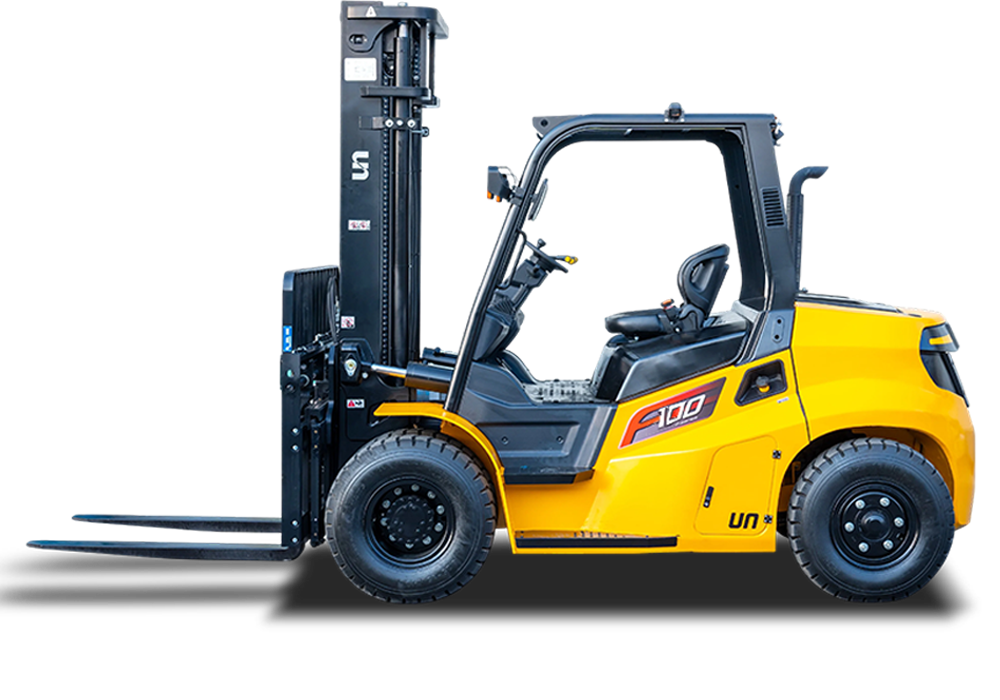
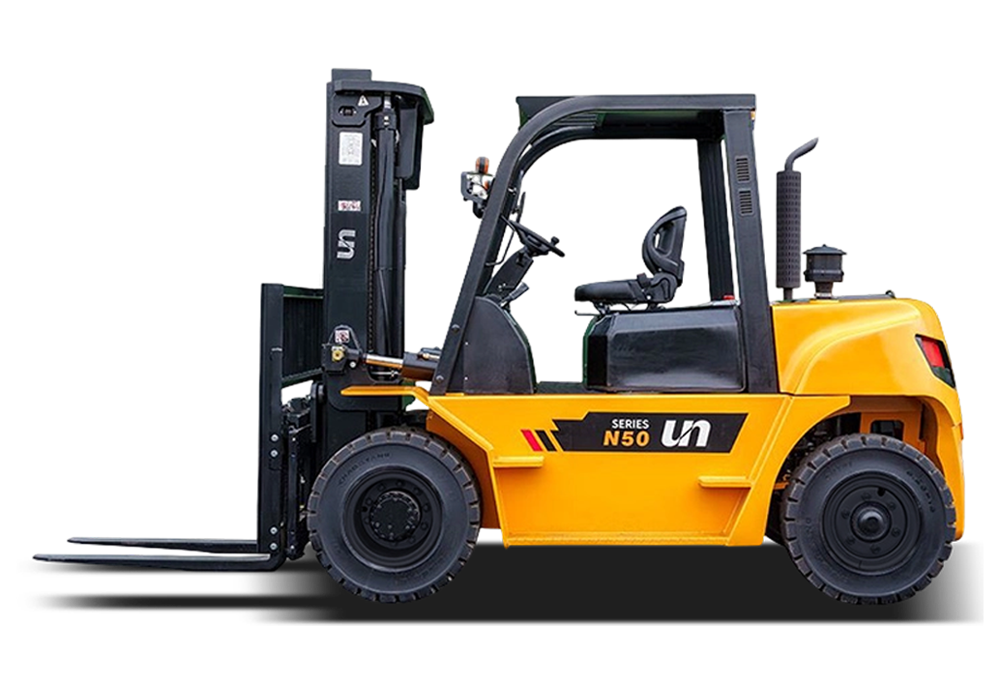
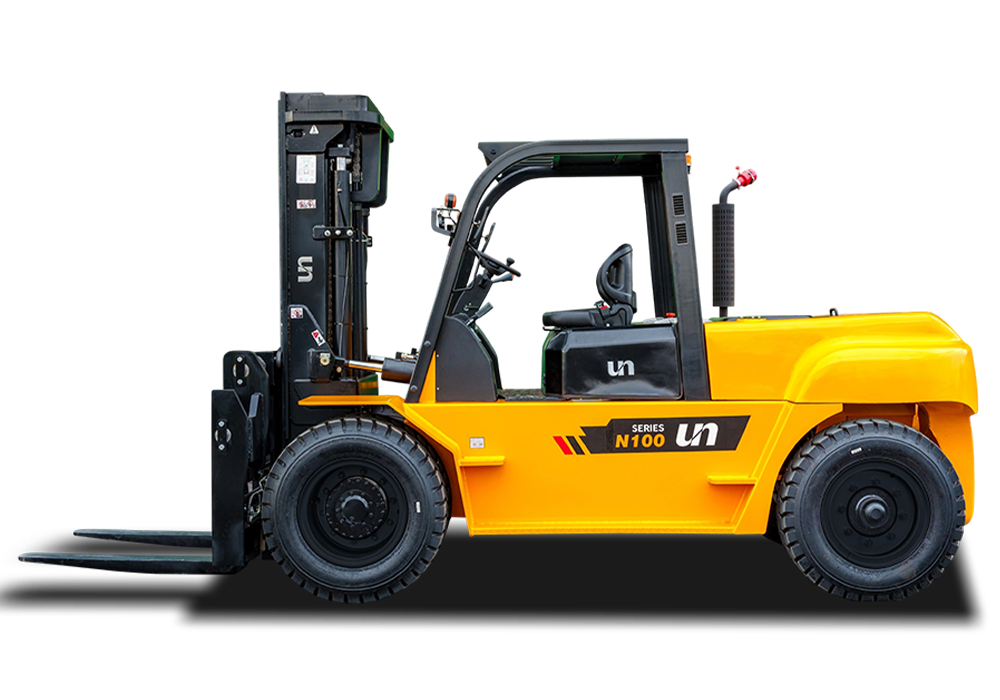
Is the Diesel Forklift 5.0T-10.0T Stable During Heavy-Duty Operation?
Understanding Stability in Heavy-Duty Diesel Forklifts
Stability is one of the most critical performance indicators when evaluating whether a diesel forklift 5.0T-10.0T can operate safely under heavy-duty conditions. Forklifts within this capacity range are typically used in demanding environments such as ports, steel processing plants, construction material yards, large-scale manufacturing facilities, and logistics hubs handling oversized or high-density loads. Stability in these operations depends not only on rated load capacity but also on structural design, center of gravity control, chassis configuration, hydraulic system response, and operator handling. A forklift operating at five to ten tons must maintain balance while lifting, transporting, turning, and stacking loads under varying terrain and environmental conditions.
Structural Design and Chassis Engineering
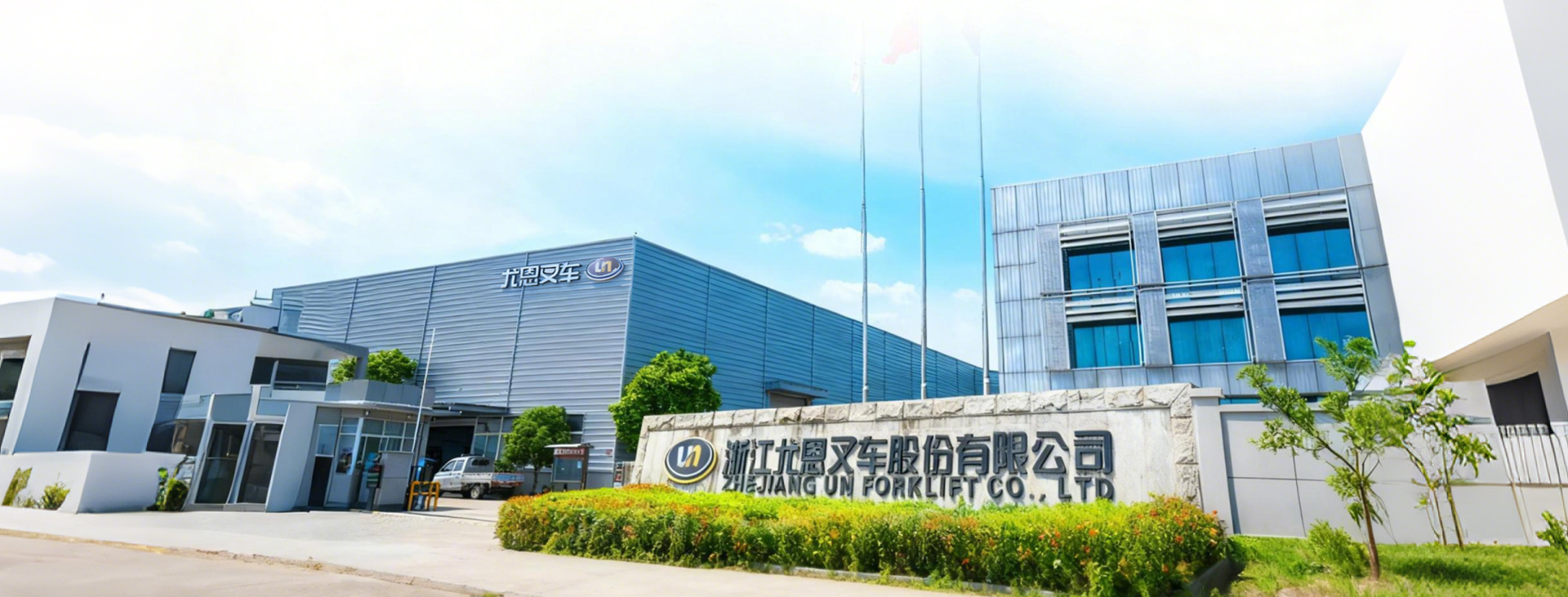
The structural integrity of a diesel forklift 5.0T-10.0T directly influences its stability during heavy-duty work. Zhejiang UN Forklift Co., Ltd., founded in 1978, integrates research, development, and production to ensure that its large-tonnage forklifts are designed with reinforced frames and optimized weight distribution. The chassis of a heavy-duty forklift must withstand continuous stress from load-bearing operations while maintaining rigidity to reduce torsional deformation. A well-designed frame structure distributes stress evenly across the vehicle body, helping prevent imbalance when handling high-capacity loads.
Forklifts in this tonnage range typically incorporate a wide wheelbase and strengthened axles. A broader stance enhances lateral stability during turning operations, especially when the forklift is carrying loads near its rated capacity. The counterweight at the rear is precisely calculated to offset the forward load moment, maintaining equilibrium within the stability triangle formed by the front wheels and rear axle pivot point.
Center of Gravity and Load Distribution Control
For any diesel forklift 5.0T-10.0T, the relationship between load center and machine center of gravity determines operational balance. As load weight increases, even slight deviations in load positioning can significantly affect stability. If the load center shifts forward due to long or irregular cargo, the forklift's residual capacity decreases. Therefore, manufacturers must design mast systems and carriage assemblies that maintain structural alignment under stress.
Zhejiang UN Forklift emphasizes safety as one of its core design concepts. By integrating balanced counterweight systems and reinforced mast rails, the company ensures that heavy-duty forklifts maintain predictable load handling behavior. Operators are able to maintain better control when lifting at higher elevations because the mast design limits unwanted deflection and vibration.
Hydraulic System Performance Under Continuous Load
Heavy-duty operation often involves repetitive lifting cycles, continuous stacking, and prolonged engine operation. The hydraulic system of a diesel forklift 5.0T-10.0T must provide smooth lifting and lowering without sudden pressure fluctuations. Inconsistent hydraulic response can cause load sway or abrupt movements, affecting overall stability. UN Forklift integrates hydraulic components designed for steady pressure control and temperature management, ensuring that lifting speed remains controlled even during extended working hours.
Stable hydraulic flow contributes to predictable load movement. When lifting heavy steel coils, machinery components, or bulk construction materials, consistent hydraulic behavior reduces operator correction movements and supports safer maneuvering in confined spaces.
Engine Power and Torque Management
Diesel forklifts in the 5.0T-10.0T class require strong torque output to move heavy loads without excessive strain. However, power must be delivered in a controlled manner to maintain traction and prevent wheel slippage. Excessive acceleration under load may destabilize the vehicle, especially on inclined surfaces. UN Forklift incorporates energy-saving and environmental protection concepts into its engine systems, optimizing fuel combustion efficiency while maintaining steady torque delivery.
Proper torque distribution allows the forklift to maintain stable traction on uneven terrain. This is particularly relevant for outdoor operations in regions where surface conditions may vary due to weather or industrial debris. With a global service and sales network across Europe, South America, North America, Africa, and Asia, UN Forklift designs its diesel forklift 5.0T-10.0T models to adapt to diverse operational environments.
Tire Configuration and Ground Contact Stability
Tire selection plays a significant role in the stability of heavy-duty forklifts. Pneumatic tires provide cushioning and improved traction on uneven ground, while solid tires may offer durability for industrial yard operations. The ground contact surface area directly affects how weight is distributed during movement. For a diesel forklift 5.0T-10.0T, maintaining consistent ground contact helps prevent lateral instability during turning.
The following table outlines key stability-related components and their functional roles in heavy-duty forklifts:
| Component | Function | Impact on Stability |
| Reinforced Chassis | Supports structural load | Reduces frame deformation under heavy stress |
| Counterweight System | Balances forward load moment | Maintains center of gravity within stability triangle |
| Wide Wheelbase | Enhances lateral balance | Improves turning stability |
| Hydraulic Control System | Regulates lifting speed | Prevents sudden load shifts |
| High-Torque Diesel Engine | Provides traction power | Ensures controlled movement under load |
Operator Ergonomics and Visibility
Operator behavior influences forklift stability. Clear visibility reduces sudden steering corrections, while ergonomic control placement allows smoother handling. UN Forklift integrates safety-oriented cabin layouts, ensuring that drivers can monitor load positioning and surrounding obstacles effectively. Reduced operator fatigue contributes to more stable operation over long shifts, particularly in high-capacity diesel forklift 5.0T-10.0T applications.
Manufacturing Capability and Quality Assurance
Zhejiang UN Forklift Co., Ltd. operates on a 53,400 square meter production site with an annual capacity of 15,000 units. This scale of manufacturing supports standardized quality inspection procedures and component validation testing. Each diesel forklift 5.0T-10.0T undergoes performance assessments to verify load stability, braking response, steering control, and hydraulic consistency. Consistent production processes contribute to predictable machine behavior in real working conditions.
Performance in Global Heavy-Duty Applications
UN Forklift’s diesel forklift models in the 5.0T-10.0T category are designed to meet the diverse demands of global industrial applications. From construction to logistics, and from manufacturing plants to warehouses, these forklifts are engineered to handle heavy-duty tasks while ensuring operational stability. With an extensive sales and service network in Europe, South America, North America, Africa, and Asia, these forklifts provide reliability for businesses in multiple markets. UN Forklift’s continued commitment to safety, energy efficiency, and environmental protection in its products ensures that these machines perform optimally even in the most demanding conditions.
FAQ
Q: How does UN ensure the durability and reliability of 5.0T-10.0T diesel forklifts?
A: With over four decades of experience in material handling equipment manufacturing and an annual production capacity of 15,000 units, UN designs these forklifts with robust frames, reinforced masts, and high-quality engine components to withstand heavy-duty operations consistently.
Q: What safety features are integrated into these heavy-duty forklifts?
A: UN diesel forklifts incorporate stability control systems, ergonomic operator cabins, and emergency braking mechanisms. These features are designed according to the company’s safety-focused philosophy to minimize operational risks during high-capacity lifting.
Q: How does UN address energy efficiency in large-capacity diesel forklifts?
A: UN follows its design principles of energy saving and high efficiency by optimizing engine performance and hydraulic systems. This reduces fuel consumption during long shifts while maintaining powerful lifting performance for loads between five and ten tons.
Q: How can operators benefit from UN’s global sales and service network?
A: UN provides worldwide support through its partners in Europe, South America, North America, Africa, and Asia. This ensures timely access to spare parts, maintenance guidance, and technical support, keeping forklifts operational and minimizing downtime.
Q: What makes these forklifts suitable for diverse working environments?
A: Built to meet high efficiency and safety standards, 5.0T-10.0T diesel forklifts can operate effectively in indoor warehouses, outdoor yards, and industrial sites. Their engines and suspension systems are optimized for varied terrains and operational conditions.
Q: How does maintenance impact the performance of UN diesel forklifts?
A: Regular maintenance of engines, hydraulic systems, brakes, and tires is critical. Following UN’s recommended maintenance schedule ensures consistent lifting performance, prolongs operational life, and maintains energy efficiency.
Q: How do UN forklifts support environmental protection goals?
A: Diesel engines are engineered to reduce emissions, aligning with UN’s environmental protection philosophy. Efficient combustion and optimized hydraulics lower fuel consumption and environmental impact without compromising performance.

