


 中文简体
中文简体 Français
 русский
 Español
 عربى
عربى Deutsch



The Endurance of Internal Combustion: Why Gas Forklifts Remain Unmatched in Heavy Logistics
Admin 2026-06-04Gas Forklifts Still Dominate Outdoor and Heavy-Duty Operations
Despite the growing popularity of electric alternatives, gas forklifts remain the preferred choice for outdoor yards, construction sites, and high-throughput warehouses where runtime continuity and raw lifting power matter most. A gas-powered forklift can be refueled in under five minutes and put straight back to work — a capability battery-electric models still struggle to match at scale. For businesses running two or three shifts without downtime tolerance, that difference is decisive.
How Gas Forklifts Actually Work
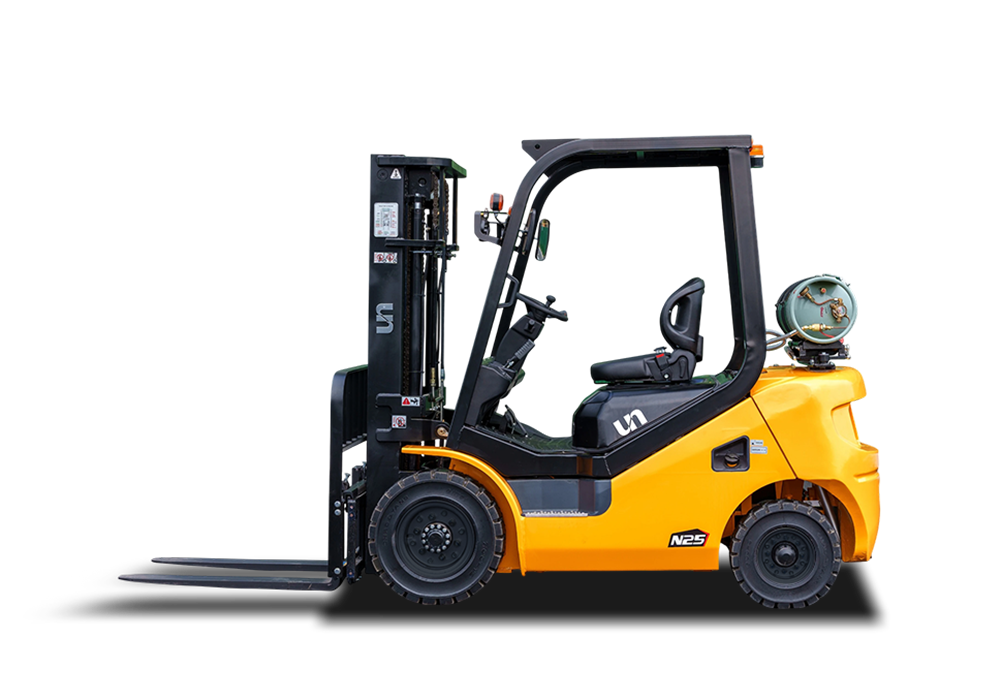
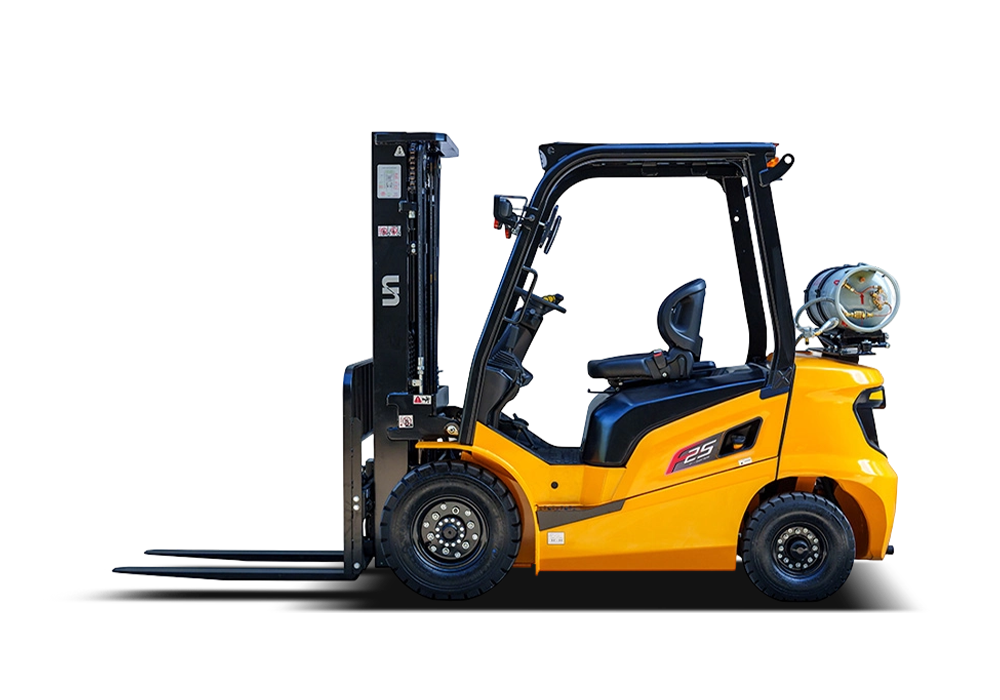
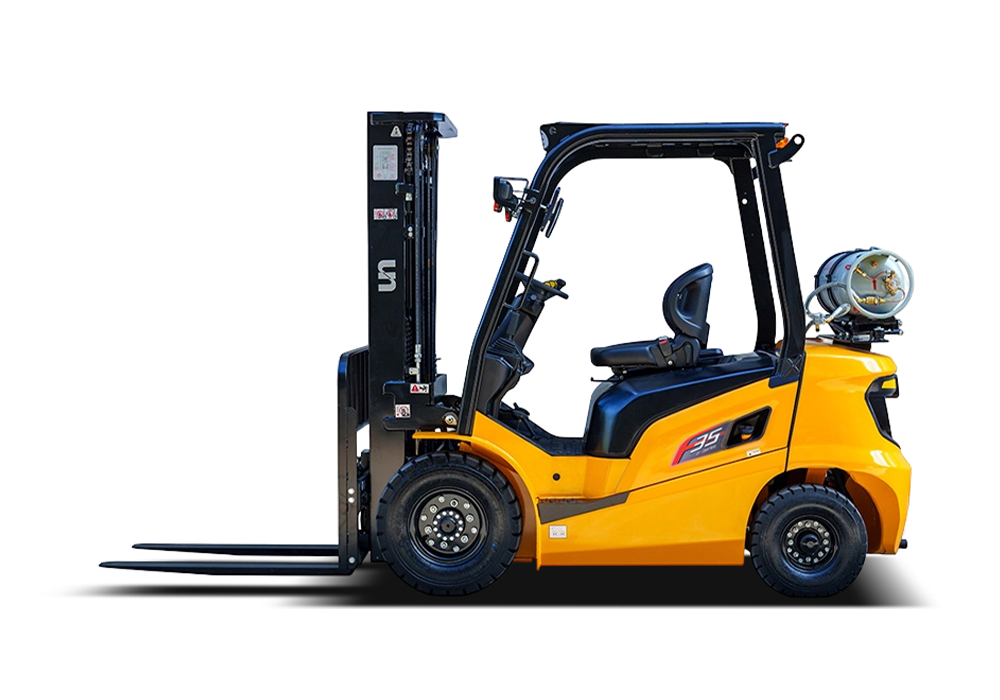
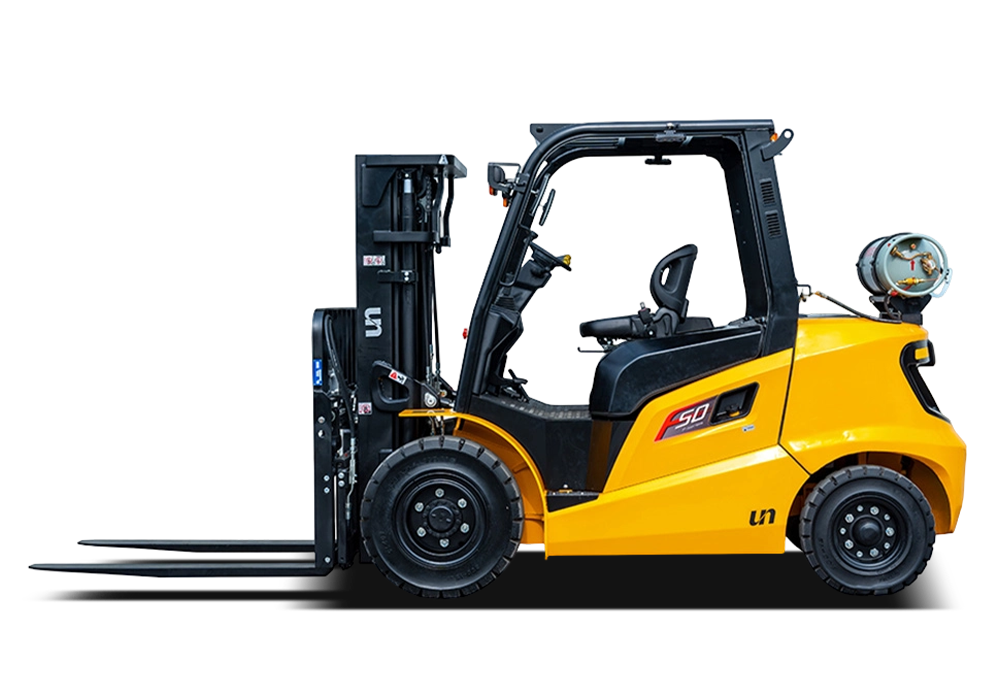
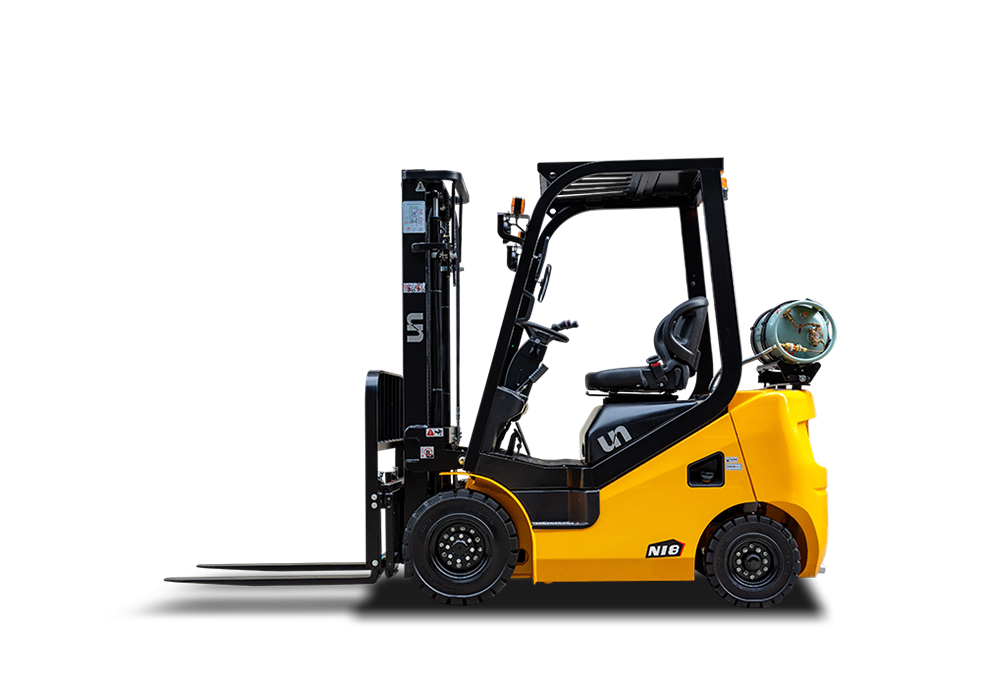
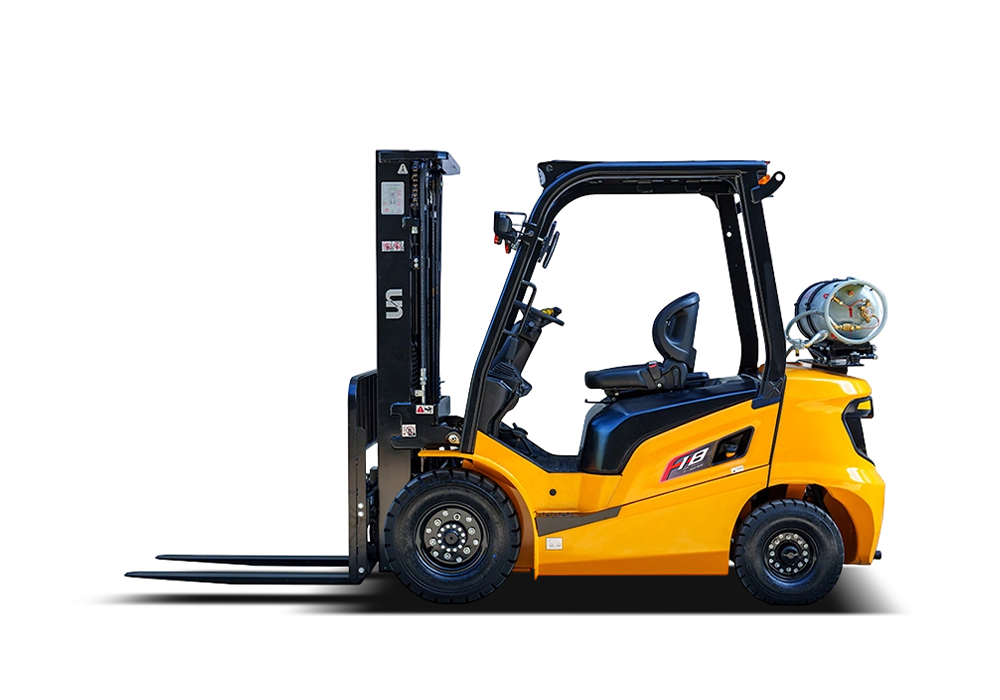
Gas forklifts are powered by internal combustion engines running on LPG (liquefied petroleum gas), CNG (compressed natural gas), or standard gasoline. The most common variant globally is the LPG forklift, which burns cleaner than gasoline and produces fewer particulates, making it viable for semi-enclosed spaces with adequate ventilation.
The engine drives a hydraulic pump system that powers both the lifting mechanism and the transmission. Most modern units use a torque converter automatic transmission, which simplifies operation compared to older manual counterparts. Key mechanical components include:
- Internal combustion engine (typically 2.0L–4.0L displacement depending on lift capacity)
- Hydraulic lift cylinder and mast assembly
- Counterweight at the rear to balance loaded forks
- LPG tank or fuel tank mounted at the rear or side
- Overhead guard and operator cab for safety compliance
Standard capacity ranges from 1.5 tons to 10 tons, with heavy-duty gas forklifts reaching beyond 16 tons in specialized industrial applications.
Where Gas Forklifts Outperform Electric and Diesel Models
Choosing the right power source depends on your operating environment, shift structure, and load requirements. The comparison below covers the most common decision points:
| Factor | Gas (LPG) | Electric | Diesel |
|---|---|---|---|
| Refuel / Recharge Time | <5 minutes | 6–8 hours | <10 minutes |
| Indoor Use | With ventilation | Fully suitable | Not recommended |
| Outdoor Performance | Excellent | Limited | Excellent |
| Emissions | Low–moderate | Zero at point of use | High |
| Operating Cost (per hour) | Medium | Low | Medium–High |
| Cold Storage Suitability | Good | Poor (battery drain) | Good |
| Noise Level | Moderate | Low | High |
Gas forklifts hit the sweet spot for operations requiring uninterrupted multi-shift performance in outdoor or mixed environments. Cold storage facilities also favor LPG models because battery efficiency drops sharply below 10°C — a well-documented issue that can reduce electric forklift runtime by 30–40% in freezer environments.
Key Applications Across Industries
Gas forklifts serve a remarkably wide range of sectors. Their versatility stems from the combination of power density, runtime flexibility, and terrain capability.
Lumber and Building Materials
Outdoor yards handling timber, steel beams, or concrete blocks demand machines that can operate on uneven surfaces while lifting loads exceeding 3–5 tons. Gas forklifts with pneumatic tires and high-capacity masts are standard issue in these environments.
Port and Container Logistics
Ports operate around the clock. A gas forklift can run three consecutive eight-hour shifts with just a tank swap between each — something that makes fleet management considerably simpler than managing a bank of charging electric vehicles.
Agriculture and Food Processing
Grain depots, cold chain distribution centers, and processing plants frequently use LPG forklifts to move palletized product. LPG burns cleaner than diesel, producing lower particulate output — which matters in food-adjacent environments where air quality standards apply.
Manufacturing and Heavy Industry
Moving dies, castings, and sub-assemblies across factory floors often involves both indoor corridors and outdoor loading bays. A gas forklift transitions between these zones without the infrastructure constraints of electric charging or the emissions concerns of diesel.
What to Evaluate When Choosing a Gas Forklift Manufacturer
Not all manufacturers deliver equal value. A forklift is a long-term capital asset — the average working life of a well-maintained unit is 10,000 to 20,000 operating hours, often spanning 7–12 years. Choosing the wrong supplier compounds cost and downtime over that entire period.
Production Scale and Capacity
A manufacturer with higher production throughput typically has better quality control infrastructure — automated welding lines, standardized component sourcing, and ISO-certified processes. Look for manufacturers with documented annual output and traceable supply chains. A facility producing fewer than 500 units per year may struggle to maintain consistent build quality or offer competitive lead times for fleet orders.
Engine Sourcing and Compatibility
The engine is the most critical component in a gas forklift. Manufacturers that source engines from established suppliers — rather than using in-house engines with limited service networks — give buyers access to a broader parts and repair ecosystem. Ask specifically whether the engine is a proprietary design or a widely serviced platform.
After-Sales Service Network
Downtime is expensive. Industry estimates put the cost of an unplanned forklift breakdown at $500–$1,000 per hour in lost productivity, depending on the operation. A manufacturer's value lies not just in the machine it ships but in how quickly it can get that machine running again. Before purchasing, verify:
- Response time guarantees for technical support
- Parts availability and average lead time for common wear components
- Local or regional service technician coverage
- Online parts ordering systems and documentation access
Certifications and Compliance Standards
For export markets or regulated industries, certifications matter. Look for compliance with CE marking (Europe), ANSI/ITSDF B56.1 (North America), or equivalent national standards in your region. Emissions certifications — such as EPA Tier 4 Final in the US or Stage V in the EU — are increasingly required for equipment used on public infrastructure projects or in urban zones.
Customization Capability
Standard models don't fit every operation. Manufacturers that offer configurable options — mast height, attachment compatibility, cab enclosures, side-shift forks, wide-track axles — allow buyers to spec a machine for their exact conditions. A manufacturer unwilling or unable to customize is limiting your operational efficiency before the forklift even arrives.
Total Cost of Ownership: Looking Beyond the Purchase Price
Procurement teams often fixate on unit price, but the purchase price typically represents only 20–30% of a forklift's total cost of ownership (TCO) over its working life. The rest breaks down as follows:
- Fuel costs: LPG prices vary by region, but a 3-ton gas forklift running 8 hours per day typically consumes 2–3 LPG tanks weekly. Over a year, fuel alone can reach $4,000–$8,000 per unit depending on local pricing.
- Maintenance and parts: Planned maintenance intervals (engine oil, filters, spark plugs, hydraulic fluid) should occur every 250–500 hours. Skipping these accelerates engine wear and voids most manufacturer warranties.
- Operator training: Proper operation directly affects tire wear, mast longevity, and incident rates. Manufacturers that provide training materials or certified training programs reduce this hidden cost.
- Residual value: A well-built gas forklift from a reputable manufacturer retains 30–50% of its purchase value at 5 years. Lower-quality units often command little to no resale value in secondary markets.
Red Flags When Assessing a Gas Forklift Manufacturer
Due diligence protects against costly mistakes. Watch for these warning signs:
- No verifiable factory address or production facility inspection policy
- Inability to produce third-party test reports or certification documentation
- Warranty terms shorter than 12 months or heavily restricted in scope
- No local parts depot or reliance entirely on direct-from-factory shipping for spares
- Unusually low pricing that cannot be explained by scale or manufacturing efficiency
- Limited or no reference customers willing to speak to their experience
A trustworthy manufacturer is transparent about its production process, happy to facilitate factory visits, and able to provide documented performance data from field deployments. If a supplier cannot answer basic technical questions about engine sourcing, load testing procedures, or service coverage, that is a definitive signal to walk away.
Maintenance Practices That Extend Gas Forklift Lifespan
Regardless of which manufacturer you choose, longevity depends heavily on maintenance discipline. The most common causes of premature gas forklift failure include neglected air filters (leading to engine wear), low hydraulic fluid (causing mast seal failure), and ignored spark plug replacement (reducing combustion efficiency and increasing fuel consumption by up to 15%).
A practical maintenance schedule looks like this:
| Interval | Task |
|---|---|
| Daily (pre-shift) | Check tire pressure, fluid levels, fork condition, and LPG connections |
| Every 250 hours | Engine oil and filter change, air filter inspection, hydraulic fluid check |
| Every 500 hours | Spark plug replacement, coolant flush, transmission fluid check, mast inspection |
| Every 1,000 hours | Full drivetrain inspection, hydraulic hose replacement if cracked, brake system service |
| Annually | Comprehensive safety inspection, load test, certification renewal if required |
Operators who follow this schedule consistently report service lives exceeding 12,000 hours — double the lifespan of poorly maintained units operating in identical environments.
For exclusive deals and latest offers, sign up by entering your email address below.
Stay In Touch
ADDRESS : NO.1 ROAD ONE, XINDENG NEW DISTRICT, FUYANG, HANGZHOU, ZHEJIANG, CHINA 311404.
PHONE : +86-571-8688 8355 (AMERICA)
PHONE : +86-571-8886 9363 (EUROPE)
PHONE : +86-571-8688 8377 (ASIA, AFRICA, OCEANIA)
EMAIL : [email protected]
EMAIL : [email protected](PARTS INQUIRY)

